 Rest and Adjusting Daily Life
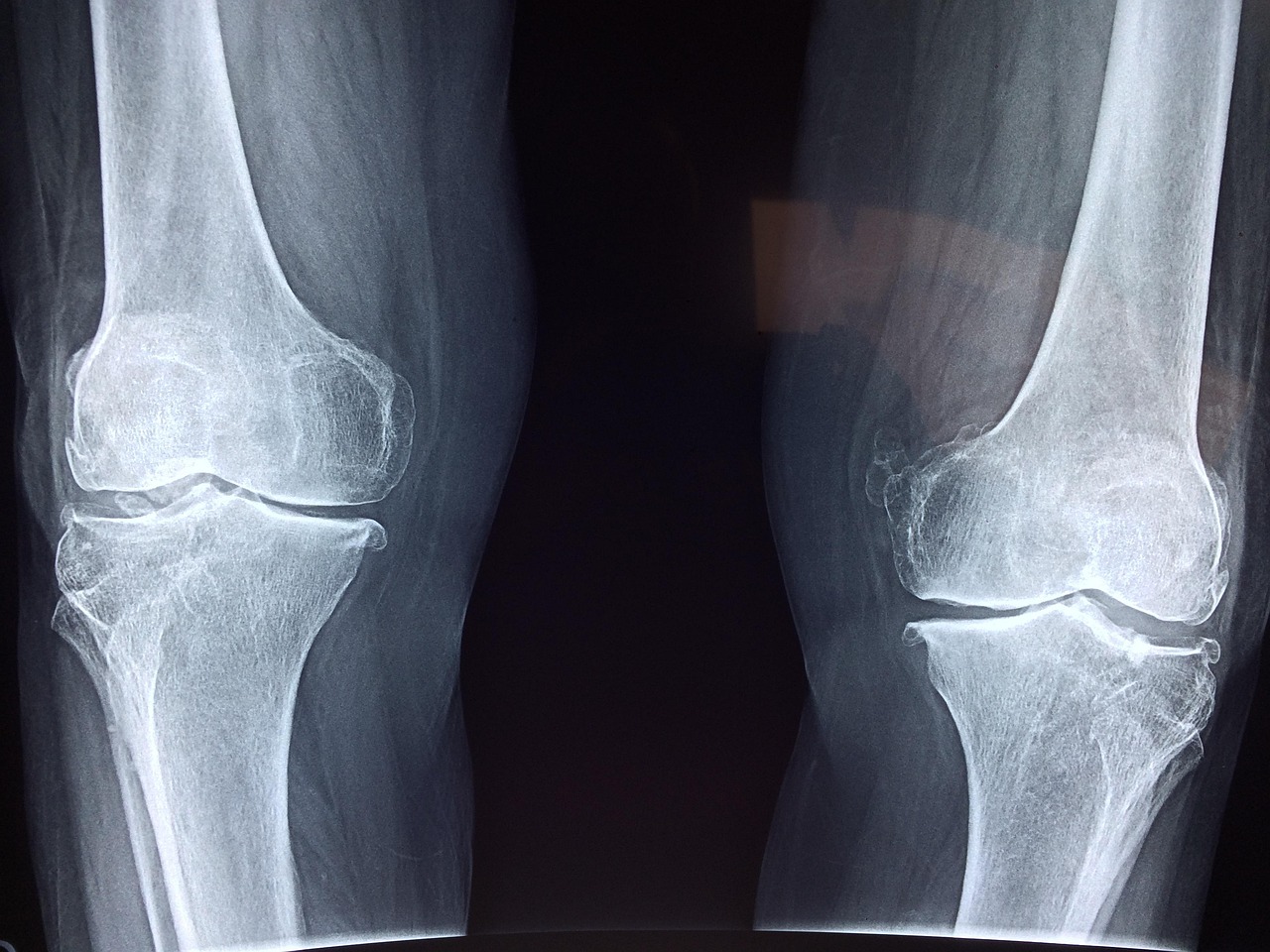
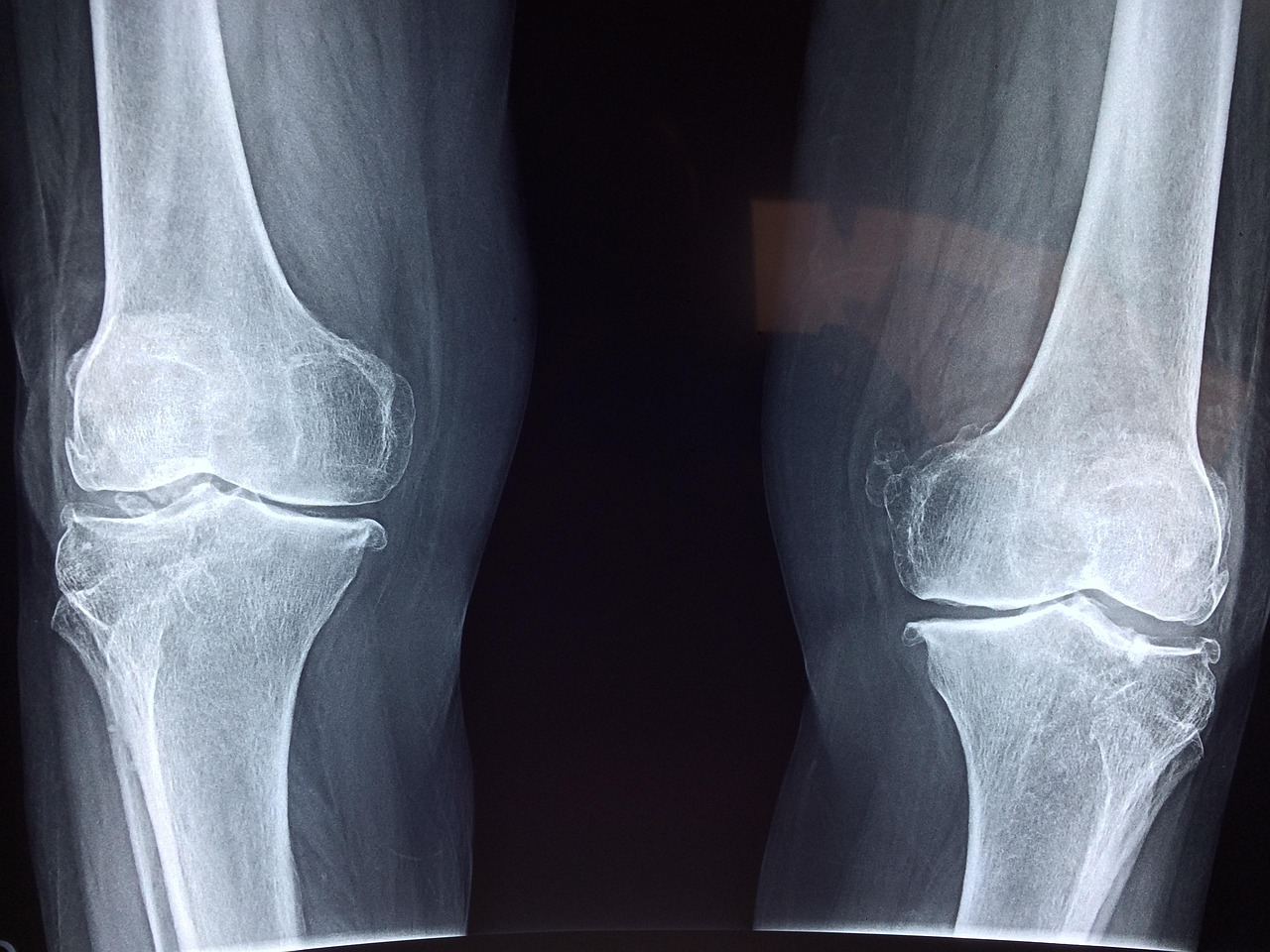
The first thing many patients hear is, “Give it a break.” And honestly, it works. A torn meniscus hates twisting and squatting, so pulling back from those movements gives it room to calm down. Rest doesn’t mean lying on the couch all day. It’s about switching gears. Take a slower walk. Stretch lightly. Find movements that don’t stab or pinch. People are usually surprised by how fast swelling and pain ease up once the constant strain stops.
Ice and Over-the-Counter Relief
Cold therapy seems old-school, but it still does the job. Ice packs shrink swelling, numb sore spots, and bring the joint a little peace. Do it for ten minutes, take a break, repeat later. Pair that with something simple like ibuprofen, and a knee that felt stuck can suddenly bend more easily. It’s not fancy, but it helps people get through their day without wincing every time they move.
Physical Therapy
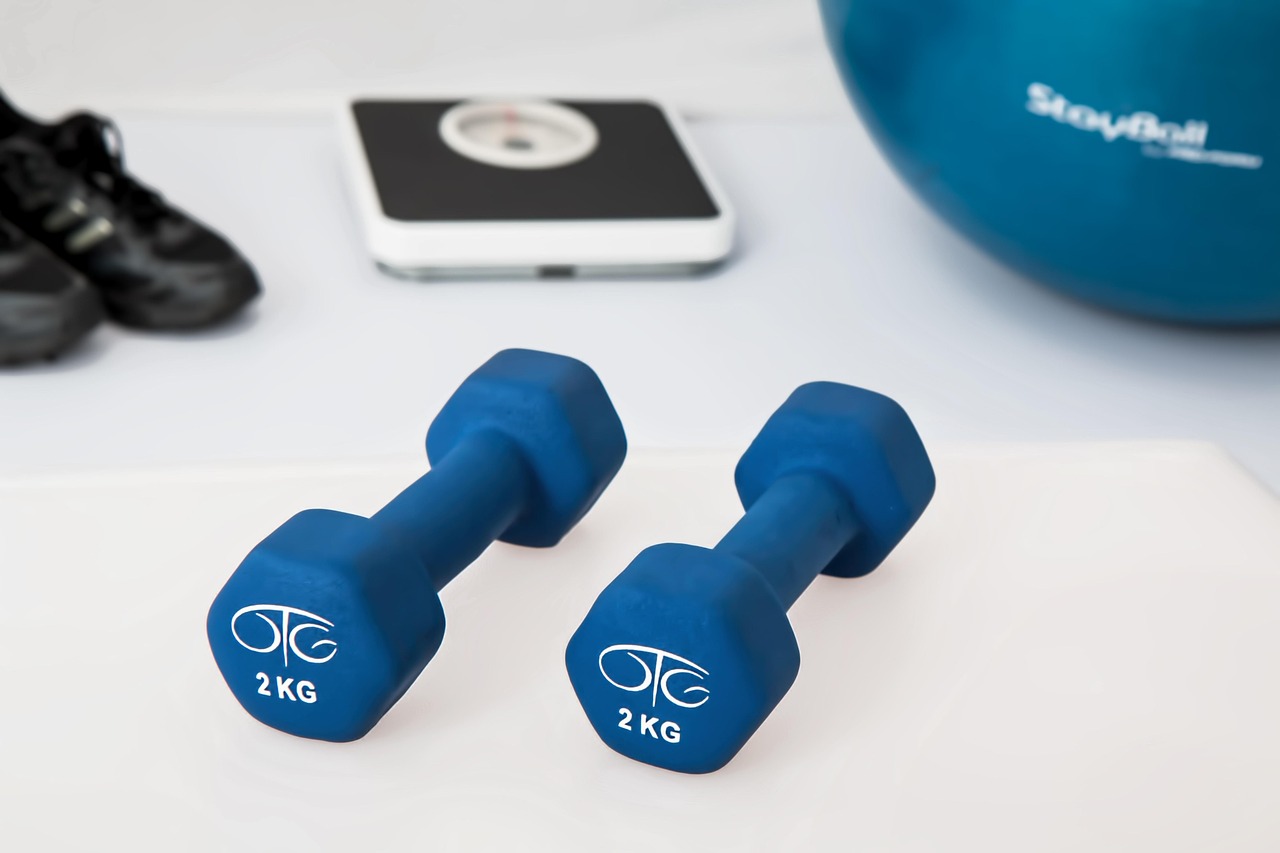
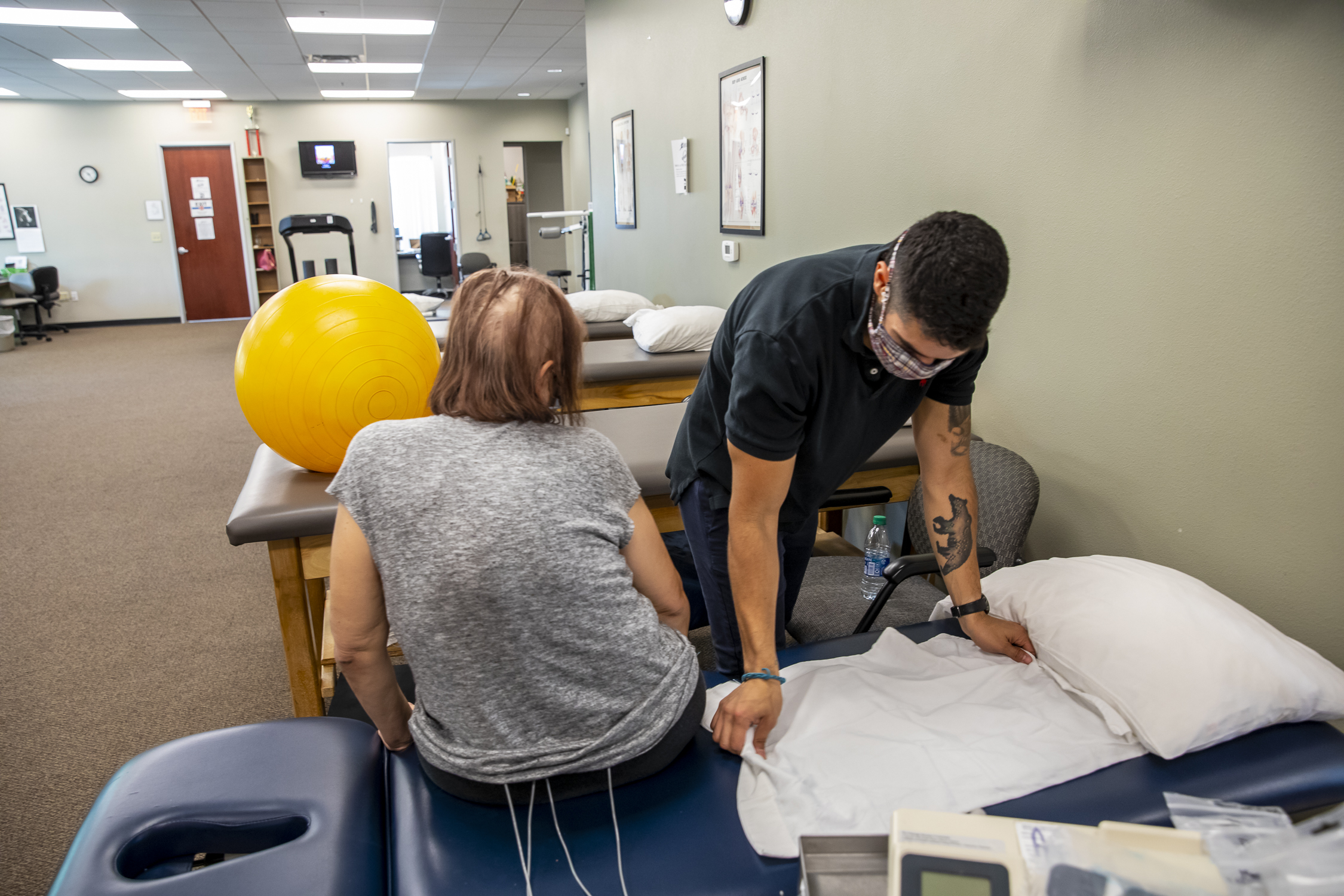
Therapy is where a lot of the real work happens. We focus on the muscles that guard your knee, like the hamstrings and quads. Stronger muscles equal a more stable joint. With the right plan, the pain fades and movement returns.
Patients often say therapy teaches them more than just exercises. It shows them how to stand without tweaking the joint, how to step down stairs safely, and even how to sit without aggravating the tear. These small details change the way the knee feels. The sessions may be tough, but they pay off.
Corticosteroid Injections
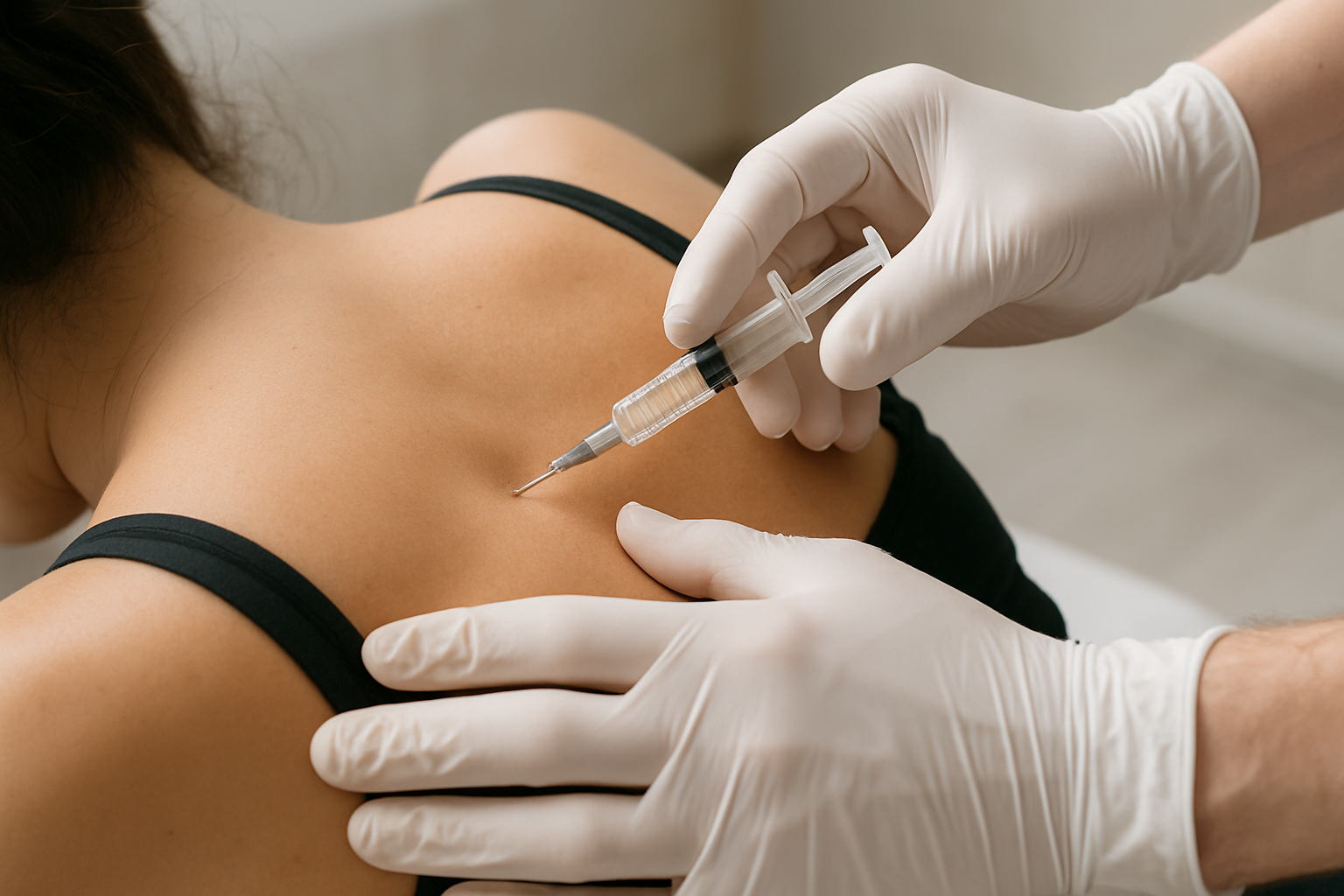
Sometimes pain doesn’t budge, even after weeks of rest and therapy. That’s when injections come into play. Corticosteroids lower inflammation right inside the joint. The relief isn’t permanent, but it gives patients a window to move comfortably again. For some, that’s enough to get back to their routine without surgery.
PRP Injections
This option feels more modern. PRP, or platelet-rich plasma, comes from your own blood. The platelets are spun down and then injected into the knee, carrying growth factors that kickstart repair. It doesn’t work for everyone, but when it does, pain eases and mobility comes back in ways patients notice. Many choose PRP before considering surgery because it’s less invasive and has little downtime.
Weight and Lifestyle Changes
Sometimes the hardest advice to hear is the simplest: lighten the load. Knees take a pounding with every step. A few extra pounds make it worse. Even a small drop in weight means less pressure on the tear. Combine that with better food choices, more water, and replacing long jogs with short walks, and the difference shows up faster than most expect.
Final Thoughts from Modern Medicine of Sun Lakes, AZ
Not every meniscus tear needs surgery. At Modern Medicine of Sun Lakes, AZ, we see it every day. Our job is to help you figure out which path makes sense for your knee and your life. If pain has been slowing you down, reach out. We’ll sit down, talk it through, and build a plan that doesn’t start with the operating room.
Rest and Adjusting Daily Life
The first thing many patients hear is, “Give it a break.” And honestly, it works. A torn meniscus hates twisting and squatting, so pulling back from those movements gives it room to calm down. Rest doesn’t mean lying on the couch all day. It’s about switching gears. Take a slower walk. Stretch lightly. Find movements that don’t stab or pinch. People are usually surprised by how fast swelling and pain ease up once the constant strain stops.
Ice and Over-the-Counter Relief
Cold therapy seems old-school, but it still does the job. Ice packs shrink swelling, numb sore spots, and bring the joint a little peace. Do it for ten minutes, take a break, repeat later. Pair that with something simple like ibuprofen, and a knee that felt stuck can suddenly bend more easily. It’s not fancy, but it helps people get through their day without wincing every time they move.
Physical Therapy
Therapy is where a lot of the real work happens. We focus on the muscles that guard your knee, like the hamstrings and quads. Stronger muscles equal a more stable joint. With the right plan, the pain fades and movement returns.
Patients often say therapy teaches them more than just exercises. It shows them how to stand without tweaking the joint, how to step down stairs safely, and even how to sit without aggravating the tear. These small details change the way the knee feels. The sessions may be tough, but they pay off.
Corticosteroid Injections
Sometimes pain doesn’t budge, even after weeks of rest and therapy. That’s when injections come into play. Corticosteroids lower inflammation right inside the joint. The relief isn’t permanent, but it gives patients a window to move comfortably again. For some, that’s enough to get back to their routine without surgery.
PRP Injections
This option feels more modern. PRP, or platelet-rich plasma, comes from your own blood. The platelets are spun down and then injected into the knee, carrying growth factors that kickstart repair. It doesn’t work for everyone, but when it does, pain eases and mobility comes back in ways patients notice. Many choose PRP before considering surgery because it’s less invasive and has little downtime.
Weight and Lifestyle Changes
Sometimes the hardest advice to hear is the simplest: lighten the load. Knees take a pounding with every step. A few extra pounds make it worse. Even a small drop in weight means less pressure on the tear. Combine that with better food choices, more water, and replacing long jogs with short walks, and the difference shows up faster than most expect.
Final Thoughts from Modern Medicine of Sun Lakes, AZ
Not every meniscus tear needs surgery. At Modern Medicine of Sun Lakes, AZ, we see it every day. Our job is to help you figure out which path makes sense for your knee and your life. If pain has been slowing you down, reach out. We’ll sit down, talk it through, and build a plan that doesn’t start with the operating room.
Sun Lakes, AZ - Top Non-Surgical Treatments for Meniscus Tears | Orthopedic News
SYNOPSIS: This article covers at top non-surgical treatments for meniscus tears and how they help with pain, mobility, and recovery for patients in Sun Lakes and the surrounding areas.
Non-Surgical Options to Help Your Knees Heal
BY: Josh Adams, Modern Medicine of Sun Lakes, AZ
Rest and Adjusting Daily Life
The first thing many patients hear is, “Give it a break.” And honestly, it works. A torn meniscus hates twisting and squatting, so pulling back from those movements gives it room to calm down. Rest doesn’t mean lying on the couch all day. It’s about switching gears. Take a slower walk. Stretch lightly. Find movements that don’t stab or pinch. People are usually surprised by how fast swelling and pain ease up once the constant strain stops.
Ice and Over-the-Counter Relief
Cold therapy seems old-school, but it still does the job. Ice packs shrink swelling, numb sore spots, and bring the joint a little peace. Do it for ten minutes, take a break, repeat later. Pair that with something simple like ibuprofen, and a knee that felt stuck can suddenly bend more easily. It’s not fancy, but it helps people get through their day without wincing every time they move.
Physical Therapy
Therapy is where a lot of the real work happens. We focus on the muscles that guard your knee, like the hamstrings and quads. Stronger muscles equal a more stable joint. With the right plan, the pain fades and movement returns.
Patients often say therapy teaches them more than just exercises. It shows them how to stand without tweaking the joint, how to step down stairs safely, and even how to sit without aggravating the tear. These small details change the way the knee feels. The sessions may be tough, but they pay off.
Corticosteroid Injections
Sometimes pain doesn’t budge, even after weeks of rest and therapy. That’s when injections come into play. Corticosteroids lower inflammation right inside the joint. The relief isn’t permanent, but it gives patients a window to move comfortably again. For some, that’s enough to get back to their routine without surgery.
PRP Injections
This option feels more modern. PRP, or platelet-rich plasma, comes from your own blood. The platelets are spun down and then injected into the knee, carrying growth factors that kickstart repair. It doesn’t work for everyone, but when it does, pain eases and mobility comes back in ways patients notice. Many choose PRP before considering surgery because it’s less invasive and has little downtime.
Weight and Lifestyle Changes
Sometimes the hardest advice to hear is the simplest: lighten the load. Knees take a pounding with every step. A few extra pounds make it worse. Even a small drop in weight means less pressure on the tear. Combine that with better food choices, more water, and replacing long jogs with short walks, and the difference shows up faster than most expect.
Final Thoughts from Modern Medicine of Sun Lakes, AZ
Not every meniscus tear needs surgery. At Modern Medicine of Sun Lakes, AZ, we see it every day. Our job is to help you figure out which path makes sense for your knee and your life. If pain has been slowing you down, reach out. We’ll sit down, talk it through, and build a plan that doesn’t start with the operating room.