 It often starts during longer runs. A dull ache on the outside of the knee that builds slowly until it’s hard to ignore, or it’s sharp, or it eases with rest but returns as soon as you get back to training. That pain is one of the most common complaints among distance runners. And in many cases, the cause is IT band syndrome. At Modern Physical Therapy & Sports Medicine of East Mesa, AZ, we work with runners in Maricopa who are ready to move past that nagging pain and get back to running.
What IT Band Syndrome Actually Is
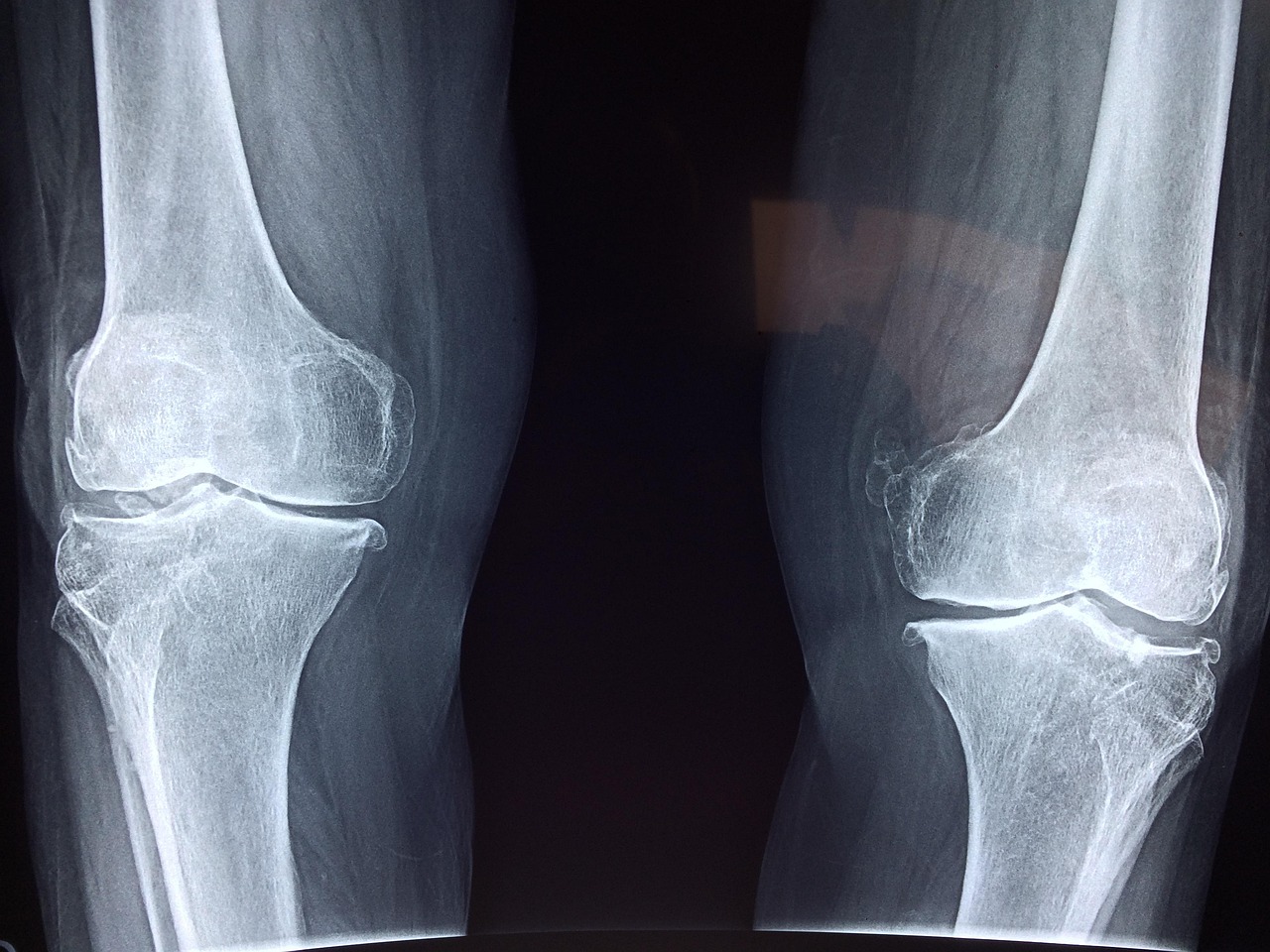
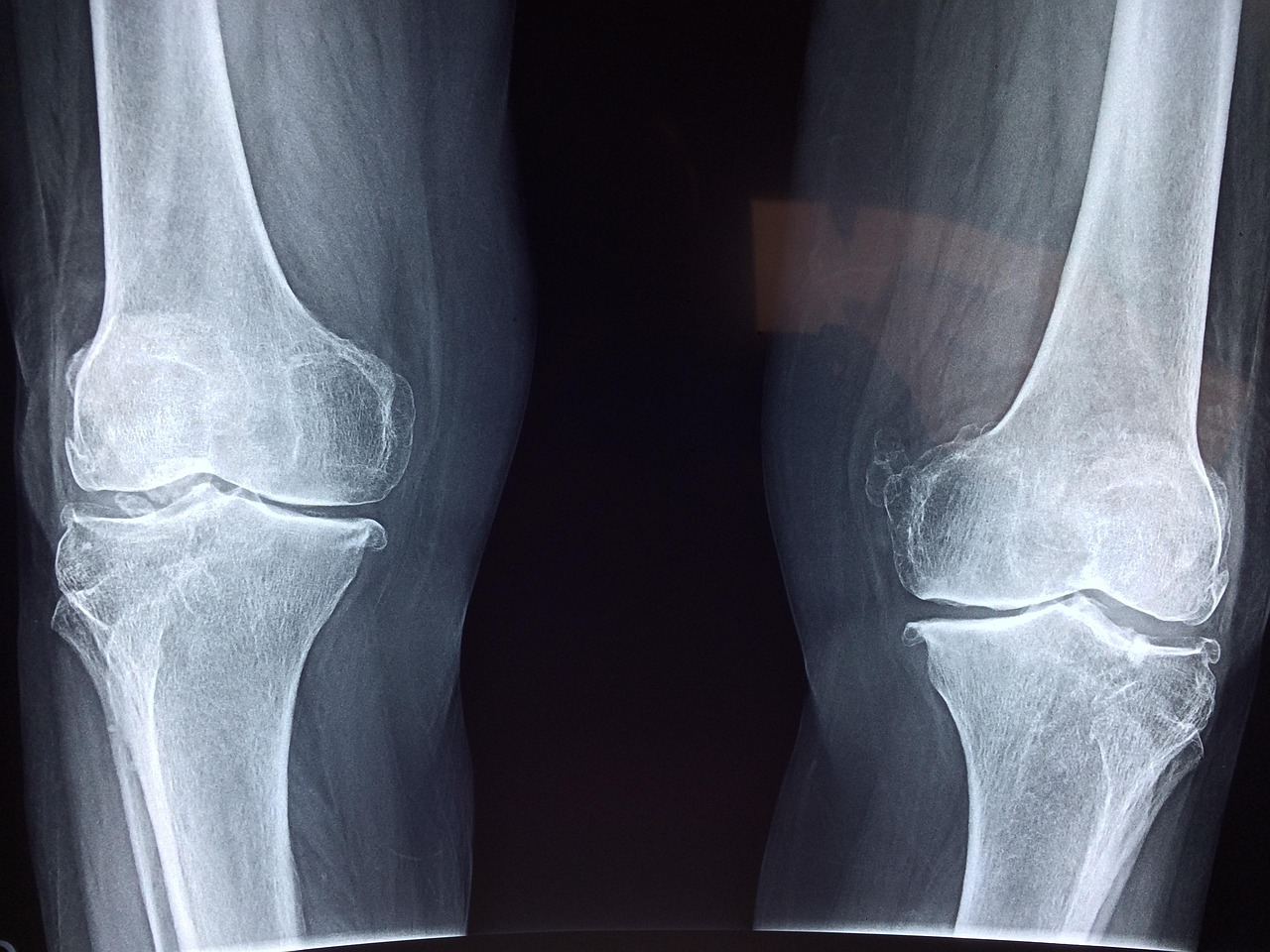
IT band syndrome happens when the iliotibial band, a thick band of connective tissue that runs from the hip to just below the knee, becomes irritated. Contrary to popular belief, the IT band itself doesn’t stretch. The pain is often caused by friction where the band crosses the lateral femoral epicondyle near the knee. As the knee repeatedly bends and straightens, the area becomes inflamed. This leads to that telltale burning or aching on the outside of the knee that flares up during or after running.
What Causes It in the First Place
IT band syndrome is almost never just about the IT band. The real culprits are usually deeper. Weak glutes. Poor hip control. Overpronation. Pelvic instability. Limited ankle mobility. Even training errors like ramping up mileage too fast or skipping recovery days can contribute. When those mechanics break down, the IT band ends up absorbing forces it wasn’t meant to handle. That stress builds over time, until the friction at the knee becomes painful enough to change your stride or shut down your run altogether.
What Fixes IT Band Syndrome
Real recovery requires fixing the underlying issues. That often includes strengthening the glutes, improving hip rotation control, refining running mechanics, and working on single-leg stability. Runners need their kinetic chain to work in sync. When one link underperforms, the IT band picks up the slack, and eventually, it lets you know. Correcting movement dysfunction is what leads to durable, repeatable relief.
Why Targeted Rehab Is the Smartest Route
Generic treatment doesn’t work for IT band syndrome because no two runners move the same way. At Modern Physical Therapy & Sports Medicine of East Mesa, AZ, we don’t hand out a standard protocol. We evaluate how your body handles loading, test how your hips stabilize with impact, and assess how your stride affects joint alignment. Your rehab plan is built around that data. That might include neuromuscular retraining, gait drills, strength work, and mobility strategies tailored to how your body moves.
Get Back to Running the Right Way
IT band syndrome is frustrating. It drags on. It teases you with temporary relief. But it is fixable. At Modern Physical Therapy & Sports Medicine of East Mesa, AZ, we help Maicopa runners move better, stabilize stronger, and run longer without pain, pulling them back. If you’ve been stuck in a cycle of rest, retry, and repeat, schedule an evaluation.
It often starts during longer runs. A dull ache on the outside of the knee that builds slowly until it’s hard to ignore, or it’s sharp, or it eases with rest but returns as soon as you get back to training. That pain is one of the most common complaints among distance runners. And in many cases, the cause is IT band syndrome. At Modern Physical Therapy & Sports Medicine of East Mesa, AZ, we work with runners in Maricopa who are ready to move past that nagging pain and get back to running.
What IT Band Syndrome Actually Is
IT band syndrome happens when the iliotibial band, a thick band of connective tissue that runs from the hip to just below the knee, becomes irritated. Contrary to popular belief, the IT band itself doesn’t stretch. The pain is often caused by friction where the band crosses the lateral femoral epicondyle near the knee. As the knee repeatedly bends and straightens, the area becomes inflamed. This leads to that telltale burning or aching on the outside of the knee that flares up during or after running.
What Causes It in the First Place
IT band syndrome is almost never just about the IT band. The real culprits are usually deeper. Weak glutes. Poor hip control. Overpronation. Pelvic instability. Limited ankle mobility. Even training errors like ramping up mileage too fast or skipping recovery days can contribute. When those mechanics break down, the IT band ends up absorbing forces it wasn’t meant to handle. That stress builds over time, until the friction at the knee becomes painful enough to change your stride or shut down your run altogether.
What Fixes IT Band Syndrome
Real recovery requires fixing the underlying issues. That often includes strengthening the glutes, improving hip rotation control, refining running mechanics, and working on single-leg stability. Runners need their kinetic chain to work in sync. When one link underperforms, the IT band picks up the slack, and eventually, it lets you know. Correcting movement dysfunction is what leads to durable, repeatable relief.
Why Targeted Rehab Is the Smartest Route
Generic treatment doesn’t work for IT band syndrome because no two runners move the same way. At Modern Physical Therapy & Sports Medicine of East Mesa, AZ, we don’t hand out a standard protocol. We evaluate how your body handles loading, test how your hips stabilize with impact, and assess how your stride affects joint alignment. Your rehab plan is built around that data. That might include neuromuscular retraining, gait drills, strength work, and mobility strategies tailored to how your body moves.
Get Back to Running the Right Way
IT band syndrome is frustrating. It drags on. It teases you with temporary relief. But it is fixable. At Modern Physical Therapy & Sports Medicine of East Mesa, AZ, we help Maicopa runners move better, stabilize stronger, and run longer without pain, pulling them back. If you’ve been stuck in a cycle of rest, retry, and repeat, schedule an evaluation.
Maricopa, AZ - Helping Runners Overcome IT Band Syndrome Through Targeted Rehab
SYNOPSIS: This article explains how people can recover from IT band syndrome through personalized, movement-based rehab designed to treat the real cause. Targeted rehab is the smartest route.
Focused Physical Therapy for Long-Term Relief
BY: Josh Adams, Modern Medicine of Sun Lakes, AZ
It often starts during longer runs. A dull ache on the outside of the knee that builds slowly until it’s hard to ignore, or it’s sharp, or it eases with rest but returns as soon as you get back to training. That pain is one of the most common complaints among distance runners. And in many cases, the cause is IT band syndrome. At Modern Physical Therapy & Sports Medicine of East Mesa, AZ, we work with runners in Maricopa who are ready to move past that nagging pain and get back to running.
What IT Band Syndrome Actually Is
IT band syndrome happens when the iliotibial band, a thick band of connective tissue that runs from the hip to just below the knee, becomes irritated. Contrary to popular belief, the IT band itself doesn’t stretch. The pain is often caused by friction where the band crosses the lateral femoral epicondyle near the knee. As the knee repeatedly bends and straightens, the area becomes inflamed. This leads to that telltale burning or aching on the outside of the knee that flares up during or after running.
What Causes It in the First Place
IT band syndrome is almost never just about the IT band. The real culprits are usually deeper. Weak glutes. Poor hip control. Overpronation. Pelvic instability. Limited ankle mobility. Even training errors like ramping up mileage too fast or skipping recovery days can contribute. When those mechanics break down, the IT band ends up absorbing forces it wasn’t meant to handle. That stress builds over time, until the friction at the knee becomes painful enough to change your stride or shut down your run altogether.
What Fixes IT Band Syndrome
Real recovery requires fixing the underlying issues. That often includes strengthening the glutes, improving hip rotation control, refining running mechanics, and working on single-leg stability. Runners need their kinetic chain to work in sync. When one link underperforms, the IT band picks up the slack, and eventually, it lets you know. Correcting movement dysfunction is what leads to durable, repeatable relief.
Why Targeted Rehab Is the Smartest Route
Generic treatment doesn’t work for IT band syndrome because no two runners move the same way. At Modern Physical Therapy & Sports Medicine of East Mesa, AZ, we don’t hand out a standard protocol. We evaluate how your body handles loading, test how your hips stabilize with impact, and assess how your stride affects joint alignment. Your rehab plan is built around that data. That might include neuromuscular retraining, gait drills, strength work, and mobility strategies tailored to how your body moves.
Get Back to Running the Right Way
IT band syndrome is frustrating. It drags on. It teases you with temporary relief. But it is fixable. At Modern Physical Therapy & Sports Medicine of East Mesa, AZ, we help Maicopa runners move better, stabilize stronger, and run longer without pain, pulling them back. If you’ve been stuck in a cycle of rest, retry, and repeat, schedule an evaluation.