 Understanding percentages of film is not all that difficult, but to the average person it could be a rare or confusing topic. To some people, it’s like trying to comprehend the depths of our universe. To others, it’s as simple as one plus one. Either way, we want to explain, because like always, we seek to educate our customers.
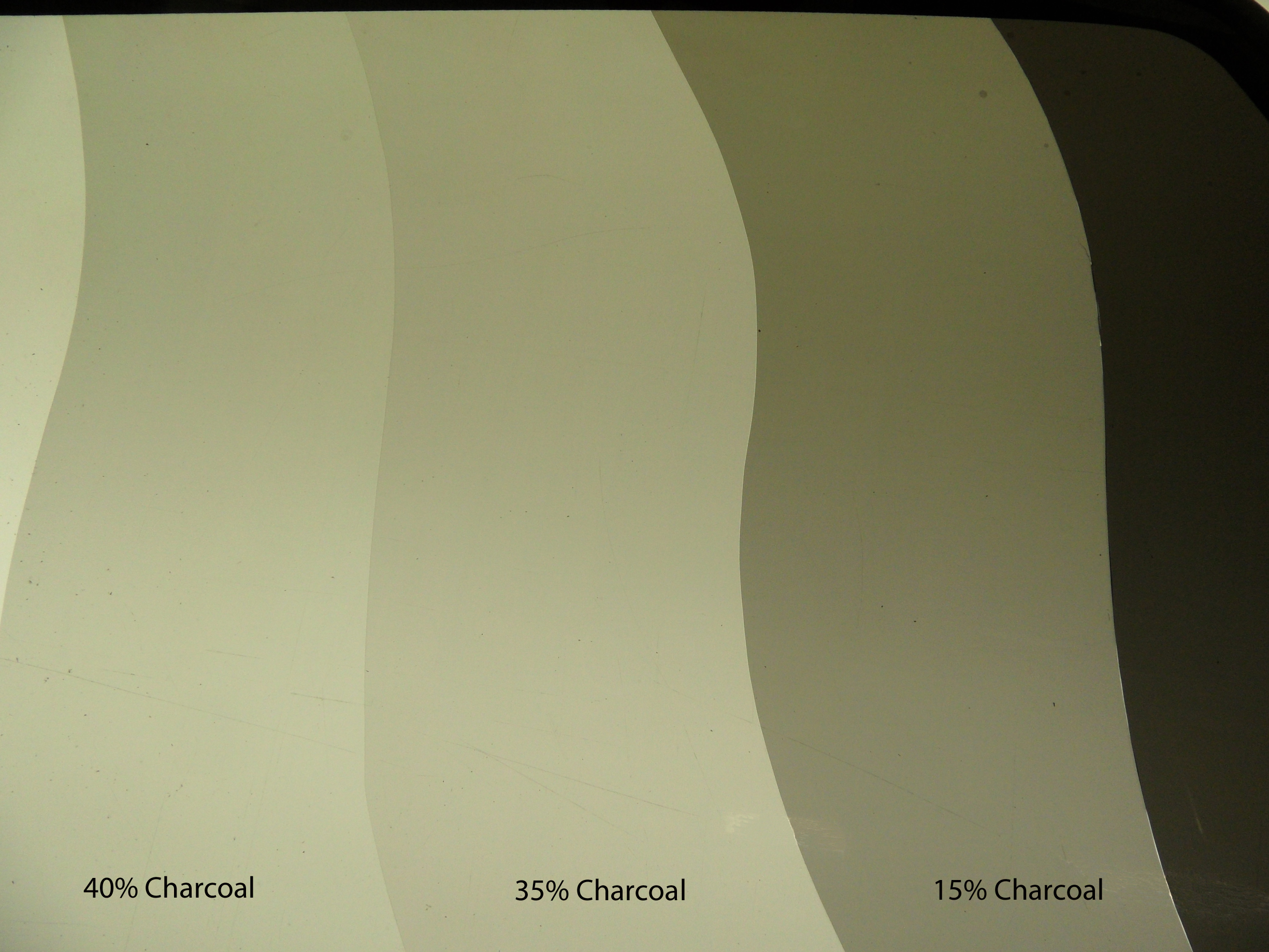
We have to discuss visible light transmittance in order to understand what these percentages even mean. Visible light transmittance is the amount of light that is being let through the window. Most windows without any tint vary between 70 and 80 percent visible light transmittance. This meansthat these windows are letting through 70 to 80 percent of light. So, if we put a 50 percent film on vehicle windows, only 50 percent of light will be let through. Furthermore, if we put a 35 percent film on vehicle windows, only 35 percent of light will be let through.
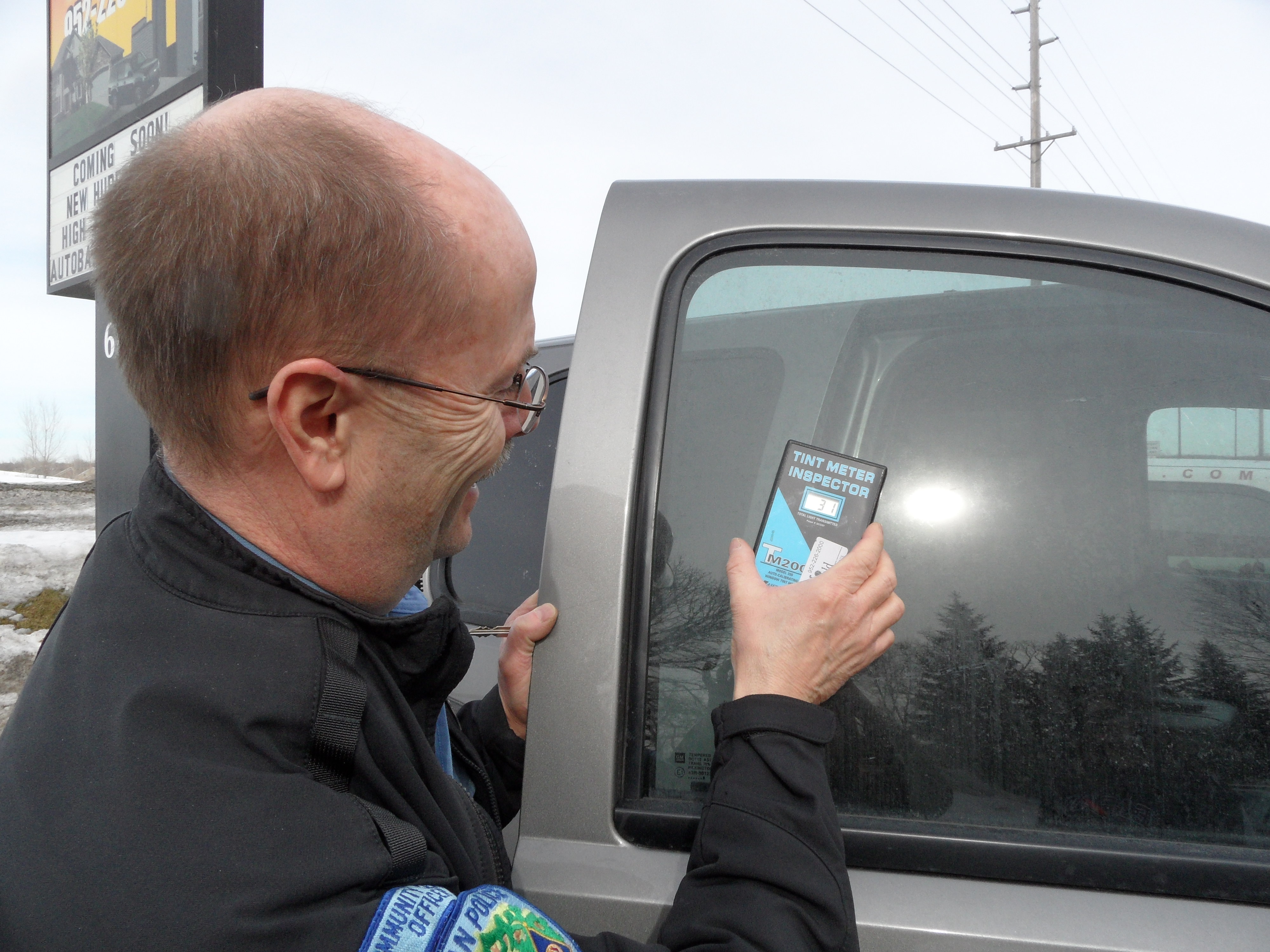
Window film is manufactured in an interesting, yet important way, in order to maintain these percentages at accurate levels. When window film is applied to windows it naturally meters darker because of the tint already in the window. For example, 25 percent film meters to 20% after being applied to windows. Because of this, film manufacturers produce film to be slightly lighter than their advertised percentage. A 50 percent film is actually about 55 to 58 percent. Only after it is applied to a window will it meter to 50 percent, which is perfect for the Minnesota legal limit.
The Minnesota legal limit for all cars and sedans is 50 percent on all windows. For any truck, SUV, MPV, etc., the legal limit is 50 percent for the driver and passenger windows only, and the rear windows can be as dark as desired. A medical prescription is required by law when our customers want to go darker. We recommend they get a medical prescription written to 20 percent, which will allow them to go to a 25 percent at the darkest, or at least give a little buffer if they select a 35 or 30 percent film.
Understanding percentages of film is not all that difficult, but to the average person it could be a rare or confusing topic. To some people, it’s like trying to comprehend the depths of our universe. To others, it’s as simple as one plus one. Either way, we want to explain, because like always, we seek to educate our customers.
We have to discuss visible light transmittance in order to understand what these percentages even mean. Visible light transmittance is the amount of light that is being let through the window. Most windows without any tint vary between 70 and 80 percent visible light transmittance. This meansthat these windows are letting through 70 to 80 percent of light. So, if we put a 50 percent film on vehicle windows, only 50 percent of light will be let through. Furthermore, if we put a 35 percent film on vehicle windows, only 35 percent of light will be let through.
Window film is manufactured in an interesting, yet important way, in order to maintain these percentages at accurate levels. When window film is applied to windows it naturally meters darker because of the tint already in the window. For example, 25 percent film meters to 20% after being applied to windows. Because of this, film manufacturers produce film to be slightly lighter than their advertised percentage. A 50 percent film is actually about 55 to 58 percent. Only after it is applied to a window will it meter to 50 percent, which is perfect for the Minnesota legal limit.
The Minnesota legal limit for all cars and sedans is 50 percent on all windows. For any truck, SUV, MPV, etc., the legal limit is 50 percent for the driver and passenger windows only, and the rear windows can be as dark as desired. A medical prescription is required by law when our customers want to go darker. We recommend they get a medical prescription written to 20 percent, which will allow them to go to a 25 percent at the darkest, or at least give a little buffer if they select a 35 or 30 percent film.
Understanding Percentages of Window Film – Solar Shield, Savage, MN
SYNOPSIS: Understanding percentages of film is not all that difficult, but to the average person it could be a rare or confusing topic. To some people, it’s like trying to comprehend the depths of our universe. To others, it’s as simple as one plus one. Either
BY: ,
Understanding percentages of film is not all that difficult, but to the average person it could be a rare or confusing topic. To some people, it’s like trying to comprehend the depths of our universe. To others, it’s as simple as one plus one. Either way, we want to explain, because like always, we seek to educate our customers.
We have to discuss visible light transmittance in order to understand what these percentages even mean. Visible light transmittance is the amount of light that is being let through the window. Most windows without any tint vary between 70 and 80 percent visible light transmittance. This meansthat these windows are letting through 70 to 80 percent of light. So, if we put a 50 percent film on vehicle windows, only 50 percent of light will be let through. Furthermore, if we put a 35 percent film on vehicle windows, only 35 percent of light will be let through.
Window film is manufactured in an interesting, yet important way, in order to maintain these percentages at accurate levels. When window film is applied to windows it naturally meters darker because of the tint already in the window. For example, 25 percent film meters to 20% after being applied to windows. Because of this, film manufacturers produce film to be slightly lighter than their advertised percentage. A 50 percent film is actually about 55 to 58 percent. Only after it is applied to a window will it meter to 50 percent, which is perfect for the Minnesota legal limit.
The Minnesota legal limit for all cars and sedans is 50 percent on all windows. For any truck, SUV, MPV, etc., the legal limit is 50 percent for the driver and passenger windows only, and the rear windows can be as dark as desired. A medical prescription is required by law when our customers want to go darker. We recommend they get a medical prescription written to 20 percent, which will allow them to go to a 25 percent at the darkest, or at least give a little buffer if they select a 35 or 30 percent film.