 since Thomas Edison’s patent of the
electric light bulb.
Since then, lighting has come a long way
producing more types of light – incandescent, florescent, and LED being some of the most common. Beginning in 2012 the government started phasing out incandescent light bulbs, starting with the 100-watt, then the 75-watt, and as of January 1, 2014, the 60- and 40-watt bulbs have been phased out, or “outlawed.”
Discussion: What’s causing the issue?
We believe the lighting of the environment is what is causing the issue. Historically, this issue is more difficult to detect in incandescent lighting. Window film has always had a certain degree of this effect, but it wasn’t as noticeable under incandescent lighting. Now that the market place has moved to new forms of lighting, the issue is beginning to arise.
So what can you do if you don’t own anymore incandescent light bulbs and you’re now experiencing the issue? Try utilizing warm light LEDs instead of white light LEDs. Incandescent light has always had a warmth factor to it. A warm light LED might imitate the same atmosphere.
since Thomas Edison’s patent of the
electric light bulb.
Since then, lighting has come a long way
producing more types of light – incandescent, florescent, and LED being some of the most common. Beginning in 2012 the government started phasing out incandescent light bulbs, starting with the 100-watt, then the 75-watt, and as of January 1, 2014, the 60- and 40-watt bulbs have been phased out, or “outlawed.”
Discussion: What’s causing the issue?
We believe the lighting of the environment is what is causing the issue. Historically, this issue is more difficult to detect in incandescent lighting. Window film has always had a certain degree of this effect, but it wasn’t as noticeable under incandescent lighting. Now that the market place has moved to new forms of lighting, the issue is beginning to arise.
So what can you do if you don’t own anymore incandescent light bulbs and you’re now experiencing the issue? Try utilizing warm light LEDs instead of white light LEDs. Incandescent light has always had a warmth factor to it. A warm light LED might imitate the same atmosphere.
Oil streaking in your window film? – Solar Shield, Twin Cities, MN
SYNOPSIS: The Issue: The Rainbow Effect
Resident and/or commercial window film consumers may experience an effect in their window film that the industry has termed “oil streaking” or “the rainbow effect.” Essentially, window film may have a rainbow look
BY: ,
The Issue: The Rainbow Effect
Resident and/or commercial window film consumers may experience an effect in their window film that the industry has termed “oil streaking” or “the rainbow effect.” Essentially, window film may have a rainbow look in it, similar to the looks of gasoline residue on a wet surface. The issue takes place primarily in night time atmospheres or when interior lighting is turned on.
Part A: Window Film
Window film is a sputtered-metalized polyester product. Big words, right? Let’s break it down. Certain brands of window film are manufactured with different amounts and kinds of metal, like a platinum, nickel, or silver for example, aiming to control heat rejection. Also, these films are manufactured with polyester, a material that has a natural petroleum byproduct in it.
Part B: Light
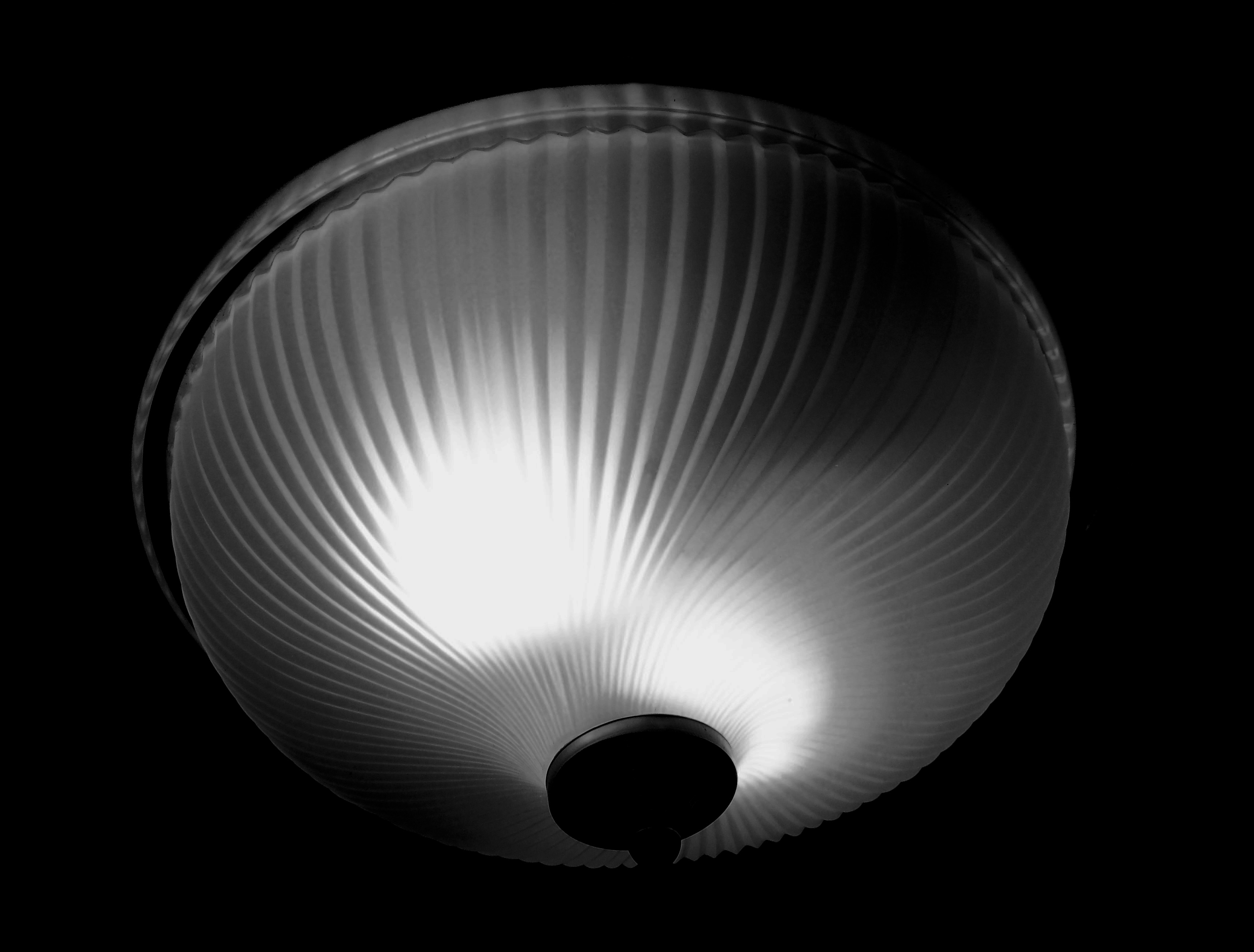
It has been over 100 years since Thomas Edison’s patent of the
electric light bulb.
Since then, lighting has come a long way
producing more types of light – incandescent, florescent, and LED being some of the most common. Beginning in 2012 the government started phasing out incandescent light bulbs, starting with the 100-watt, then the 75-watt, and as of January 1, 2014, the 60- and 40-watt bulbs have been phased out, or “outlawed.”
Discussion: What’s causing the issue?
We believe the lighting of the environment is what is causing the issue. Historically, this issue is more difficult to detect in incandescent lighting. Window film has always had a certain degree of this effect, but it wasn’t as noticeable under incandescent lighting. Now that the market place has moved to new forms of lighting, the issue is beginning to arise.
So what can you do if you don’t own anymore incandescent light bulbs and you’re now experiencing the issue? Try utilizing warm light LEDs instead of white light LEDs. Incandescent light has always had a warmth factor to it. A warm light LED might imitate the same atmosphere.
since Thomas Edison’s patent of the
electric light bulb.
Since then, lighting has come a long way
producing more types of light – incandescent, florescent, and LED being some of the most common. Beginning in 2012 the government started phasing out incandescent light bulbs, starting with the 100-watt, then the 75-watt, and as of January 1, 2014, the 60- and 40-watt bulbs have been phased out, or “outlawed.”
Discussion: What’s causing the issue?
We believe the lighting of the environment is what is causing the issue. Historically, this issue is more difficult to detect in incandescent lighting. Window film has always had a certain degree of this effect, but it wasn’t as noticeable under incandescent lighting. Now that the market place has moved to new forms of lighting, the issue is beginning to arise.
So what can you do if you don’t own anymore incandescent light bulbs and you’re now experiencing the issue? Try utilizing warm light LEDs instead of white light LEDs. Incandescent light has always had a warmth factor to it. A warm light LED might imitate the same atmosphere.