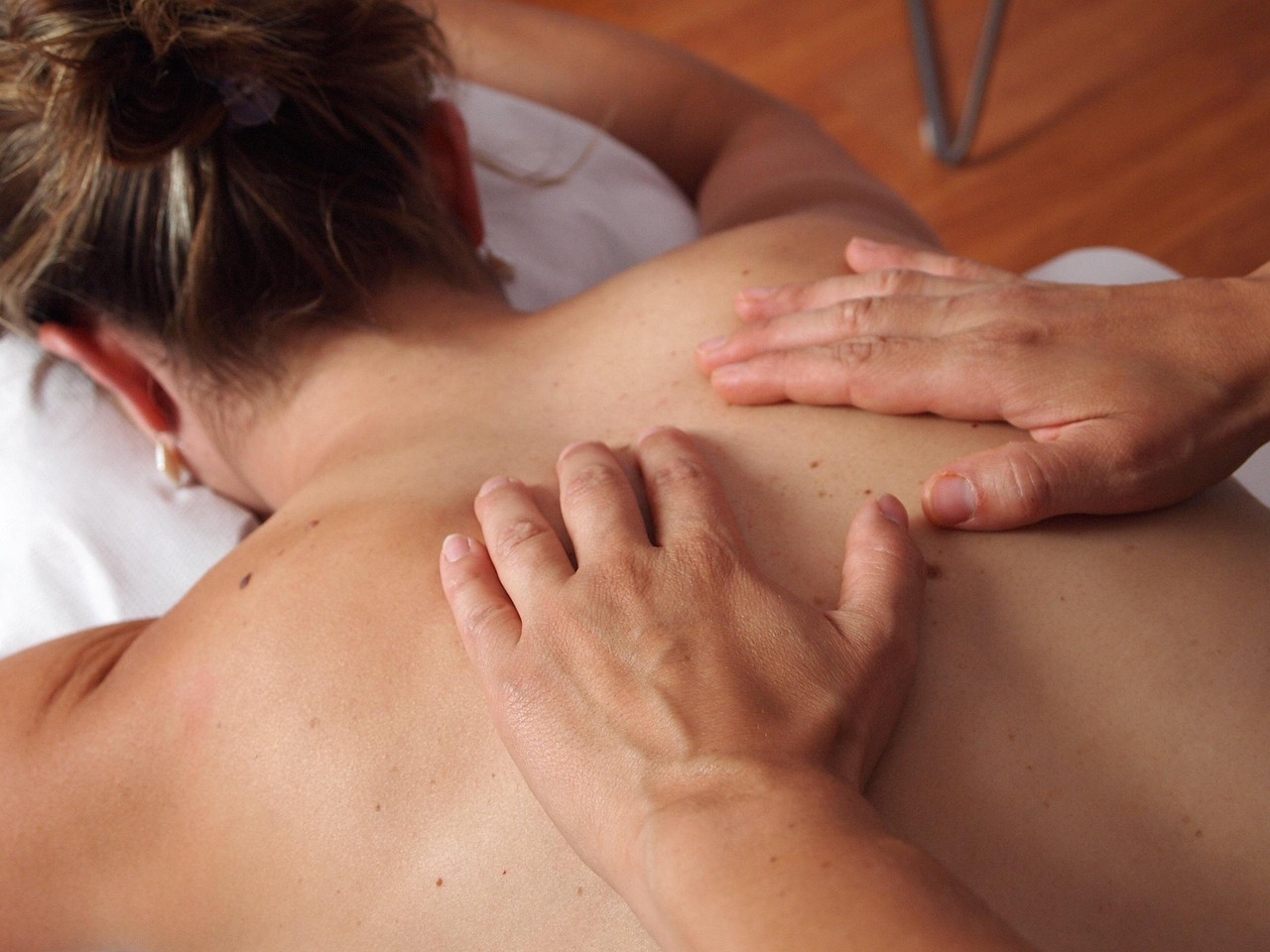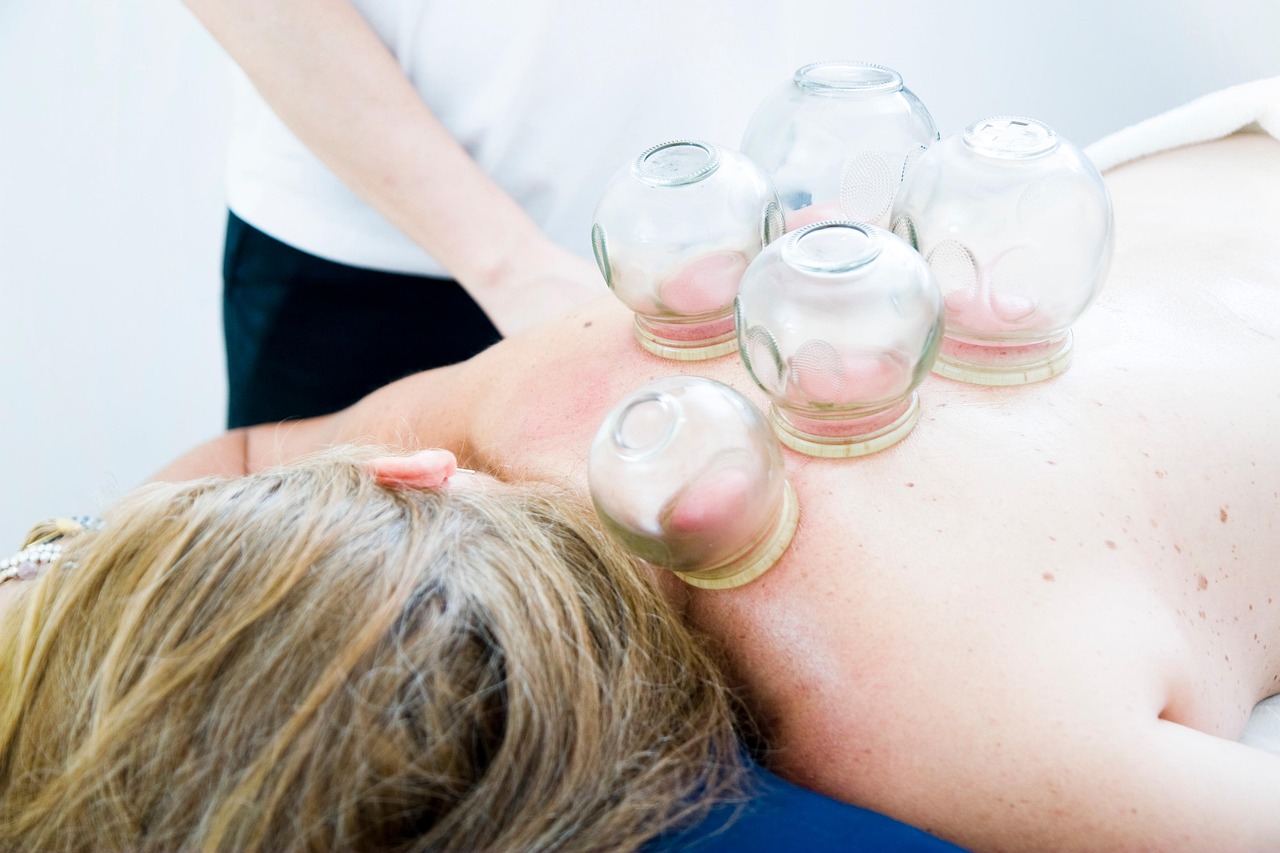
Based on photos online, many assume cupping therapy is only designed to help the upper back and neck region. In reality, it can also provide relief for those who experience lower back pain.
Read on to learn more about lower back pain and how cupping might be the right recovery option to minimize your symptoms, encourage faster healing, and help you promptly get back to your normal routine.
Causes of Lower Back Pain
The cause of one person's lower back pain may differ significantly from another person's, with some causes being more severe than others.
Lower back pain may be caused by minor, everyday circumstances such as poor posture, prolonged sitting, mental stress, or lack of physical activity.
In other situations, lower back pain may be triggered by a health-related circumstance. This may include a herniated disc, arthritis, or degenerative disc disease, for instance.
Either way, the cause of a person's lower back pain can only be diagnosed by a licensed medical professional.
Negative Impacts of Lower Back Pain
Any type of back pain can be detrimental. However, lower back pain can be particularly burdensome due to its central location.
Lower back pain can impact one's ability to sit, walk, stand, get up, lie down, twist, or bend. Pain and tension in this area can make movement in general difficult, even basic movements like repositioning yourself in bed or crossing your leg.
Due to its inconvenient location, lower back pain may also spread to other nearby parts of the body, such as the hips. This is because excess stress gets placed on other areas of the body to compensate for the lower back's functional impairment.
Between difficulty engaging in movement and triggering pain in other parts of the body, lower back pain can be brutal. Failure to acknowledge it promptly can lead to worsening symptoms and a slower healing process overall.
How Cupping Therapy May Help
While some forms of lower back tension and pain may necessitate treatment from a doctor, wellness services like cupping therapy may be used to help improve symptoms.
Cupping is essentially like a reverse massage, applying negative pressure rather than downward pressure. By using special cups firmly suctioned onto the back, cupping therapy can alleviate pain and tension by loosening tense tissues, boosting blood circulation, and enhancing fluid movement in the body.
Cupping therapy clients often report lessened pain, improved mobility, and reduced tightness in their back after a session.
Those who experience regular back tension and aches can benefit from receiving recurring cupping therapy sessions. Others may only book a session as needed, such as during injury recovery or after a tough workout.
Scheduling a Cupping Session
Whether you're waiting for an upcoming doctor's appointment or for conventional treatment to kick in—or want relief for non-medical-related back pain—your cupping session with Recovery Lab is just a quick booking away.
Call Recovery Lab today to arrange your first visit with us!