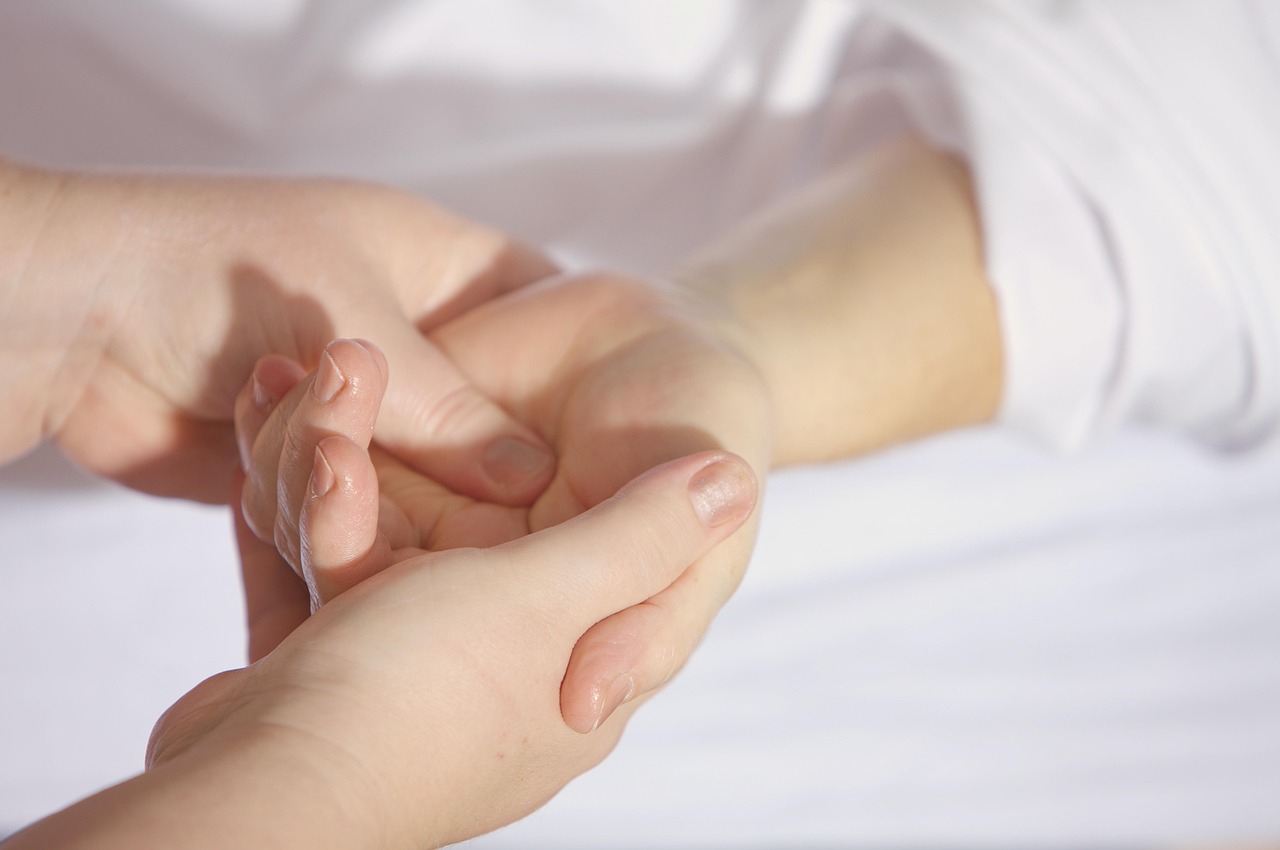
With joint pain, many movements can become not just uncomfortable but increasingly painful. It can also lead to stiffness, physical instability or weakness, and generally make engaging in simple daily tasks more challenging.
Although joint issues are commonly expressed among the senior population, anyone can be prone to temporary or long-term joint problems. This includes those with very active or exceptionally inactive lifestyles, people whose jobs require demanding labor, or those with certain medical conditions.
If stiff, achy joints are something you’re currently experiencing, mobility stretching at Recovery Lab of Rancho Cucamonga could be a practical solution to bring you relief.
Here’s how mobility stretching can soothe joint-related symptoms:
Warms Up the Surrounding Joint Area
Before engaging in exercise, you might have heard it’s a good idea to partake in a warm-up activity. Warm-ups aren’t just for fun. Warming up the muscles and other tissues in the body is crucial to help the body transition from stillness to increased activity.
Mobility stretching is, in a way, like a warm-up activity. Through gentle, guided movements, mobility stretching can help warm up the area around the joints.
The result of increased warmth surrounding the joints is often smoother movement and decreased pain. This gradual warmth helps enhance blood flow to the area, temporarily improves range of motion, and generally improves physical comfort to make movement less uncomfortable.
Helps Lubrication
Healthy joints are lubricated with what is called synovial fluid. This naturally occurring fluid helps encourage smooth mobility, keeps the cartilage nourished, and reduces friction as the joints move.
When you’re suffering from joint stiffness or feel like your joints aren’t properly lubricated, mobility stretching can help ensure the natural lubrication in your joints is properly distributed.
Healthy fluid circulation in the joints can promote easier movement while reducing the dreaded sensation of stiffness.
Eases Tight Tissue
Sometimes the surrounding tissues, like muscles and tendons, can play a role in joint sensation and mobility. When these nearby tissues are tense, they often create joint discomfort, reduced flexibility, and extra strain.
By encouraging movement, mobility stretching can reduce nearby muscle and tendon tension. In turn, this can take excess pressure off the joints and reduce pain or any perceived stiffness in the region.
Stimulates the Nervous System
The nervous system plays a crucial role in not just how we feel on a mental level but also how we function physically.
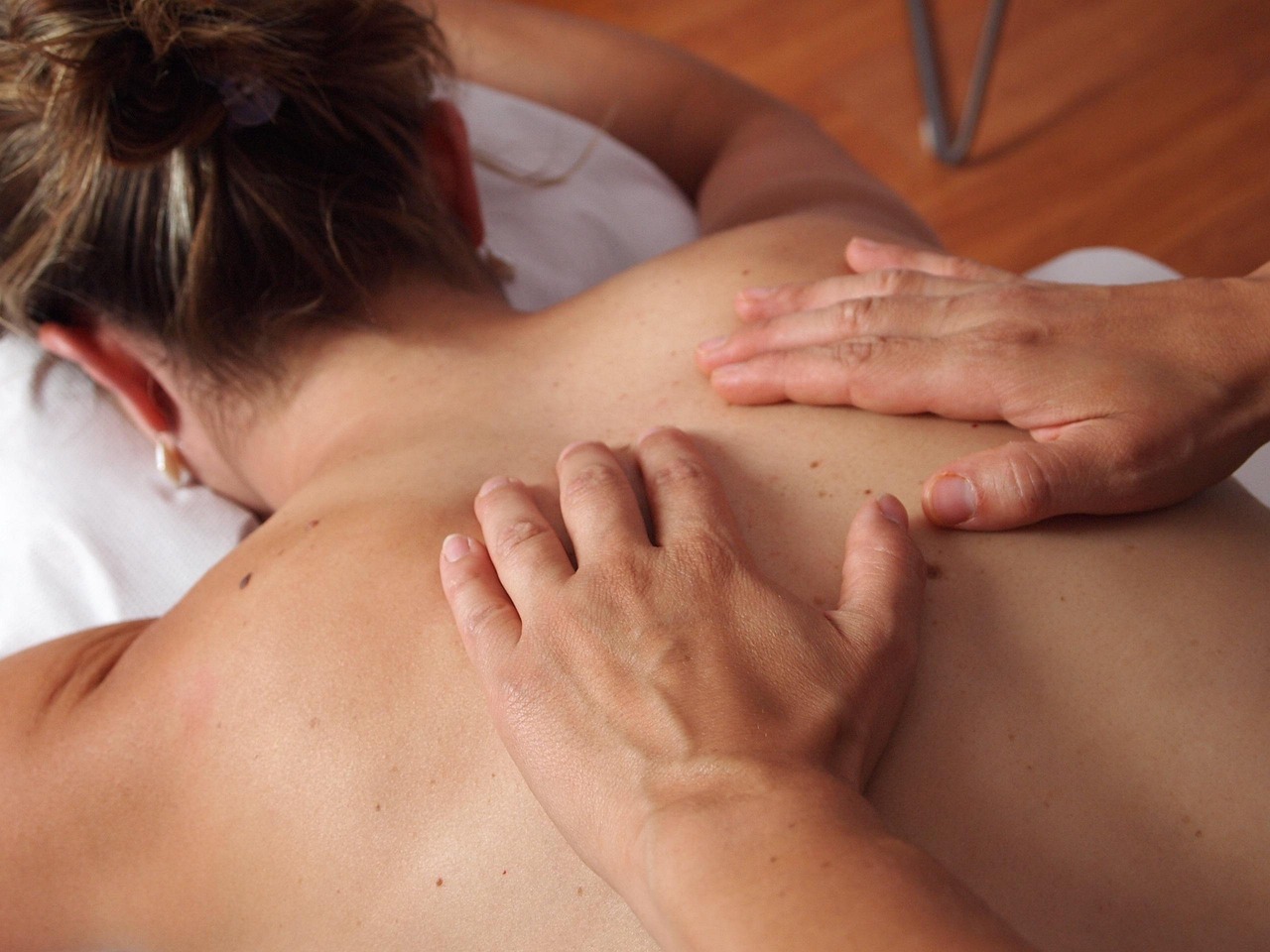
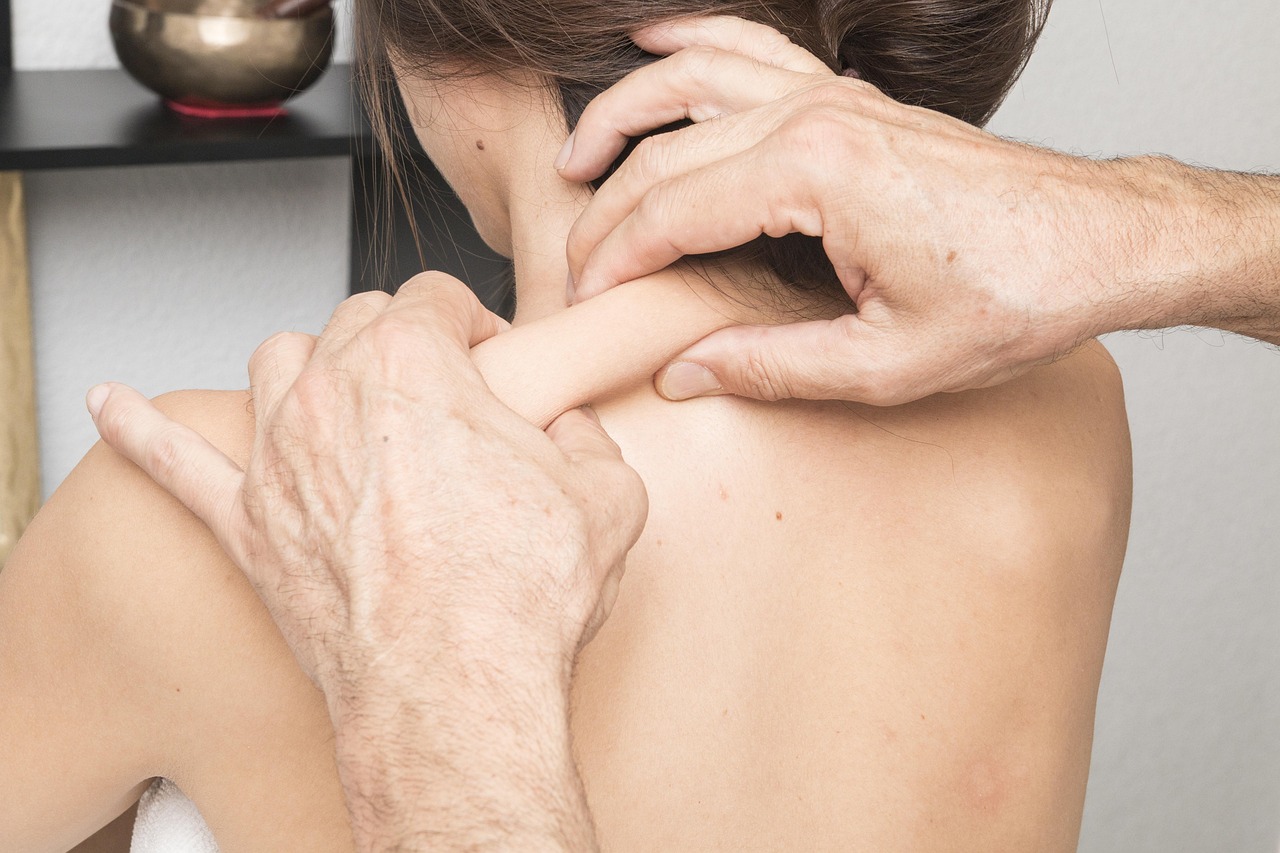
The movement and touch involved in a guided mobility stretching session stimulate sensory receptors in various tissues, like your muscles and tendons. In turn, this can encourage better communication between your tissues/joints and your brain.
The communication occurring through this nervous system stimulation can eventually encourage better joint control, reduced tension around the joints, and better stability.
Joint pain can be difficult to manage on your own. With extra rest often not being sufficient to help you quickly manage joint soreness and stiffness, mobility stretching is typically a reliable solution to improve recovery.
Ready to give your joints some relief through mobility stretching therapy? Contact Recovery Lab today to get a session booked at our Rancho Cucamonga facility.