SYNOPSIS: Cast vs. Calendared Vinyl – an Explanation for the Rest of Us
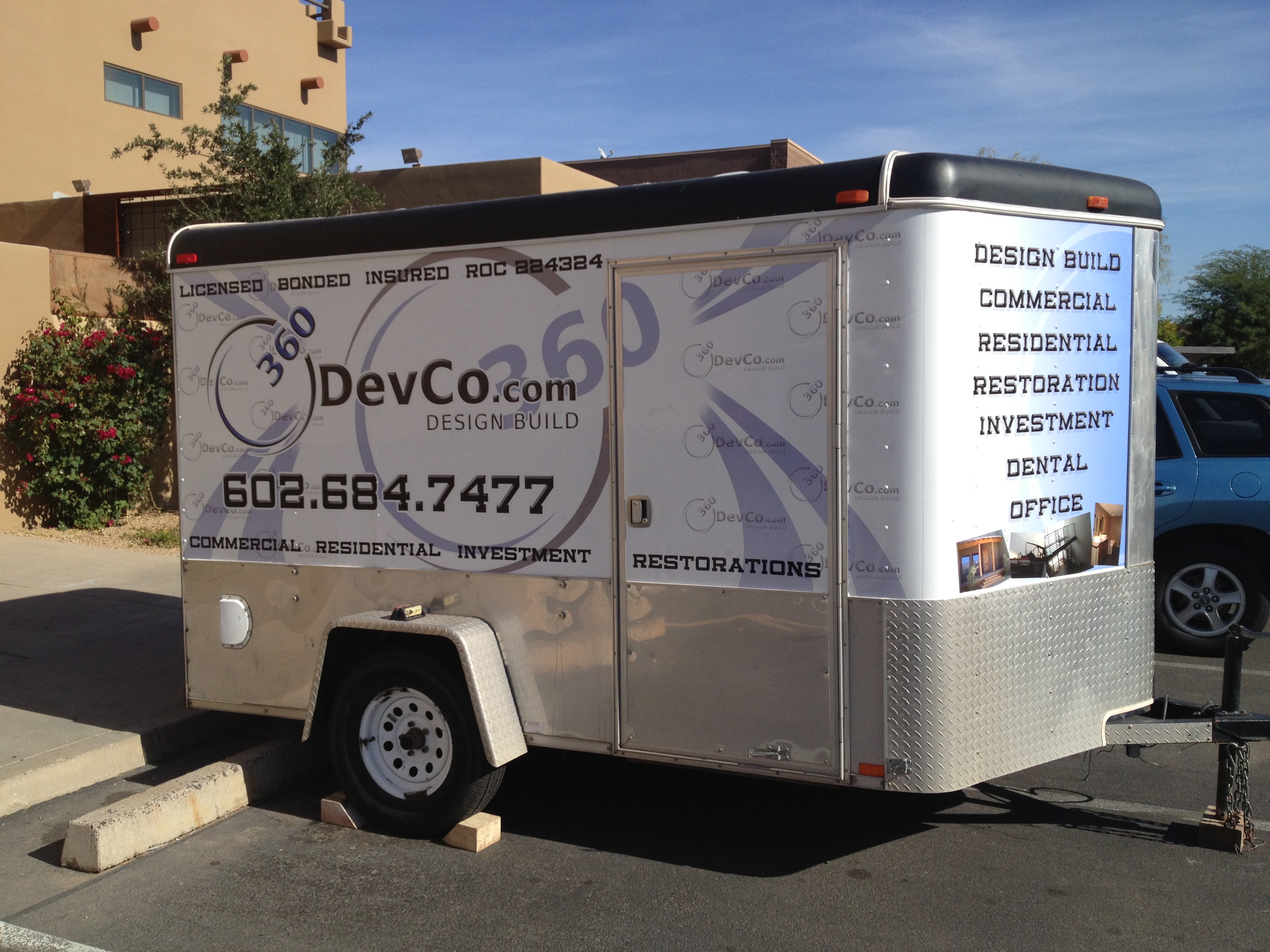
Let’s say you’re looking to promote your business in the Phoenix area and you want to put some advertising on your vehicles. The good news is you have many options to fit into your inte
Cast vs. calendared vinyl: which fits your budget?
BY: Mike Zunino, Blue Chip Signworks
Cast vs. Calendared Vinyl – an Explanation for the Rest of Us
Let’s say you’re looking to promote your business in the Phoenix area and you want to put some advertising on your vehicles. The good news is you have many options to fit into your intended message and budget -- full message design vs. a less elaborate message; full wrap vs. partial wrap vs. print-cut vs. cut colored vinyl; gloss material vs. matte – or a combination; window coverage or no coverage; if coverage, visibility through the windows required or not; graphics on the hood and/or roof or not – you get the idea. The choices can seem overwhelming and a good sign company will help guide you through the design decision process.
In Phoenix, if the vehicle advertising is to last more than a few months, one decision is made for you – the decision on whether to use cast or calendared vinyl. The sun in Phoenix is one of the reasons we live here, but it is brutal on vinyl. In fact if you read the vinyl warrantees supplied by manufacturers, the outdoor warrantee periods range from 3 to 7 or more years depending on the vinyl and whether it is printed. The fine print however excludes the Desert Southwest where Phoenix is centrally located. It is not the heat so much as the constant UV ray bombardment that makes cast the only viable option. Unfortunately, using premium cast vinyl and UV laminate does impact the price of the installation.
So the question arises: What is the difference between cast and calendared or another way to phrase it, the difference between premium and intermediate or short-term vinyl. And why does cast last longer and cost more? Why not use less expensive vinyl in outdoor installations in Phoenix?
Let’s start with the first question – what is the difference. The main difference is in the manufacturing process. Both vinyls use very similar ingredients and start off similarly. Each has a PVC base and added ingredients for flexibility, UV performance, and other performance factors. The ingredient used for flexibility is called the plasticizer and the one used in cast vinyl (along with the other ingredients) is of higher quality and is more expensive. The plasticizer is critical to the cast manufacturing process as the vinyl needs to be very flexible. The vinyl is mixed to a liquid state and is then precisely measured or “cast” onto a moving sheet. The sheet is processed through several ovens and the finished film is turned into large diameter rolls for finishing. The key is that the film is not stretched during manufacture and is very thin.
Calendared vinyl starts its process in a less liquid state and it is extruded into a flat film – think of rolling a blob of dough into a pie crust. The resulting film is less thin than cast and it has been stretched during the manufacture. It has a material “memory”.
So what does all this mean to the consumer? In Phoenix, the biggest advantage is the extra flexibility of cast vinyl. Since it is not stretched in manufacture, shrinkage is less than calendared in extreme temperature situations. Durability is greater for the same reason along with the use better quality ingredients. Cast vinyl is also more conformable which allows it to stay where it is installed in extreme conditions.
The primary disadvantage for calendared vinyl in the Desert Southwest is its inherent material memory and the resulting tendency to shrink in extreme temperatures. The other big factor is the use of lesser quality ingredients and their reduced ability to deal with the temperature and UV-ray extremes. Calendared vinyl processing has come a long way in the last few years and higher quality calendared films are used for some outdoor applications in other parts of the country, but in Phoenix, it is risky for longer term use.
Designs Phoenix uses cast vinyl exclusively for vehicle graphics and for outdoor window/sign graphics where longevity is a requirement. As previously mentioned, the warrantee period for even cast vinyls is significantly shorter in Arizona, but with cast you have a good chance of getting three to four years of life out of the graphics. If you get a quotes from different sign companies and one is significantly less, be sure to enquire about the vinyl used in that quote. Or better yet, consult with the experts at Designs Phoenix for a good quote comparison.
“Best Sign Company in Phoenix, AZ”
Top Rated Local Custom Sign Shop / Store / Business / Company
Phoenix, AZ - Optimize Vehicle Graphics Design by choosing a Primary Strategy; high visibility while driving or high neighborhood draw while parked, t…
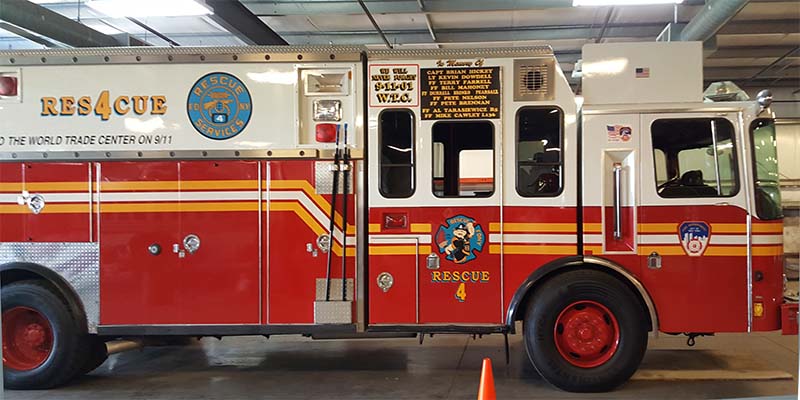
When the Hall of Flame Firefighting Museum acquired FDNY Rescue 4, the truck and its graphics needed a lot of work. The museum selected Blue Chip Sign…
If you are refurbishing or renovating an office area, or you are setting up office functions in a new space, consider the office signage upfront in th…
“Best Sign Company in Phoenix, AZ”
Top Rated Local Custom Sign Shop / Store / Business / Company
Phoenix, Glendale, Tempe, Scottsdale, Mesa, AZ
CityScoop is the top ranked local business news network in the United States. Established in 2008, CityScoop has been providing local communities with high quality news about local businesses and their most recent projects.
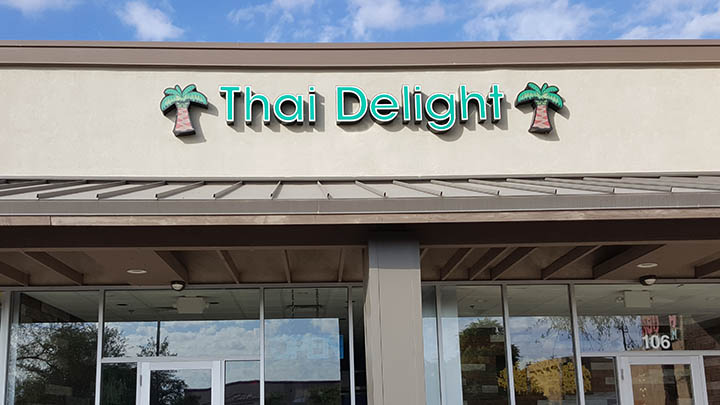
Thai Delight is a great new authentic Thai Food Restaurant that recently opened in Ahwatukee, Phoenix, AZ. Wh…
ABOUT THE AUTHOR
BIO: Sign Company in our 10th year serving you. We believe high quality signage is an investment that should make you money over time. Your brand is your identity and we'd like to help you strengthen it with the right messaging and imaging.