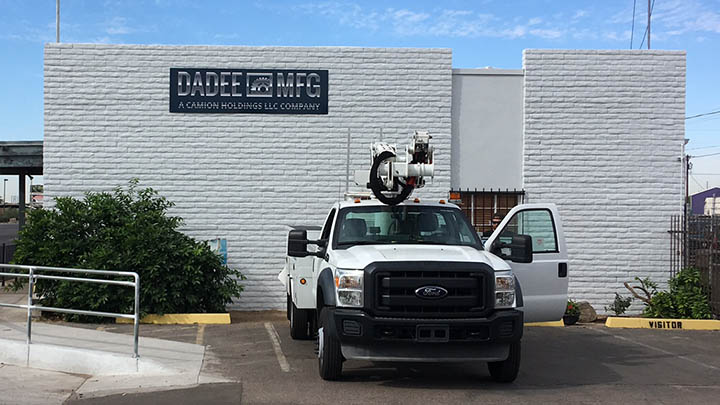
In Phoenix, Vehicle graphics have become an essential marketing tool for many service-based businesses. In a sense, turning trucks into mobile billboards. But not all vehicle graphic strategies are created equal. Depending on a company’s goals, the design approach can significantly affect how—and where—the advertising works best. Two primary strategies stand out: one optimized for visibility while driving, and another tailored to attract attention while parked during jobs in residential neighborhoods. Here’s how these approaches differ and which type of business each best serves.
High-Visibility, On-the-Move Advertising
For businesses that want to be noticed on the road, such as those operating across wide service areas or along busy streets and highways, the design should emphasize bold, readable elements that grab attention quickly. These trucks are often in motion, and passersby have only a few seconds to absorb information.
Key features of this approach include:
- Large, high-contrast logos and contact details: Visibility at a distance is crucial, so designers use oversized text, bold colors, and clean fonts.
- Simple, punchy messages: Taglines like “24/7 Plumbing” or “Fast, Reliable HVAC” are more effective than detailed descriptions.
- Bright or eye-catching color schemes: Yellows, reds, and other high-visibility colors help the truck stand out in traffic.
- Consistent branding: A clear brand identity ensures that people remember the company after seeing the truck repeatedly on the road.
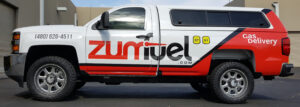
This approach is ideal for companies that rely on broad brand awareness, such as franchise services or those who serve commercial clients and travel long distances daily. The goal is to plant a seed of recognition across a wide geographic area, increasing the chances of getting calls from anyone who sees the truck.
Neighborhood-Focused, Park-and-Attract Design
In contrast, businesses aiming to build a dense cluster of clients within specific neighborhoods—like lawn care, pest control, or house cleaning services—benefit more from designs optimized for when the vehicle is parked. Here, the truck becomes a silent salesperson stationed at the heart of a potential customer base.
Key features of this approach include:
- More detailed service information: Homeowners have time to read while walking or driving slowly past the vehicle, so including lists of services, certifications, or special offers is effective.
- Friendly, approachable imagery: Smiling faces, illustrated mascots, or images of well-maintained properties help instill trust.
- Local contact details: Emphasizing a local number or “Serving [Neighborhood Name]” fosters community connection.
- Calls to action: Statements like “Ask Your Neighbor About Us!” or “We’re Working on This Home Today!” invite curiosity and peer endorsement.
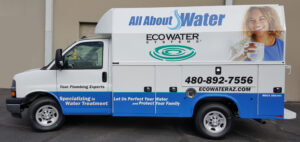
This strategy works especially well for companies that benefit from word-of-mouth referrals and want to reduce unpaid travel by clustering clients in tight geographic zones. A well-designed parked truck can generate multiple leads from a single jobsite.
The Bottom Line
In summary, both vehicle graphic strategies offer strong returns—but their effectiveness hinges on aligning design with business goals. For visibility across large areas, go bold and simple. For building neighborhood dominance, aim for trust and detail. Choosing the right approach ensures your truck isn’t just a means of transport—it’s your most visible and efficient marketing tool.