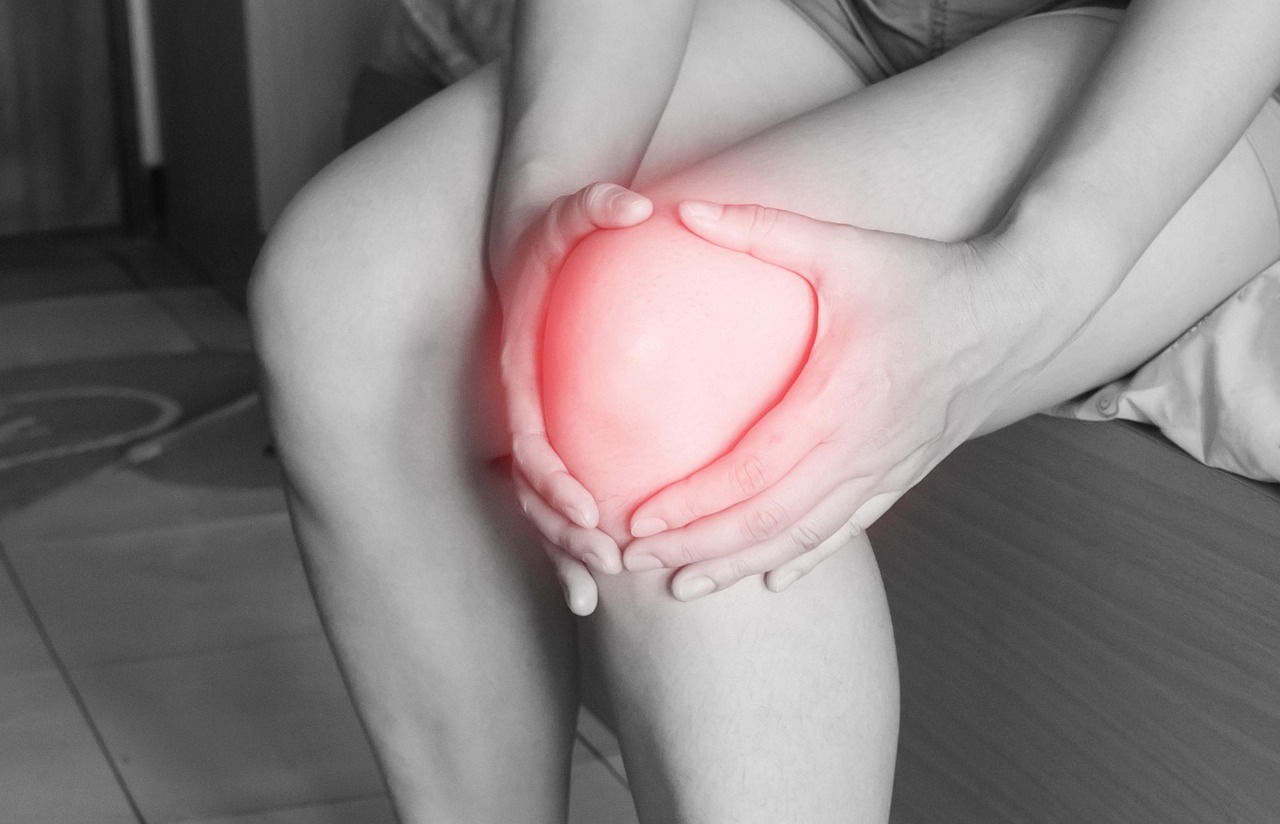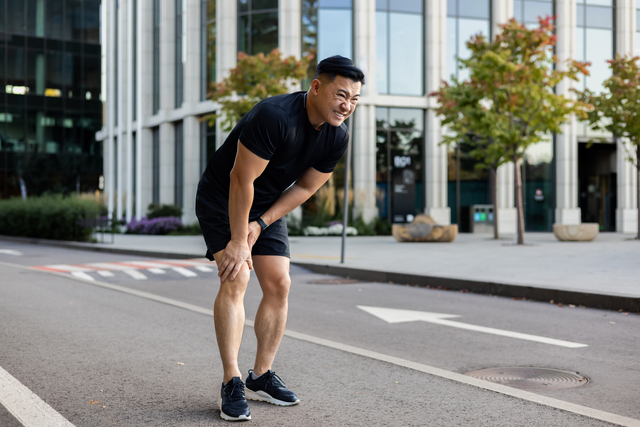
Knee pain has a way of showing up in ordinary moments. Some people come in after a twist during pickleball or a hard landing at the gym. Some wake up one day and realize the pain has been building for months. The start is not always dramatic. A lot of knee problems begin with small changes that keep getting ignored.
What We Often Find During an Exam
The knee does a lot of work. It takes force every time you walk, turn, sit, stand, or climb. That workload can irritate the joint in a few different ways. Pain near the kneecap can point to tendon irritation or tracking issues. Pain along the inner or outer side may indicate a strained supporting tissue. Swelling, stiffness, catching, or a weak feeling can add more clues.
We do not just look at the knee in isolation. The hip, ankle, foot, and core can all change how stress moves through the joint. A weak hip can shift extra load into the knee. A stiff ankle can change the way you squat, walk, or land.
That is why the first visit matters. We look at how you move. We look at what hurts. We look at what your body is doing to work around the problem.
What a Visit Usually Includes
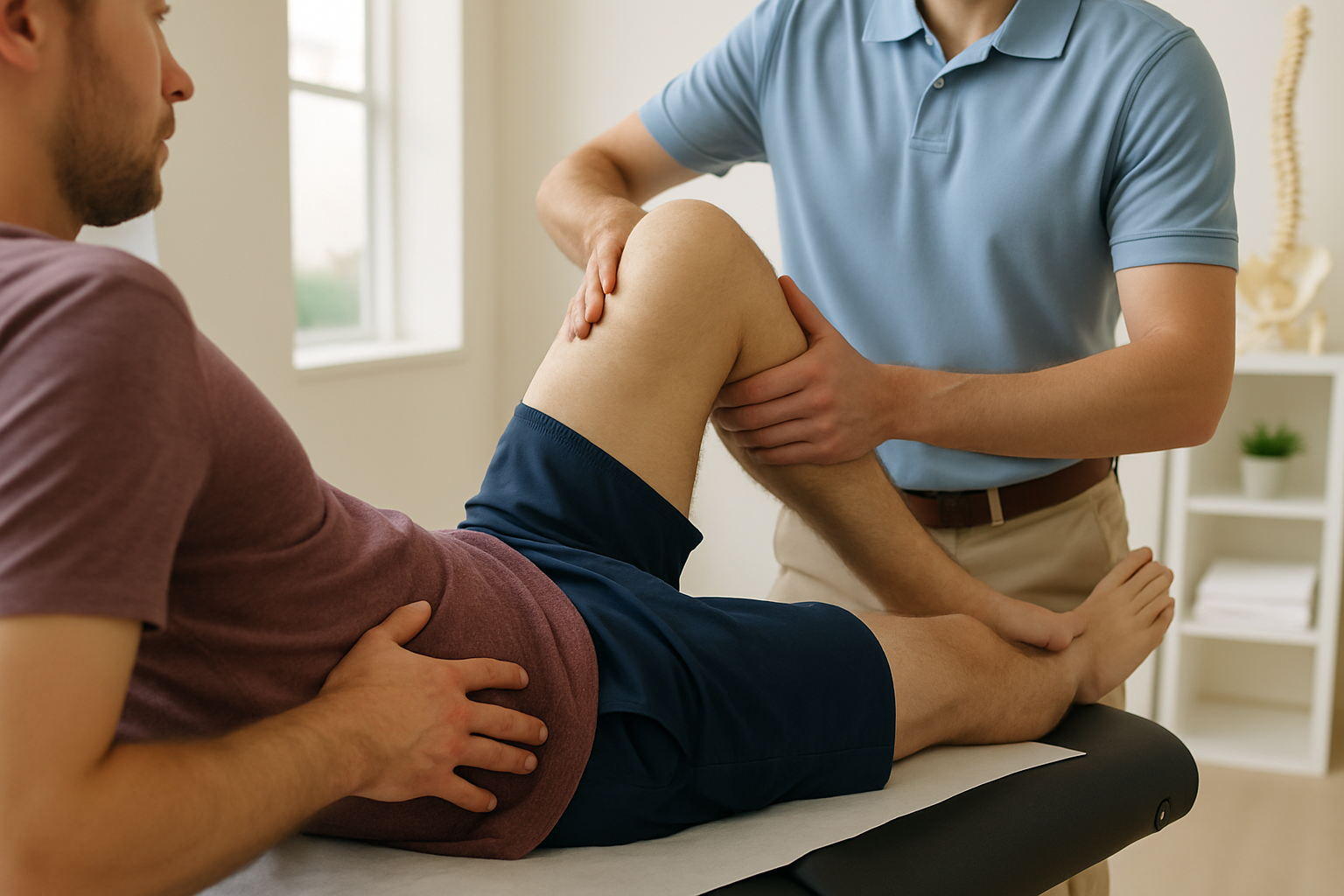
A sports medicine exam should feel practical. We want to see what your knee does in real movement, not just on the table. During your visit, we may check:
- Range of motion
- Swelling and tenderness
- Strength in the leg and hip
- Balance and control
- Walking pattern
- Squat form
- Movements that trigger pain at work, in exercise, or at home
This helps us separate one problem from another. A person with pain after hiking needs a different plan than a person whose knee aches after sitting too long. A runner with downhill pain needs something different from a patient who feels pain every time they stand from a chair.
That difference matters. Good care starts with a clear reason for the pain, not a generic exercise sheet.
Non-Surgical Care That Can Help
At Modern Medicine of Phoenix, AZ, sports medicine care for knee pain often includes physical therapy, guided exercise, hands-on treatment, and movement retraining. Each part of the plan serves a purpose. One part calms things down. One part builds support. One part helps you return to the activities that matter to you.
Treatment may include:
- Soft tissue work for tight areas
- Strength training for the quads and glutes
- Balance drills
- Step and landing work
- Movement practice for stairs, squats, runs, or sports activity
Some patients want to return to tennis, golf, or gym training. Some want to get through a workday with less pain. Some just want to walk the dog without thinking about every step. Those goals shape the plan.
Let’s Help You Move With More Confidence
If knee pain has started to change the way you move, our team at Modern Medicine of Phoenix, AZ, is ready to help. We offer sports medicine care built around real exams, targeted treatment, and clear next steps. Schedule a visit with Modern Medicine of Phoenix and get a plan for knee pain that does not start with surgery.