Interactive Training Adds More Realism
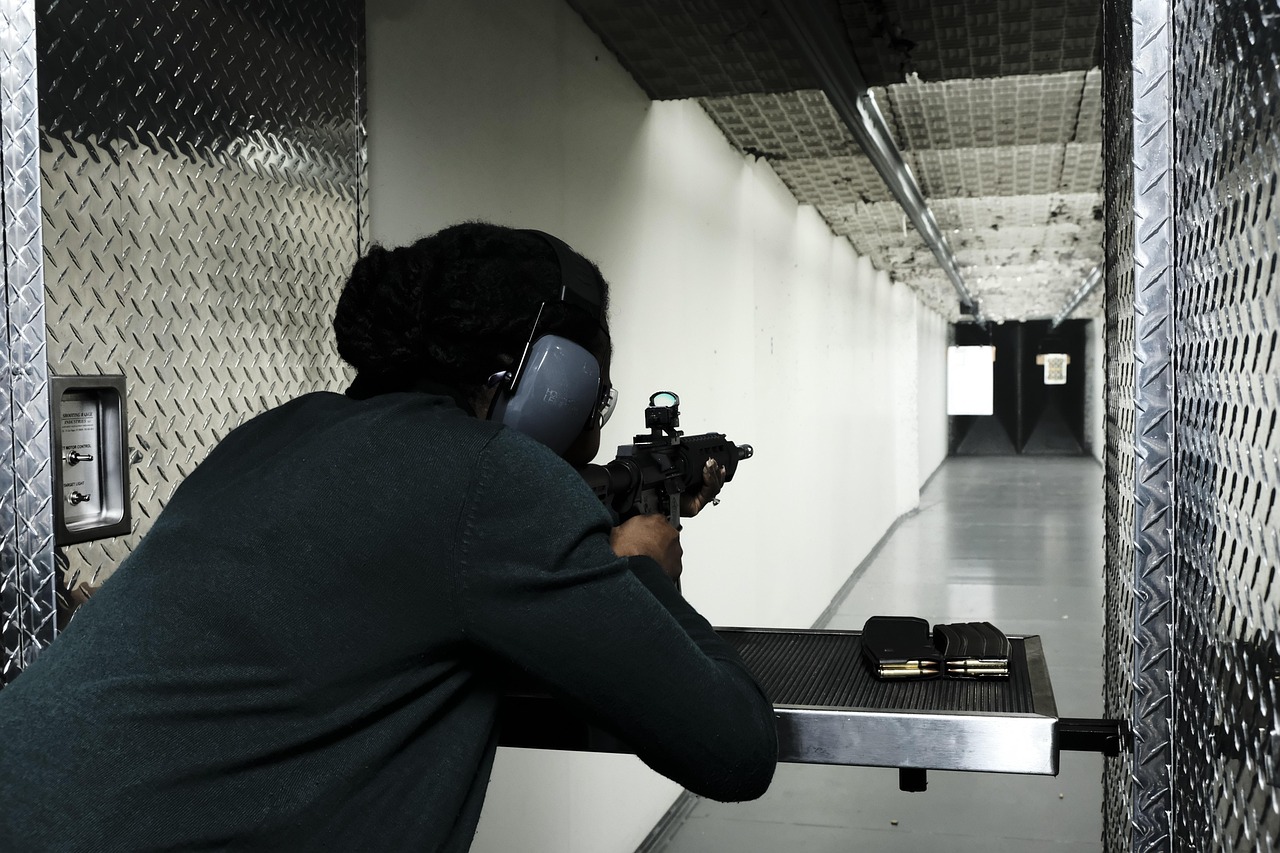
A traditional shooting lane is a good option for learning the basics, but interactive ranges give shooters more dynamic ways to practice real-world decision making. For those already comfortable with safe firearm handling, the next step is learning to apply those skills in more realistic scenarios.
At C2 Tactical, we help Surprise-area shooters move past basic target practice and into training focused on awareness, judgment, and confidence. Scenario-based training gives shooters more chances to think through situations instead of focusing on hitting stationary targets.
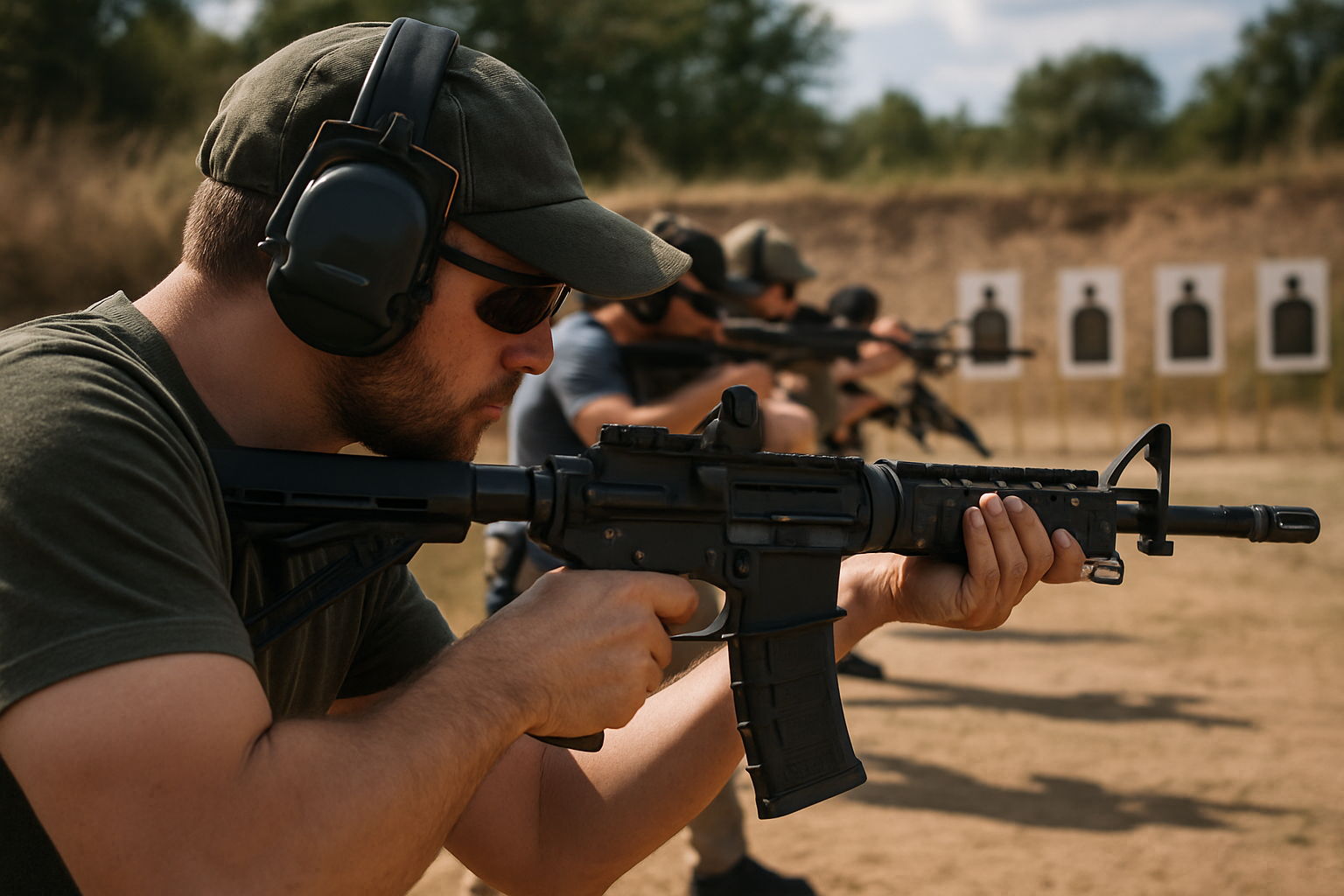
This isn’t to say standard range practice is not important. Basic marksmanship, grip, stance, and trigger control still matter. The difference is an interactive range adds another layer by making the shooter respond to changing information.
Scenario-Based Training Builds Better Decisions
In real defensive situations, accuracy alone is not the only skill involved. A person may need to identify what is happening, decide whether a threat exists, and understand how to respond without rushing into a bad decision.
Interactive ranges help train this part of the process. These systems can place shooters in different scenarios where they need to react, pause, or make a decision based on what they see. This gives students a better chance to practice judgment in a safe and controlled environment.
For Surprise residents interested in personal defense, this kind of training is valuable because it connects firearm skills with decision making. It is one thing to shoot well at paper targets. It is another thing to stay calm and think clearly when a situation is changing.
Feedback Helps Shooters Improve
One of the biggest advantages of interactive training is feedback. In a standard lane, shooters may only see where their shots landed. In an interactive setting, there are more ways to evaluate performance, including timing, reaction, accuracy, and decision making.
This feedback makes training more useful. A shooter can repeat a scenario, correct mistakes, and try again with a better plan. This helps build confidence without creating unnecessary risk.
Interactive training is also useful for people who may not be ready for more advanced live-fire work. Newer shooters can practice with structure, while experienced shooters can work on specific weak spots.
Live Fire and Interactive Training Work Together
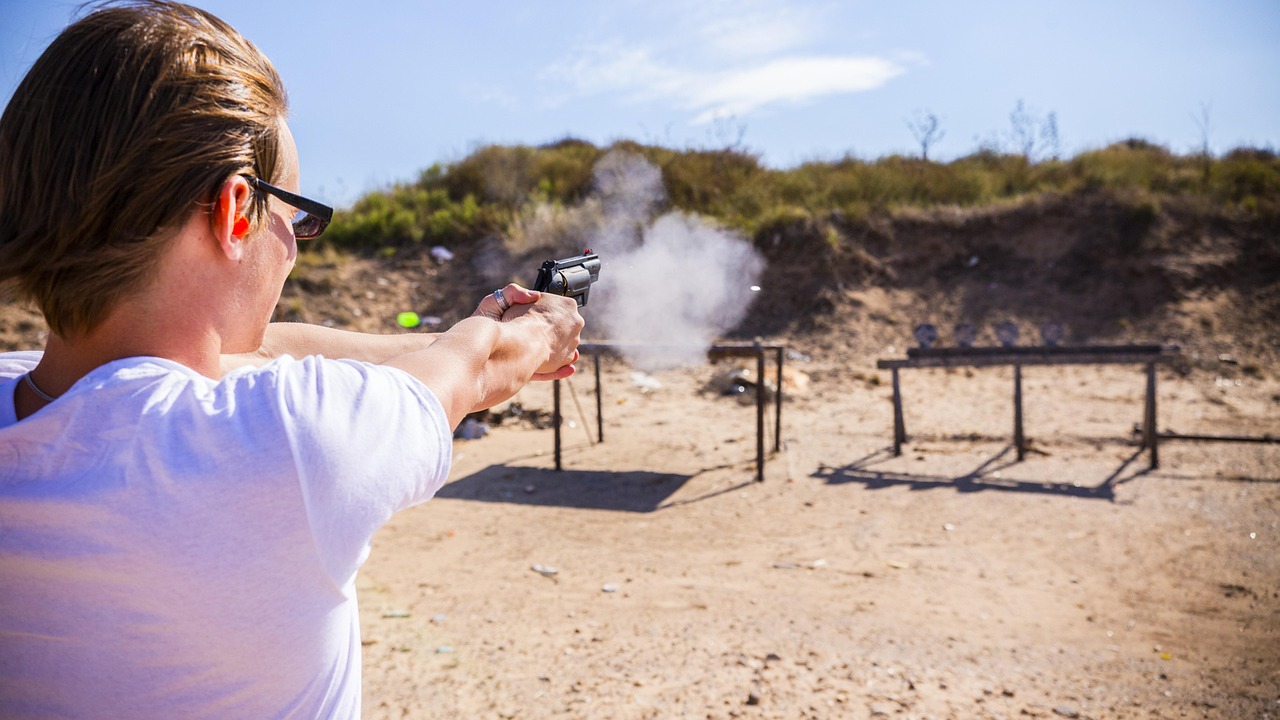
Interactive ranges do not replace live-fire practice. They work best when combined with regular range time. Live fire helps shooters understand recoil, grip pressure, and real firearm control. Interactive training helps them practice awareness, decision making, and response in a safe setting.
Together, both options create a more complete training experience. At C2 Tactical, we believe responsible firearm training takes time, repetition, and the right environment. If you are in Surprise and want to build stronger scenario-based skills, we will help you find training suited to your comfort level and experience.