 Defensive shooting isn’t about speed or aggression. It’s about control, awareness, and the ability to apply fundamentals under pressure. For responsible firearm owners in Phoenix, exploring defensive techniques means developing consistent mechanics while reinforcing sound judgment and strict safety standards.
At C2 Tactical of Phoenix, defensive training builds progressively. Shooters start with strong fundamentals, then build on them through structured drills and guided instruction.
Reinforcing Core Fundamentals
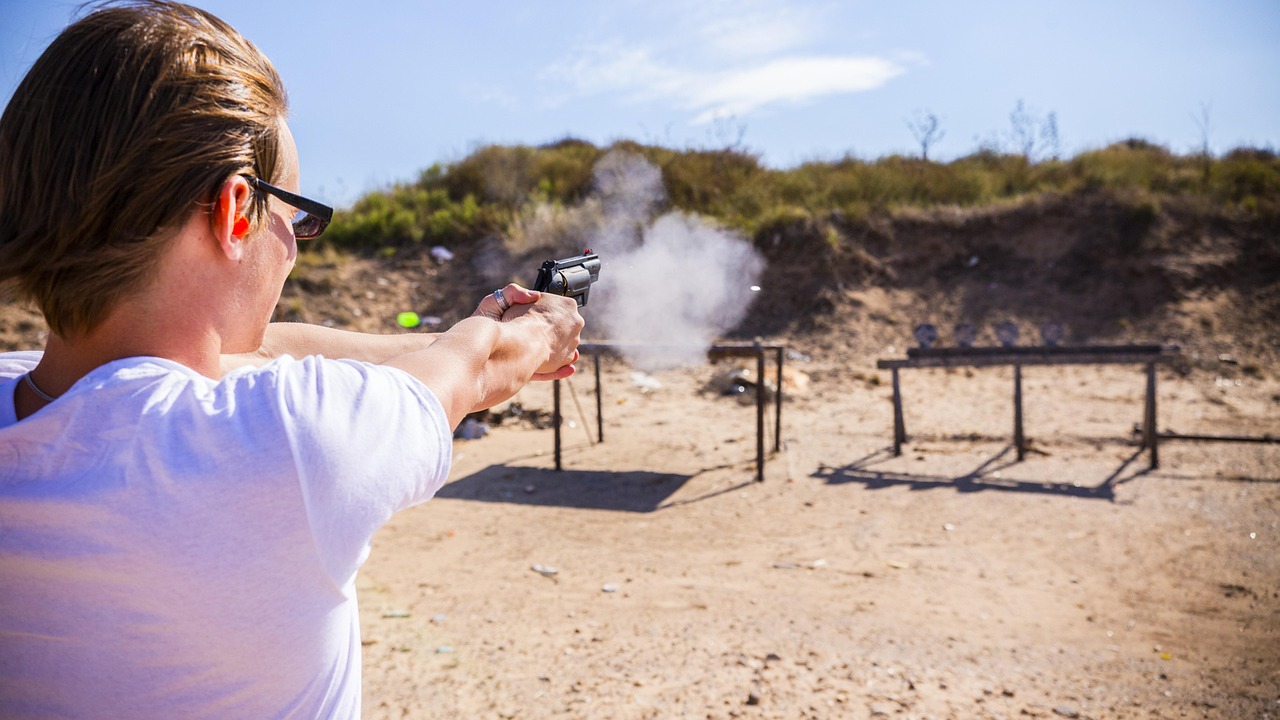
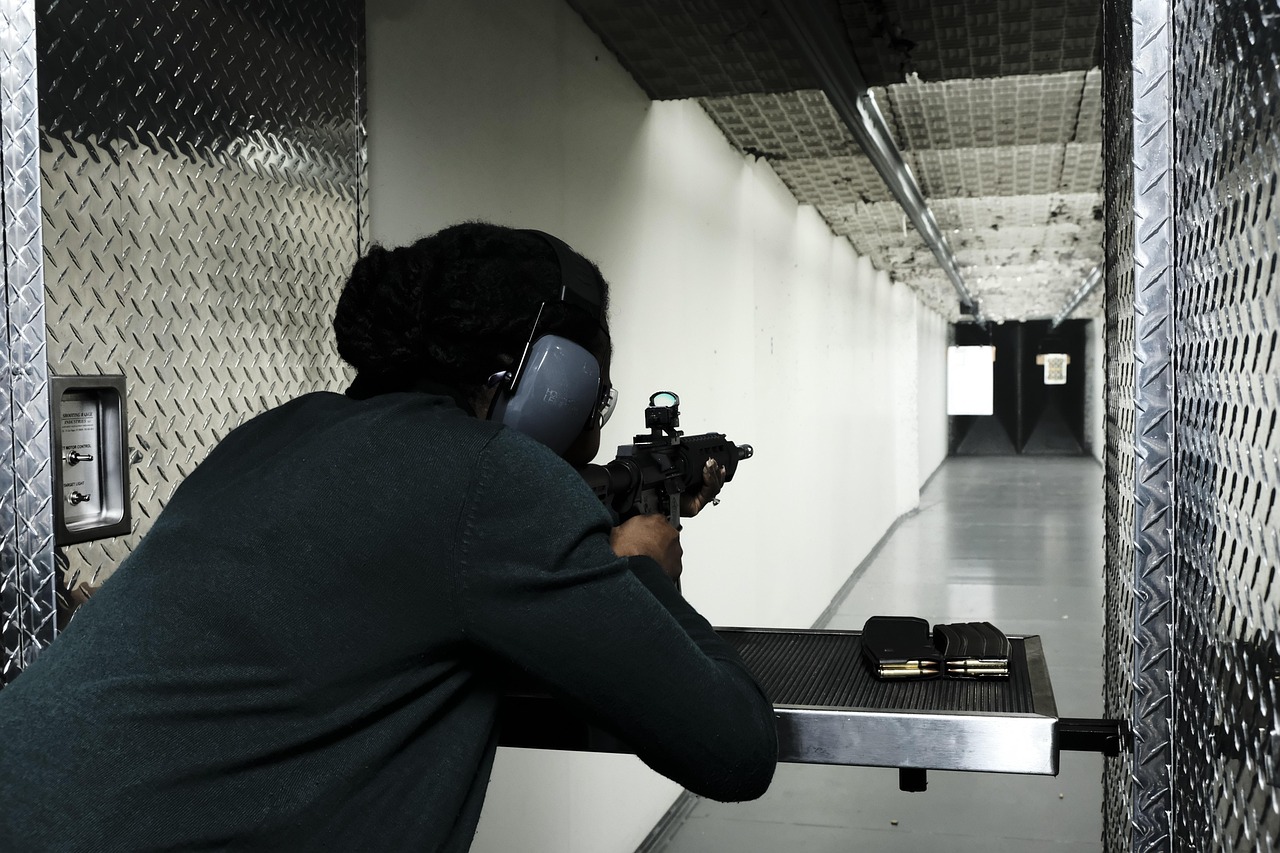
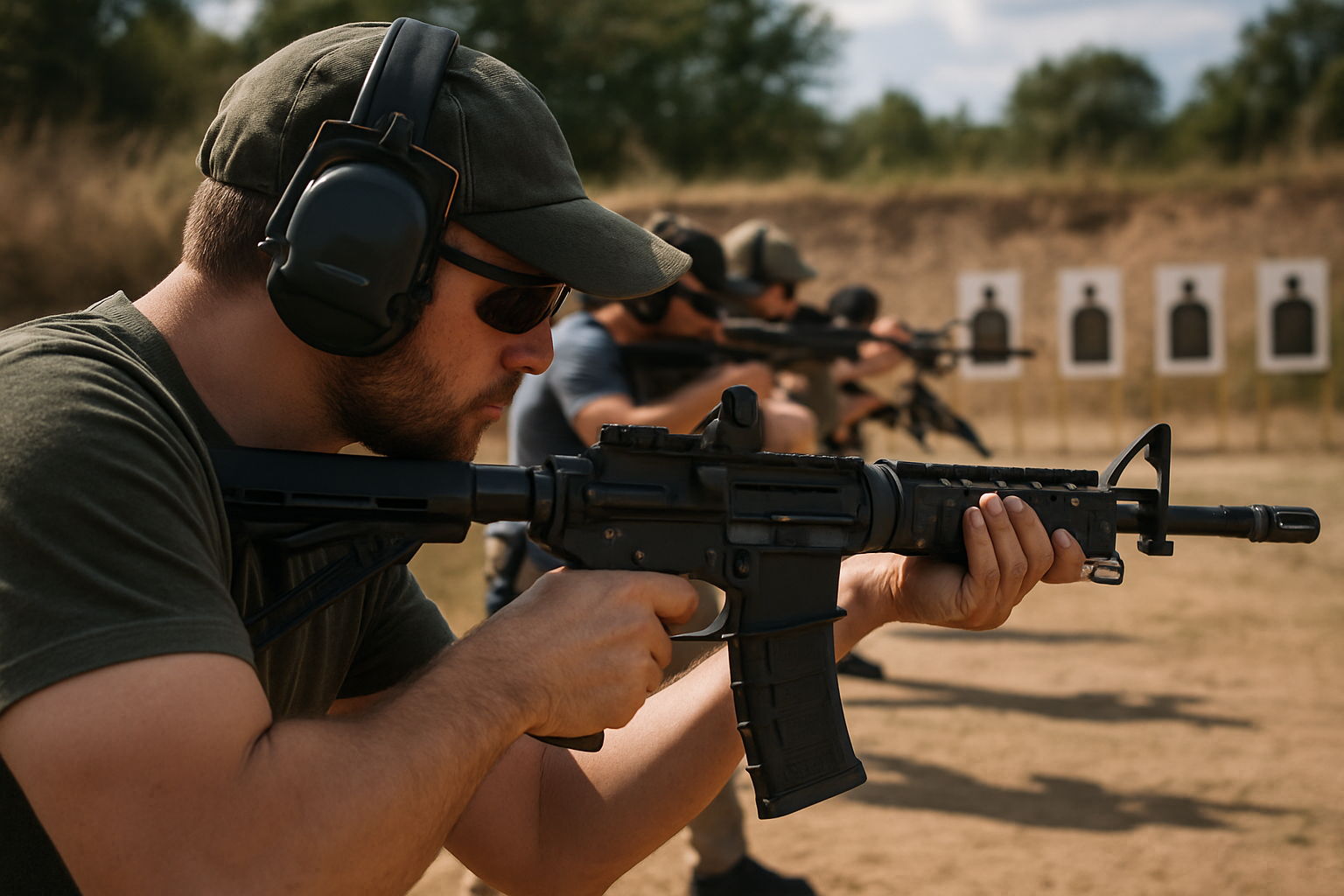
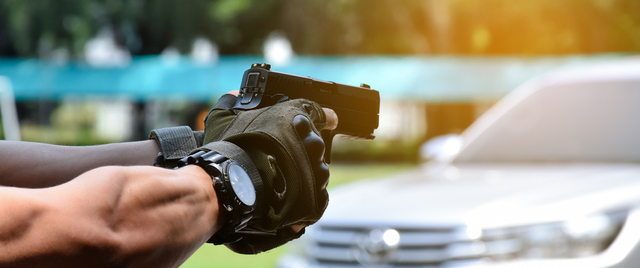
Every defensive skill begins with fundamentals. Stable stance, firm grip, proper sight alignment, and smooth trigger press remain the foundation. Without consistency in these areas, adding movement or speed only magnifies errors.
Instructors focus on refining recoil control and follow-through so that shooters maintain accuracy during controlled pairs and follow-up shots. Tight groups at close distance are the starting point before progressing further.
Controlled Target Transitions
Real-world defensive scenarios rarely involve a single static target. Structured drills introduce multiple targets placed at varying distances. Shooters learn to drive their eyes first, then move the firearm deliberately between targets.
This technique improves efficiency while reinforcing muzzle discipline and safe firearm orientation at all times. Transitions are smooth and controlled—not rushed.
Managing Pace Under Light Pressure
Adding a timed element introduces focus without compromising safety. Simple cadence drills help shooters maintain composure while increasing efficiency. The emphasis remains on accuracy first, then smooth execution.
Weekly match competitions provide an excellent opportunity to apply these skills in a safe, supervised setting. Mild competitive pressure encourages consistency while maintaining strict adherence to range rules.
Movement and Positional Awareness
Advanced defensive techniques may incorporate controlled lateral movement or positional changes. Shooters are trained to move first, stabilize, and then fire—never sacrificing balance or muzzle awareness.
Structured classes ensure these drills are introduced gradually and supervised closely. Movement without discipline creates risk; movement with instruction builds confidence.
Decision-making Through Simulator Training
Defensive preparation isn’t just physical—it’s mental. Simulator-only sessions allow shooters to practice judgment, verbal commands, and situational awareness without live fire. These exercises strengthen target identification skills and reinforce the importance of deliberate action.
Many Phoenix shooters combine simulator sessions with live-fire practice to build both mechanical precision and mental clarity.
Reloads and Equipment Management
Controlled reload drills improve efficiency while maintaining safe firearm handling. Shooters practice magazine changes methodically, focusing on technique before speed.
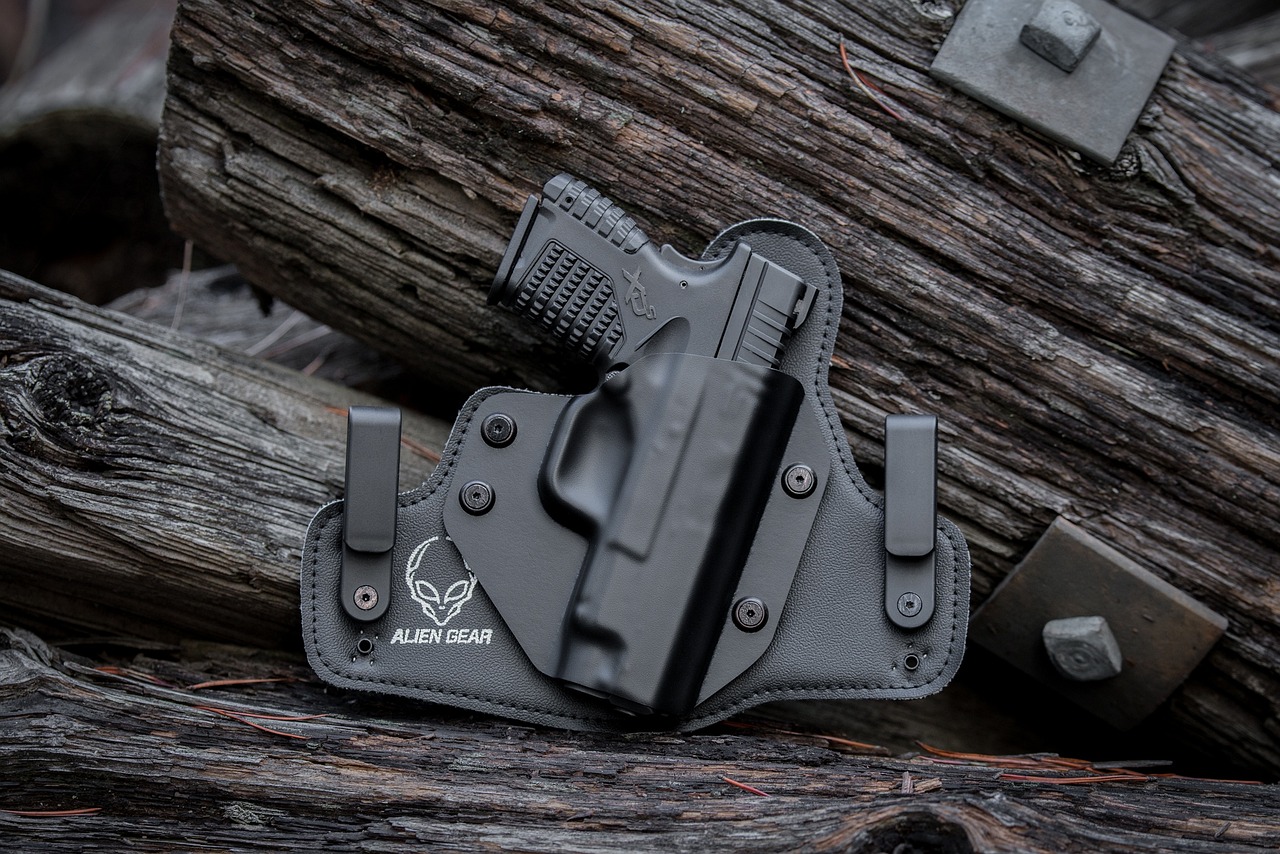
Private shooting lessons allow instructors to analyze grip transitions, holster discipline, and equipment setup for optimal safety and performance.
Situational Awareness and Discipline
Defensive shooting techniques always emphasize awareness. Scanning, assessing surroundings, and maintaining composure are essential habits. Training reinforces the principle that responsible firearm use requires discipline long before any shot is fired.
Private firearm consultations can help shooters create a structured training plan tailored to personal goals and experience level.
Consistency Builds Readiness
Regular practice keeps skills sharp. Membership options at C2 Tactical make ongoing training more accessible, encouraging shooters to revisit drills and refine technique consistently.
Improvement happens when practice is deliberate and structured—not occasional or reactive.
Taking the Next Step In Phoenix
Exploring defensive shooting techniques is about responsibility and preparation. It’s about developing the confidence that comes from disciplined repetition and professional guidance.
Review the course calendar at C2 Tactical of Phoenix and consider advanced handgun classes, simulator sessions, or private instruction. Pair structured drills with consistent range time to strengthen both precision and safety.
Real-world readiness isn’t created in a single session. It’s built over time through controlled training, strong fundamentals, and a commitment to safe firearm handling.
Defensive shooting isn’t about speed or aggression. It’s about control, awareness, and the ability to apply fundamentals under pressure. For responsible firearm owners in Phoenix, exploring defensive techniques means developing consistent mechanics while reinforcing sound judgment and strict safety standards.
At C2 Tactical of Phoenix, defensive training builds progressively. Shooters start with strong fundamentals, then build on them through structured drills and guided instruction.
Reinforcing Core Fundamentals
Every defensive skill begins with fundamentals. Stable stance, firm grip, proper sight alignment, and smooth trigger press remain the foundation. Without consistency in these areas, adding movement or speed only magnifies errors.
Instructors focus on refining recoil control and follow-through so that shooters maintain accuracy during controlled pairs and follow-up shots. Tight groups at close distance are the starting point before progressing further.
Controlled Target Transitions
Real-world defensive scenarios rarely involve a single static target. Structured drills introduce multiple targets placed at varying distances. Shooters learn to drive their eyes first, then move the firearm deliberately between targets.
This technique improves efficiency while reinforcing muzzle discipline and safe firearm orientation at all times. Transitions are smooth and controlled—not rushed.
Managing Pace Under Light Pressure
Adding a timed element introduces focus without compromising safety. Simple cadence drills help shooters maintain composure while increasing efficiency. The emphasis remains on accuracy first, then smooth execution.
Weekly match competitions provide an excellent opportunity to apply these skills in a safe, supervised setting. Mild competitive pressure encourages consistency while maintaining strict adherence to range rules.
Movement and Positional Awareness
Advanced defensive techniques may incorporate controlled lateral movement or positional changes. Shooters are trained to move first, stabilize, and then fire—never sacrificing balance or muzzle awareness.
Structured classes ensure these drills are introduced gradually and supervised closely. Movement without discipline creates risk; movement with instruction builds confidence.
Decision-making Through Simulator Training
Defensive preparation isn’t just physical—it’s mental. Simulator-only sessions allow shooters to practice judgment, verbal commands, and situational awareness without live fire. These exercises strengthen target identification skills and reinforce the importance of deliberate action.
Many Phoenix shooters combine simulator sessions with live-fire practice to build both mechanical precision and mental clarity.
Reloads and Equipment Management
Controlled reload drills improve efficiency while maintaining safe firearm handling. Shooters practice magazine changes methodically, focusing on technique before speed.
Private shooting lessons allow instructors to analyze grip transitions, holster discipline, and equipment setup for optimal safety and performance.
Situational Awareness and Discipline
Defensive shooting techniques always emphasize awareness. Scanning, assessing surroundings, and maintaining composure are essential habits. Training reinforces the principle that responsible firearm use requires discipline long before any shot is fired.
Private firearm consultations can help shooters create a structured training plan tailored to personal goals and experience level.
Consistency Builds Readiness
Regular practice keeps skills sharp. Membership options at C2 Tactical make ongoing training more accessible, encouraging shooters to revisit drills and refine technique consistently.
Improvement happens when practice is deliberate and structured—not occasional or reactive.
Taking the Next Step In Phoenix
Exploring defensive shooting techniques is about responsibility and preparation. It’s about developing the confidence that comes from disciplined repetition and professional guidance.
Review the course calendar at C2 Tactical of Phoenix and consider advanced handgun classes, simulator sessions, or private instruction. Pair structured drills with consistent range time to strengthen both precision and safety.
Real-world readiness isn’t created in a single session. It’s built over time through controlled training, strong fundamentals, and a commitment to safe firearm handling.
Phoenix, AZ – Exploring Defensive Shooting Techniques for Real World Scenarios
SYNOPSIS: Structured training at C2 Tactical of Phoenix helps shooters build their discipline, surroundings awareness, and practical defensive skills for safer real-world decision-making.
Building Skill and Awareness Beyond Marksmanship
BY: Vincent Vasquez, C2 Tactical of Phoenix, AZ
Defensive shooting isn’t about speed or aggression. It’s about control, awareness, and the ability to apply fundamentals under pressure. For responsible firearm owners in Phoenix, exploring defensive techniques means developing consistent mechanics while reinforcing sound judgment and strict safety standards.
At C2 Tactical of Phoenix, defensive training builds progressively. Shooters start with strong fundamentals, then build on them through structured drills and guided instruction.
Reinforcing Core Fundamentals
Every defensive skill begins with fundamentals. Stable stance, firm grip, proper sight alignment, and smooth trigger press remain the foundation. Without consistency in these areas, adding movement or speed only magnifies errors.
Instructors focus on refining recoil control and follow-through so that shooters maintain accuracy during controlled pairs and follow-up shots. Tight groups at close distance are the starting point before progressing further.
Controlled Target Transitions
Real-world defensive scenarios rarely involve a single static target. Structured drills introduce multiple targets placed at varying distances. Shooters learn to drive their eyes first, then move the firearm deliberately between targets.
This technique improves efficiency while reinforcing muzzle discipline and safe firearm orientation at all times. Transitions are smooth and controlled—not rushed.
Managing Pace Under Light Pressure
Adding a timed element introduces focus without compromising safety. Simple cadence drills help shooters maintain composure while increasing efficiency. The emphasis remains on accuracy first, then smooth execution.
Weekly match competitions provide an excellent opportunity to apply these skills in a safe, supervised setting. Mild competitive pressure encourages consistency while maintaining strict adherence to range rules.
Movement and Positional Awareness
Advanced defensive techniques may incorporate controlled lateral movement or positional changes. Shooters are trained to move first, stabilize, and then fire—never sacrificing balance or muzzle awareness.
Structured classes ensure these drills are introduced gradually and supervised closely. Movement without discipline creates risk; movement with instruction builds confidence.
Decision-making Through Simulator Training
Defensive preparation isn’t just physical—it’s mental. Simulator-only sessions allow shooters to practice judgment, verbal commands, and situational awareness without live fire. These exercises strengthen target identification skills and reinforce the importance of deliberate action.
Many Phoenix shooters combine simulator sessions with live-fire practice to build both mechanical precision and mental clarity.
Reloads and Equipment Management
Controlled reload drills improve efficiency while maintaining safe firearm handling. Shooters practice magazine changes methodically, focusing on technique before speed.
Private shooting lessons allow instructors to analyze grip transitions, holster discipline, and equipment setup for optimal safety and performance.
Situational Awareness and Discipline
Defensive shooting techniques always emphasize awareness. Scanning, assessing surroundings, and maintaining composure are essential habits. Training reinforces the principle that responsible firearm use requires discipline long before any shot is fired.
Private firearm consultations can help shooters create a structured training plan tailored to personal goals and experience level.
Consistency Builds Readiness
Regular practice keeps skills sharp. Membership options at C2 Tactical make ongoing training more accessible, encouraging shooters to revisit drills and refine technique consistently.
Improvement happens when practice is deliberate and structured—not occasional or reactive.
Taking the Next Step In Phoenix
Exploring defensive shooting techniques is about responsibility and preparation. It’s about developing the confidence that comes from disciplined repetition and professional guidance.
Review the course calendar at C2 Tactical of Phoenix and consider advanced handgun classes, simulator sessions, or private instruction. Pair structured drills with consistent range time to strengthen both precision and safety.
Real-world readiness isn’t created in a single session. It’s built over time through controlled training, strong fundamentals, and a commitment to safe firearm handling.