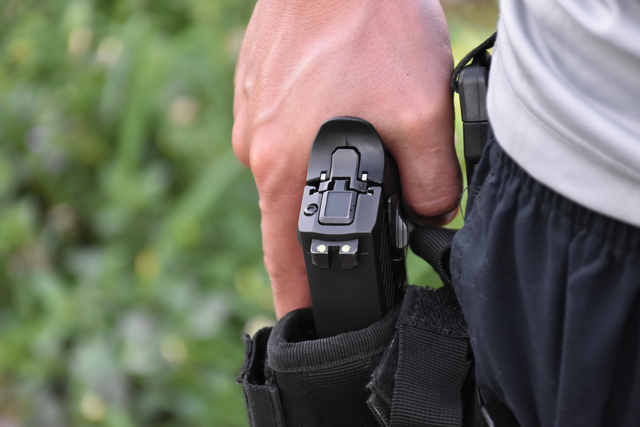
 Every experienced carrier has a drawer full of abandoned holsters somewhere, and that collection represents hundreds of dollars spent learning what doesn't work through trial and error. The wrong holster does more than annoy you; it creates genuine safety risks, trains bad habits into your draw stroke, and eventually convinces you to leave the gun at home because wearing it became more trouble than it was worth. Getting the fit right the first time saves money, builds correct muscle memory, and keeps you carrying consistently.
Customers from Glendale visit our Phoenix location specifically to handle holsters before purchasing, because the online shopping experience can't tell you how a particular design interacts with your specific body shape, wardrobe, and carry position preferences. Two people with identical firearms might need completely different holster solutions based on their torsos, their daily activities, and how much concealment their clothing can provide.
Retention That Fails When You Need It Most
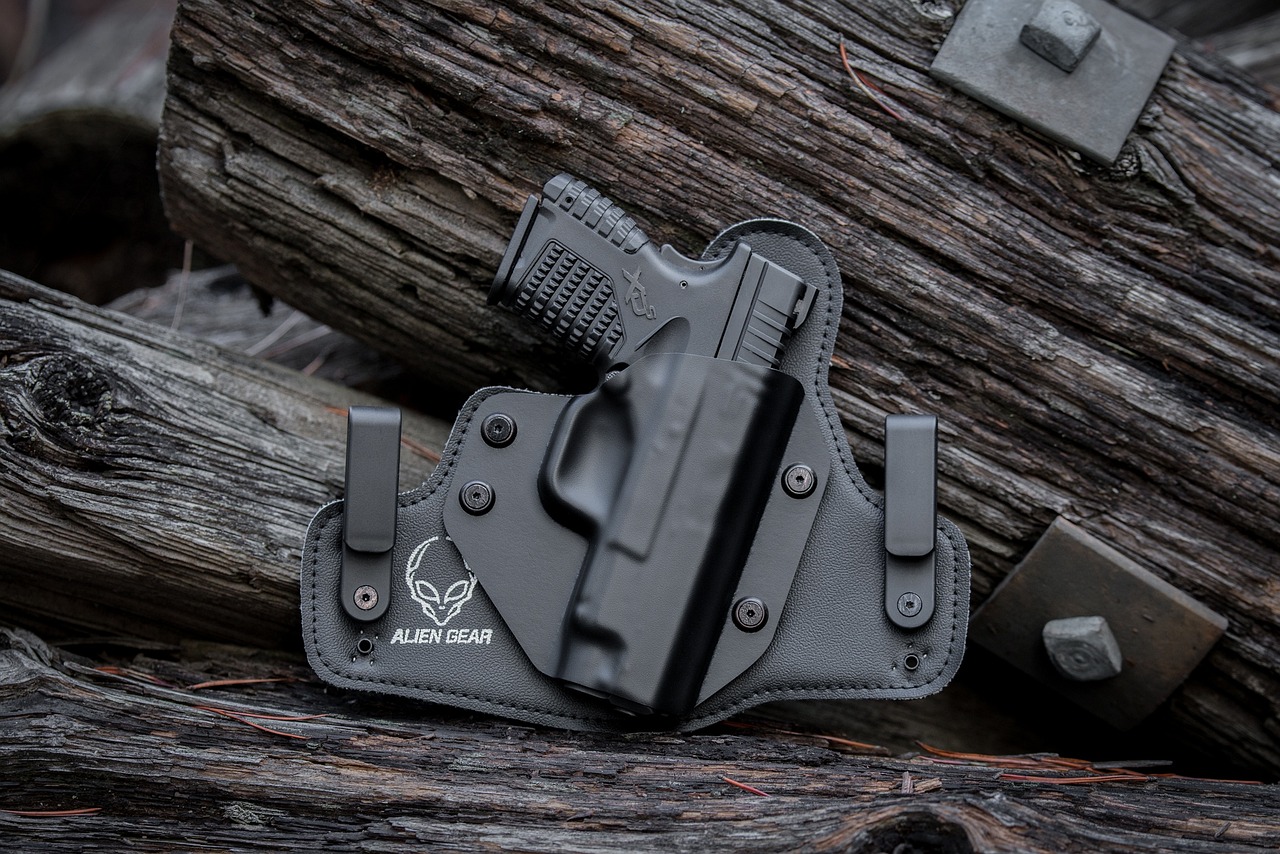
A holster needs to secure your firearm against movement, impact, and gravity while still releasing cleanly when you initiate a deliberate draw. Cheap holsters often achieve one function while failing the other, either gripping so tightly that your draw becomes a wrestling match or holding so loosely that the gun shifts position or falls out entirely during physical activity. Proper retention means your firearm stays exactly where you placed it until you consciously decide to draw it, then releases smoothly along a consistent path.
Trigger Guard Coverage Prevents Catastrophic Mistakes
The holster's most critical safety function is preventing anything from entering the trigger guard until the firearm is fully drawn and intentionally aimed. Soft holsters that collapse after drawing can catch clothing or other material in the trigger guard during reholstering, creating discharge risks that rigid Kydex or quality leather eliminates. We've seen photos of negligent discharges caused by exactly this failure mode, and every one of them was preventable with a properly designed holster.
How Draw Position Affects Your Response Time
Your holster position determines the path your hand travels during a draw, and milliseconds matter when you're responding to a genuine threat. Appendix carry puts the gun closer to your natural reach but requires different body mechanics than strong-side hip carry. Each position has advantages and tradeoffs depending on your build, your flexibility, and what you're doing throughout your day. The right holster for one position might be completely wrong for another, even on the same person.
Concealment Depends On the Holster And the Body Together
The same holster that disappears under one person's shirt might print obviously on someone else, and that difference comes down to body geometry rather than holster quality. Taller people can often conceal larger firearms in appendix positions where shorter people struggle. Heavier people might find the strong-side hip carry more comfortable and concealable than the appendix positions that work beautifully on leaner frames. We help customers test different configurations to find what actually works rather than what sounds good theoretically.
Belt Quality Multiplies Holster Performance
Even the best holster performs poorly when attached to a fashion belt that wasn't designed to support the weight and leverage of a loaded firearm. A quality gun belt provides the rigid foundation that keeps your holster exactly where your muscle memory expects to find it. The 20% discount on holsters and belts we're running through December 28th makes it practical to upgrade both components together rather than discovering that your new holster still shifts because your belt can't handle the load.
Comfort Determines Whether You'll Actually Carry
An uncomfortable holster creates a daily negotiation between your commitment to personal protection and your tolerance for physical annoyance. Over time, annoyance usually wins, and the gun stays home increasingly frequently. Holsters that dig into your hip during long car rides, that require constant readjustment, or that make sitting miserable will eventually convince you to skip carrying on days when carrying feels optional. The best holster is one you'll actually wear consistently.
Training With Your Actual Setup Matters
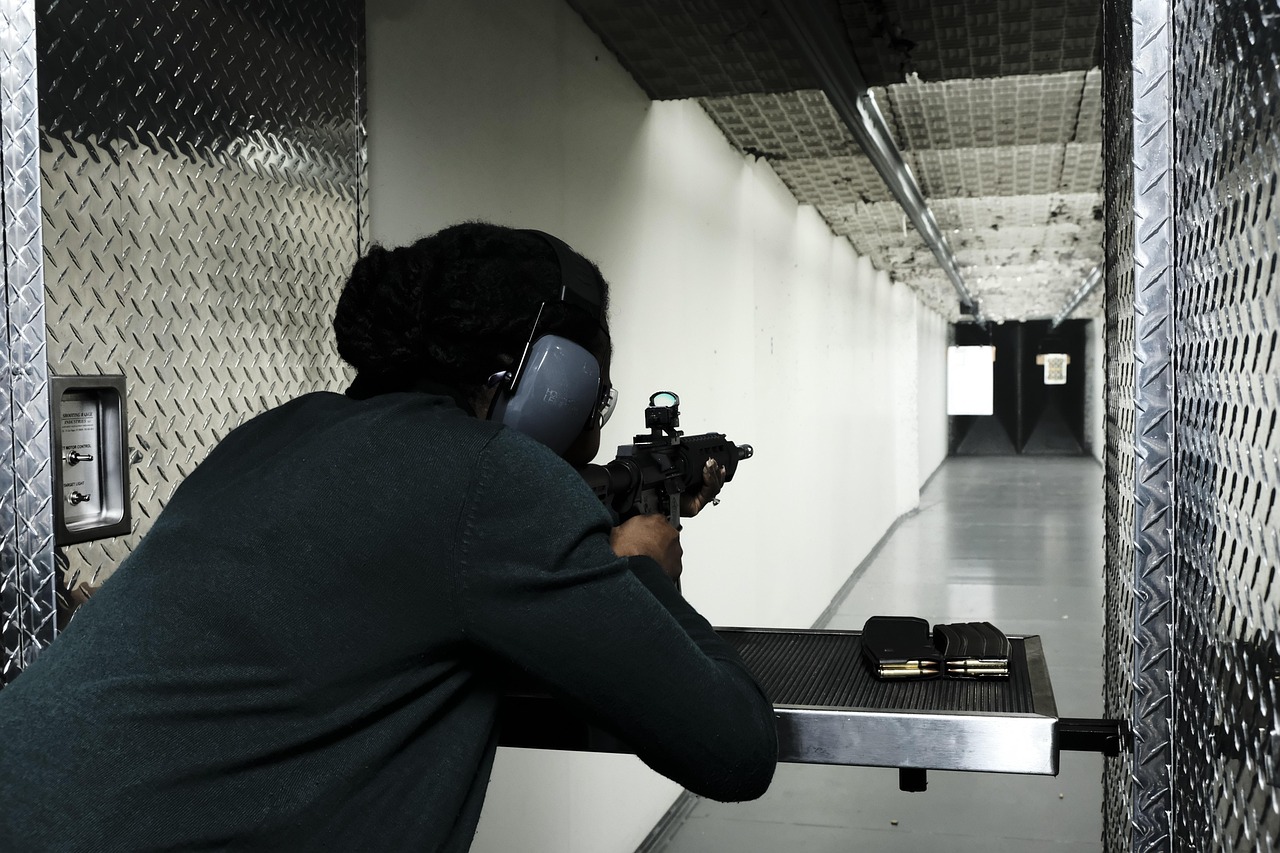
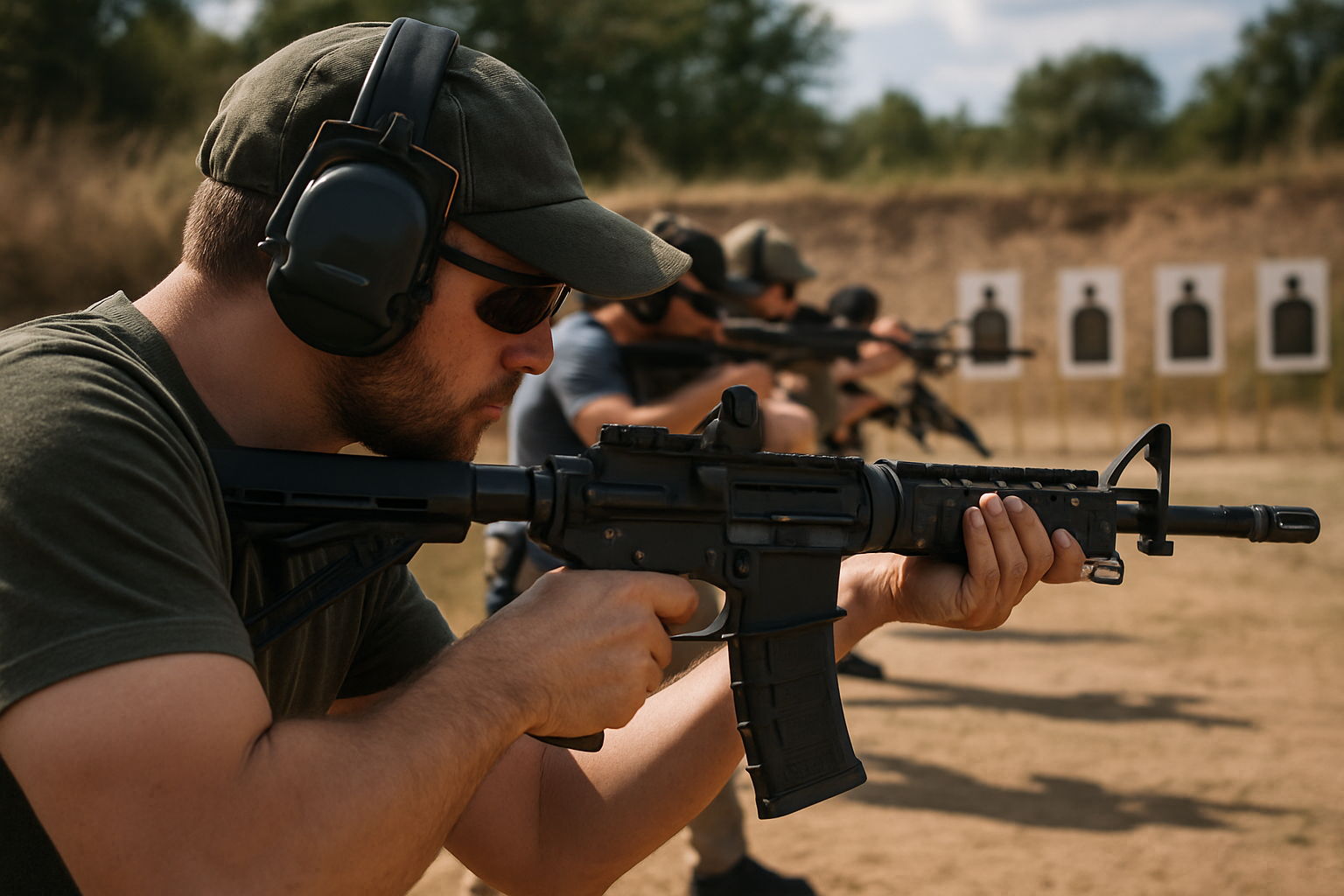
Once you find a holster that fits correctly, you need repetitions to build the automatic draw stroke that functions under stress without conscious thought. Drawing from concealment involves clearing your garment, establishing your grip, defeating retention, presenting toward the threat, and acquiring your sights, all before you're in a position to make decisions about firing. That sequence needs hundreds of dry repetitions and dozens of live fire sessions to become reliable, and changing your holster means starting that process over.
Get Fitted For What Actually Works
Skip the trial and error process and start with a gear that fits your body, your firearm, and your carry style from day one. Call (480) 588-8802 and talk with our team at C2 Tactical of Phoenix about holster fitting for customers from Glendale. We'll walk you through options, let you test different configurations, and help you build a carry setup that you'll wear every single day rather than abandoning after a week of discomfort.
Every experienced carrier has a drawer full of abandoned holsters somewhere, and that collection represents hundreds of dollars spent learning what doesn't work through trial and error. The wrong holster does more than annoy you; it creates genuine safety risks, trains bad habits into your draw stroke, and eventually convinces you to leave the gun at home because wearing it became more trouble than it was worth. Getting the fit right the first time saves money, builds correct muscle memory, and keeps you carrying consistently.
Customers from Glendale visit our Phoenix location specifically to handle holsters before purchasing, because the online shopping experience can't tell you how a particular design interacts with your specific body shape, wardrobe, and carry position preferences. Two people with identical firearms might need completely different holster solutions based on their torsos, their daily activities, and how much concealment their clothing can provide.
Retention That Fails When You Need It Most
A holster needs to secure your firearm against movement, impact, and gravity while still releasing cleanly when you initiate a deliberate draw. Cheap holsters often achieve one function while failing the other, either gripping so tightly that your draw becomes a wrestling match or holding so loosely that the gun shifts position or falls out entirely during physical activity. Proper retention means your firearm stays exactly where you placed it until you consciously decide to draw it, then releases smoothly along a consistent path.
Trigger Guard Coverage Prevents Catastrophic Mistakes
The holster's most critical safety function is preventing anything from entering the trigger guard until the firearm is fully drawn and intentionally aimed. Soft holsters that collapse after drawing can catch clothing or other material in the trigger guard during reholstering, creating discharge risks that rigid Kydex or quality leather eliminates. We've seen photos of negligent discharges caused by exactly this failure mode, and every one of them was preventable with a properly designed holster.
How Draw Position Affects Your Response Time
Your holster position determines the path your hand travels during a draw, and milliseconds matter when you're responding to a genuine threat. Appendix carry puts the gun closer to your natural reach but requires different body mechanics than strong-side hip carry. Each position has advantages and tradeoffs depending on your build, your flexibility, and what you're doing throughout your day. The right holster for one position might be completely wrong for another, even on the same person.
Concealment Depends On the Holster And the Body Together
The same holster that disappears under one person's shirt might print obviously on someone else, and that difference comes down to body geometry rather than holster quality. Taller people can often conceal larger firearms in appendix positions where shorter people struggle. Heavier people might find the strong-side hip carry more comfortable and concealable than the appendix positions that work beautifully on leaner frames. We help customers test different configurations to find what actually works rather than what sounds good theoretically.
Belt Quality Multiplies Holster Performance
Even the best holster performs poorly when attached to a fashion belt that wasn't designed to support the weight and leverage of a loaded firearm. A quality gun belt provides the rigid foundation that keeps your holster exactly where your muscle memory expects to find it. The 20% discount on holsters and belts we're running through December 28th makes it practical to upgrade both components together rather than discovering that your new holster still shifts because your belt can't handle the load.
Comfort Determines Whether You'll Actually Carry
An uncomfortable holster creates a daily negotiation between your commitment to personal protection and your tolerance for physical annoyance. Over time, annoyance usually wins, and the gun stays home increasingly frequently. Holsters that dig into your hip during long car rides, that require constant readjustment, or that make sitting miserable will eventually convince you to skip carrying on days when carrying feels optional. The best holster is one you'll actually wear consistently.
Training With Your Actual Setup Matters
Once you find a holster that fits correctly, you need repetitions to build the automatic draw stroke that functions under stress without conscious thought. Drawing from concealment involves clearing your garment, establishing your grip, defeating retention, presenting toward the threat, and acquiring your sights, all before you're in a position to make decisions about firing. That sequence needs hundreds of dry repetitions and dozens of live fire sessions to become reliable, and changing your holster means starting that process over.
Get Fitted For What Actually Works
Skip the trial and error process and start with a gear that fits your body, your firearm, and your carry style from day one. Call (480) 588-8802 and talk with our team at C2 Tactical of Phoenix about holster fitting for customers from Glendale. We'll walk you through options, let you test different configurations, and help you build a carry setup that you'll wear every single day rather than abandoning after a week of discomfort.
Glendale, AZ - Why Proper Holster Fit Is Critical for Safety and Draw Efficiency
SYNOPSIS: C2 Tactical of Phoenix explains why holster fit matters for Glendale residents who carry concealed. The trigger guard coverage of a holster prevents fatal mistakes from being made.
Your Holster Should Work With You, Not Against
BY: Vincent Vasquez, C2 Tactical of Phoenix, AZ
Every experienced carrier has a drawer full of abandoned holsters somewhere, and that collection represents hundreds of dollars spent learning what doesn't work through trial and error. The wrong holster does more than annoy you; it creates genuine safety risks, trains bad habits into your draw stroke, and eventually convinces you to leave the gun at home because wearing it became more trouble than it was worth. Getting the fit right the first time saves money, builds correct muscle memory, and keeps you carrying consistently.
Customers from Glendale visit our Phoenix location specifically to handle holsters before purchasing, because the online shopping experience can't tell you how a particular design interacts with your specific body shape, wardrobe, and carry position preferences. Two people with identical firearms might need completely different holster solutions based on their torsos, their daily activities, and how much concealment their clothing can provide.
Retention That Fails When You Need It Most
A holster needs to secure your firearm against movement, impact, and gravity while still releasing cleanly when you initiate a deliberate draw. Cheap holsters often achieve one function while failing the other, either gripping so tightly that your draw becomes a wrestling match or holding so loosely that the gun shifts position or falls out entirely during physical activity. Proper retention means your firearm stays exactly where you placed it until you consciously decide to draw it, then releases smoothly along a consistent path.
Trigger Guard Coverage Prevents Catastrophic Mistakes
The holster's most critical safety function is preventing anything from entering the trigger guard until the firearm is fully drawn and intentionally aimed. Soft holsters that collapse after drawing can catch clothing or other material in the trigger guard during reholstering, creating discharge risks that rigid Kydex or quality leather eliminates. We've seen photos of negligent discharges caused by exactly this failure mode, and every one of them was preventable with a properly designed holster.
How Draw Position Affects Your Response Time
Your holster position determines the path your hand travels during a draw, and milliseconds matter when you're responding to a genuine threat. Appendix carry puts the gun closer to your natural reach but requires different body mechanics than strong-side hip carry. Each position has advantages and tradeoffs depending on your build, your flexibility, and what you're doing throughout your day. The right holster for one position might be completely wrong for another, even on the same person.
Concealment Depends On the Holster And the Body Together
The same holster that disappears under one person's shirt might print obviously on someone else, and that difference comes down to body geometry rather than holster quality. Taller people can often conceal larger firearms in appendix positions where shorter people struggle. Heavier people might find the strong-side hip carry more comfortable and concealable than the appendix positions that work beautifully on leaner frames. We help customers test different configurations to find what actually works rather than what sounds good theoretically.
Belt Quality Multiplies Holster Performance
Even the best holster performs poorly when attached to a fashion belt that wasn't designed to support the weight and leverage of a loaded firearm. A quality gun belt provides the rigid foundation that keeps your holster exactly where your muscle memory expects to find it. The 20% discount on holsters and belts we're running through December 28th makes it practical to upgrade both components together rather than discovering that your new holster still shifts because your belt can't handle the load.
Comfort Determines Whether You'll Actually Carry
An uncomfortable holster creates a daily negotiation between your commitment to personal protection and your tolerance for physical annoyance. Over time, annoyance usually wins, and the gun stays home increasingly frequently. Holsters that dig into your hip during long car rides, that require constant readjustment, or that make sitting miserable will eventually convince you to skip carrying on days when carrying feels optional. The best holster is one you'll actually wear consistently.
Training With Your Actual Setup Matters
Once you find a holster that fits correctly, you need repetitions to build the automatic draw stroke that functions under stress without conscious thought. Drawing from concealment involves clearing your garment, establishing your grip, defeating retention, presenting toward the threat, and acquiring your sights, all before you're in a position to make decisions about firing. That sequence needs hundreds of dry repetitions and dozens of live fire sessions to become reliable, and changing your holster means starting that process over.
Get Fitted For What Actually Works
Skip the trial and error process and start with a gear that fits your body, your firearm, and your carry style from day one. Call (480) 588-8802 and talk with our team at C2 Tactical of Phoenix about holster fitting for customers from Glendale. We'll walk you through options, let you test different configurations, and help you build a carry setup that you'll wear every single day rather than abandoning after a week of discomfort.