 Standing in one spot punching holes in paper is where almost everyone begins, and there’s nothing wrong with that. Static work lets you sort out grip, sights, and trigger without extra distractions. At some point though, many shooters from Peoria start wondering how those skills carry over once feet actually move. That shift doesn’t happen by guesswork. It needs a plan.
Locking In The Basics Before You Move
The first step is honest: your static fundamentals must hold together. You should be able to present the pistol, find your sights, and press the trigger cleanly without chasing the gun. If groups still wander all over at quiet speeds, movement will only magnify those problems. In Phoenix, we tell shooters to think of static shooting as learning clear speech; movement is giving that speech while walking. You want the message solid before you change the pace.
Introducing Time Pressure Without Footwork
Before we add steps, we add a clock. Timers expose extra motions you didn’t realize you were making. Simple draw-and-fire strings, controlled pairs, and emergency reloads under gentle time goals show you where mechanics break down. Shooters from Peoria often discover that a little time pressure alone changes how they grip and press. We work through that at the firing line until the gun still runs smoothly when the beep sounds.
Learning To Move The Upper Body First
Next, we teach how to shift weight and adjust angles while staying in one lane. That means leaning into recoil correctly, rolling the shoulders just enough, and turning the torso without swinging the muzzle across anything unsafe. This stage builds the idea that your upper body works as a stable unit, even if your feet later move. When you understand how to keep that “firing platform” steady, you’re ready to step off the painted line.
Adding Short, Simple Footwork
Early movement drills stay modest on purpose. We start with a sidestep to one direction, then the other, while keeping the firearm oriented downrange. After that, we introduce a few steps forward or backward and work on stopping cleanly before pressing the trigger. Shooters from Peoria learn to let their legs move while their eyes stay locked on the target. The goal is smooth transitions, not sprinting.
Bringing In Cover And Angles
Once the basic steps feel comfortable, we add barriers. Shooters learn to approach, use, and leave cover without flagging their support hand or exposing too much of their torso. We talk about slicing a corner, leaning correctly, and understanding what “useful cover” actually means on the range. These drills connect footwork to decisions about where your body should be, not just where your feet land.
Progressing To Full Defensive Movement Strings
Advanced strings combine several pieces: draw, move off the original line, engage one target, shift to another, then move again. Sometimes we add a reload, sometimes a malfunction clear, sometimes a verbal command. By this stage, shooters from Peoria already trust their fundamentals. The drills simply stack those fundamentals in a realistic order while we supervise safety and pacing.
Why Guided Progression Matters
Trying to jump straight from quiet lane work to complex movement usually leads to rushed shots and sloppy muzzle control. A structured path keeps things manageable. Each rung on the ladder prepares you for the next one, and you always know what to practice between visits.
If you’re coming from Peoria and you’re ready to move past static strings into safe, purposeful movement, call C2 Tactical of Phoenix at (480) 588-8802. We’ll look at where you are now, suggest the right class or private session, and help you build a progression that turns walking and shooting into something you control instead of something you fear.
Standing in one spot punching holes in paper is where almost everyone begins, and there’s nothing wrong with that. Static work lets you sort out grip, sights, and trigger without extra distractions. At some point though, many shooters from Peoria start wondering how those skills carry over once feet actually move. That shift doesn’t happen by guesswork. It needs a plan.
Locking In The Basics Before You Move
The first step is honest: your static fundamentals must hold together. You should be able to present the pistol, find your sights, and press the trigger cleanly without chasing the gun. If groups still wander all over at quiet speeds, movement will only magnify those problems. In Phoenix, we tell shooters to think of static shooting as learning clear speech; movement is giving that speech while walking. You want the message solid before you change the pace.
Introducing Time Pressure Without Footwork
Before we add steps, we add a clock. Timers expose extra motions you didn’t realize you were making. Simple draw-and-fire strings, controlled pairs, and emergency reloads under gentle time goals show you where mechanics break down. Shooters from Peoria often discover that a little time pressure alone changes how they grip and press. We work through that at the firing line until the gun still runs smoothly when the beep sounds.
Learning To Move The Upper Body First
Next, we teach how to shift weight and adjust angles while staying in one lane. That means leaning into recoil correctly, rolling the shoulders just enough, and turning the torso without swinging the muzzle across anything unsafe. This stage builds the idea that your upper body works as a stable unit, even if your feet later move. When you understand how to keep that “firing platform” steady, you’re ready to step off the painted line.
Adding Short, Simple Footwork
Early movement drills stay modest on purpose. We start with a sidestep to one direction, then the other, while keeping the firearm oriented downrange. After that, we introduce a few steps forward or backward and work on stopping cleanly before pressing the trigger. Shooters from Peoria learn to let their legs move while their eyes stay locked on the target. The goal is smooth transitions, not sprinting.
Bringing In Cover And Angles
Once the basic steps feel comfortable, we add barriers. Shooters learn to approach, use, and leave cover without flagging their support hand or exposing too much of their torso. We talk about slicing a corner, leaning correctly, and understanding what “useful cover” actually means on the range. These drills connect footwork to decisions about where your body should be, not just where your feet land.
Progressing To Full Defensive Movement Strings
Advanced strings combine several pieces: draw, move off the original line, engage one target, shift to another, then move again. Sometimes we add a reload, sometimes a malfunction clear, sometimes a verbal command. By this stage, shooters from Peoria already trust their fundamentals. The drills simply stack those fundamentals in a realistic order while we supervise safety and pacing.
Why Guided Progression Matters
Trying to jump straight from quiet lane work to complex movement usually leads to rushed shots and sloppy muzzle control. A structured path keeps things manageable. Each rung on the ladder prepares you for the next one, and you always know what to practice between visits.
If you’re coming from Peoria and you’re ready to move past static strings into safe, purposeful movement, call C2 Tactical of Phoenix at (480) 588-8802. We’ll look at where you are now, suggest the right class or private session, and help you build a progression that turns walking and shooting into something you control instead of something you fear.
Peoria, AZ - How to Transition from Static Shooting to Defensive Movement Drills
SYNOPSIS: C2 Tactical of Phoenix explains how shooters from Peoria can move beyond standing in a lane and start working defensive movement drills without losing safety, control, or confidence.
Stepping Off The Line Safely And With Purpose
BY: Vincent Vasquez, C2 Tactical of Phoenix, AZ
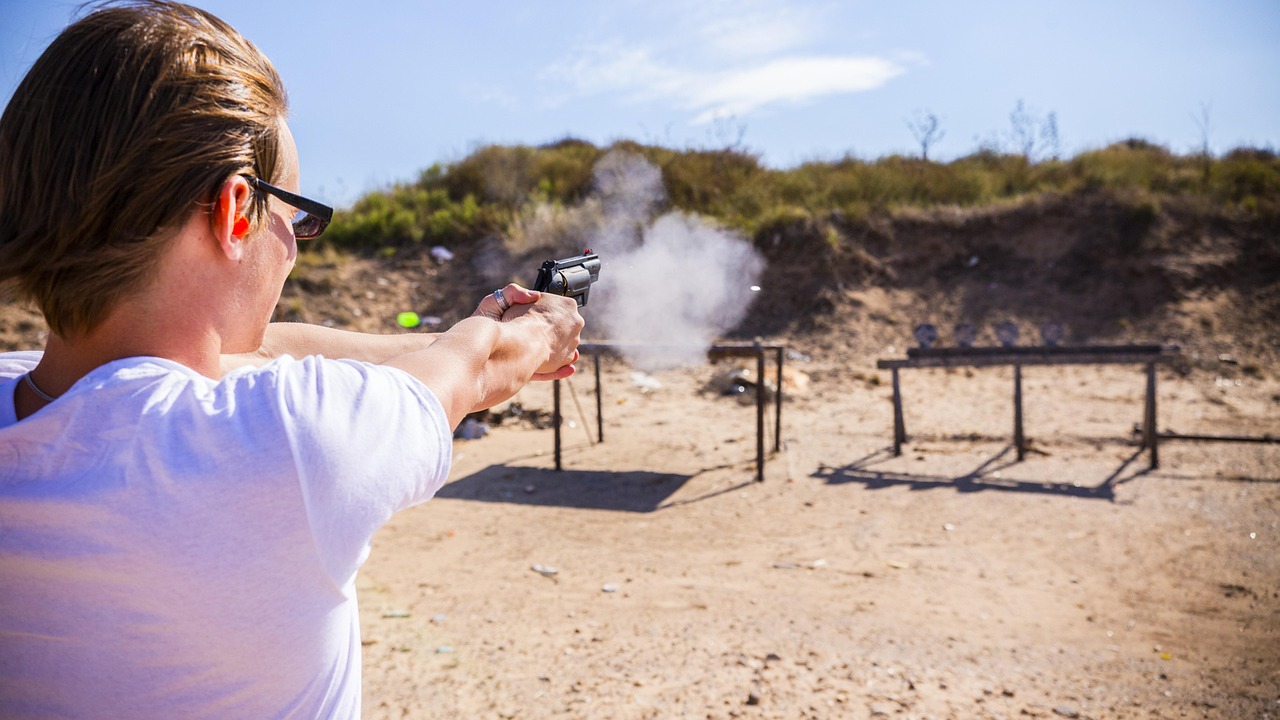
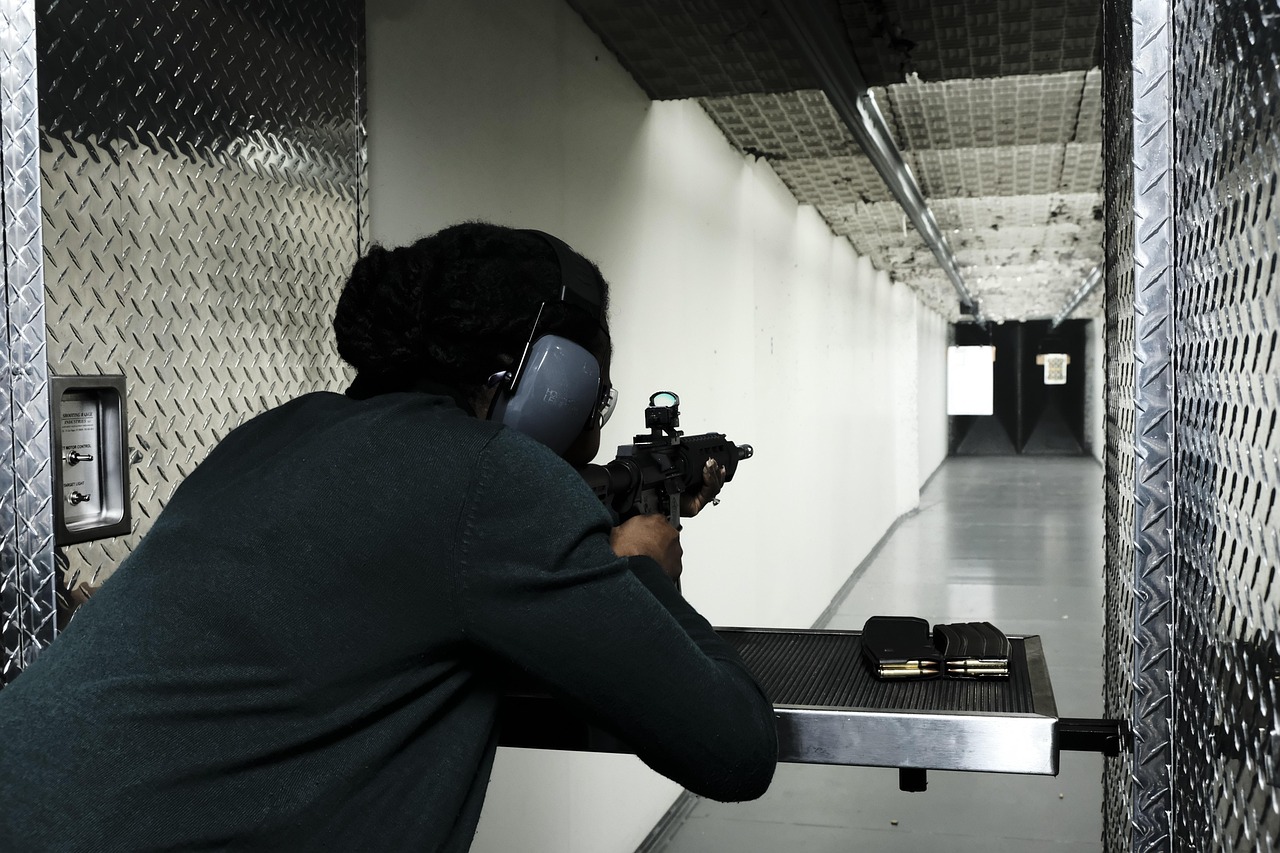
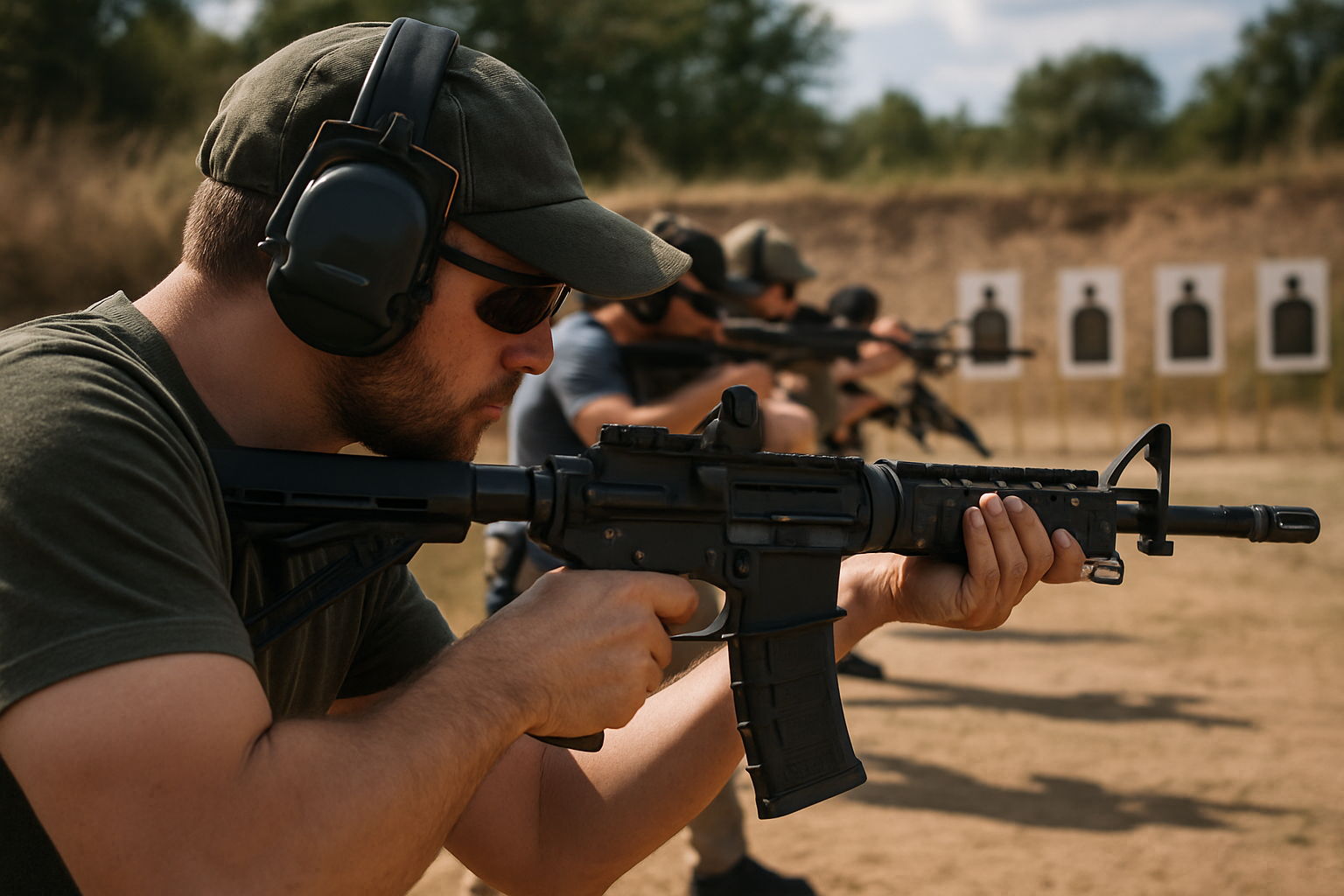
Standing in one spot punching holes in paper is where almost everyone begins, and there’s nothing wrong with that. Static work lets you sort out grip, sights, and trigger without extra distractions. At some point though, many shooters from Peoria start wondering how those skills carry over once feet actually move. That shift doesn’t happen by guesswork. It needs a plan.
Locking In The Basics Before You Move
The first step is honest: your static fundamentals must hold together. You should be able to present the pistol, find your sights, and press the trigger cleanly without chasing the gun. If groups still wander all over at quiet speeds, movement will only magnify those problems. In Phoenix, we tell shooters to think of static shooting as learning clear speech; movement is giving that speech while walking. You want the message solid before you change the pace.
Introducing Time Pressure Without Footwork
Before we add steps, we add a clock. Timers expose extra motions you didn’t realize you were making. Simple draw-and-fire strings, controlled pairs, and emergency reloads under gentle time goals show you where mechanics break down. Shooters from Peoria often discover that a little time pressure alone changes how they grip and press. We work through that at the firing line until the gun still runs smoothly when the beep sounds.
Learning To Move The Upper Body First
Next, we teach how to shift weight and adjust angles while staying in one lane. That means leaning into recoil correctly, rolling the shoulders just enough, and turning the torso without swinging the muzzle across anything unsafe. This stage builds the idea that your upper body works as a stable unit, even if your feet later move. When you understand how to keep that “firing platform” steady, you’re ready to step off the painted line.
Adding Short, Simple Footwork
Early movement drills stay modest on purpose. We start with a sidestep to one direction, then the other, while keeping the firearm oriented downrange. After that, we introduce a few steps forward or backward and work on stopping cleanly before pressing the trigger. Shooters from Peoria learn to let their legs move while their eyes stay locked on the target. The goal is smooth transitions, not sprinting.
Bringing In Cover And Angles
Once the basic steps feel comfortable, we add barriers. Shooters learn to approach, use, and leave cover without flagging their support hand or exposing too much of their torso. We talk about slicing a corner, leaning correctly, and understanding what “useful cover” actually means on the range. These drills connect footwork to decisions about where your body should be, not just where your feet land.
Progressing To Full Defensive Movement Strings
Advanced strings combine several pieces: draw, move off the original line, engage one target, shift to another, then move again. Sometimes we add a reload, sometimes a malfunction clear, sometimes a verbal command. By this stage, shooters from Peoria already trust their fundamentals. The drills simply stack those fundamentals in a realistic order while we supervise safety and pacing.
Why Guided Progression Matters
Trying to jump straight from quiet lane work to complex movement usually leads to rushed shots and sloppy muzzle control. A structured path keeps things manageable. Each rung on the ladder prepares you for the next one, and you always know what to practice between visits.
If you’re coming from Peoria and you’re ready to move past static strings into safe, purposeful movement, call C2 Tactical of Phoenix at (480) 588-8802. We’ll look at where you are now, suggest the right class or private session, and help you build a progression that turns walking and shooting into something you control instead of something you fear.