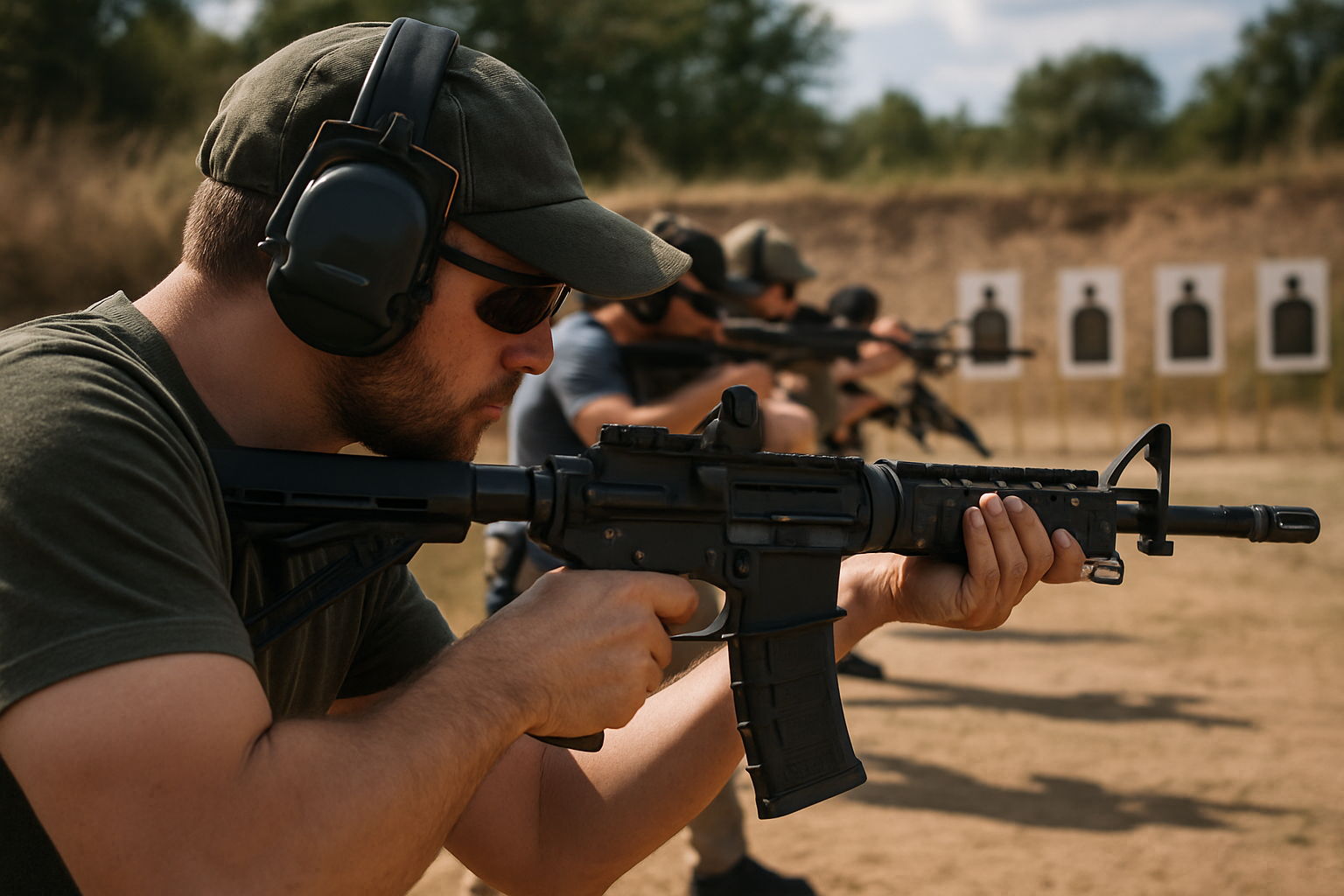
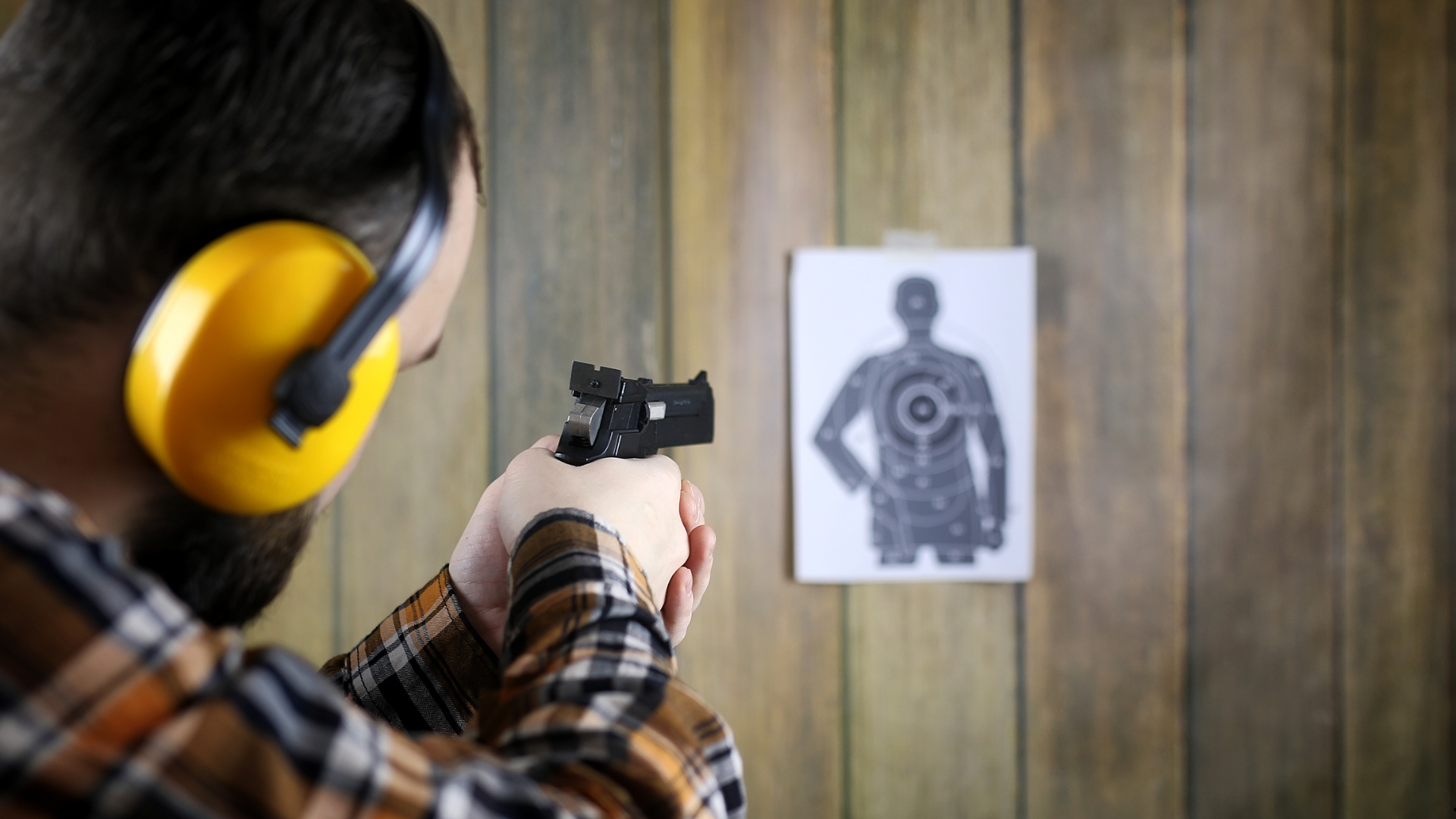
 You can tell where a shooter is in their development by how they handle the quiet moments, not just the fast ones. At C2 Tactical of Phoenix, we watch a lot of people from Glendale move from simple first shots to confident, controlled tactical work. The progress doesn’t happen all at once. It comes in layers, each stage built on the one before it.
Phase One: Safe Handling And Repeatable Fundamentals
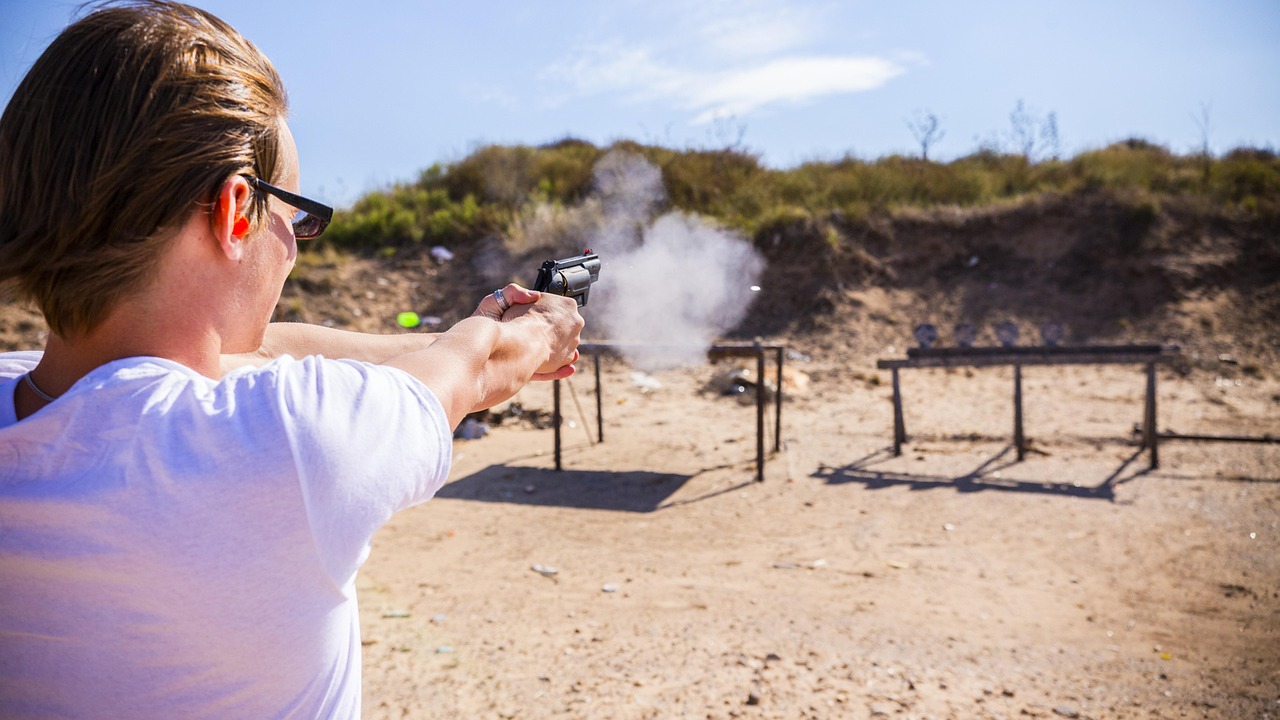
Everything starts with safety that does not slip under pressure. New shooters learn how to manage muzzle direction, maintain proper trigger discipline, and load and unload without confusion. Once that foundation feels natural, we focus on a grip that supports recoil, a stance that keeps you balanced, and a sight alignment you can create every time. These early habits may look basic, but they’re the same skills advanced shooters rely on when everything speeds up.
Phase Two: Controlled Accuracy And Consistent Trigger Work
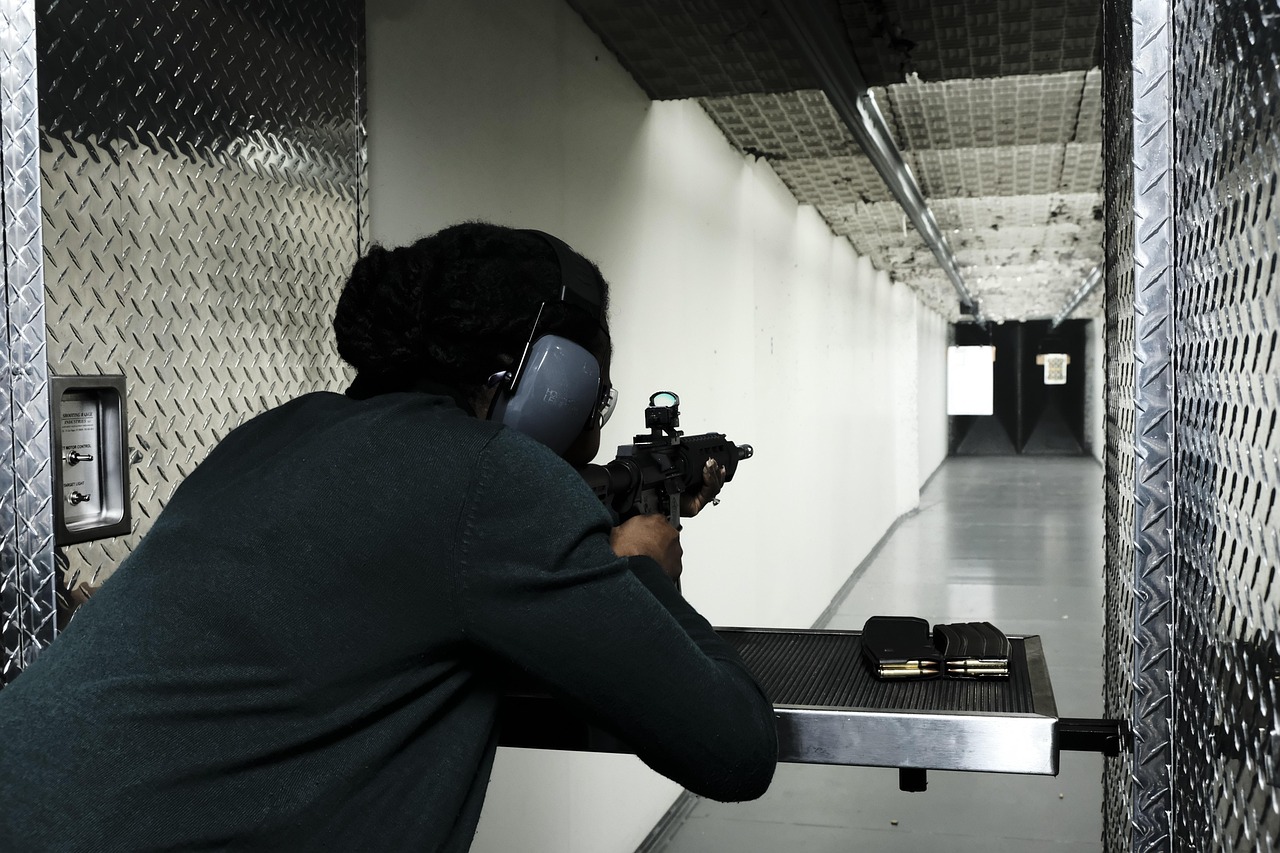
The next step involves getting rounds exactly where they belong at standard distances. We have Glendale shooters work deliberate strings of fire, paying attention to trigger press, follow-through, and sight picture recovery. Timers may appear here, not to create pressure for its own sake, but to show how small hesitations or extra movements affect the shot. When a shooter learns to keep groups tight while working at a steady pace, they are ready for more complex tasks.
Phase Three: Reloads, Malfunction Clears, And Equipment Management
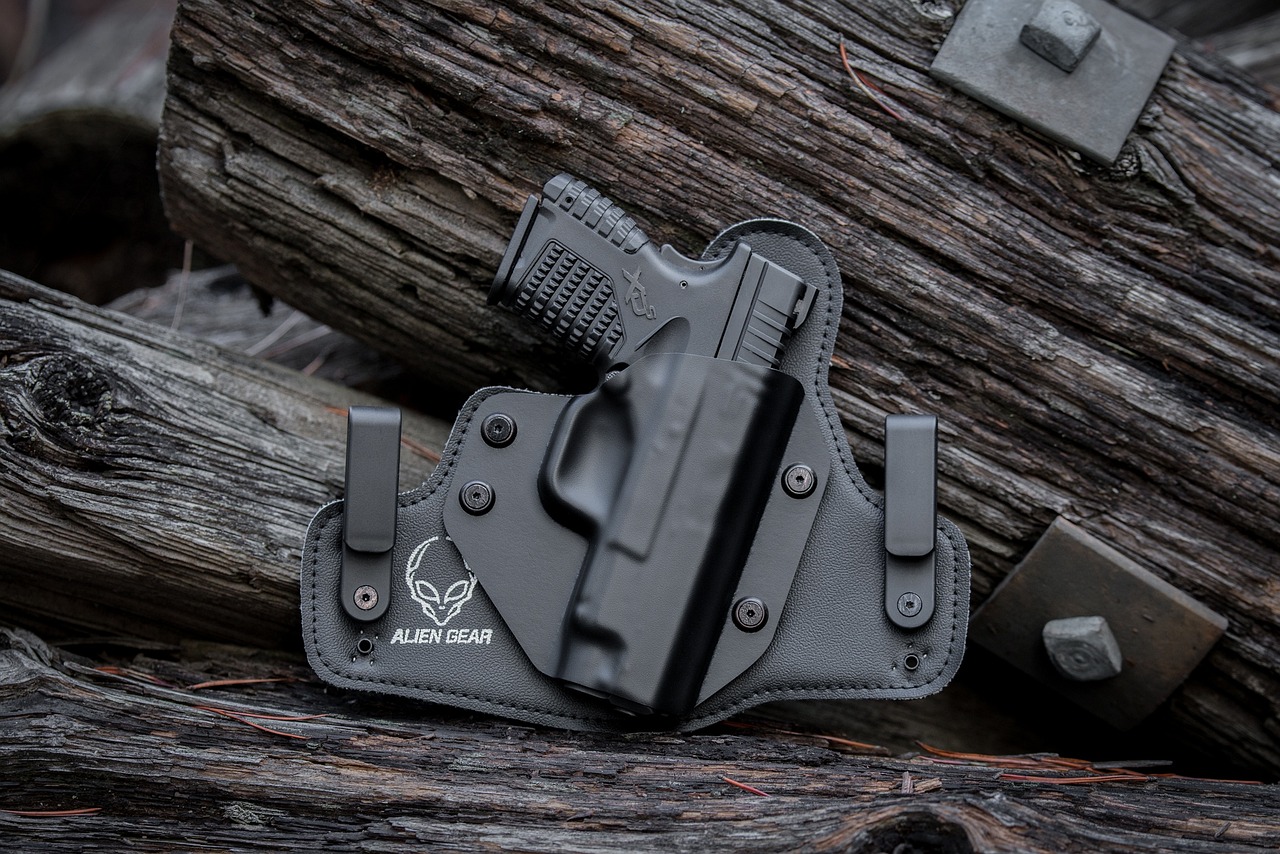
A tactical shooter cannot afford to lose focus when the gun stops running. We teach purposeful reloads, both slide-lock and tactical, and we show students how to diagnose and clear common malfunctions without rushing. This stage also includes a hard look at holsters, pouches, and belt setups. Shooters from Glendale often discover that small changes in gear placement make a big difference in how smoothly they move.
Phase Four: Movement, Angles, And Use Of Cover
Once shooters can keep their fundamentals intact while standing still, we add motion. Students learn how to shift laterally, move forward or backward, and adjust body position while still presenting the firearm safely. We introduce cover and concealment, explaining how to work around barricades without overexposing themselves. The goal is always the same: maintain accuracy and awareness even when the ground under your feet changes.
Phase Five: Multiple Targets And Decision-Making Under Time
Advanced work brings more complex problems. Shooters engage more than one target, prioritize based on distance or threat, and make decisions while the clock runs. We emphasize accountability here. Every round must have a purpose and a safe backstop. This is where earlier habits show their value; a shooter with solid fundamentals can process information without losing control of the gun.
Phase Six: Scenario-Based Training And Low-Light Challenges
For shooters who want to push farther, we incorporate scenario drills and reduced-light work. Students navigate simulated problems that require communication, movement, and judgment, not just marksmanship. Low-light sessions introduce handheld or weapon-mounted lights, focusing on identification first and engagement second. These classes help Glendale shooters understand how their skills hold up when conditions stop being comfortable.
A Path, Not A Single Class
We remind every student that tactical ability develops over time. There is no shortcut around safe habits, honest repetition, and thoughtful coaching. What we offer in Phoenix is a clear path: start with clean basics, add complexity only when ready, and always keep responsibility at the center.
If you are coming in from Glendale and want help laying out a training progression that makes sense for where you are right now, contact C2 Tactical of Phoenix at (480) 588-8802. We will help you choose the right starting point and set up a plan that moves you toward advanced skills at a pace that fits you.
You can tell where a shooter is in their development by how they handle the quiet moments, not just the fast ones. At C2 Tactical of Phoenix, we watch a lot of people from Glendale move from simple first shots to confident, controlled tactical work. The progress doesn’t happen all at once. It comes in layers, each stage built on the one before it.
Phase One: Safe Handling And Repeatable Fundamentals
Everything starts with safety that does not slip under pressure. New shooters learn how to manage muzzle direction, maintain proper trigger discipline, and load and unload without confusion. Once that foundation feels natural, we focus on a grip that supports recoil, a stance that keeps you balanced, and a sight alignment you can create every time. These early habits may look basic, but they’re the same skills advanced shooters rely on when everything speeds up.
Phase Two: Controlled Accuracy And Consistent Trigger Work
The next step involves getting rounds exactly where they belong at standard distances. We have Glendale shooters work deliberate strings of fire, paying attention to trigger press, follow-through, and sight picture recovery. Timers may appear here, not to create pressure for its own sake, but to show how small hesitations or extra movements affect the shot. When a shooter learns to keep groups tight while working at a steady pace, they are ready for more complex tasks.
Phase Three: Reloads, Malfunction Clears, And Equipment Management
A tactical shooter cannot afford to lose focus when the gun stops running. We teach purposeful reloads, both slide-lock and tactical, and we show students how to diagnose and clear common malfunctions without rushing. This stage also includes a hard look at holsters, pouches, and belt setups. Shooters from Glendale often discover that small changes in gear placement make a big difference in how smoothly they move.
Phase Four: Movement, Angles, And Use Of Cover
Once shooters can keep their fundamentals intact while standing still, we add motion. Students learn how to shift laterally, move forward or backward, and adjust body position while still presenting the firearm safely. We introduce cover and concealment, explaining how to work around barricades without overexposing themselves. The goal is always the same: maintain accuracy and awareness even when the ground under your feet changes.
Phase Five: Multiple Targets And Decision-Making Under Time
Advanced work brings more complex problems. Shooters engage more than one target, prioritize based on distance or threat, and make decisions while the clock runs. We emphasize accountability here. Every round must have a purpose and a safe backstop. This is where earlier habits show their value; a shooter with solid fundamentals can process information without losing control of the gun.
Phase Six: Scenario-Based Training And Low-Light Challenges
For shooters who want to push farther, we incorporate scenario drills and reduced-light work. Students navigate simulated problems that require communication, movement, and judgment, not just marksmanship. Low-light sessions introduce handheld or weapon-mounted lights, focusing on identification first and engagement second. These classes help Glendale shooters understand how their skills hold up when conditions stop being comfortable.
A Path, Not A Single Class
We remind every student that tactical ability develops over time. There is no shortcut around safe habits, honest repetition, and thoughtful coaching. What we offer in Phoenix is a clear path: start with clean basics, add complexity only when ready, and always keep responsibility at the center.
If you are coming in from Glendale and want help laying out a training progression that makes sense for where you are right now, contact C2 Tactical of Phoenix at (480) 588-8802. We will help you choose the right starting point and set up a plan that moves you toward advanced skills at a pace that fits you.
Glendale, AZ – Tactical Shooting Evolution: From Fundamentals to Advanced Skills
SYNOPSIS: C2 Tactical of Phoenix helps Glendale shooters grow from basic firearm handling to tactical skills through a clear, step-by-step approach focused on safety, control, and smart decisions.
Building Tactical Skill One Layer At A Time
BY: Vincent Vasquez, C2 Tactical of Phoenix, AZ
You can tell where a shooter is in their development by how they handle the quiet moments, not just the fast ones. At C2 Tactical of Phoenix, we watch a lot of people from Glendale move from simple first shots to confident, controlled tactical work. The progress doesn’t happen all at once. It comes in layers, each stage built on the one before it.
Phase One: Safe Handling And Repeatable Fundamentals
Everything starts with safety that does not slip under pressure. New shooters learn how to manage muzzle direction, maintain proper trigger discipline, and load and unload without confusion. Once that foundation feels natural, we focus on a grip that supports recoil, a stance that keeps you balanced, and a sight alignment you can create every time. These early habits may look basic, but they’re the same skills advanced shooters rely on when everything speeds up.
Phase Two: Controlled Accuracy And Consistent Trigger Work
The next step involves getting rounds exactly where they belong at standard distances. We have Glendale shooters work deliberate strings of fire, paying attention to trigger press, follow-through, and sight picture recovery. Timers may appear here, not to create pressure for its own sake, but to show how small hesitations or extra movements affect the shot. When a shooter learns to keep groups tight while working at a steady pace, they are ready for more complex tasks.
Phase Three: Reloads, Malfunction Clears, And Equipment Management
A tactical shooter cannot afford to lose focus when the gun stops running. We teach purposeful reloads, both slide-lock and tactical, and we show students how to diagnose and clear common malfunctions without rushing. This stage also includes a hard look at holsters, pouches, and belt setups. Shooters from Glendale often discover that small changes in gear placement make a big difference in how smoothly they move.
Phase Four: Movement, Angles, And Use Of Cover
Once shooters can keep their fundamentals intact while standing still, we add motion. Students learn how to shift laterally, move forward or backward, and adjust body position while still presenting the firearm safely. We introduce cover and concealment, explaining how to work around barricades without overexposing themselves. The goal is always the same: maintain accuracy and awareness even when the ground under your feet changes.
Phase Five: Multiple Targets And Decision-Making Under Time
Advanced work brings more complex problems. Shooters engage more than one target, prioritize based on distance or threat, and make decisions while the clock runs. We emphasize accountability here. Every round must have a purpose and a safe backstop. This is where earlier habits show their value; a shooter with solid fundamentals can process information without losing control of the gun.
Phase Six: Scenario-Based Training And Low-Light Challenges
For shooters who want to push farther, we incorporate scenario drills and reduced-light work. Students navigate simulated problems that require communication, movement, and judgment, not just marksmanship. Low-light sessions introduce handheld or weapon-mounted lights, focusing on identification first and engagement second. These classes help Glendale shooters understand how their skills hold up when conditions stop being comfortable.
A Path, Not A Single Class
We remind every student that tactical ability develops over time. There is no shortcut around safe habits, honest repetition, and thoughtful coaching. What we offer in Phoenix is a clear path: start with clean basics, add complexity only when ready, and always keep responsibility at the center.
If you are coming in from Glendale and want help laying out a training progression that makes sense for where you are right now, contact C2 Tactical of Phoenix at (480) 588-8802. We will help you choose the right starting point and set up a plan that moves you toward advanced skills at a pace that fits you.