 Questions about optics come up constantly at C2 Tactical of Phoenix, especially when shooters from Glendale start stretching beyond basic iron sights. Many people know they want “better glass,” but they are unsure whether that means a red dot or a magnified scope. The two tools solve very different problems, and understanding that difference saves time, money, and frustration.
What A Red Dot Sight Actually Does Well
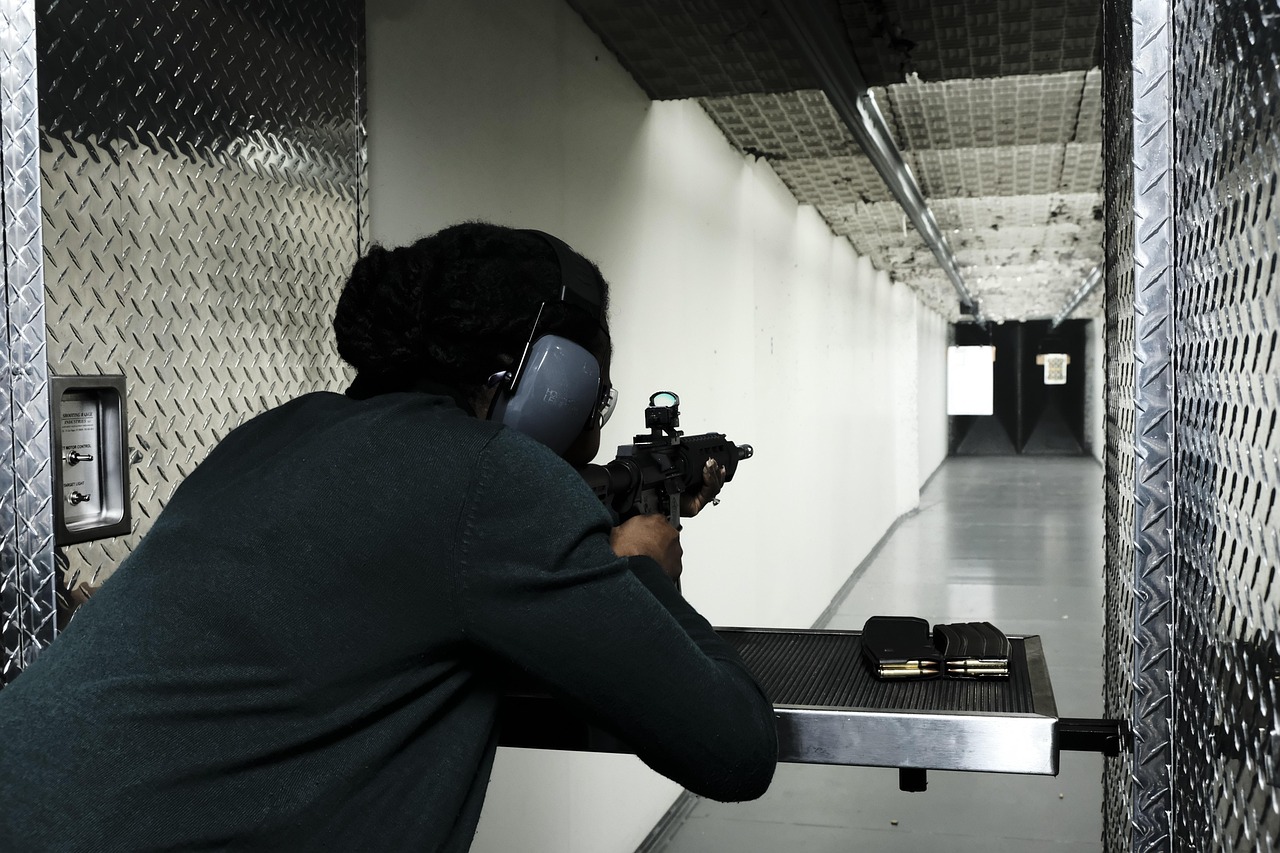
A red dot gives you a simple aiming point that appears on the same visual plane as the target. You keep both eyes open, place the dot where you want it to hit, and press the trigger. There is no concern about eye relief, no magnification to manage, and very little to think about under stress. For close to mid-range work, red dots excel at quick target acquisition and fast follow-up shots. Shooters from Glendale who focus on home defense or short-distance range drills usually benefit from starting here.
Where Scopes Outperform Red Dots
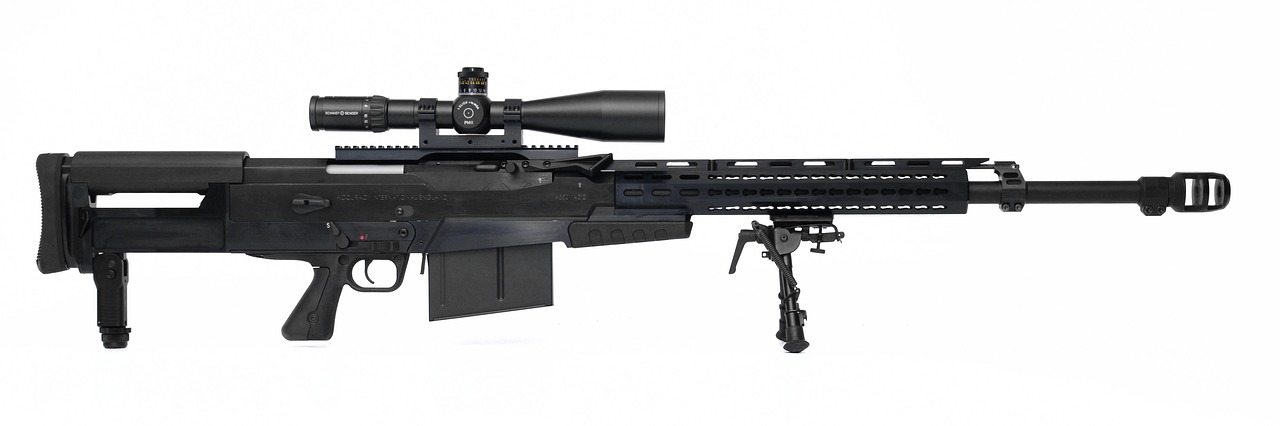
A magnified scope helps when targets move farther away or when shot placement needs to be extremely precise. The optic pulls distant objects closer, reveals small details, and gives you reference marks for elevation and wind. This is where hunters, long-range shooters, and precision-minded rifle users see the payoff. The tradeoff is slower target acquisition and more attention to eye position and body alignment. Scopes reward patience and good fundamentals rather than pure speed.
Speed Versus Detail: The Core Tradeoff
When we talk optics with Glendale customers, we describe the choice as speed versus detail. Red dots favor rapid engagement in a wide field of view. Scopes favor careful shots with more information about what you are aiming at. Neither option is universally “better.” The right choice depends on whether you care more about clearing a hallway quickly, ringing steel at a distance, or logging tight groups on small targets.
How Rifle Setup Influences The Decision
The rifle’s intended role should drive optic selection. A compact carbine dedicated to defensive use usually carries a red dot, sometimes with a flip-to-side magnifier for flexibility. A heavier rifle built for distance generally wears a variable-power scope with clear turrets and a usable reticle. We help shooters think about weight, balance, stock design, and typical shooting distance so the chosen optic fits the platform rather than fighting it.
Common Mistakes We See With Optic Choices
One frequent issue occurs when shooters buy high magnification for very short ranges. They struggle with close targets, feel cramped by eye relief, and end up frustrated. The opposite mistake happens when someone expects a red dot to solve long-range accuracy problems. The optic cannot replace a stable position, good ammo, and finer aiming references. Recognizing these patterns early helps Glendale shooters avoid buying gear that does not match their environment.
Trying Both Options Before Committing
We encourage people to handle rifles equipped with each style of optic on our Phoenix range. Feeling how a red dot tracks during rapid strings and how a scope behaves on the bench tells you more than any spec sheet. Once shooters experience both, the decision usually becomes obvious. The optic that feels natural in the situations they care about is the one they should choose.
If you are coming from Glendale and want a clear walk-through of which optic fits your actual use, call (480) 588-8802 or stop by C2 Tactical of Phoenix. We will look at your rifle, your typical distances, and your goals, then help you settle on glass that truly supports the way you shoot.
Questions about optics come up constantly at C2 Tactical of Phoenix, especially when shooters from Glendale start stretching beyond basic iron sights. Many people know they want “better glass,” but they are unsure whether that means a red dot or a magnified scope. The two tools solve very different problems, and understanding that difference saves time, money, and frustration.
What A Red Dot Sight Actually Does Well
A red dot gives you a simple aiming point that appears on the same visual plane as the target. You keep both eyes open, place the dot where you want it to hit, and press the trigger. There is no concern about eye relief, no magnification to manage, and very little to think about under stress. For close to mid-range work, red dots excel at quick target acquisition and fast follow-up shots. Shooters from Glendale who focus on home defense or short-distance range drills usually benefit from starting here.
Where Scopes Outperform Red Dots
A magnified scope helps when targets move farther away or when shot placement needs to be extremely precise. The optic pulls distant objects closer, reveals small details, and gives you reference marks for elevation and wind. This is where hunters, long-range shooters, and precision-minded rifle users see the payoff. The tradeoff is slower target acquisition and more attention to eye position and body alignment. Scopes reward patience and good fundamentals rather than pure speed.
Speed Versus Detail: The Core Tradeoff
When we talk optics with Glendale customers, we describe the choice as speed versus detail. Red dots favor rapid engagement in a wide field of view. Scopes favor careful shots with more information about what you are aiming at. Neither option is universally “better.” The right choice depends on whether you care more about clearing a hallway quickly, ringing steel at a distance, or logging tight groups on small targets.
How Rifle Setup Influences The Decision
The rifle’s intended role should drive optic selection. A compact carbine dedicated to defensive use usually carries a red dot, sometimes with a flip-to-side magnifier for flexibility. A heavier rifle built for distance generally wears a variable-power scope with clear turrets and a usable reticle. We help shooters think about weight, balance, stock design, and typical shooting distance so the chosen optic fits the platform rather than fighting it.
Common Mistakes We See With Optic Choices
One frequent issue occurs when shooters buy high magnification for very short ranges. They struggle with close targets, feel cramped by eye relief, and end up frustrated. The opposite mistake happens when someone expects a red dot to solve long-range accuracy problems. The optic cannot replace a stable position, good ammo, and finer aiming references. Recognizing these patterns early helps Glendale shooters avoid buying gear that does not match their environment.
Trying Both Options Before Committing
We encourage people to handle rifles equipped with each style of optic on our Phoenix range. Feeling how a red dot tracks during rapid strings and how a scope behaves on the bench tells you more than any spec sheet. Once shooters experience both, the decision usually becomes obvious. The optic that feels natural in the situations they care about is the one they should choose.
If you are coming from Glendale and want a clear walk-through of which optic fits your actual use, call (480) 588-8802 or stop by C2 Tactical of Phoenix. We will look at your rifle, your typical distances, and your goals, then help you settle on glass that truly supports the way you shoot.
Glendale, AZ - Gun Range Discusses Difference Between Red Dot Sights and Scopes
SYNOPSIS: C2 Tactical of Phoenix explains for shooters from Glendale, AZ how red dot sights and magnified scopes differ in use, speed, and distance so they can match optics to real shooting goals.
Red Dot Or Scope? Picking The Right Glass
BY: Vincent Vasquez, C2 Tactical of Phoenix, AZ
Questions about optics come up constantly at C2 Tactical of Phoenix, especially when shooters from Glendale start stretching beyond basic iron sights. Many people know they want “better glass,” but they are unsure whether that means a red dot or a magnified scope. The two tools solve very different problems, and understanding that difference saves time, money, and frustration.
What A Red Dot Sight Actually Does Well
A red dot gives you a simple aiming point that appears on the same visual plane as the target. You keep both eyes open, place the dot where you want it to hit, and press the trigger. There is no concern about eye relief, no magnification to manage, and very little to think about under stress. For close to mid-range work, red dots excel at quick target acquisition and fast follow-up shots. Shooters from Glendale who focus on home defense or short-distance range drills usually benefit from starting here.
Where Scopes Outperform Red Dots
A magnified scope helps when targets move farther away or when shot placement needs to be extremely precise. The optic pulls distant objects closer, reveals small details, and gives you reference marks for elevation and wind. This is where hunters, long-range shooters, and precision-minded rifle users see the payoff. The tradeoff is slower target acquisition and more attention to eye position and body alignment. Scopes reward patience and good fundamentals rather than pure speed.
Speed Versus Detail: The Core Tradeoff
When we talk optics with Glendale customers, we describe the choice as speed versus detail. Red dots favor rapid engagement in a wide field of view. Scopes favor careful shots with more information about what you are aiming at. Neither option is universally “better.” The right choice depends on whether you care more about clearing a hallway quickly, ringing steel at a distance, or logging tight groups on small targets.
How Rifle Setup Influences The Decision
The rifle’s intended role should drive optic selection. A compact carbine dedicated to defensive use usually carries a red dot, sometimes with a flip-to-side magnifier for flexibility. A heavier rifle built for distance generally wears a variable-power scope with clear turrets and a usable reticle. We help shooters think about weight, balance, stock design, and typical shooting distance so the chosen optic fits the platform rather than fighting it.
Common Mistakes We See With Optic Choices
One frequent issue occurs when shooters buy high magnification for very short ranges. They struggle with close targets, feel cramped by eye relief, and end up frustrated. The opposite mistake happens when someone expects a red dot to solve long-range accuracy problems. The optic cannot replace a stable position, good ammo, and finer aiming references. Recognizing these patterns early helps Glendale shooters avoid buying gear that does not match their environment.
Trying Both Options Before Committing
We encourage people to handle rifles equipped with each style of optic on our Phoenix range. Feeling how a red dot tracks during rapid strings and how a scope behaves on the bench tells you more than any spec sheet. Once shooters experience both, the decision usually becomes obvious. The optic that feels natural in the situations they care about is the one they should choose.
If you are coming from Glendale and want a clear walk-through of which optic fits your actual use, call (480) 588-8802 or stop by C2 Tactical of Phoenix. We will look at your rifle, your typical distances, and your goals, then help you settle on glass that truly supports the way you shoot.