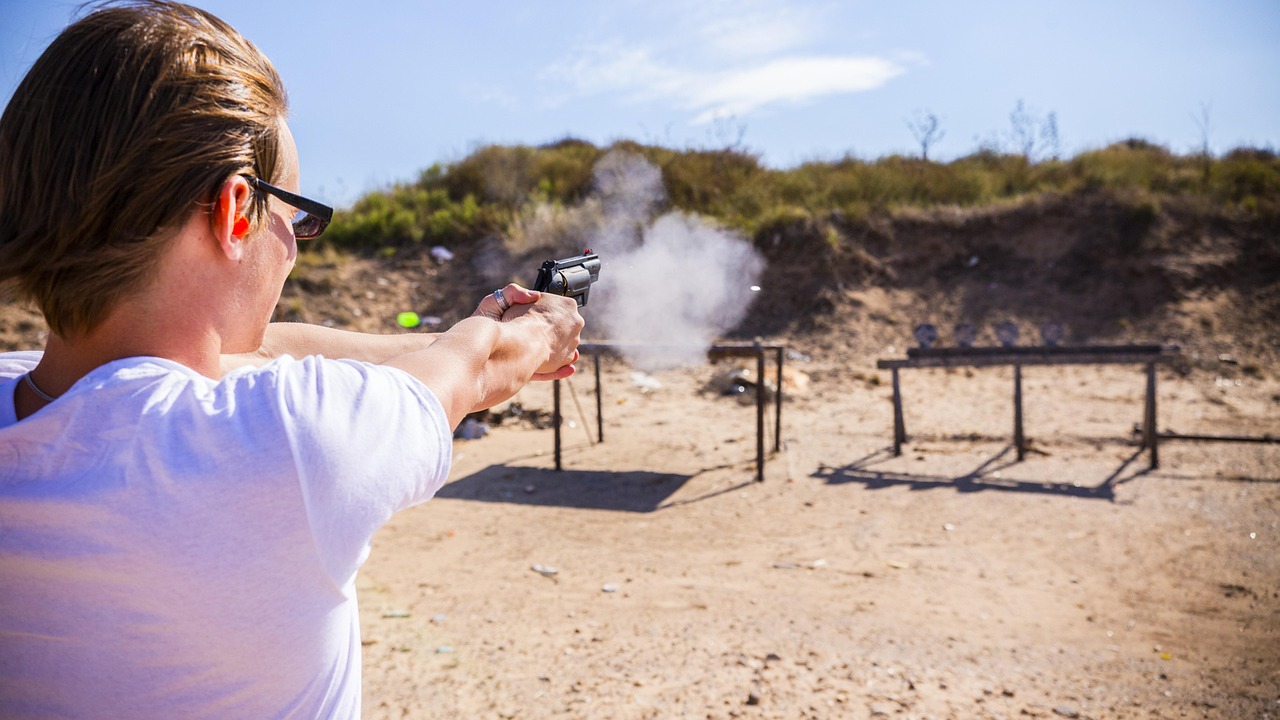
At C2 Tactical of Phoenix, we teach that stationary marksmanship is only part of the picture. Real situations require you to move, change positions, and keep your focus on the target while your body is in motion. Move and shoot skills help you stay accurate while managing balance, recoil, and environmental changes. When done the right way, movement adds options, not risk.
Start With The Basics: Posture And Footwork
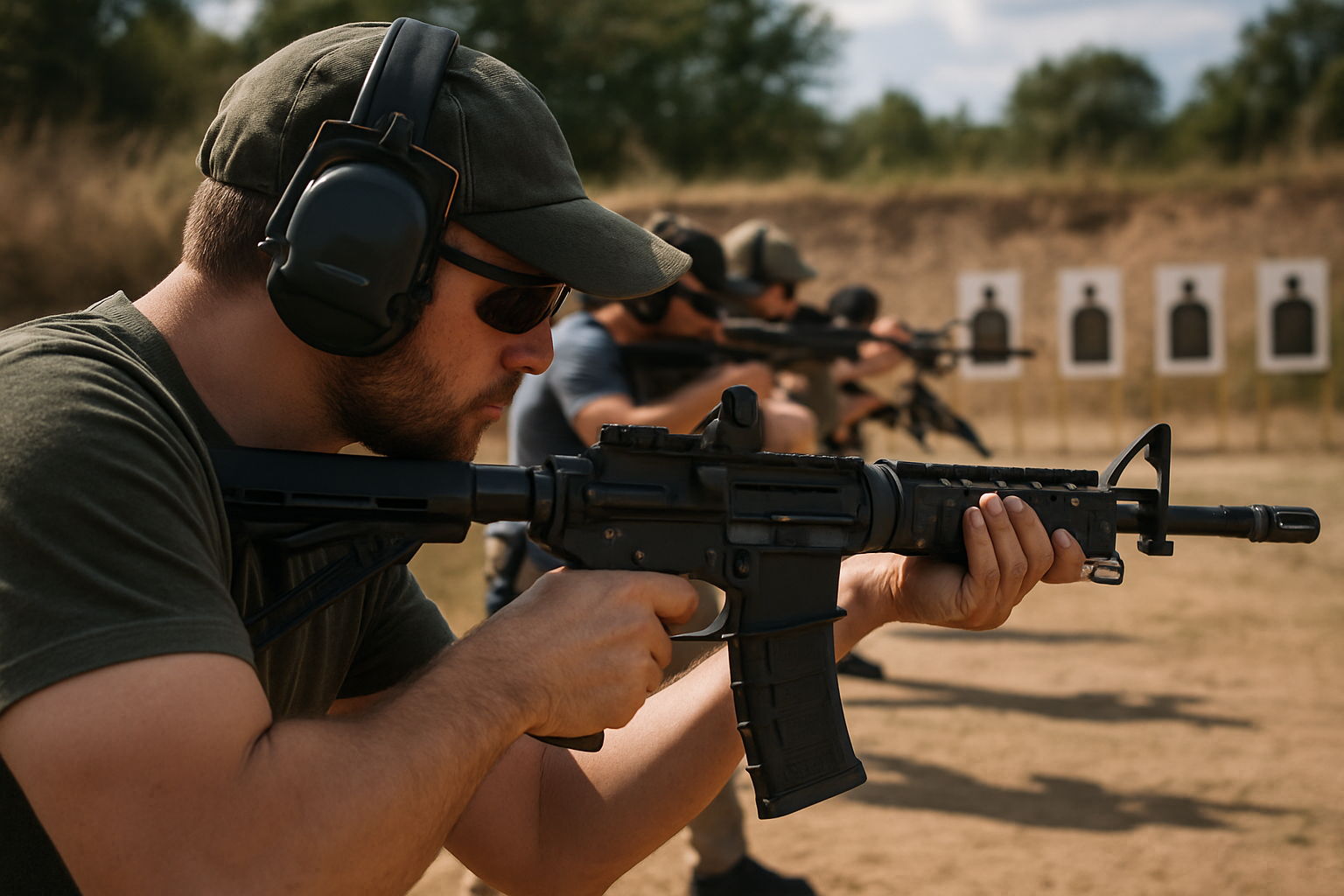
The foundation for moving and shooting is solid posture and simple footwork. Keep a balanced, athletic stance. Knees slightly bent. Weight is distributed toward the balls of your feet. Small, deliberate steps let you maintain sight picture. Drive the movement from the hips and core, not from the arms. Practice walking, stopping, and reestablishing your sights until those actions feel natural.
Learn To Move Without Breaking The Sight Picture
Most misses happen because shooters yank their sights while moving. The goal is to move efficiently and then reacquire the sights quickly. Use short controlled steps, pause to breathe, and allow your body to settle for a fraction of a second before the trigger break. That pause is not hesitation. It is controlled timing that preserves accuracy.
Transitions Between Targets And Positions
Transitions are the bridge between movement and engagement. Work on switching focus from one target to the next using a fluid head and eye movement. Train shoulder and hip alignment so your body follows your eyes. Practice low-to-high and high-to-low transitions so you can change shooting planes smoothly. For positional transitions, rehearse getting to cover, presenting, and returning to a stable firing position.
Movement Drills That Build Skill
Here are the drills we run with students at the range:
- Slow Walk Drill: Move three steps, stop, two rounds, move three steps, repeat. Focus on consistent follow-through.
- Box Drill: Move around a square, presenting and firing at each corner to develop turns and lateral shooting.
- Transition Ladder: Line up targets at different heights and practice shifting aim between them without losing rhythm.
Timing, Cadence, And Breathing
Movement affects your breathing and trigger timing. Try exhaling gently and timing the trigger during the natural pause after the breath. Use short, steady presses rather than jerks. Keep cadence consistent. Over time, your nervous system will learn to sync movement with controlled trigger breaks.
Safety And Equipment Tips
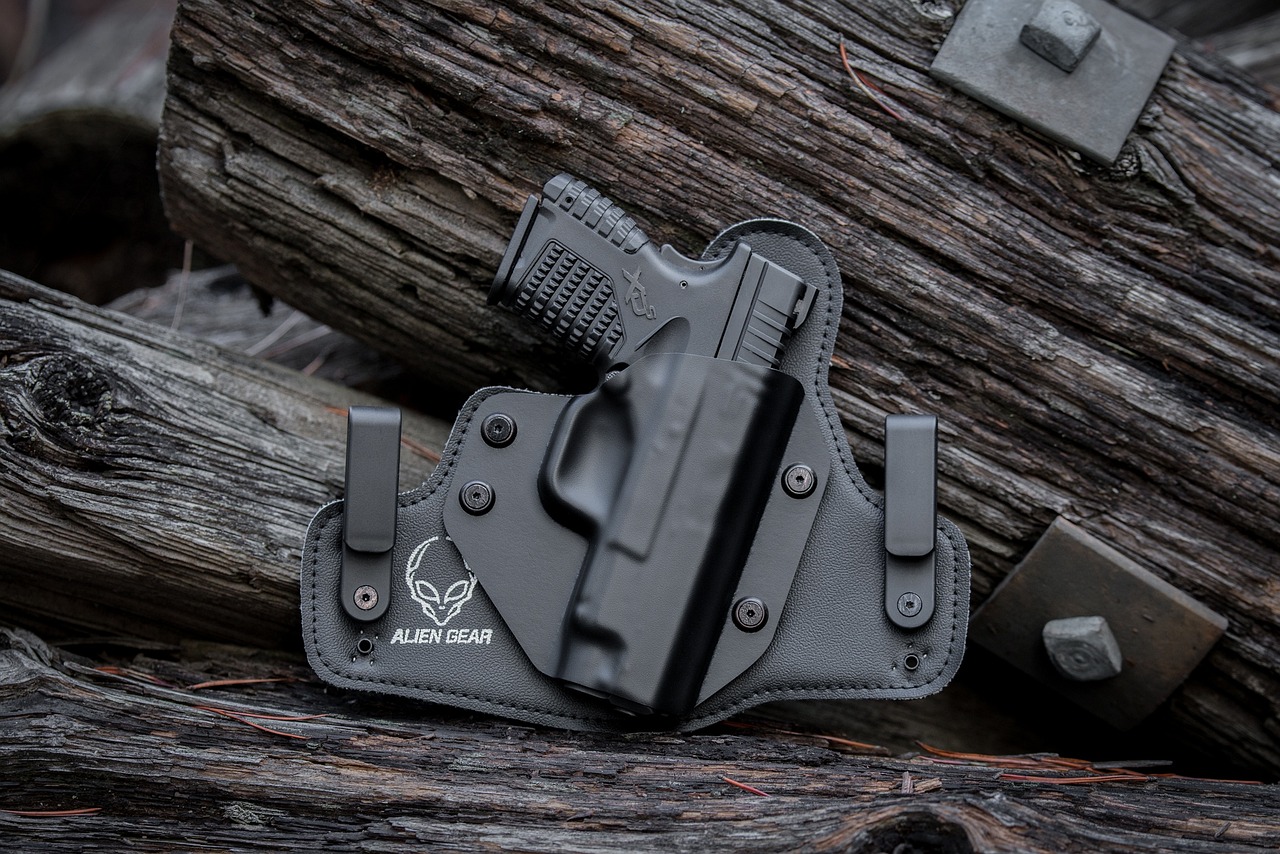
Use a holster that secures the firearm well during motion. Make sure your gear is tight and not flapping. Wear good footwear with traction. Keep a lane clear when doing movement drills, and let range staff know what you will practice. Use dummy rounds for dry-fire practice of draws and transitions before live fire.
How To Build A Training Progression
- Start with dry-fire practice in a safe area.
- Add slow live-fire drills on the range with an instructor watching.
- Increase speed only after groups are consistent.
- Move from single-target to multi-target sequences, then add angles, cover, and low-light work as you gain competence.
Train Smarter With Us At C2 Tactical Of Phoenix
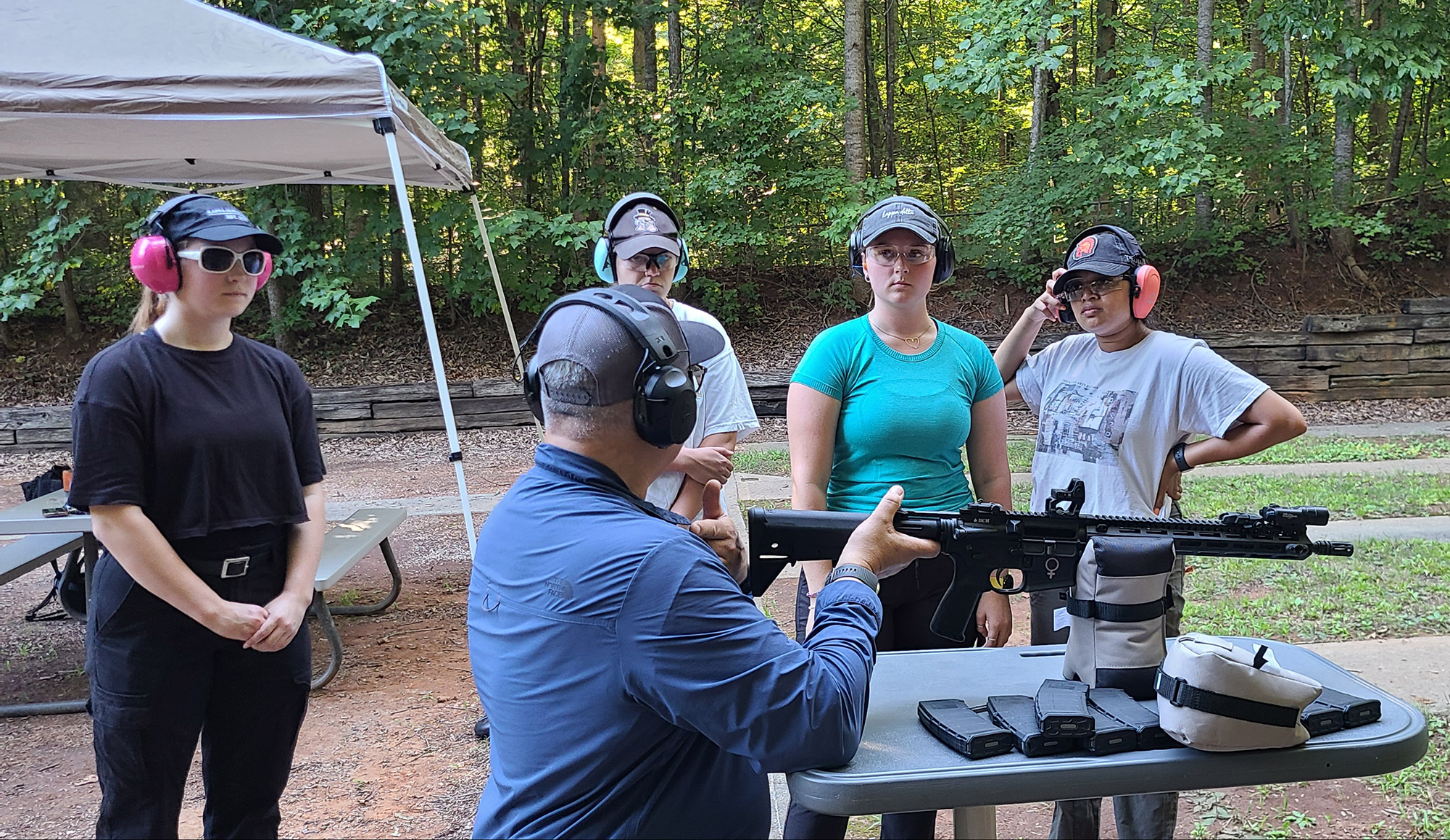
We run movement-focused classes that emphasize safe progressions, instant feedback, and repeatable drills. Our instructors break down each motion and correct small faults before they become habits. If you want to train move and shoot skills that work under stress, come join a class and practice with a plan.
Book a session at C2 Tactical of Phoenix. We will pair you with an instructor, set up progressive drills, and help you measure real improvements in speed and accuracy.