Most range trips focus on hits—fair enough—accuracy matters. But the skill that keeps people safest often starts before the first shot: situational awareness. In plain terms, it’s staying tuned to what’s normal, spotting what’s not, and acting early. Peoria shooters who build awareness alongside marksmanship carry themselves differently in parking lots, gas stations, and crowded venues—and they make better decisions on the line, too.
Awareness, in real life
Think in layers. First, set a calm, alert baseline (many refer to this as “Condition Yellow”): keep your head up, hands free, and eyes moving. Note exits, lighting, and people’s hands. Who’s coming in? What are they carrying? Is anyone closing the distance quickly without a reason? Awareness isn’t paranoia. It’s curiosity with a purpose—catching a problem when it’s small enough to avoid.
A simple decision-making tool is the OODA loop, which consists of the steps Observe, Orient, Decide, and Act. You’re already running that loop all day; training makes it faster and cleaner. Spotting pre-attack cues (target glances, hidden hands, unusual beelines) gives time to change position, use your voice, or disengage long before force is even a consideration.
How ranges reinforce it
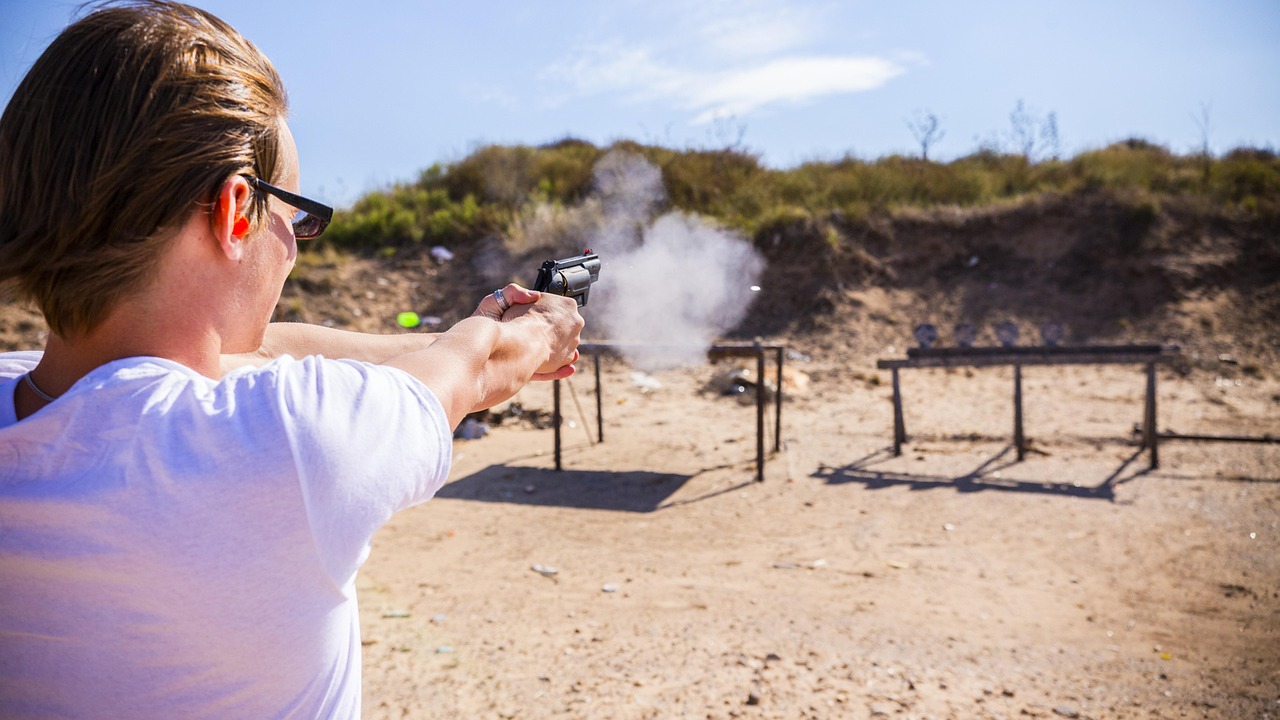
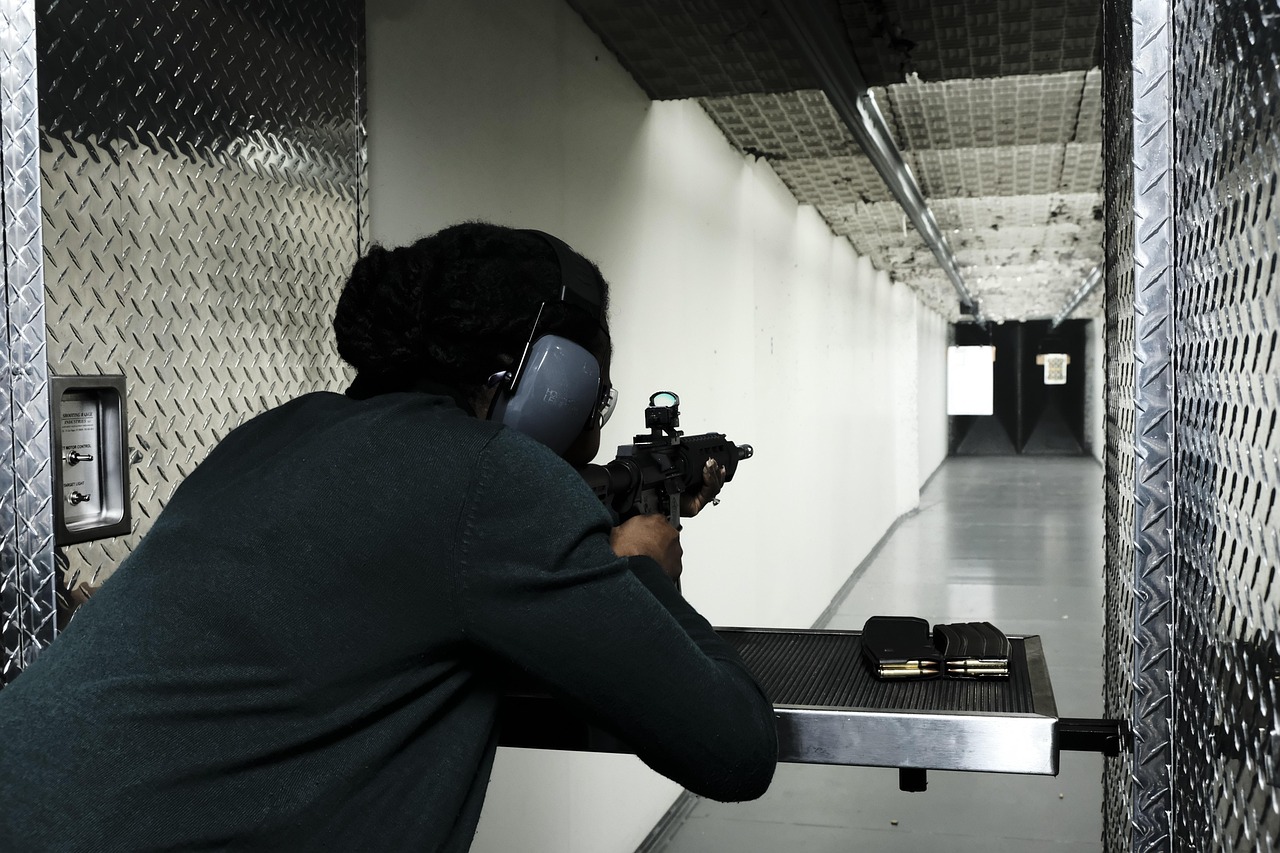
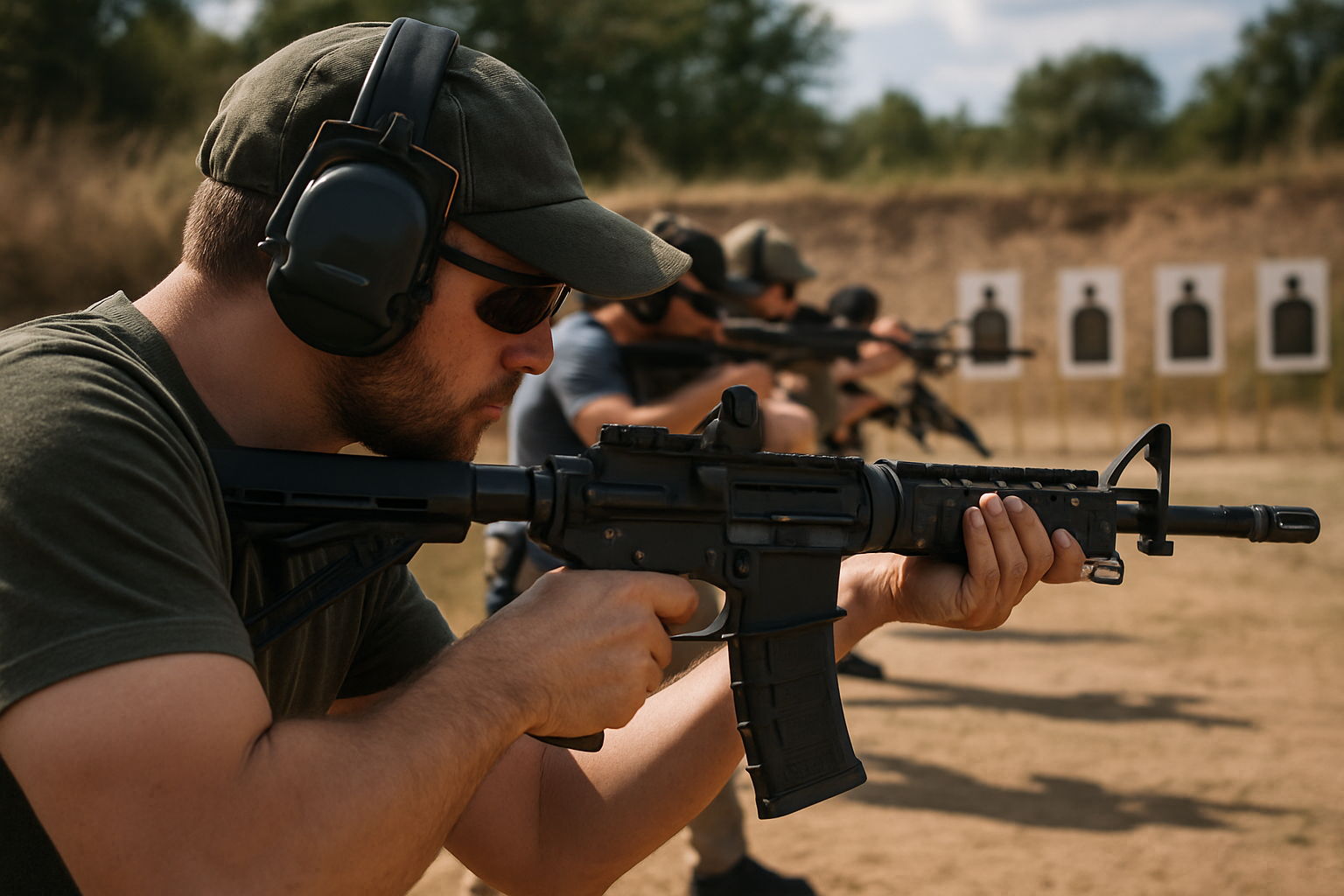
Awareness belongs in the range as much as in a parking lot. After each string, keep the muzzle downrange, finger indexed, and breathe. Let your
eyes scan first—near to far—then deliberately reholster. Listen for range commands. Watch other lanes for stoppages or hot brass. Small habits like these build a “see first, act deliberately” rhythm that follows you outside the building.
Why simulators shine for judgment
Live fire proves mechanics; a simulator accelerates judgment. At C2 Tactical in Phoenix, simulator-only sessions allow students to rehearse verbal commands, manage unknown contacts, and make shoot/no-shoot calls without the recoil or noise associated with live-fire training. Scenarios pause for coaching, then replay so you can try a different approach—such as angling off, creating distance, or de-escalating with your voice. Corporate groups and private classes use the same environment to practice teamwork and communication.
Drills that build awareness (and are easy to run)
- Pre-brief & post-brief: Before a string, state your plan (target, distance, round count). After that, breathe, scan with your eyes, and call the shots you think you made.
- “See & say” reps: On the signal, name a nearby landmark or exit before you press the first shot. It keeps the brain wide, not tunnel-locked.
- Light discipline practice: For low-light students, integrate a handheld or weapon light—identify first, then decide.
- Position and angles: Take a half step left or right before pressing the trigger to break tunnel vision and test sight reacquisition.
Everyday carry meets everyday life.
Carrying responsibly means blending skill with choices: picking seating that faces an exit, keeping the phone down in transitional spaces, staging a flashlight for after-dark errands, and walking with a “heads-up” posture. Families can agree on simple roles, such as “rally at the cashier” and “you call for help while I observe.” The goal isn’t to be confrontational; it’s to avoid surprises.
A path that works for Peoria shooters
- Start in the simulator (30–45 minutes): practice verbalization, distance management, and no-shoot decisions.
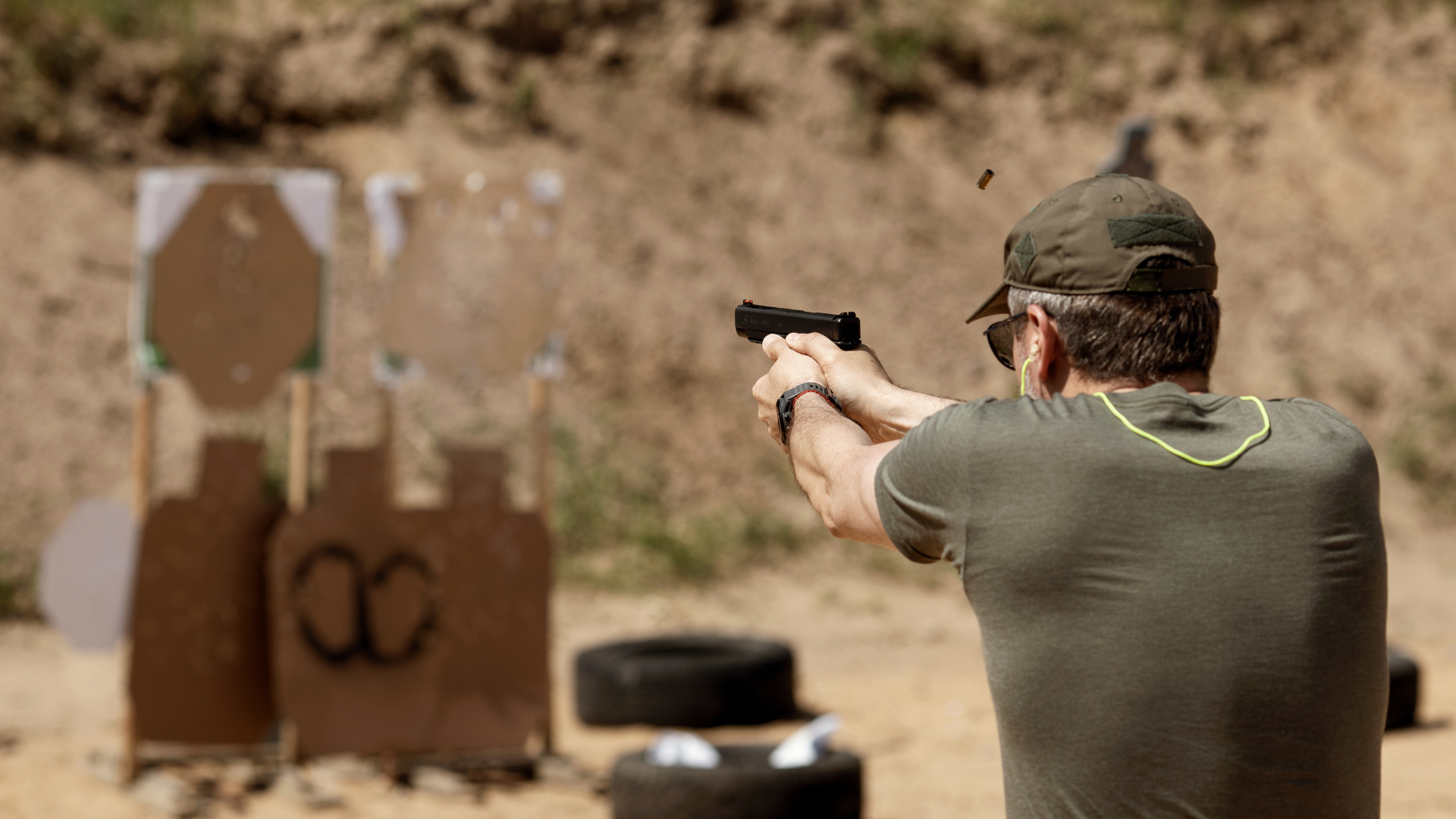
- Confirm on live fire: short, accurate strings with a deliberate scan and controlled reholster.
- Book a private lesson: an instructor will refine your mechanics, tighten your scanning routine, and assign at-home dry practice using a flashlight and your phone.
- Add a group class or weekly match: pressure—done safely—sharpens awareness and pace.
- Stay consistent: memberships make short, focused sessions a habit.
Ready to level up?
Check the
calendar for simulator-only sessions,
private lessons, and
private group training. New shooters will find structured guidance, while returning shooters can stress-test their decision-making before pushing their speed. Situational awareness isn’t a switch you flip—it’s a skill you train. Build it on purpose, then carry it everywhere you go.