A dependable firearm starts long before you step onto the range. Routine cleaning and inspection keep parts moving smoothly, prevent corrosion, and catch minor issues before they become malfunctions. If you're in Glendale and train at C2 Tactical of Phoenix, here's a simple, proven approach that works for handguns, rifles, and shotguns.
Start safe, every time.
Clear the area of ammunition, point in a safe direction, and verify the firearm is unloaded—magazine out, chamber inspected visually and physically. Keep ammo in another room until reassembly and a final function check are complete.
Gear you'll actually use
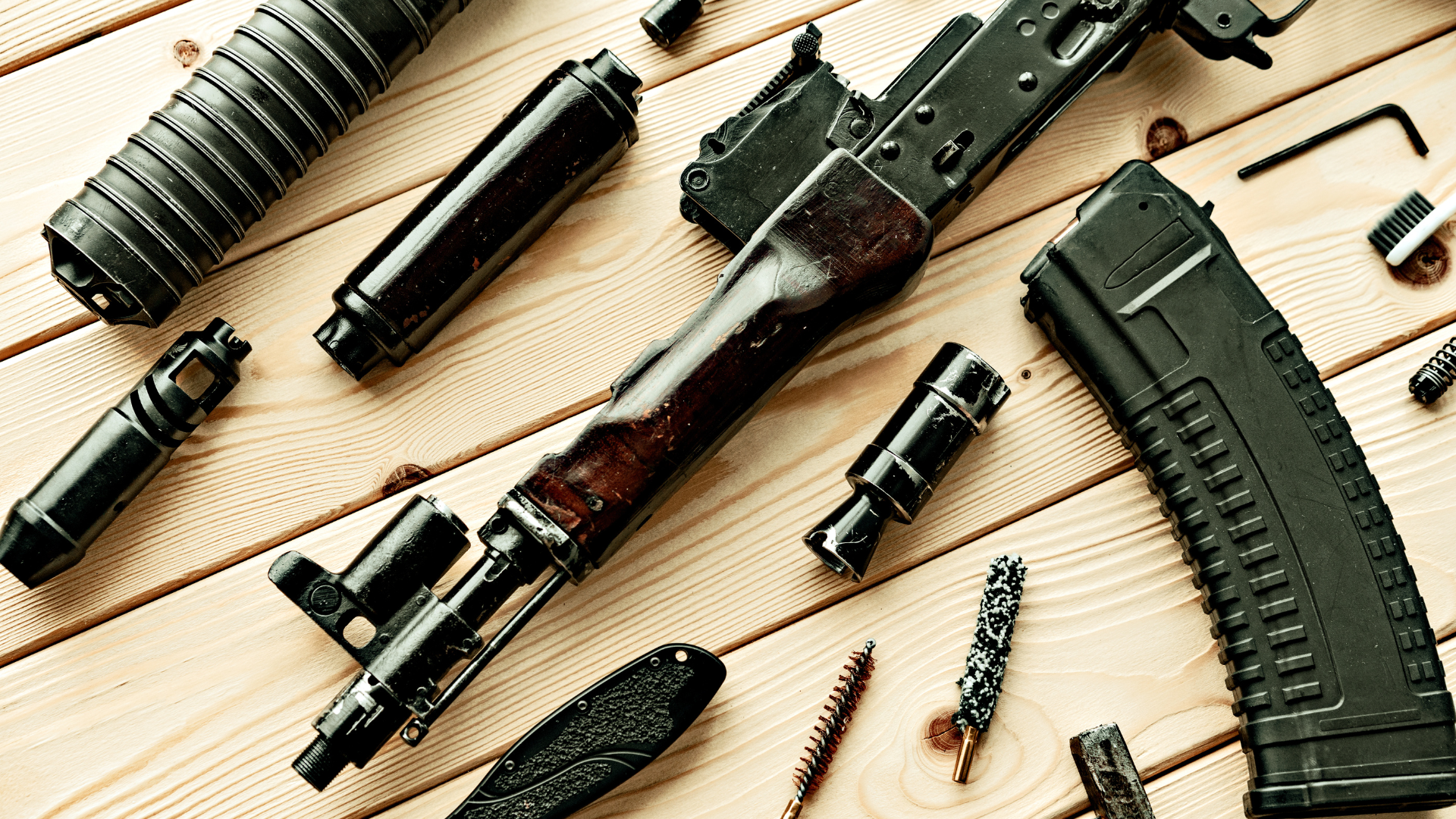
You don't need a huge kit. Grab a bore brush and jag/patches in the correct caliber, nylon utility brush, cotton swabs, microfiber cloths, a quality solvent, and a light oil or CLP. A bore snake is excellent for quick wipe-downs after the range; a proper rod and jag give you a deeper clean when you're home.
Barrel: accuracy begins here
Always clean from chamber to muzzle when possible. Apply solvent, let it work, then run a few passes with a bore brush. Follow with patches until they come out clean. Finish with a lightly oiled patch for storage, or a dry patch if you're shooting soon—excess oil in the bore can affect the accuracy of the first shot.
Actions & slides: where grit causes stoppages
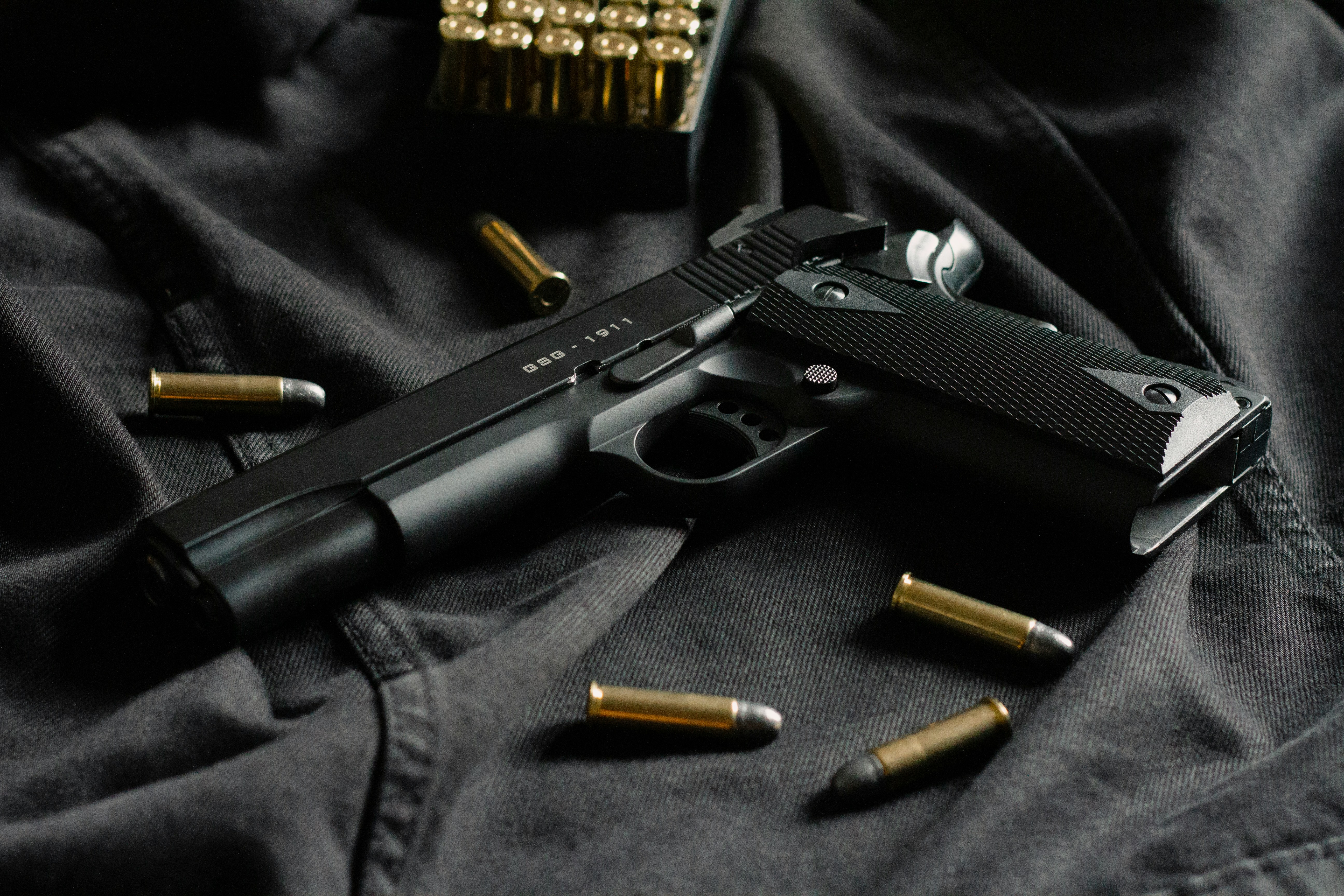
- Handguns: Wipe carbon from the slide, breech face, extractor, feed ramp, and frame rails with solvent and a nylon brush.
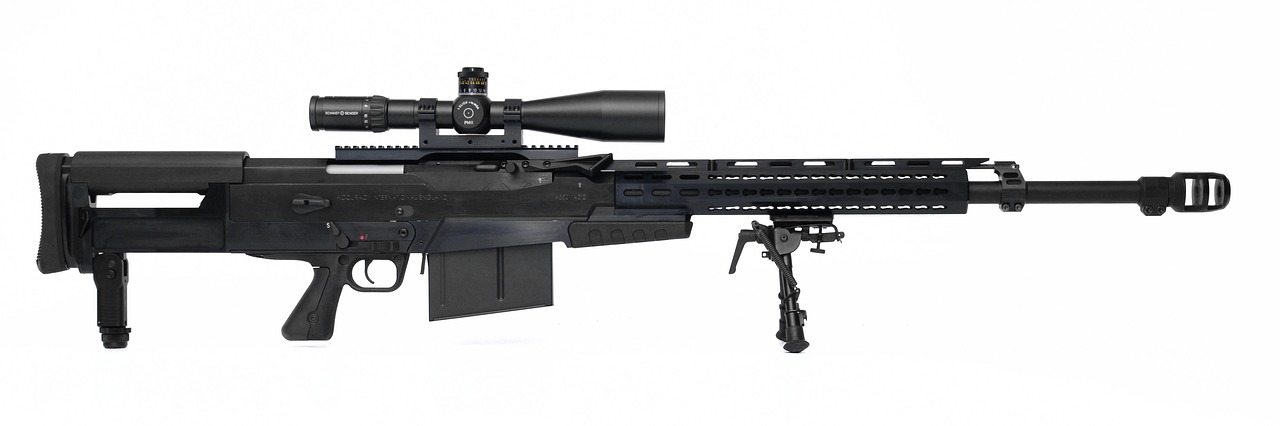
- Rifles: Focus on the bolt/bolt carrier, lugs, gas rings (AR), and chamber lugs. Use a chamber brush if you have one.
- Shotguns: Clean the chamber and action bars; remove and wipe the choke tube, then apply a thin film of grease to the threads before reinstalling.
Magazines & accessories
Most "mystery malfunctions" come from dirty or damaged mags. Disassemble according to the manual, wipe the tube and follower, and inspect springs and feed lips. Replace any magazine that's dented or unreliable. Check the optics mounts and screws, and confirm the torque according to the manufacturer's specifications.
Lube: just enough, in the right places
Less is more.
- Handguns: A drop of approximately 0.1 mm on each slide rail, barrel hood, and cam/locking surfaces is usually sufficient.
- Rifles: Light oil on bolt lugs, cam pin, and carrier rails; avoid flooding the gas system.
- Shotguns: Thin coat on action bars, hinge/pivot points, and a touch on exterior surfaces to prevent rust.
Wipe away visible pools—excess oil attracts debris.
Reassemble, perform a function check, and store the right one.
Perform a basic function check: cycle the action, verify reset, and confirm safeties. Store in a cool, dry place. A dehumidifier or desiccant in your safe protects finishes and electronics. Keep a simple log with date, round count, and any notes—you'll spot wear patterns early.
How often should you clean?
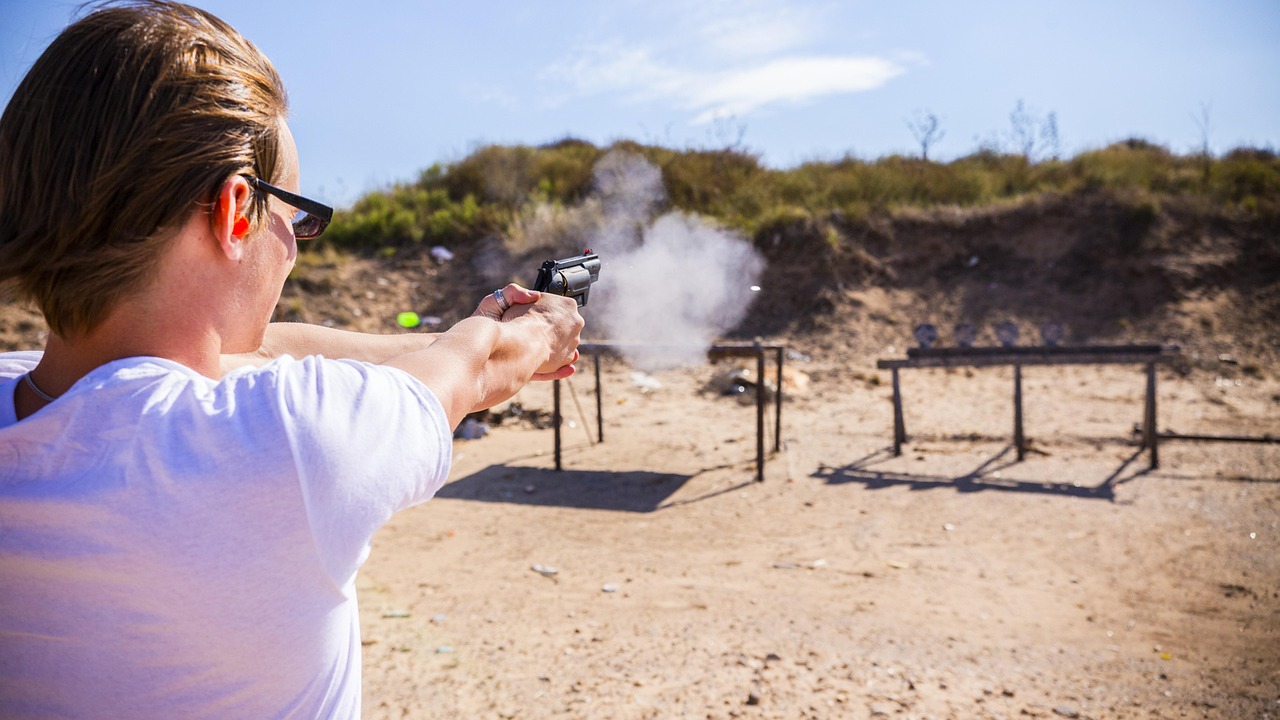
After every live-fire session, it is ideal to carry guns and home-defense rifles. For range-only firearms, a quick post-session wipe and a pass with a bore snake, followed by a complete clean every few outings, works well. In Arizona's dust, add a fast exterior wipe whenever you've been outdoors.
Want a hands-on walkthrough?
C2 Tactical of Phoenix offers private lessons, small-group classes, and simulator sessions to sharpen skills—and instructors can review your cleaning routine, identify wear, and recommend platform-specific tips. Rentals allow you to compare finishes and coatings that simplify upkeep, and memberships make regular practice (and quick wipe-downs) part of your routine.
Next step for Glendale shooters: Bring your firearm and questions to a private lesson or consultation, or plan a simulator and range session. A clean gun, a little know-how, and consistent practice add up to reliable performance when it matters.