When you’re building real shooting skill, the question isn’t simulator
or live fire—it’s how to use both in the proper order. At C2 Tactical in Phoenix, the training path often begins in a judgment-free simulator, then transitions to a live lane once fundamentals are established. Here’s a clear comparison and a simple roadmap to make each session count.
What simulator training delivers
Think of the simulator as a high-repetition, low-stress lab. You practice grip, stance, sight alignment, trigger press, and target transitions without recoil or muzzle blast competing for attention. That makes it ideal for new shooters, anyone returning after a break, or experienced shooters ironing out minor errors. Instructors can pause and replay scenarios, give immediate feedback, and stack quality reps in minutes. It’s also a strong fit for corporate groups and private classes—participants learn safe handling and decision-making before stepping onto a live range.
Upside: rapid fundamentals, scenario variety, instant coaching, no ammo use, weather-proof, great for confidence building.
Trade-offs: no genuine recoil impulse, no live report, less stress inoculation than the range.
What live-fire range time delivers
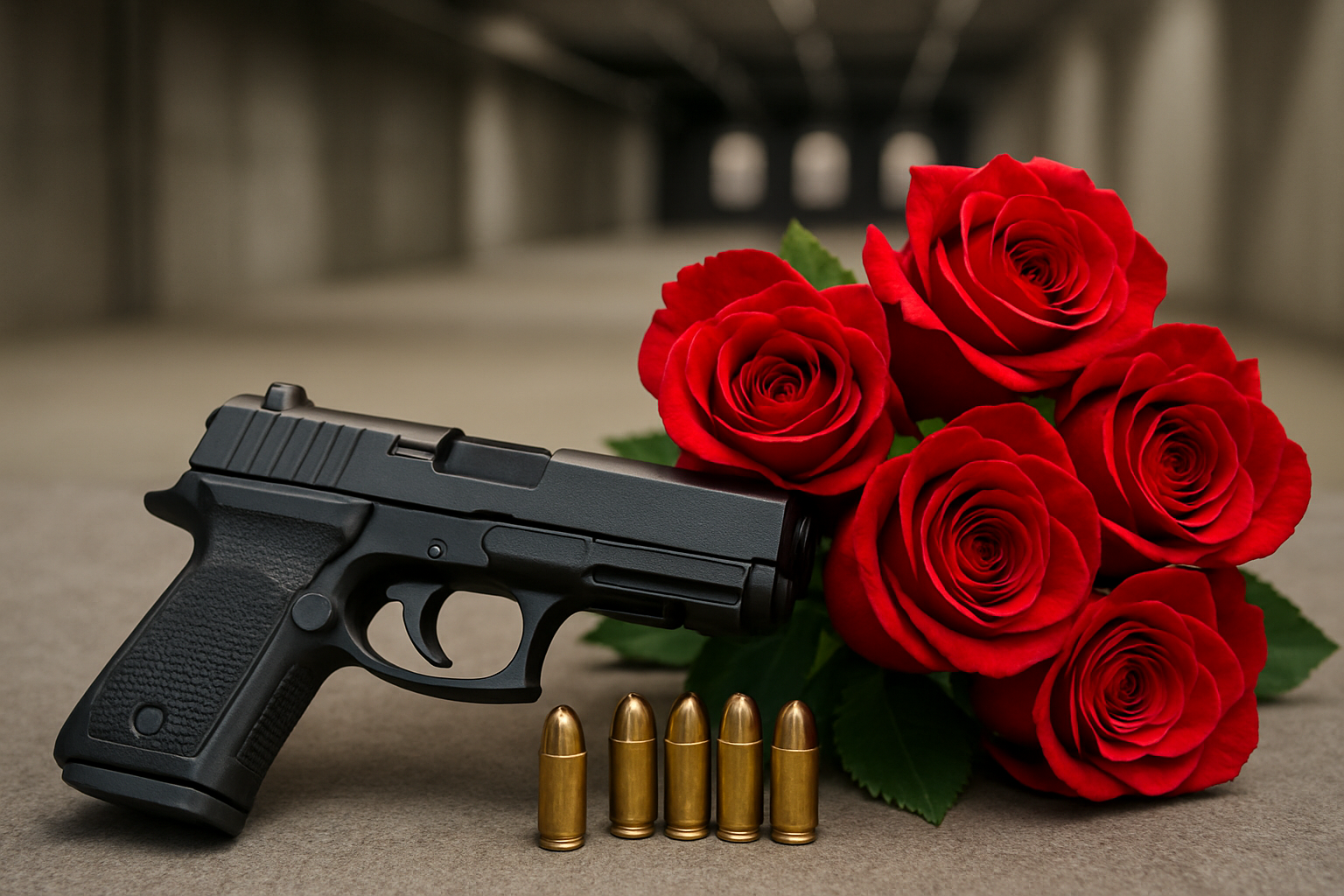
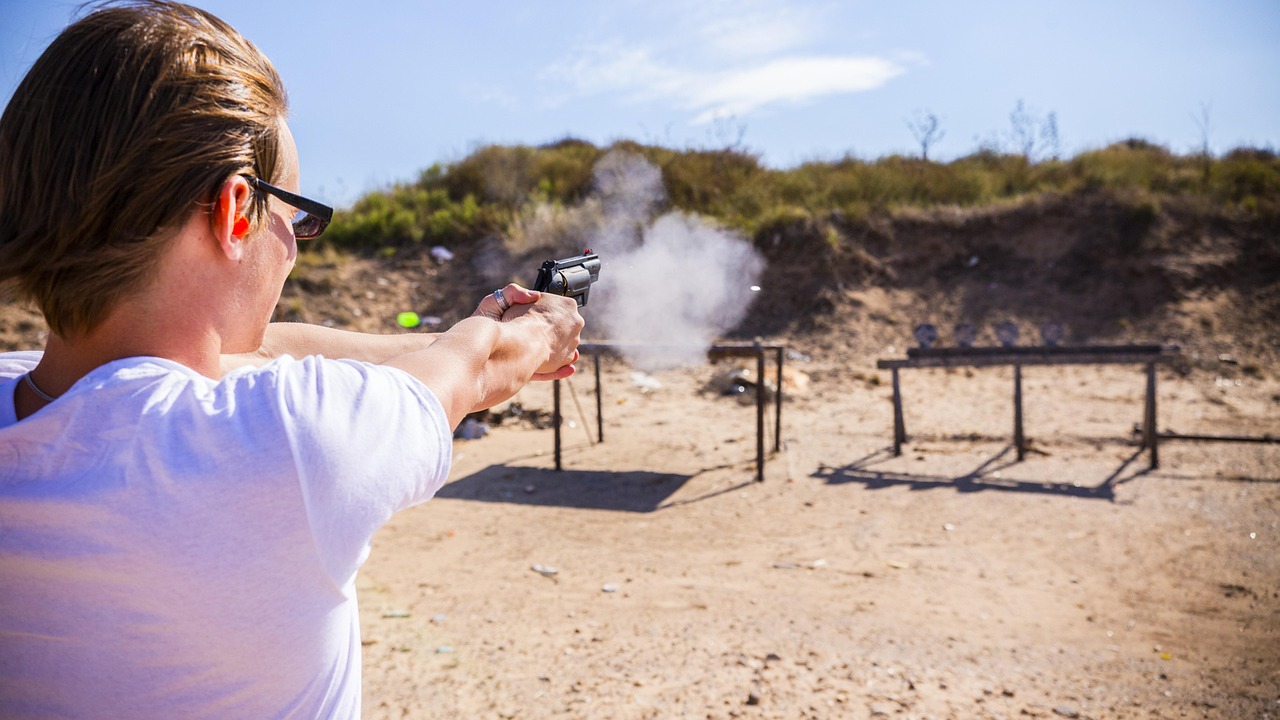
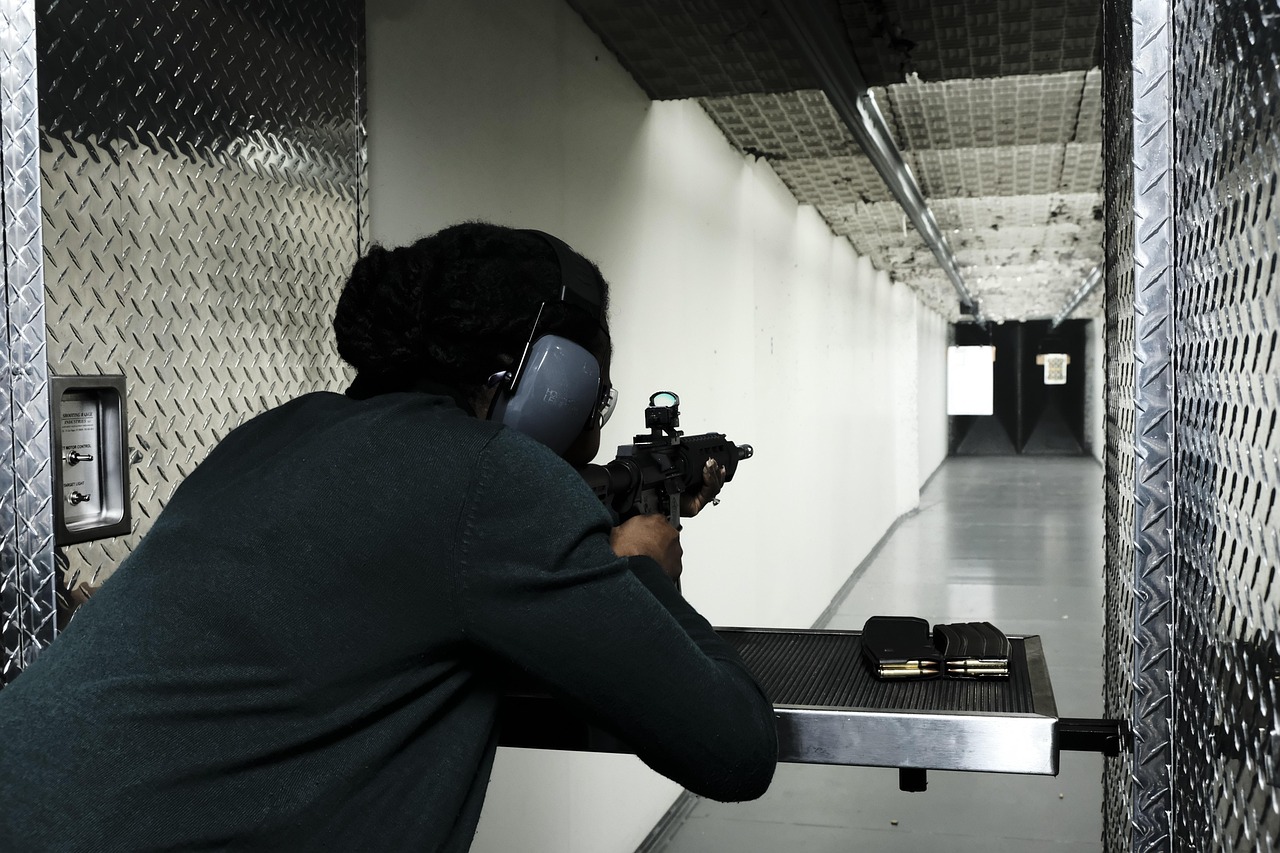
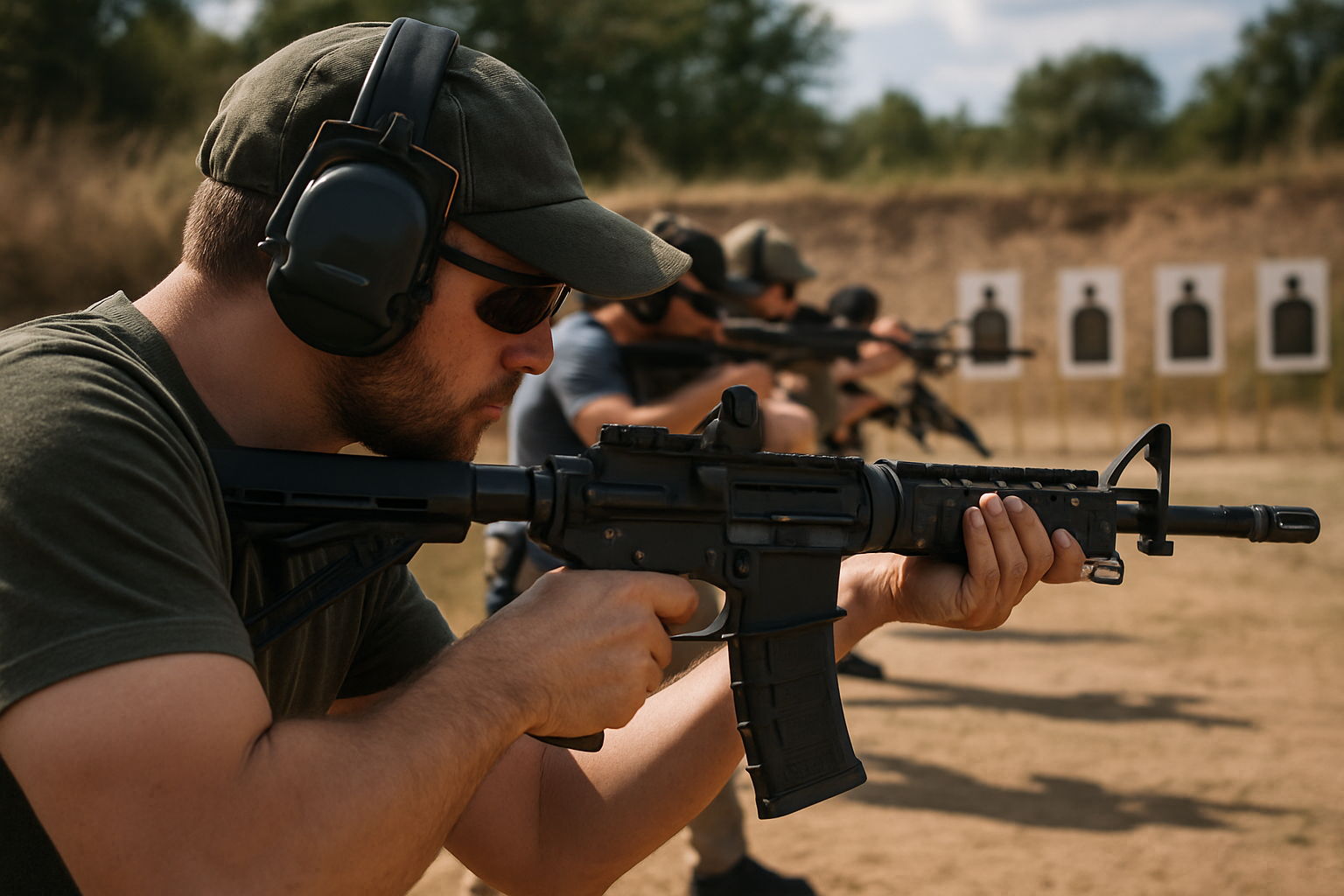
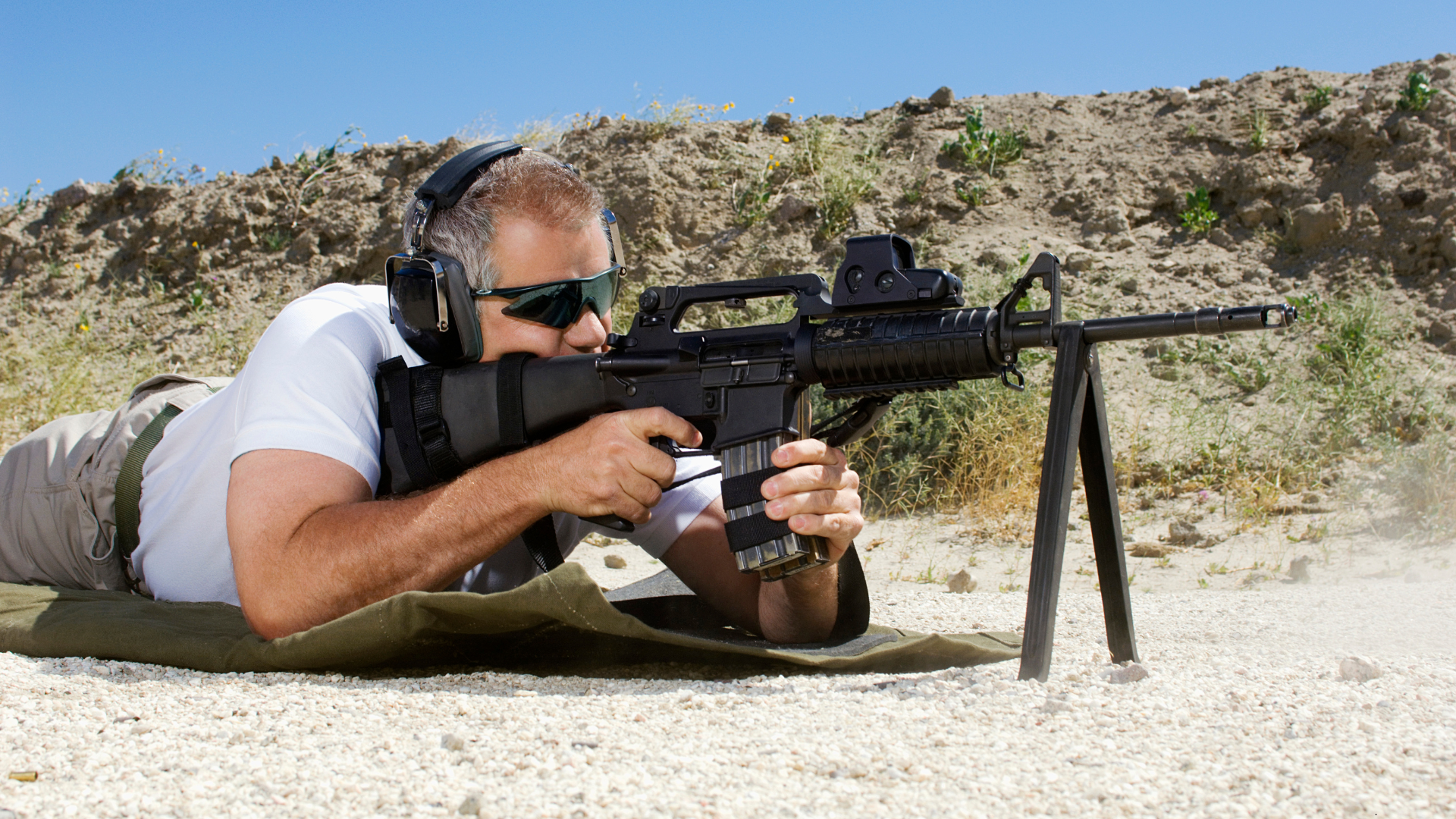
Live fire is where your mechanics meet reality. Recoil, blast, and time pressure test whether your stance is stable, your grip pressure remains consistent, and your trigger press remains straight back. You’ll confirm zero, verify sight return, and track the dot or front sight through recoil. Live-fire sessions also validate equipment choices—grip size, optics, and caliber—that felt “right” in a classroom may tell a different story on paper.
Upside: recoil management, real muzzle discipline, shot calling, and confidence with your chosen firearm.
Trade-offs: slower iteration, higher ammo cost, and less room for immediate do-overs.
Cost, time, and logistics
Simulator-only packages minimize ammo costs and let you train even when lanes are full. Live-fire packages and memberships make regular practice predictable and affordable. Private lessons and private group training compress the learning curve either way; a focused hour with an instructor can eliminate problems that might linger for months.
A blended plan that works
- Start in the simulator (30–60 minutes): Build stance, grip, sight picture, and a smooth trigger press. Run a few judgment drills to practice making safe and decisive choices.
- Transition to live fire: At close distance, confirm mechanics with five-shot groups into a small circle. Add controlled pairs and strong-/support-hand reps.
- Book a private lesson: An instructor will fine-tune grip pressure, trigger path, and vision techniques, then assign at-home dry-fire drills to help you improve.
- Re-test in the simulator: Rehearse the new cues, then return to the range to lock them in.
- Scale up with matches or group classes: Weekly competitions and themed classes add healthy pressure and measurable progress.
Who benefits most from each
- New shooters: Start with the simulator to overcome fear and establish safe habits, then transition to live fire to confirm your skills.
- Skill refreshers: A simulator block quickly rebuilds confidence before live ammo.
- Decision-making practice: Scenario work in the simulator sharpens judgment; live-fire exercises verify control.
- Women exploring fit and training style: Dedicated programs help tailor both environments to personal goals.
How to get started at C2 Tactical of Phoenix
Choose a simulator-only session to sharpen fundamentals, or reserve a range package and add a private lesson for targeted coaching. Private group classes are ideal for teams and events, while memberships help you stay consistent with your training. If you’re unsure where to begin, schedule a private firearm consultation—our staff will create a plan tailored to your timeline, budget, and skill level.
Use the simulator to learn fast. Use live fire to prove it. Blending both turns good reps into confident performance.