At C2 Tactical of Phoenix, we believe skill grows best when you can see it. Scorecards, shooters track habits, spot trends, and set real goals on the range. We guide you through using scorecards that reflect both skill and focus. When you write down your numbers, you create a clear picture of your progress over time.
Pick the Right Stats to Watch
You need to know what counts. Most shooters start with shots on target, group size, and consistency. Others add details like X-ring hits or split times. Some good starting metrics include:
- Shots on target for accuracy tracking
- Group size to measure precision
- Split times for speed and control
- X-ring hits for high-accuracy goals
We can help you narrow down the key data that matches your training objectives.
Keep It Simple and Repeatable
A scorecard should be quick to fill out so it doesn’t disrupt your session. Keep the format straightforward:
- Date of the session
- Firearm and ammo used
- Group size and shot placement
- Notes about technique or conditions that day
A plain sheet of paper or a simple spreadsheet works. The key is to use it consistently.
Use Tools That Make It Easy
Paper works well, but there are also digital tools that can speed things up. The TargetScan app is one option. Just snap a photo of your target, and it calculates your score, group size, and other useful stats. You can quickly:
- Review past sessions
- See wind and elevation adjustments
- Track spread patterns for improvement
Update Regularly and Watch Trends
A scorecard only helps when you keep it up to date. After each session, take a minute to jot down your numbers and note anything that felt different, like trying a new grip or shooting while tired. Over time, these notes help you spot trends in your performance.
Review and Adjust
Once you notice patterns, like groups opening up during rapid fire, bring your scorecard to an instructor. They can break down what’s causing the shift and offer drills to fix it. The data gives both of you a starting point for improvement.
Why Some Shooters Say It Works
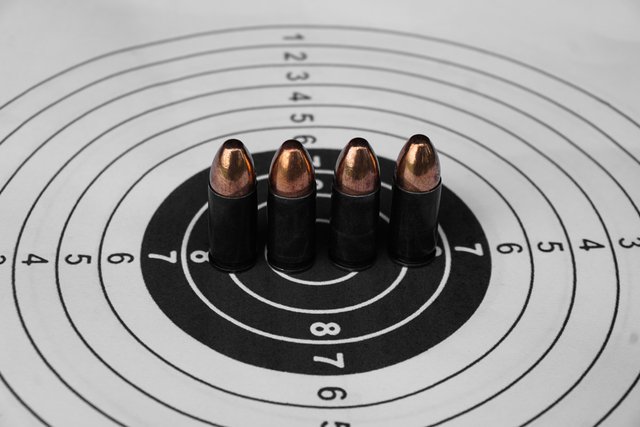
Many shooters find the process motivating. For example, one shooter shared that bringing 100–150 rounds and using a large target sheet marked with circles made it easy to see improvements in grouping from session to session. Visual proof paired with numbers helps focus your practice.
Make Scorecards Part of Your Routine
We help new shooters design their first scorecard and show experienced shooters how to refine theirs. Over time, it becomes second nature:
- Record
- Shoot
- Review
- Adjust
That simple loop builds skills faster than aim-and-hope practice.
Your Next Step with C2 Tactical of Phoenix
If you’re ready to track your progress in a way you can see and measure, we can set you up with a scorecard system that fits your style. Book your range time, bring your card, and let’s make your training sessions count.