 Why Trigger Control Can Make or Break a Shot
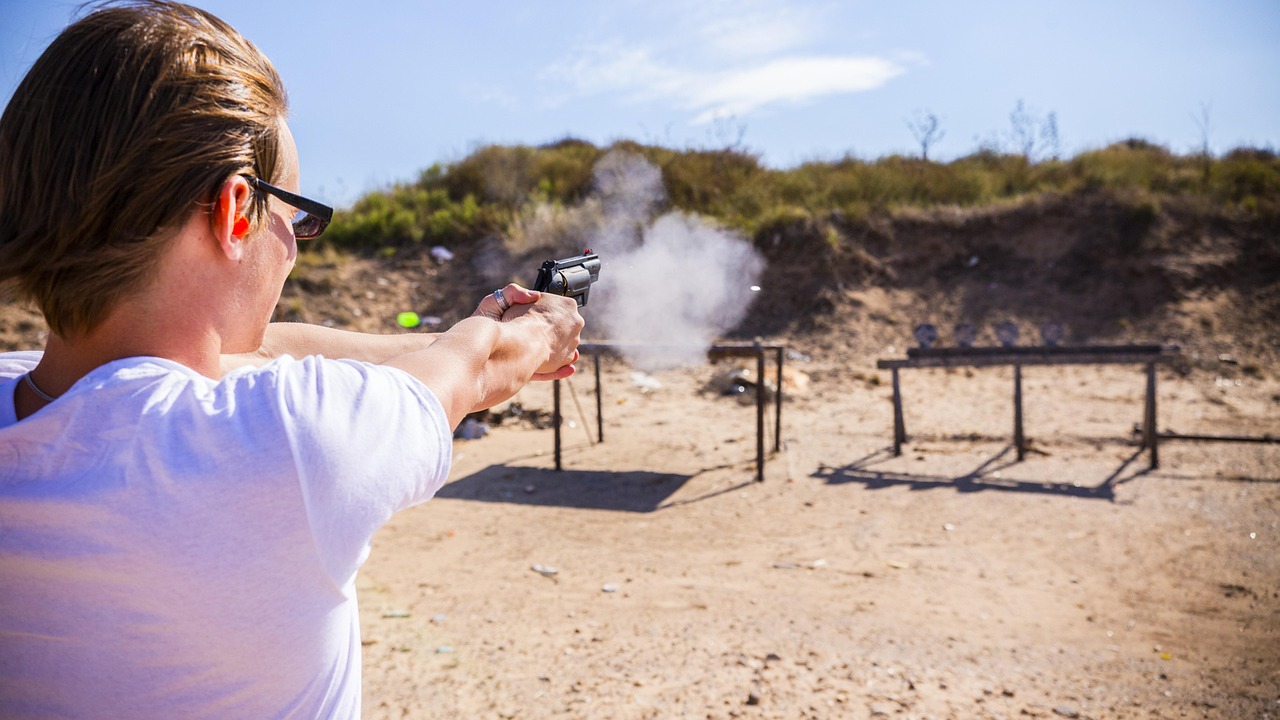
Even the best stance and sight alignment will not help much if the trigger pull is off. A poor trigger press can throw your shot off target before the bullet even leaves the barrel. At C2 Tactical of Phoenix, our instructors spend time on this skill because it is one of the fastest ways to see real improvement in accuracy.
Use the Pad of Your Finger
Small details matter. Placing the first pad of your index finger on the trigger rather than the crease at the joint helps you press straight back without pushing or pulling the gun to the side. It feels different at first, but this placement gives you more control.
Press Smoothly, Avoid Jerking
A rushed pull is one of the biggest causes of missed shots. Think of it as a smooth press rather than a snap. Apply gradual, even pressure until the shot breaks. This steadiness keeps the muzzle from shifting at the last second.
Keep Control After the Shot
Your trigger work does not stop the instant you fire. Hold the trigger briefly to manage recoil and keep your sight picture steady. Releasing too quickly can cause movement that throws off your next shot.
Learn the Reset
Every firearm’s trigger resets at a certain point. Releasing it just enough to feel that reset before pressing again lets you shoot faster while staying on target. Our instructors often have students practice slow, deliberate resets before working on speed.
Dry Fire for Practice
You do not always need live rounds to improve. Dry firing, using an unloaded firearm in a safe direction, helps you focus on smooth trigger movement without the distraction of recoil. Always check and clear your firearm more than once before starting.
Time the Shot with Your Breathing
Breathing impacts stability. Take a slow breath, let it out halfway, then begin your press. That pause in your breathing can help steady your body and improve consistency.
Mix Precision and Speed
Once the fundamentals feel natural, controlled speed work is the next step. Our range drills combine accuracy and quicker follow-up shots, teaching shooters to manage both without losing safety or control.
Get Guidance from a Professional
It is hard to catch your own mistakes in trigger work. An experienced instructor can see finger placement, pressure changes, and follow-through issues that you might not notice. Small corrections early on prevent bad habits from forming.
Build Better Skills at C2 Tactical of Phoenix
Good trigger control leads to better shooting. At C2 Tactical of Phoenix, our instructors break down the details, give you drills that work, and track your improvement over time. Reserve a session with us and learn how simple changes can bring your shots closer to center every time.
Why Trigger Control Can Make or Break a Shot
Even the best stance and sight alignment will not help much if the trigger pull is off. A poor trigger press can throw your shot off target before the bullet even leaves the barrel. At C2 Tactical of Phoenix, our instructors spend time on this skill because it is one of the fastest ways to see real improvement in accuracy.
Use the Pad of Your Finger
Small details matter. Placing the first pad of your index finger on the trigger rather than the crease at the joint helps you press straight back without pushing or pulling the gun to the side. It feels different at first, but this placement gives you more control.
Press Smoothly, Avoid Jerking
A rushed pull is one of the biggest causes of missed shots. Think of it as a smooth press rather than a snap. Apply gradual, even pressure until the shot breaks. This steadiness keeps the muzzle from shifting at the last second.
Keep Control After the Shot
Your trigger work does not stop the instant you fire. Hold the trigger briefly to manage recoil and keep your sight picture steady. Releasing too quickly can cause movement that throws off your next shot.
Learn the Reset
Every firearm’s trigger resets at a certain point. Releasing it just enough to feel that reset before pressing again lets you shoot faster while staying on target. Our instructors often have students practice slow, deliberate resets before working on speed.
Dry Fire for Practice
You do not always need live rounds to improve. Dry firing, using an unloaded firearm in a safe direction, helps you focus on smooth trigger movement without the distraction of recoil. Always check and clear your firearm more than once before starting.
Time the Shot with Your Breathing
Breathing impacts stability. Take a slow breath, let it out halfway, then begin your press. That pause in your breathing can help steady your body and improve consistency.
Mix Precision and Speed
Once the fundamentals feel natural, controlled speed work is the next step. Our range drills combine accuracy and quicker follow-up shots, teaching shooters to manage both without losing safety or control.
Get Guidance from a Professional
It is hard to catch your own mistakes in trigger work. An experienced instructor can see finger placement, pressure changes, and follow-through issues that you might not notice. Small corrections early on prevent bad habits from forming.
Build Better Skills at C2 Tactical of Phoenix
Good trigger control leads to better shooting. At C2 Tactical of Phoenix, our instructors break down the details, give you drills that work, and track your improvement over time. Reserve a session with us and learn how simple changes can bring your shots closer to center every time.
Phoenix, AZ - Mastering Trigger Control: Tips from Gun Range Instructors
SYNOPSIS: This article covers trigger control tips from instructors at C2 Tactical of Phoenix, helping shooters build steadier aim, smoother pulls, and more consistent results on the range.
Improve Accuracy with Proper Trigger Technique
BY: Vincent Vasquez, C2 Tactical of Phoenix, AZ
Why Trigger Control Can Make or Break a Shot
Even the best stance and sight alignment will not help much if the trigger pull is off. A poor trigger press can throw your shot off target before the bullet even leaves the barrel. At C2 Tactical of Phoenix, our instructors spend time on this skill because it is one of the fastest ways to see real improvement in accuracy.
Use the Pad of Your Finger
Small details matter. Placing the first pad of your index finger on the trigger rather than the crease at the joint helps you press straight back without pushing or pulling the gun to the side. It feels different at first, but this placement gives you more control.
Press Smoothly, Avoid Jerking
A rushed pull is one of the biggest causes of missed shots. Think of it as a smooth press rather than a snap. Apply gradual, even pressure until the shot breaks. This steadiness keeps the muzzle from shifting at the last second.
Keep Control After the Shot
Your trigger work does not stop the instant you fire. Hold the trigger briefly to manage recoil and keep your sight picture steady. Releasing too quickly can cause movement that throws off your next shot.
Learn the Reset
Every firearm’s trigger resets at a certain point. Releasing it just enough to feel that reset before pressing again lets you shoot faster while staying on target. Our instructors often have students practice slow, deliberate resets before working on speed.
Dry Fire for Practice
You do not always need live rounds to improve. Dry firing, using an unloaded firearm in a safe direction, helps you focus on smooth trigger movement without the distraction of recoil. Always check and clear your firearm more than once before starting.
Time the Shot with Your Breathing
Breathing impacts stability. Take a slow breath, let it out halfway, then begin your press. That pause in your breathing can help steady your body and improve consistency.
Mix Precision and Speed
Once the fundamentals feel natural, controlled speed work is the next step. Our range drills combine accuracy and quicker follow-up shots, teaching shooters to manage both without losing safety or control.
Get Guidance from a Professional
It is hard to catch your own mistakes in trigger work. An experienced instructor can see finger placement, pressure changes, and follow-through issues that you might not notice. Small corrections early on prevent bad habits from forming.
Build Better Skills at C2 Tactical of Phoenix
Good trigger control leads to better shooting. At C2 Tactical of Phoenix, our instructors break down the details, give you drills that work, and track your improvement over time. Reserve a session with us and learn how simple changes can bring your shots closer to center every time.