There's a quiet assumption a lot of people carry about knee pain as they get older. The knee starts aching, and somewhere in the back of the mind sits the idea that this is the beginning of the end for it. That a replacement is coming, it's just a matter of when. So they brace for surgery, or they avoid the doctor entirely because they don't want to hear it. Both reactions skip over something important. For most aging knees, a replacement is years off, or not coming at all.
Where the Assumption Goes Wrong
A knee replacement is the last stop. It's saved for joints worn so far down that nothing else gives relief. Most knee pain, even the kind that shows up later in life, is nowhere near that point. Cartilage wear, stiffness, arthritis that comes and goes, weak muscle letting the joint take a beating, all of that responds to care that has nothing to do with an operating room.
The pain is real. It just doesn't mean the joint is finished. There's usually a wide stretch of road before surgery is even a question.
What Non-Surgical Care Does for an Older Knee
This is the part that surprises people. Non-surgical care is active, and it does real work on how the knee feels day to day:
- Strengthening the muscles around the knee so they can carry load the joint can't
- Working the hips and the supporting muscles, since a knee often pays for weakness above it
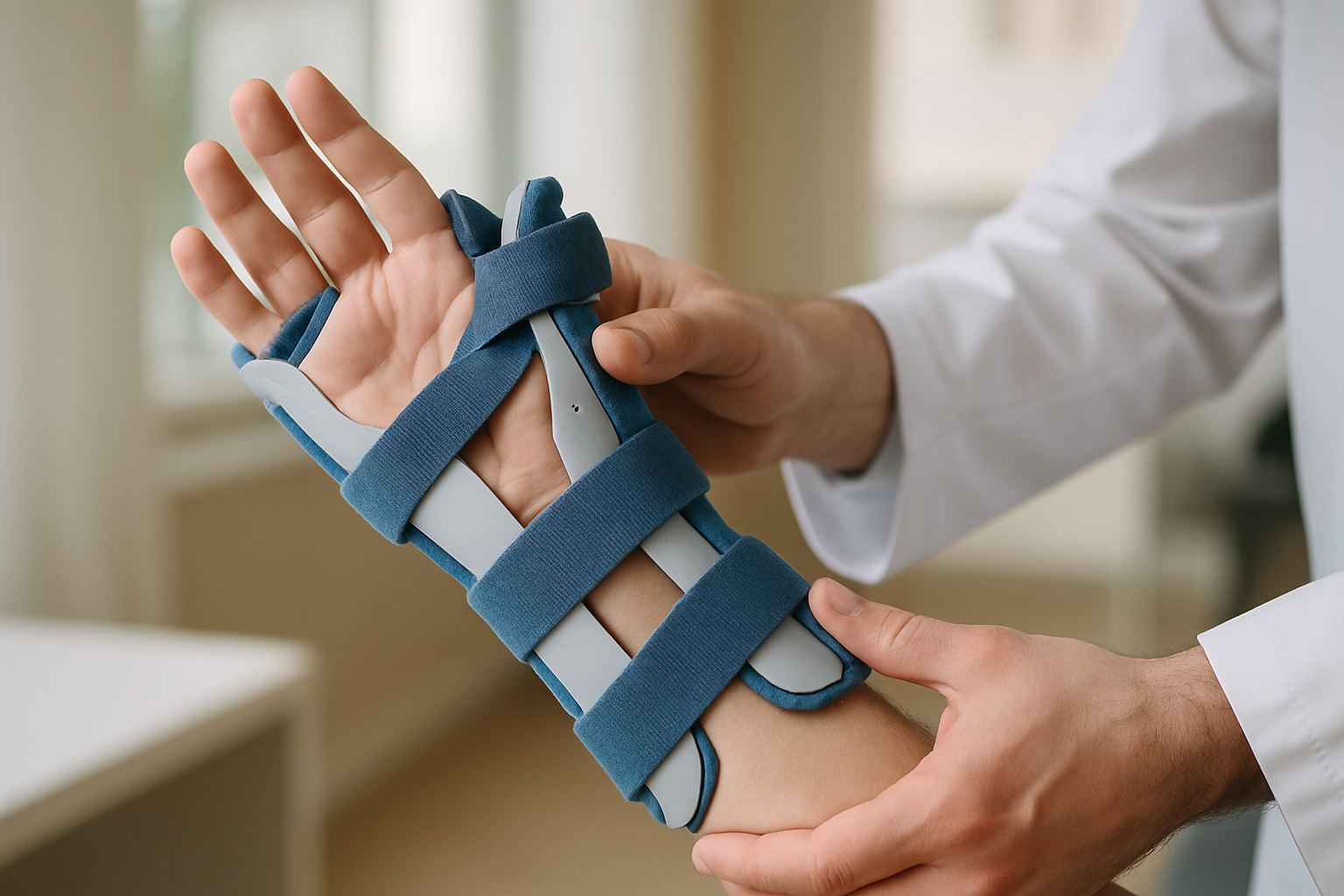
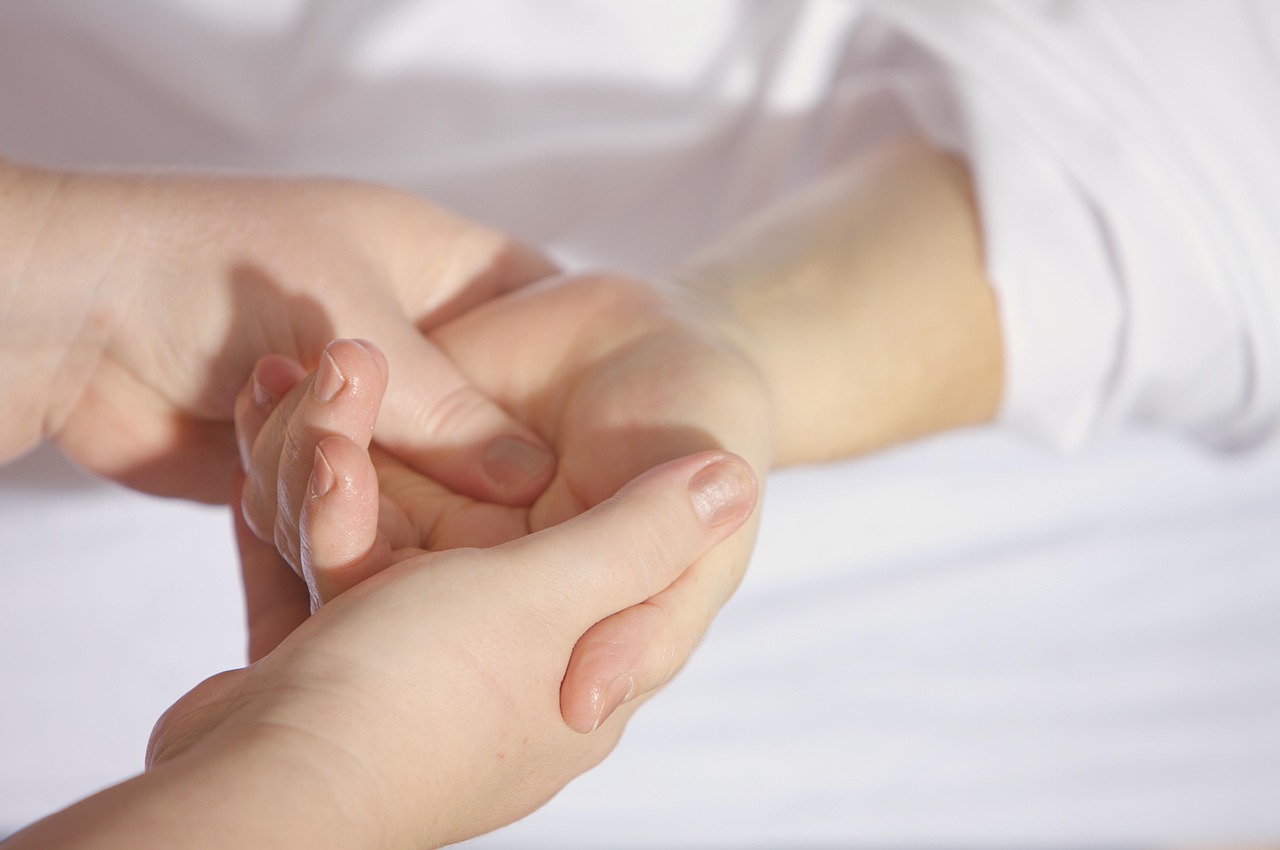
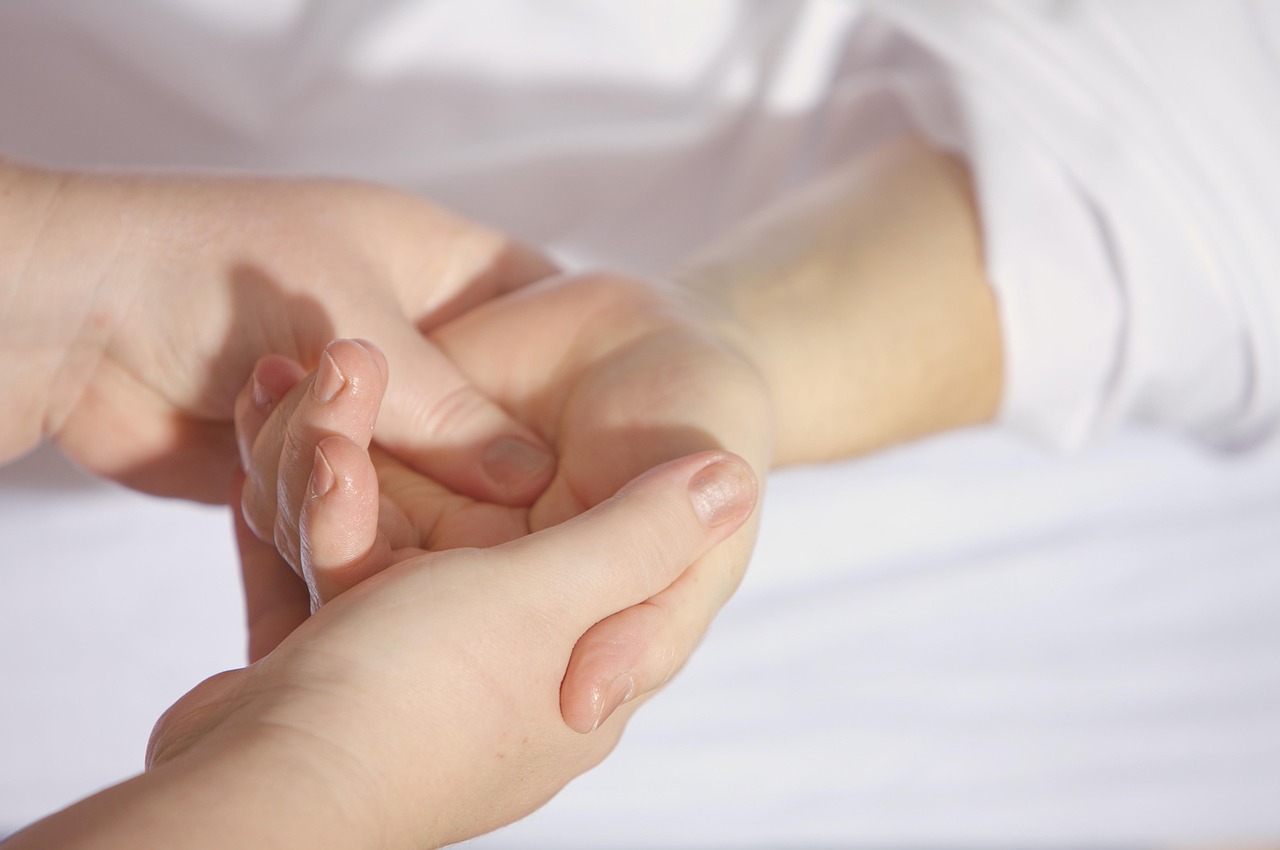
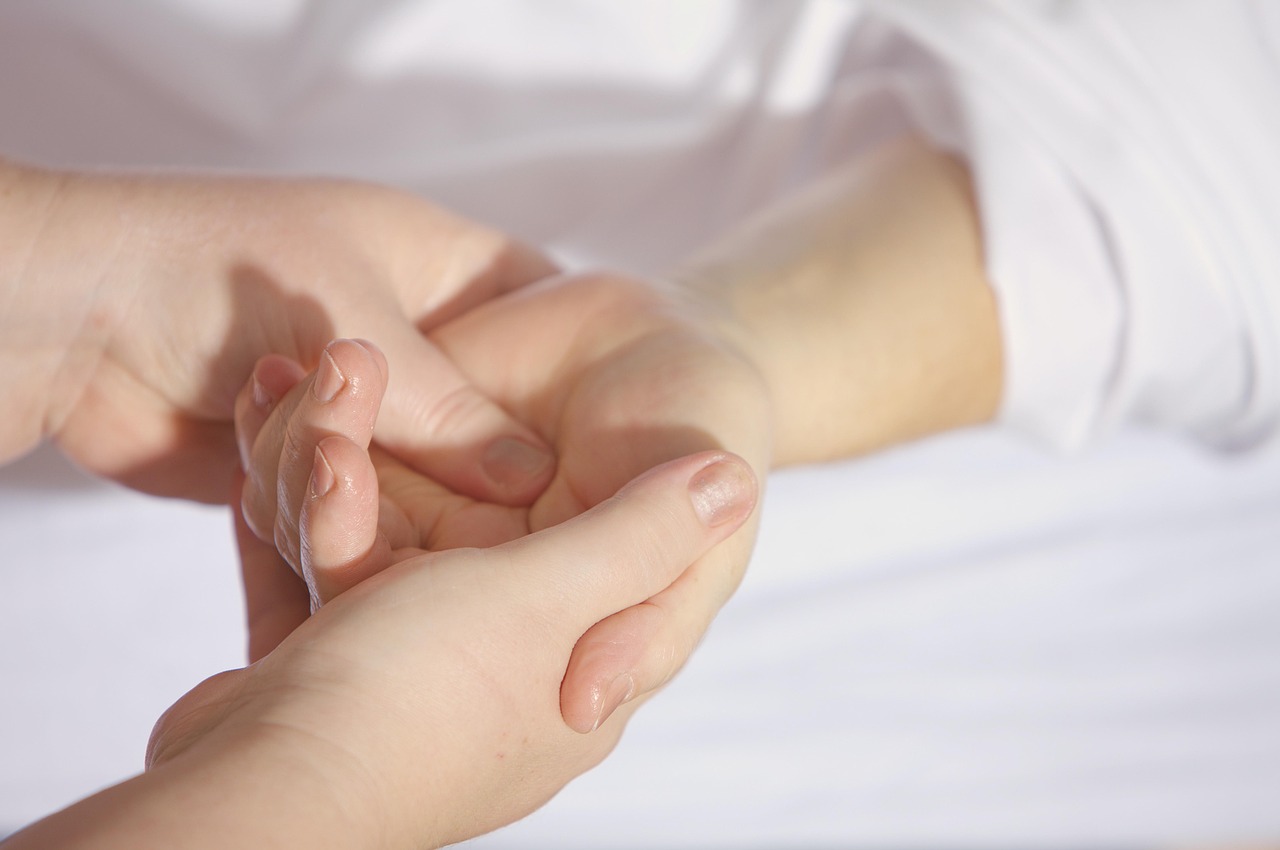
- Hands-on therapy to free up stiffness and get the joint moving more cleanly
- Injections when inflammation flares and won't settle with exercise alone
- Guidance on staying active in ways that are easy on the joint
The strengthening matters most. A knee with strong muscle around it takes pressure off the worn part, which means less pain, easier stairs, and more of the things you'd started giving up.
What to Remember
None of this regrows cartilage or reverses arthritis. A good doctor won't pretend otherwise. What changes is the daily experience, and often a lot. Less stiffness getting going in the morning. Walks that don't leave the knee swollen. Sleep that isn't broken by the ache. For most people, that's most of what they actually wanted, and it pushes any talk of surgery much further down the road.
When a knee does need a surgeon, the signs are clear. It locks or catches and won't release. It buckles under you. The pain and damage have had a real run of conservative care and genuinely haven't moved. Short of that, non-surgical care is usually where the relief comes from.
When to Get It Looked At
Worth getting in when knee pain has stuck around past a few weeks, when stairs and getting up from a chair set it off, when it swells after activity, or when it's steering you off walks and outings you used to enjoy.
An aching knee doesn't have to mean surgery is around the corner. Modern Medicine of Peoria, AZ, can take a look and show you what non-surgical care could do for it. Reach out by phone whenever you're ready.