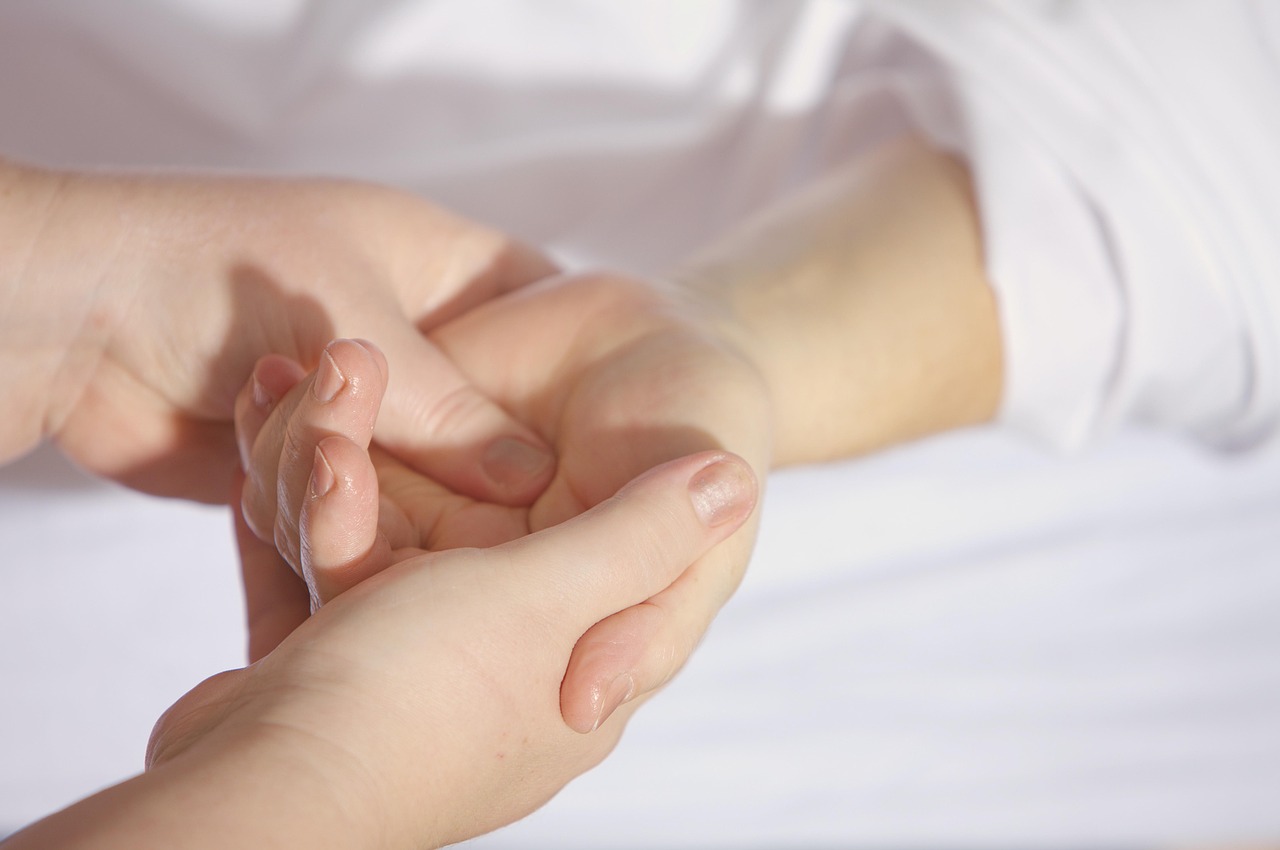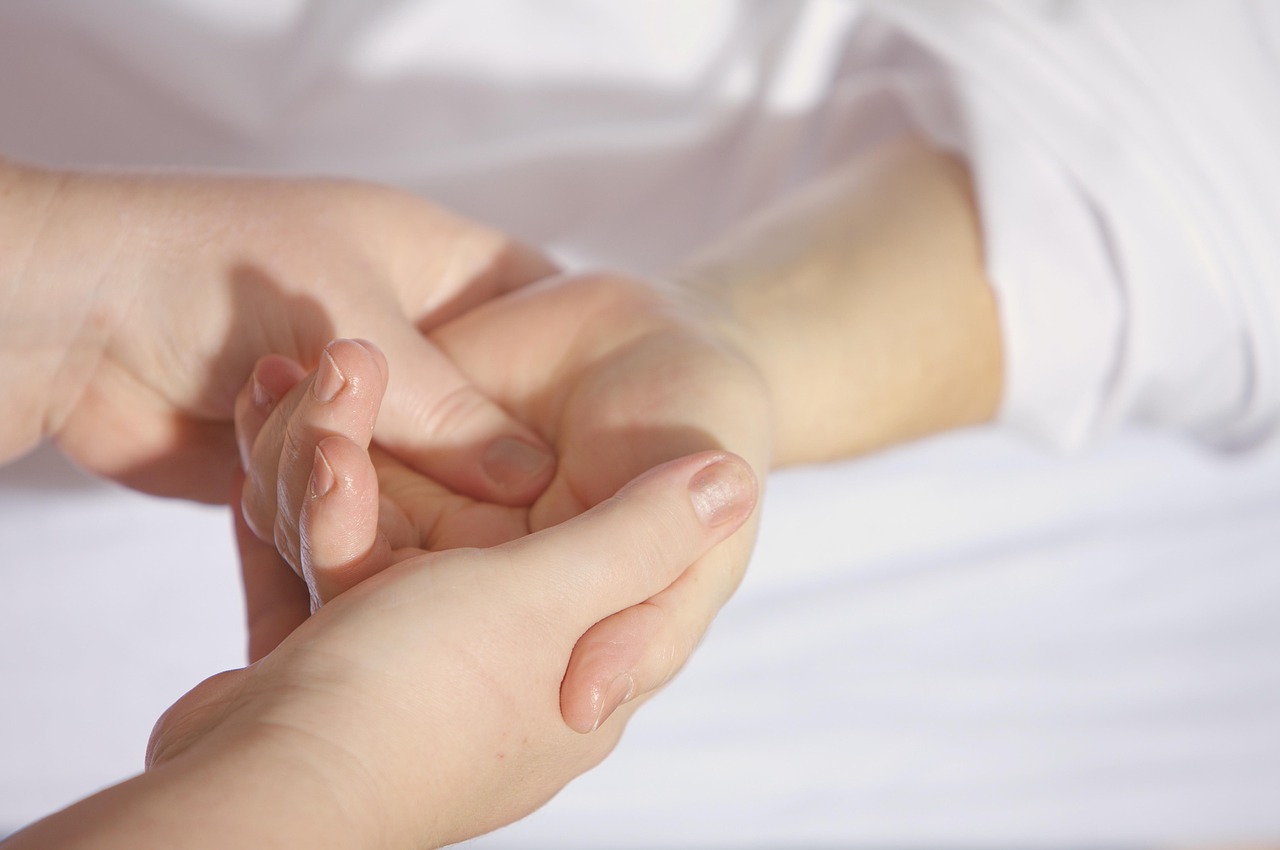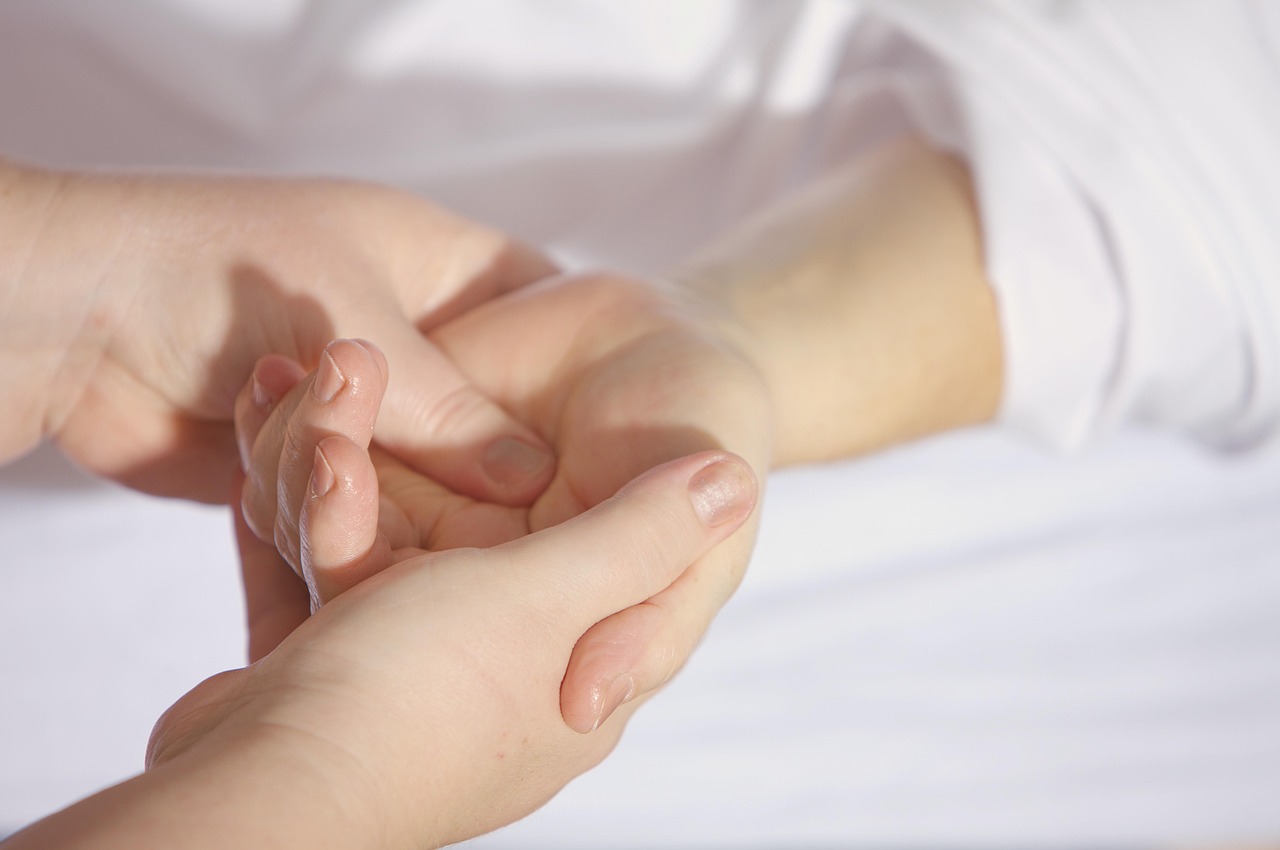
Nobody books an appointment because they dropped a fork once. It’s more of a slow pile of little things. The pickle jar goes to your spouse now. Getting dressed for church takes longer because the shirt buttons won’t cooperate, and somewhere along the way you started setting your coffee mug down with both hands. Each one seems like nothing. Put together, they usually mean your grip or your finger control has slipped, and that’s something hand therapy is good at working on.
Why Hands Lose Strength and Control
Ask ten people with weak hands and you’ll hear a handful of different stories. Here are some of the usual ones:
- Arthritis at the base of the thumb or in the knuckles hurts, so people stop squeezing hard
- Carpal tunnel quietly steals feeling in the fingertips and shrinks the muscle at the base of the thumb
- A wrist that broke years ago healed a little stiff
- Surgery on the hand or wrist left things weak and tight
- Muscles that don’t get worked shrink, and that happens faster after 60
If weakness came on suddenly, or it showed up along with trouble talking or weakness in an arm or leg, that needs a doctor right away. Don’t wait on that kind of change.
What a Hand Therapy Visit Looks Like
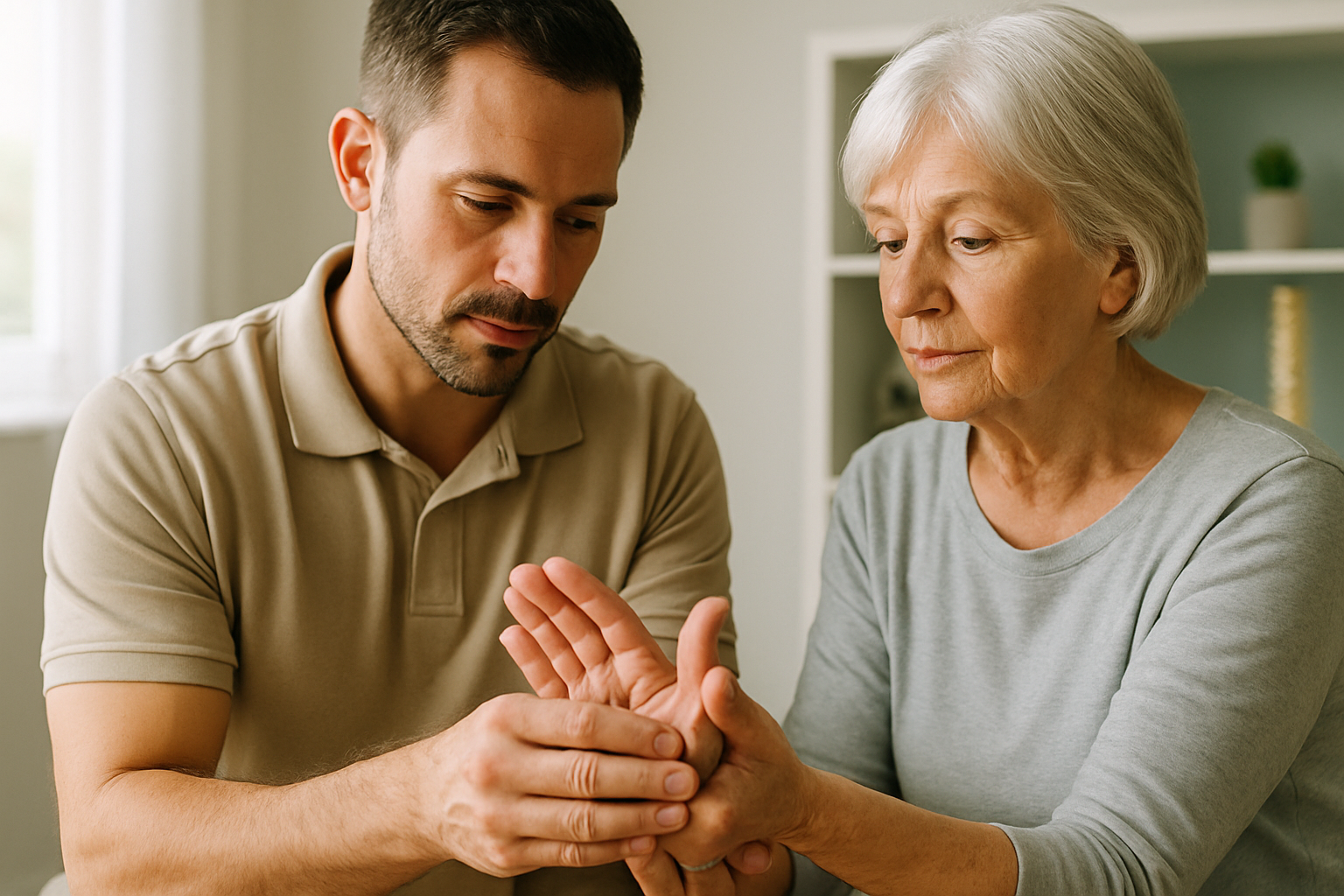
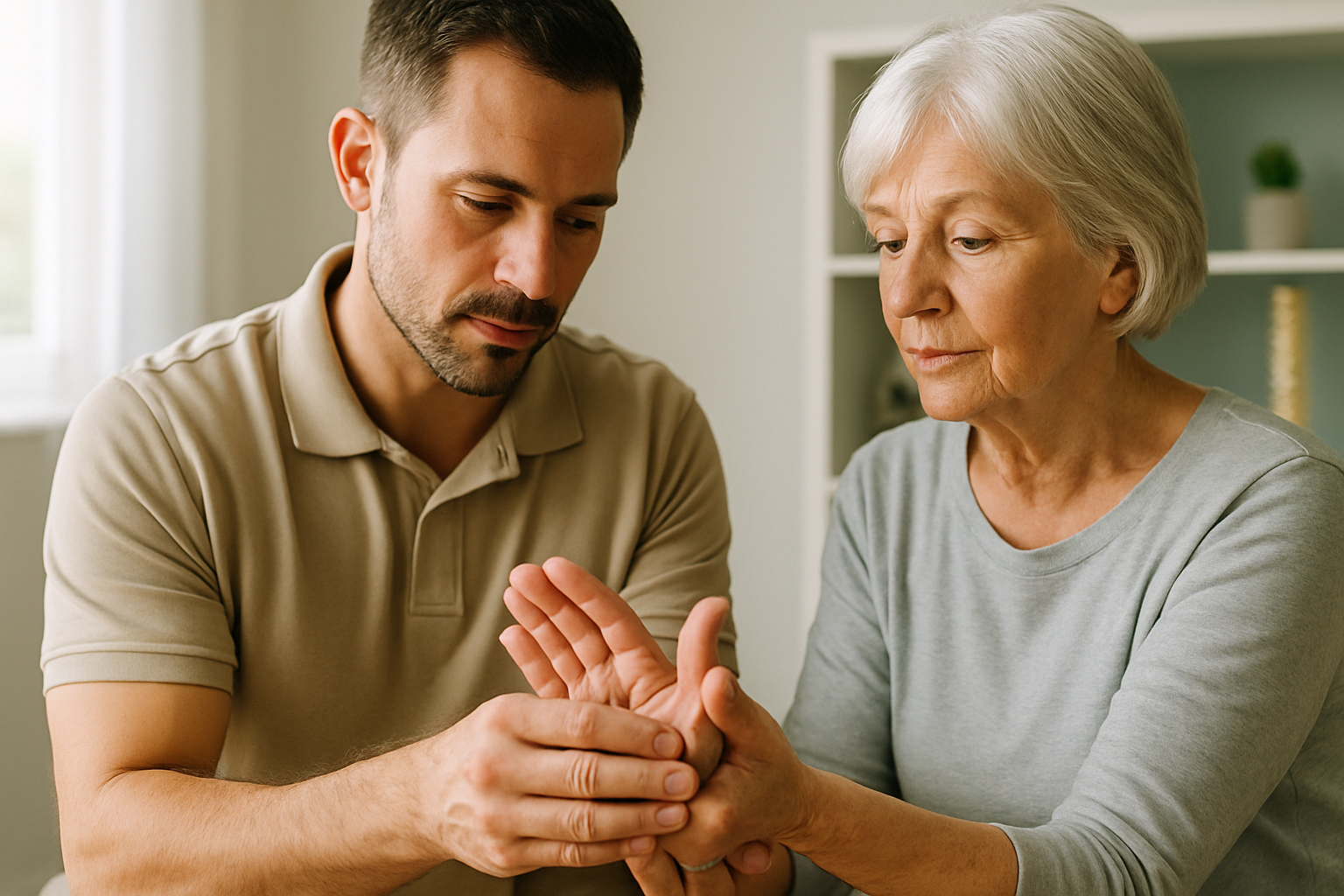
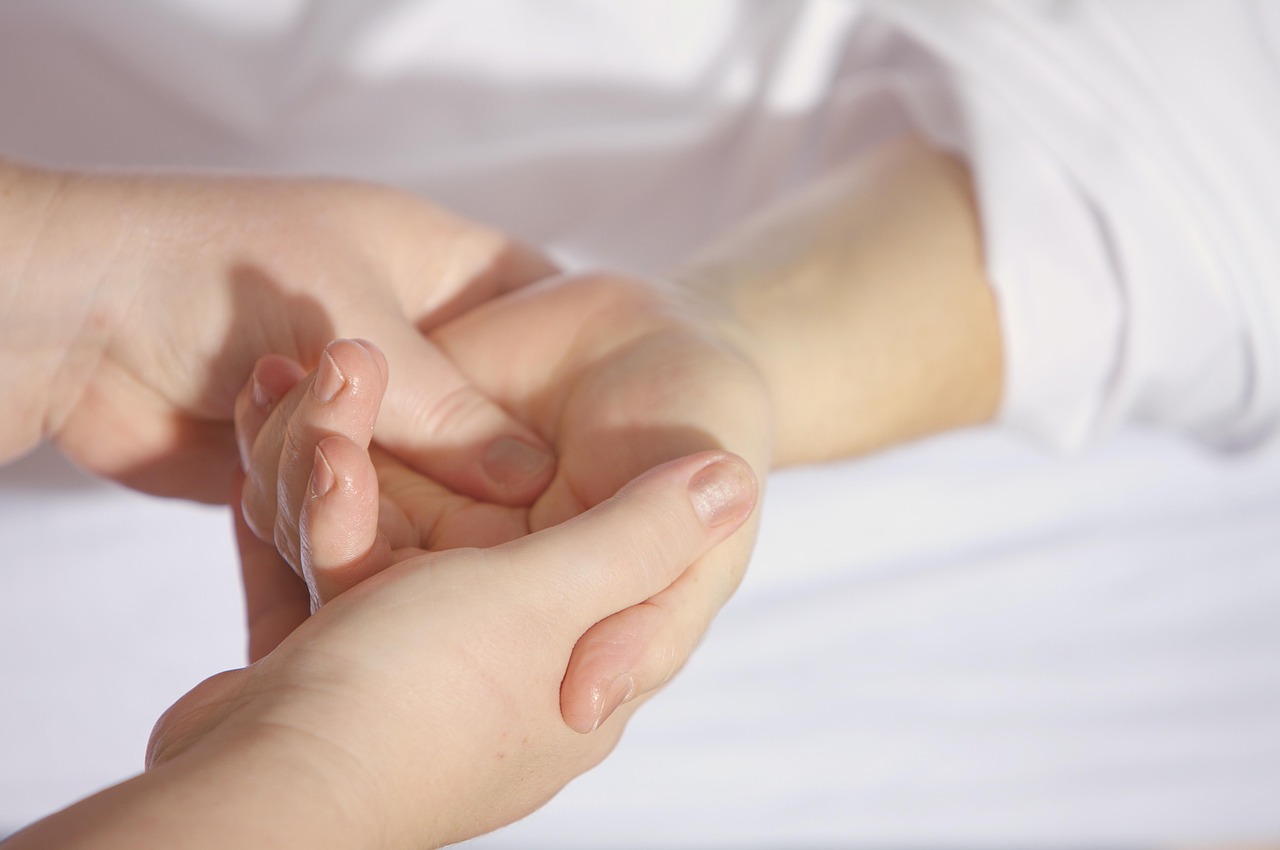
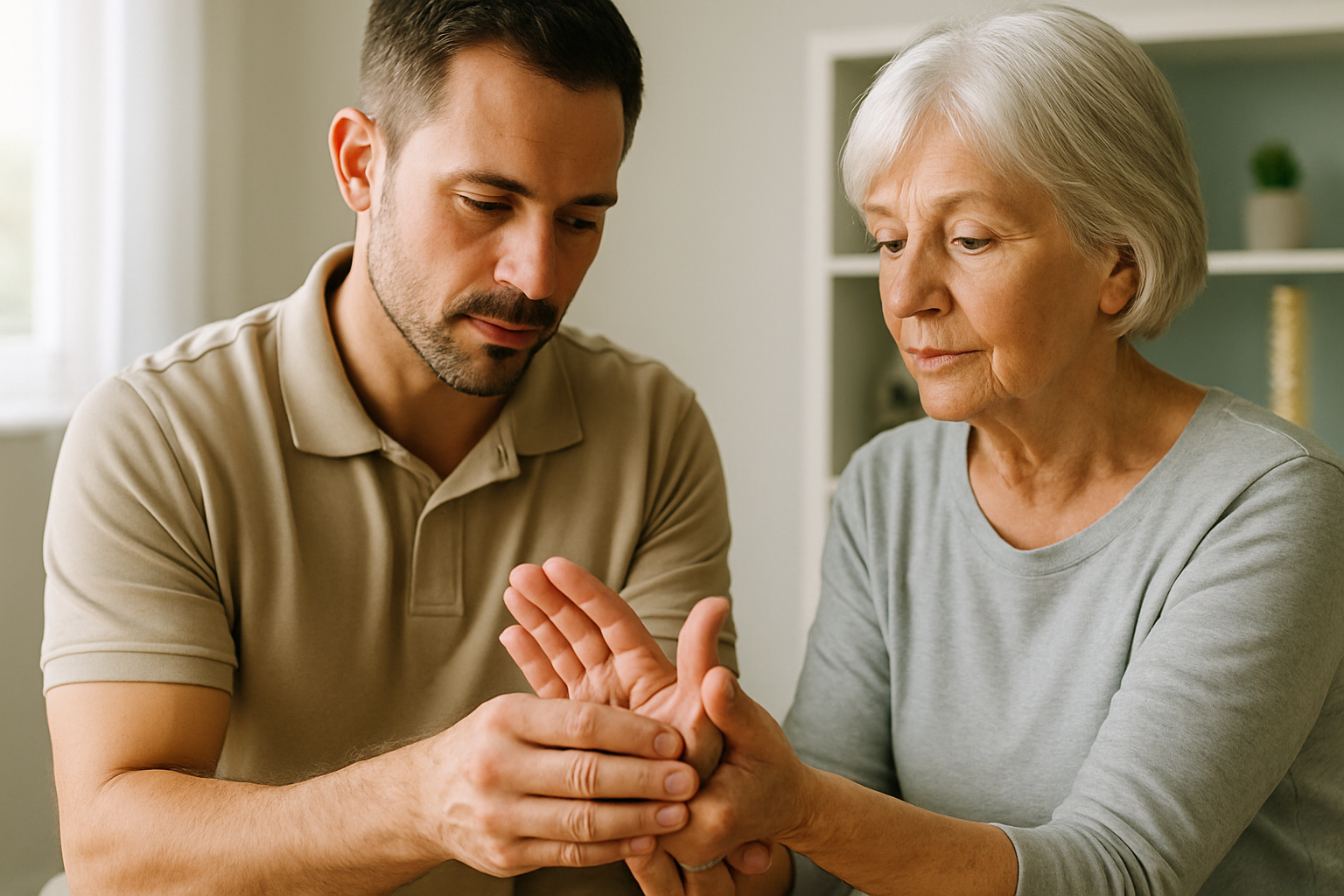
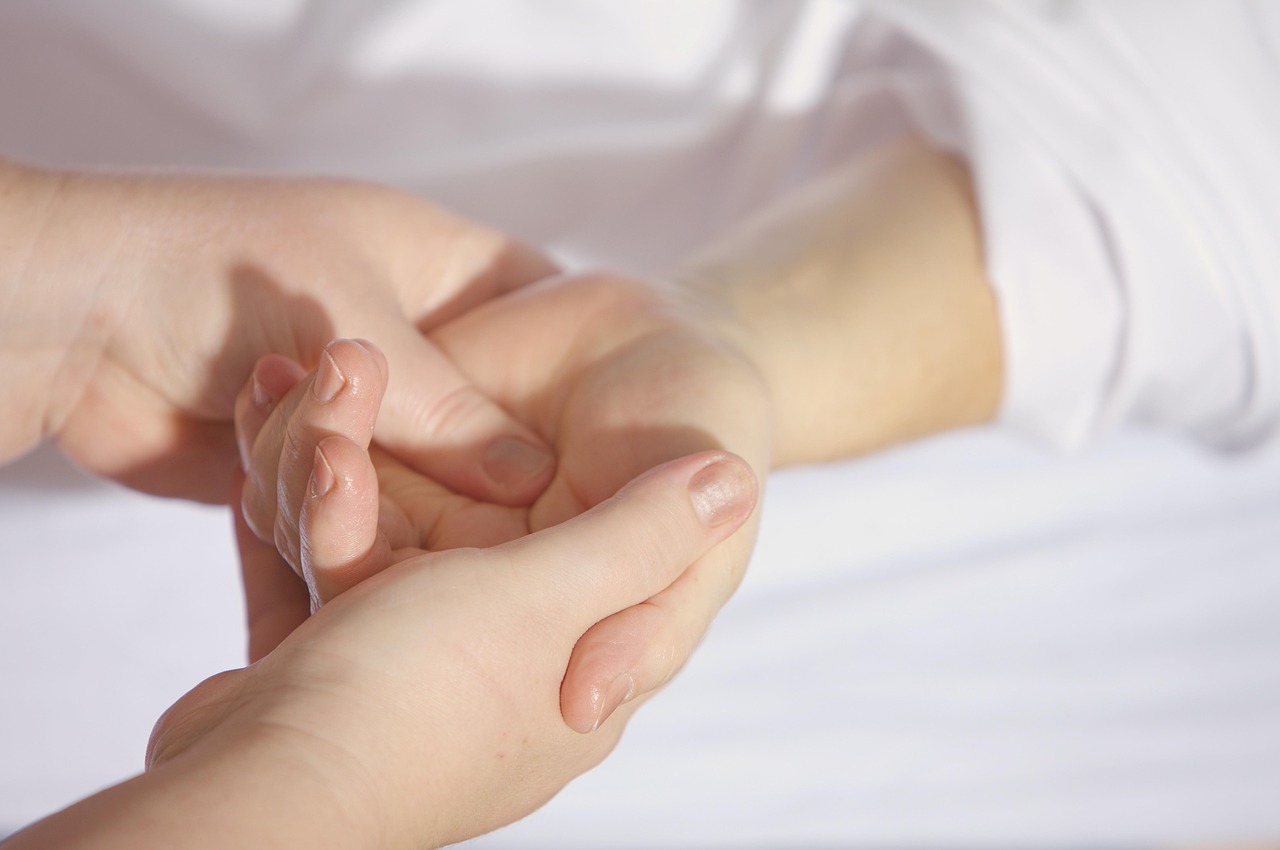
Your first visit involves a little bit of measuring. There’s a grip meter you squeeze as hard as you can, and a smaller one for pinching. Sometimes we put a timer on you while you drop pegs into holes, which people tend to find either fun or annoying. Either way, it gives us numbers to compare against a month from now.
We also want to know why the hand is weak, not just how weak. A thumb that hurts, fingertips that feel numb, and knuckles that won’t bend all call for something different.
How We Build It Back
Most of the tools are things you’d find in a kid’s toy box. Therapy putty comes in colors, and each color is a little harder to squeeze than the last. Rubber bands go around your fingers so you can push them open. When dexterity is the issue, we practice on real stuff, like a board full of buttons, a pile of coins on the table, or a bolt that needs its nut twisted on.
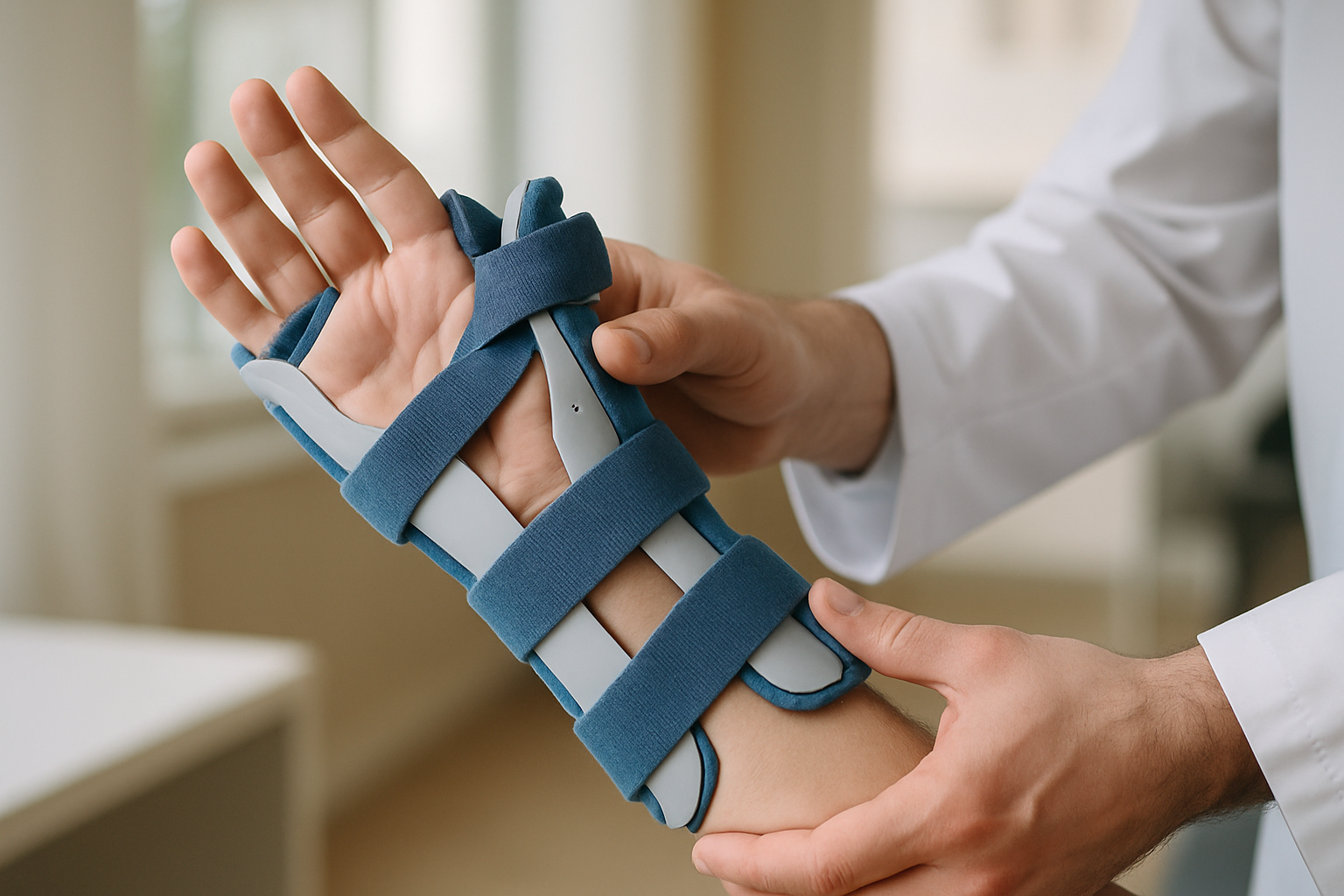
When arthritis is behind it, protecting the joint matters as much as strengthening it. A thumb splint might come into the picture, and we’ll show you how to hold a pan or a purse so the small joints aren’t doing all the work. Fat pen grips and those rubber jar openers from the grocery store help more than you’d think. Most people find daily tasks getting easier within a few weeks.
If your hands just aren’t keeping up the way they used to, come see us at Modern Medicine of Peoria, AZ. We’ll find out what’s holding them back and help you get your grip back.