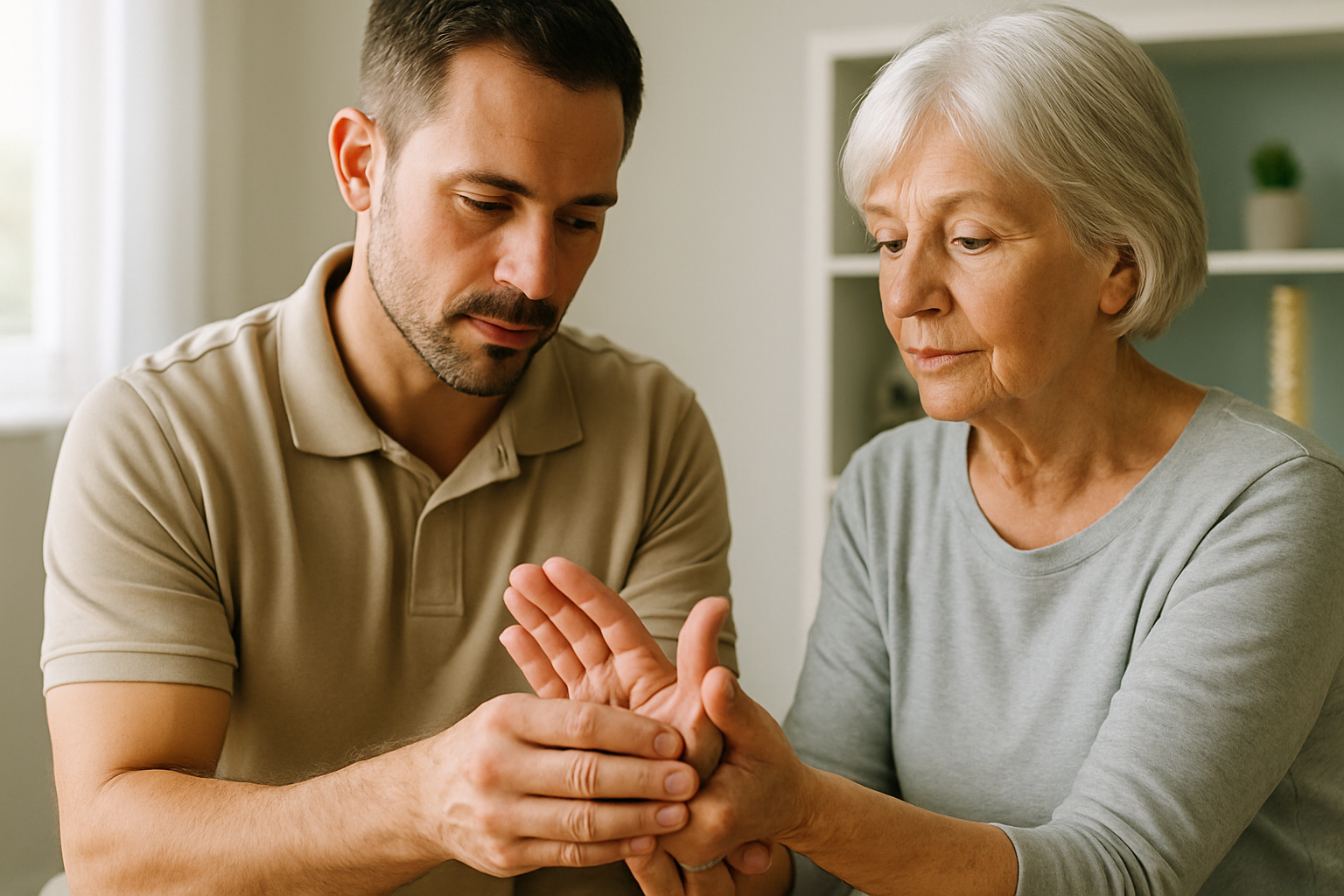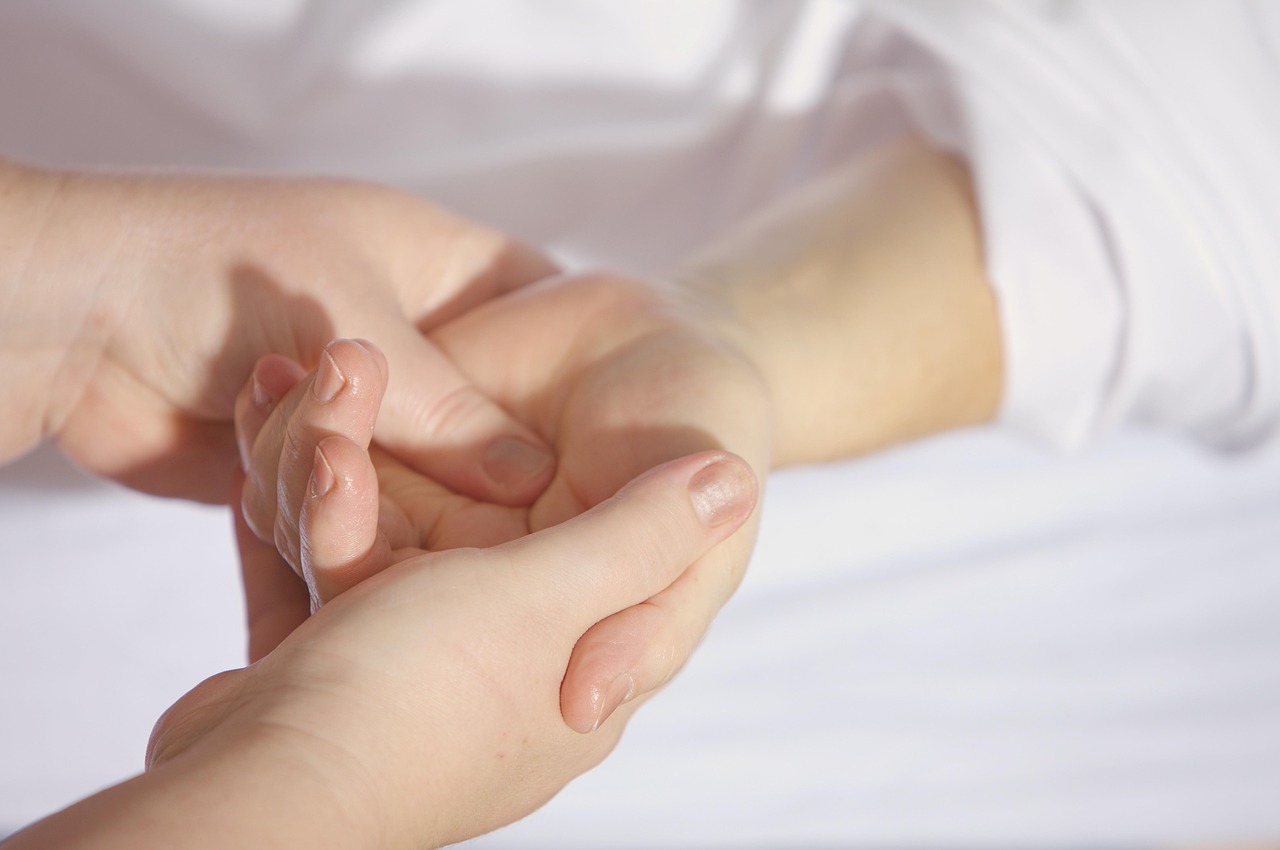
Pay attention next time a surgeon writes a referral for hand therapy. They don't just say therapy, but specify a certified hand therapist. That's a deliberate choice, and it's worth knowing why if you've got a hand injury or surgery ahead of you.
What The Credential Actually Requires
A certified hand therapist, a CHT, starts out as an occupational or physical therapist and then goes a long way further. We're talking years of clinical practice, thousands of hours spent specifically on hands and upper extremities, and then a genuinely tough certification exam at the end of it. And you can't just earn it once and coast, it has to be kept current.
So it isn't a weekend course, and it isn't a marketing phrase somebody stuck on a website. It means deep, narrow experience in one of the fussier corners of rehab.
Why Hands Demand That Depth
Look at what's packed into a hand. Dozens of bones and joints. Tendons sliding through sheaths barely wider than they are. Nerves squeezing past tight spots. Ligaments a few millimeters across. It's all small, it's all crowded together, and every bit of it has to move precisely or the hand doesn't work right.
That density has consequences:
- A little swelling causes way more stiffness than you'd expect
- Scar tissue can glue a tendon down and stop it gliding completely
- Timing motion after a repair is measured, not eyeballed
- A splint has to hold one joint exactly while letting the others move
None of that gets handled well by guesswork.
Where It Makes The Biggest Difference
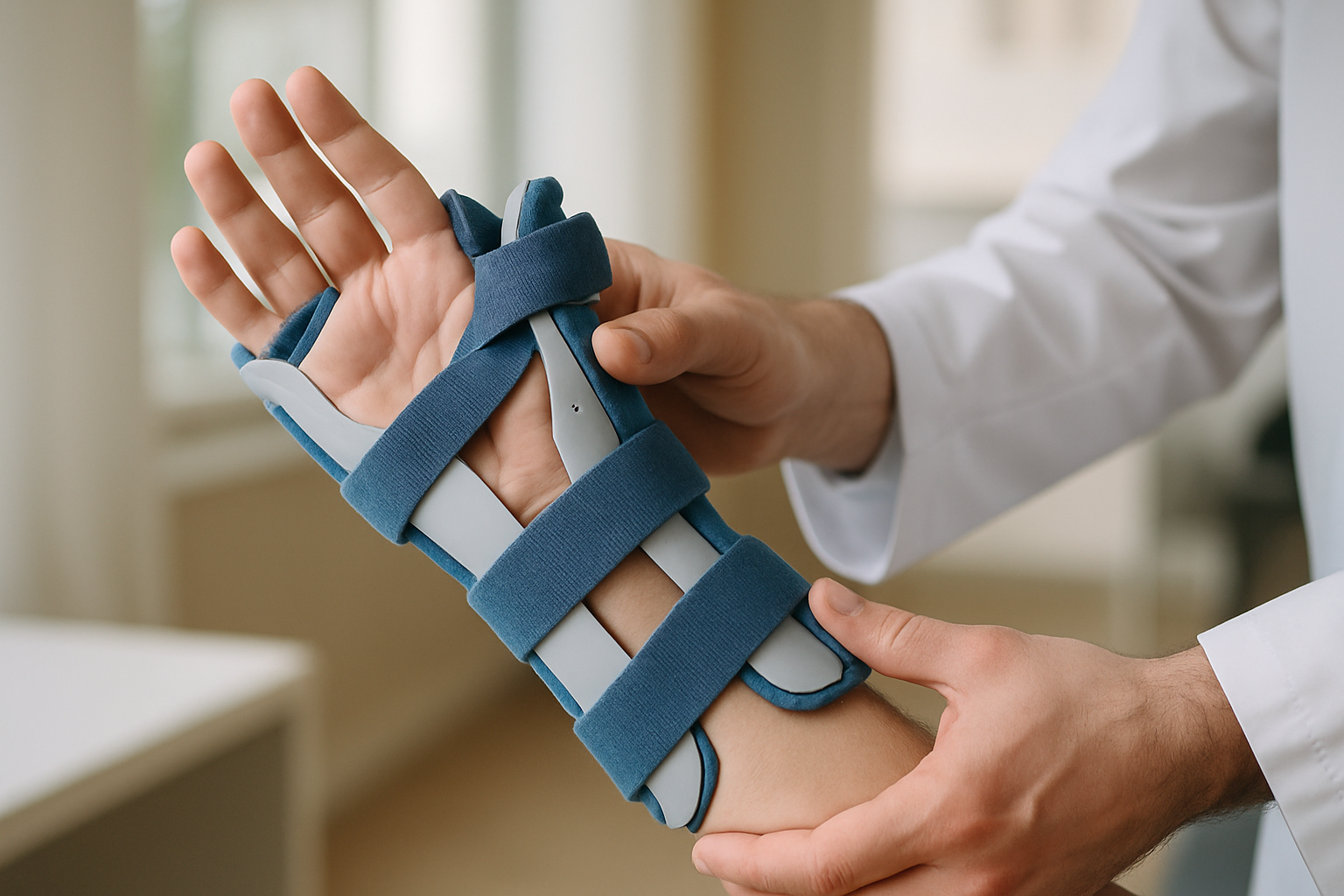
Custom splinting is the obvious one. A CHT molds a splint to your hand, for your specific injury, at the stage it's currently in, then keeps adjusting it as the swelling goes down and things heal. That's a whole different animal than a brace off the pharmacy shelf.
Post-surgical timing is the other. After a tendon repair, go too early and you risk the repair. Go too late and the hand stiffens on you. A CHT knows the protocols cold and, more importantly, can read where your particular hand is sitting on any given week.
The Judgment Part
Technique is one thing. Judgment is another, and it's harder to teach. Knowing when a hand needs a push and when it needs protecting. Catching stiffness early, while it's still easy to do something about it. Noticing a complication before it becomes a real problem.
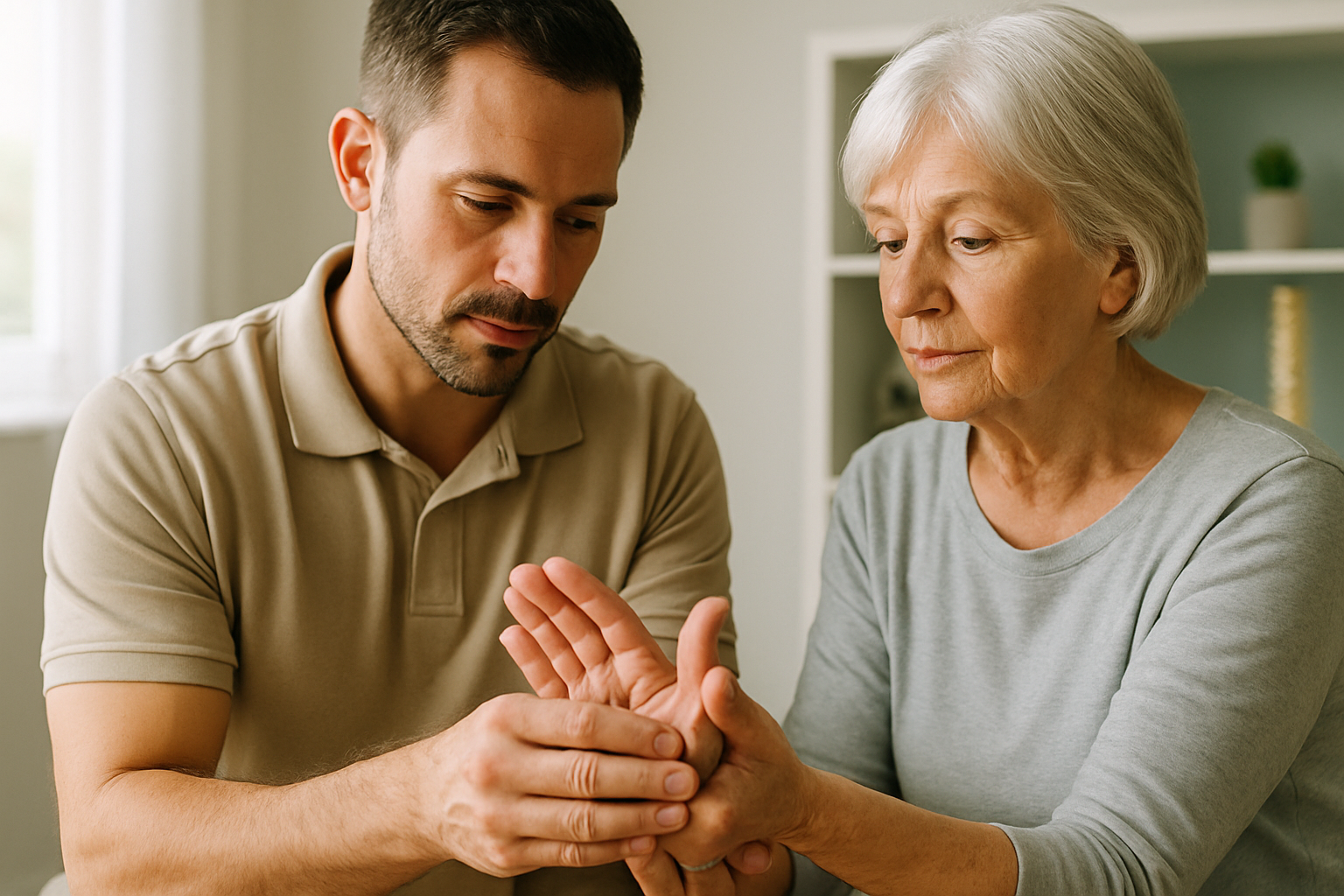
That kind of read only comes from having watched a lot of hands go through recovery, which is exactly what the credential represents.
Getting Back To Real Function
The finish line isn't some number on a chart. It's buttoning a shirt without thinking about it. Turning a key. Holding a steering wheel. Doing your job. A CHT builds the whole program toward those specific things, because that's what you actually walked in the door for.
Facing hand surgery or a hand injury? Modern Medicine of Peoria, AZ has certified hand therapists who can guide the recovery. Reach us by phone or the online booking form.