 What Actually Happens in a Sprain
A sprain is a stretched or torn ligament, the tissue that holds bones together and keeps a joint stable. Mild ones loosen things up a little. Bad ones tear the ligament partway or all the way through.
The body starts repairing right away. The trouble is that healing on its own can leave the joint loose, weak, or stiff. People rush back too soon and re-injure it. Or they baby it too long and the joint gets cranky and tight. Both happen all the time.
Where Recovery Goes Wrong
Most people do okay with the first couple of days. Rest, ice, keep it up. That part's easy enough to figure out.
The harder stretch comes after. When do you start moving it again? How much is too much? Push too early and you set yourself back. Sitting on the couch too long and the muscles around the joint fade, balance slips, and the joint stays vulnerable. That's how one ankle sprain turns into three over a year.
How Sports Medicine Speeds Things Up
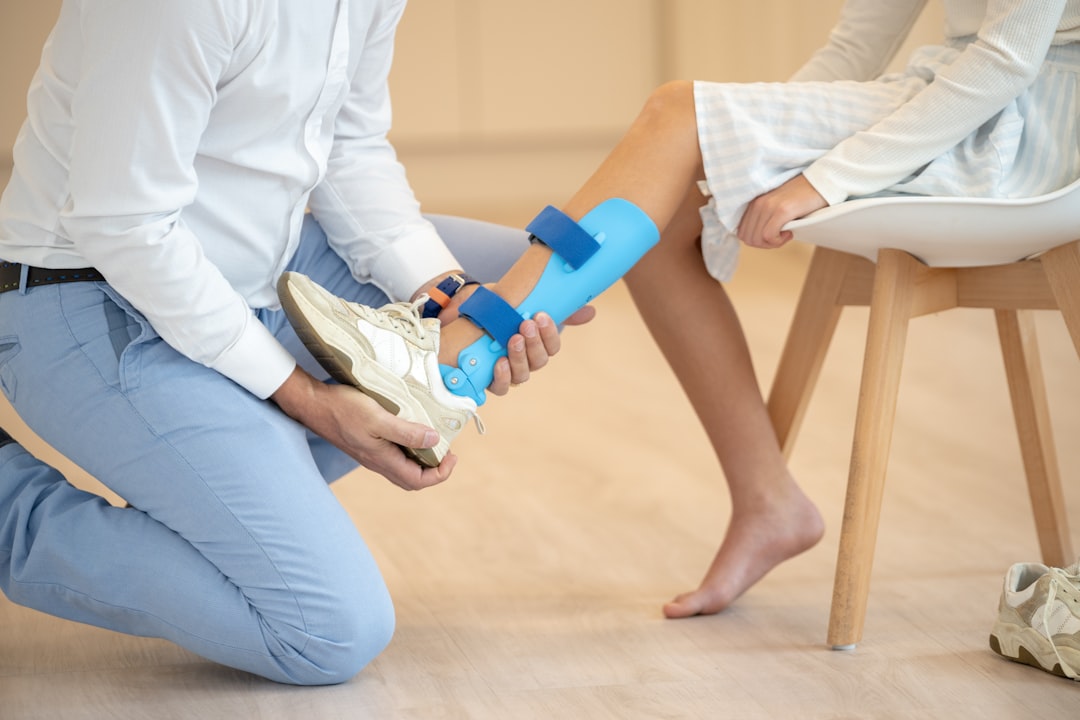
This is where having a plan matters. A sports medicine evaluation tells you what grade the sprain is and what the joint actually needs. From there, the work gets specific.
Early on, it's about calming the swelling and getting safe motion back. Then comes strength. Then, balance and the kind of control your joint needs to handle quick stops, turns, and uneven ground. We rebuild the things that keep you steady, not just the spot that hurts.
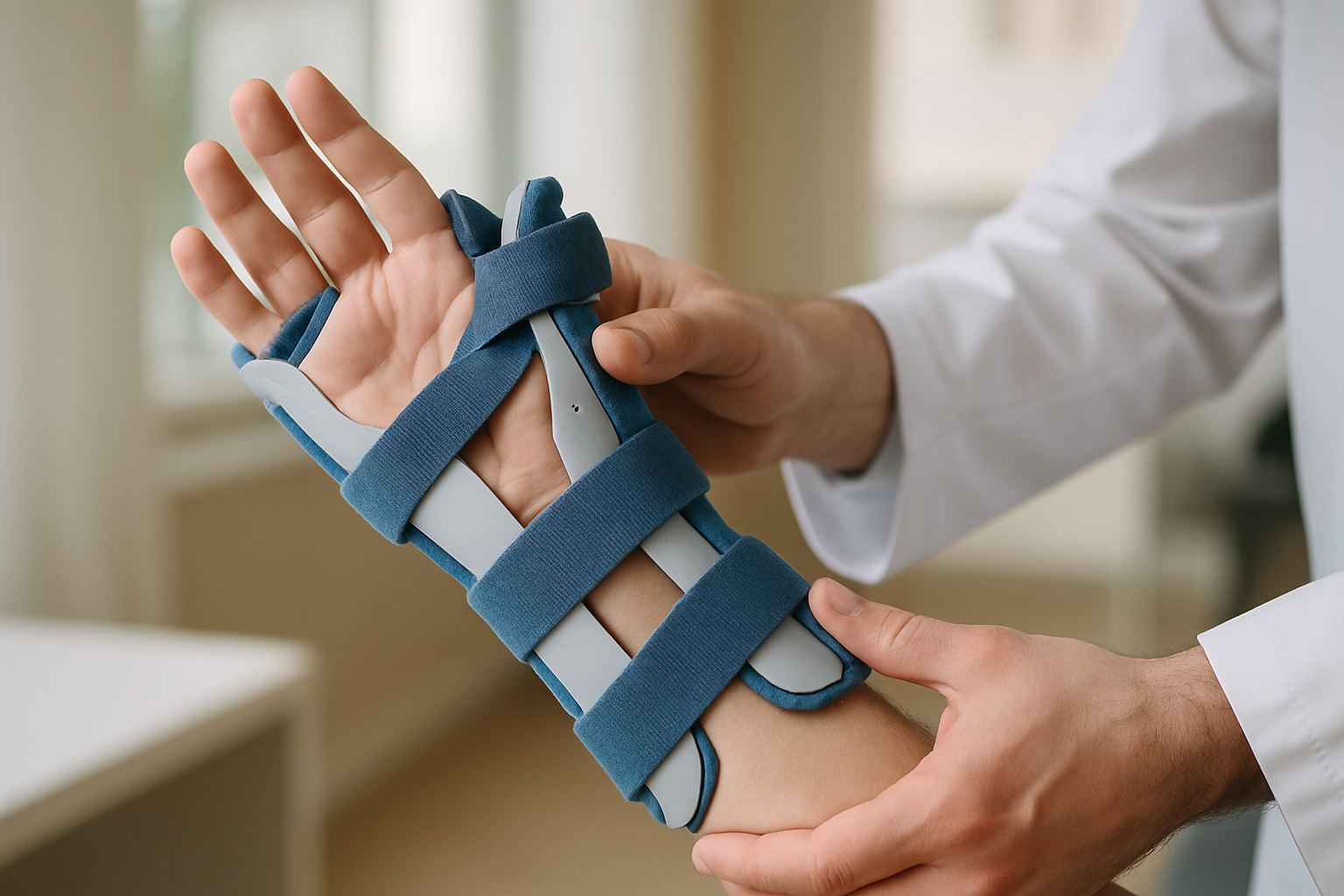
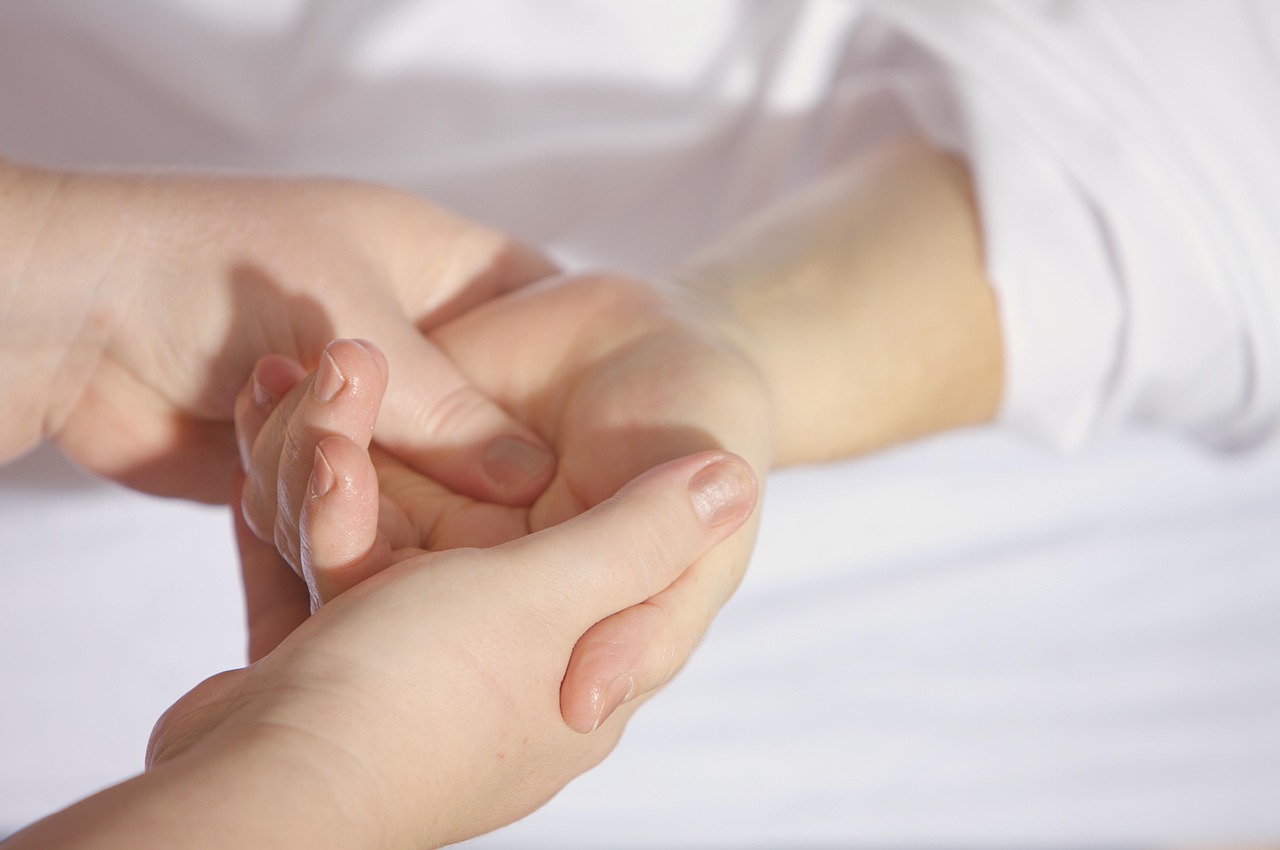
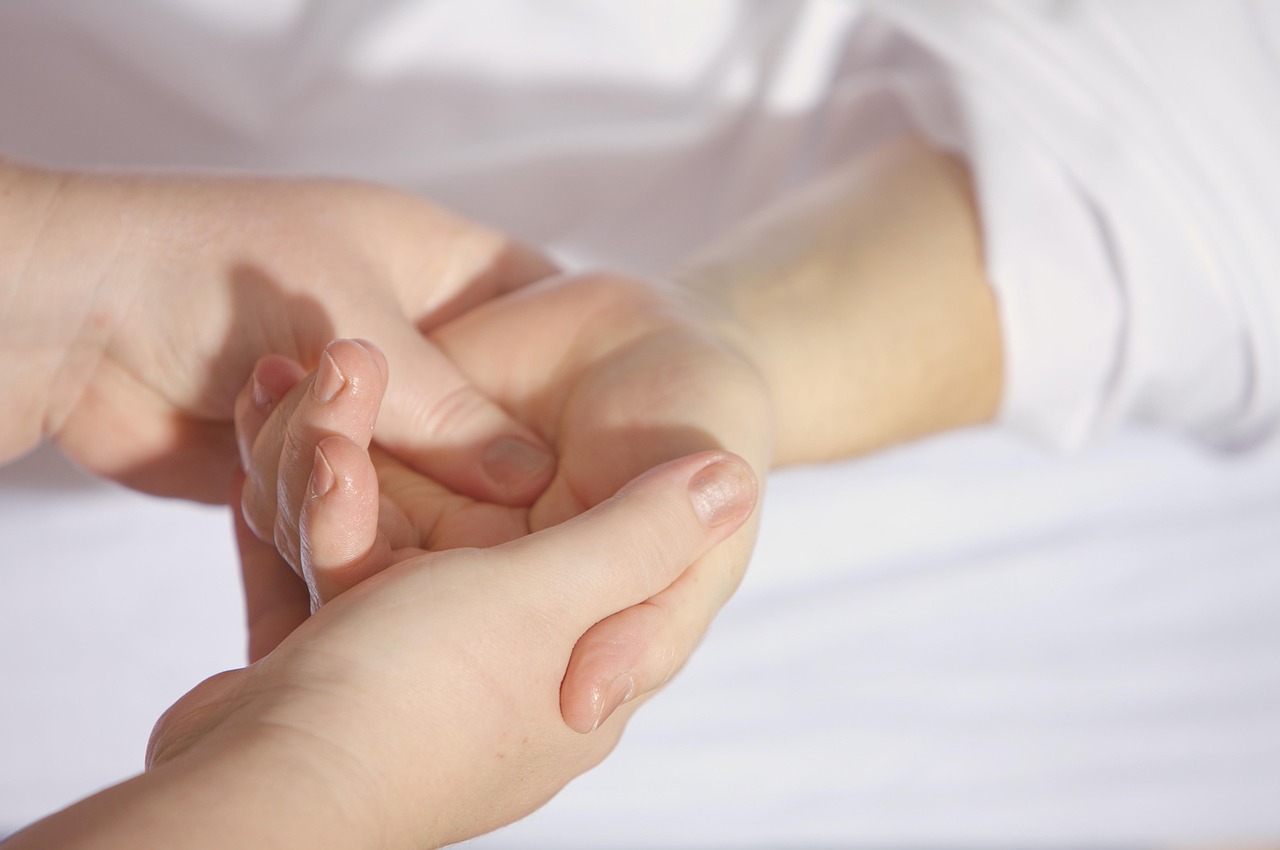
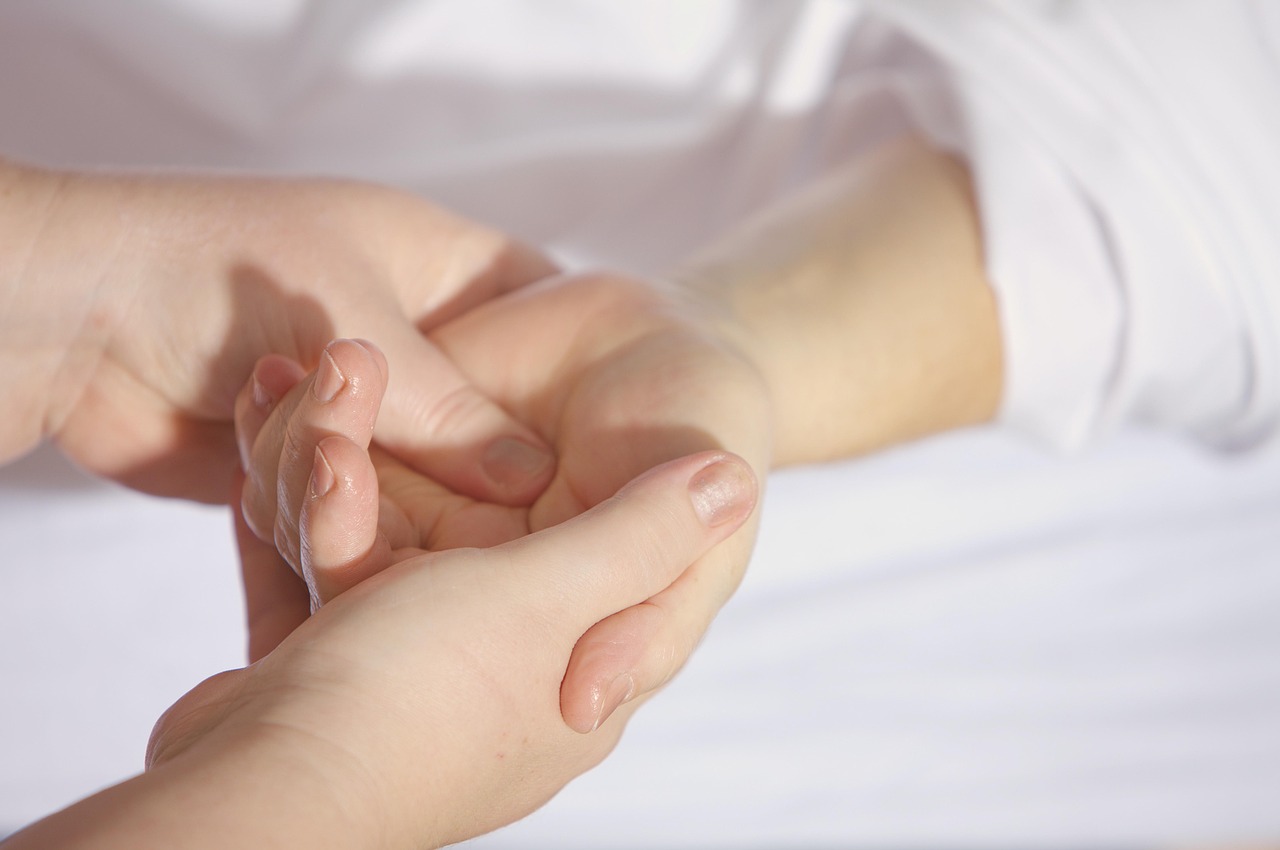
Hands-on treatment helps loosen stiffness and ease pain so you can move sooner. Guided exercise rebuilds what got weak. And someone watching your progress means you stop guessing about when to do more.
Getting Back to Your Sport
Returning to activity isn't a single moment. It's a series of small green lights. Can you walk without a limp? Jog? Cut side to side? Each step gets cleared before the next one starts.
That kind of structure cuts down on reinjury. A lot of repeat sprains trace back to coming off the bench before the joint was ready. A clear return plan closes that gap.
When to Come In
If swelling won't go down, if the joint feels unstable, or if you can't put weight on it, get it checked. Same if a sprain you thought was minor still bugs you weeks later. Lingering trouble is worth a look.
Modern Medicine works with athletes and active people across Peoria, from high school players to folks who just want to keep up with their morning runs. The plan matches your sport and your goals.
A sprain doesn't have to sideline you for months. With the right care and a smart timeline, most people get back to what they love stronger than the rushed route would ever leave them.
What Actually Happens in a Sprain
A sprain is a stretched or torn ligament, the tissue that holds bones together and keeps a joint stable. Mild ones loosen things up a little. Bad ones tear the ligament partway or all the way through.
The body starts repairing right away. The trouble is that healing on its own can leave the joint loose, weak, or stiff. People rush back too soon and re-injure it. Or they baby it too long and the joint gets cranky and tight. Both happen all the time.
Where Recovery Goes Wrong
Most people do okay with the first couple of days. Rest, ice, keep it up. That part's easy enough to figure out.
The harder stretch comes after. When do you start moving it again? How much is too much? Push too early and you set yourself back. Sitting on the couch too long and the muscles around the joint fade, balance slips, and the joint stays vulnerable. That's how one ankle sprain turns into three over a year.
How Sports Medicine Speeds Things Up
This is where having a plan matters. A sports medicine evaluation tells you what grade the sprain is and what the joint actually needs. From there, the work gets specific.
Early on, it's about calming the swelling and getting safe motion back. Then comes strength. Then, balance and the kind of control your joint needs to handle quick stops, turns, and uneven ground. We rebuild the things that keep you steady, not just the spot that hurts.
Hands-on treatment helps loosen stiffness and ease pain so you can move sooner. Guided exercise rebuilds what got weak. And someone watching your progress means you stop guessing about when to do more.
Getting Back to Your Sport
Returning to activity isn't a single moment. It's a series of small green lights. Can you walk without a limp? Jog? Cut side to side? Each step gets cleared before the next one starts.
That kind of structure cuts down on reinjury. A lot of repeat sprains trace back to coming off the bench before the joint was ready. A clear return plan closes that gap.
When to Come In
If swelling won't go down, if the joint feels unstable, or if you can't put weight on it, get it checked. Same if a sprain you thought was minor still bugs you weeks later. Lingering trouble is worth a look.
Modern Medicine works with athletes and active people across Peoria, from high school players to folks who just want to keep up with their morning runs. The plan matches your sport and your goals.
A sprain doesn't have to sideline you for months. With the right care and a smart timeline, most people get back to what they love stronger than the rushed route would ever leave them.
Peoria, AZ — Can Sports Medicine Services Speed Up Your Sprain Recovery?
SYNOPSIS: This article covers how sprains heal, where recovery tends to stall, and how sports medicine care can get you back to full speed faster. Let Modern Medicine of Peoria get you back to your sport.
What Sprain Recovery Looks Like With The Right Help
BY: Josh Adams, Modern Medicine of Peoria, AZ
What Actually Happens in a Sprain
A sprain is a stretched or torn ligament, the tissue that holds bones together and keeps a joint stable. Mild ones loosen things up a little. Bad ones tear the ligament partway or all the way through.
The body starts repairing right away. The trouble is that healing on its own can leave the joint loose, weak, or stiff. People rush back too soon and re-injure it. Or they baby it too long and the joint gets cranky and tight. Both happen all the time.
Where Recovery Goes Wrong
Most people do okay with the first couple of days. Rest, ice, keep it up. That part's easy enough to figure out.
The harder stretch comes after. When do you start moving it again? How much is too much? Push too early and you set yourself back. Sitting on the couch too long and the muscles around the joint fade, balance slips, and the joint stays vulnerable. That's how one ankle sprain turns into three over a year.
How Sports Medicine Speeds Things Up
This is where having a plan matters. A sports medicine evaluation tells you what grade the sprain is and what the joint actually needs. From there, the work gets specific.
Early on, it's about calming the swelling and getting safe motion back. Then comes strength. Then, balance and the kind of control your joint needs to handle quick stops, turns, and uneven ground. We rebuild the things that keep you steady, not just the spot that hurts.
Hands-on treatment helps loosen stiffness and ease pain so you can move sooner. Guided exercise rebuilds what got weak. And someone watching your progress means you stop guessing about when to do more.
Getting Back to Your Sport
Returning to activity isn't a single moment. It's a series of small green lights. Can you walk without a limp? Jog? Cut side to side? Each step gets cleared before the next one starts.
That kind of structure cuts down on reinjury. A lot of repeat sprains trace back to coming off the bench before the joint was ready. A clear return plan closes that gap.
When to Come In
If swelling won't go down, if the joint feels unstable, or if you can't put weight on it, get it checked. Same if a sprain you thought was minor still bugs you weeks later. Lingering trouble is worth a look.
Modern Medicine works with athletes and active people across Peoria, from high school players to folks who just want to keep up with their morning runs. The plan matches your sport and your goals.
A sprain doesn't have to sideline you for months. With the right care and a smart timeline, most people get back to what they love stronger than the rushed route would ever leave them.