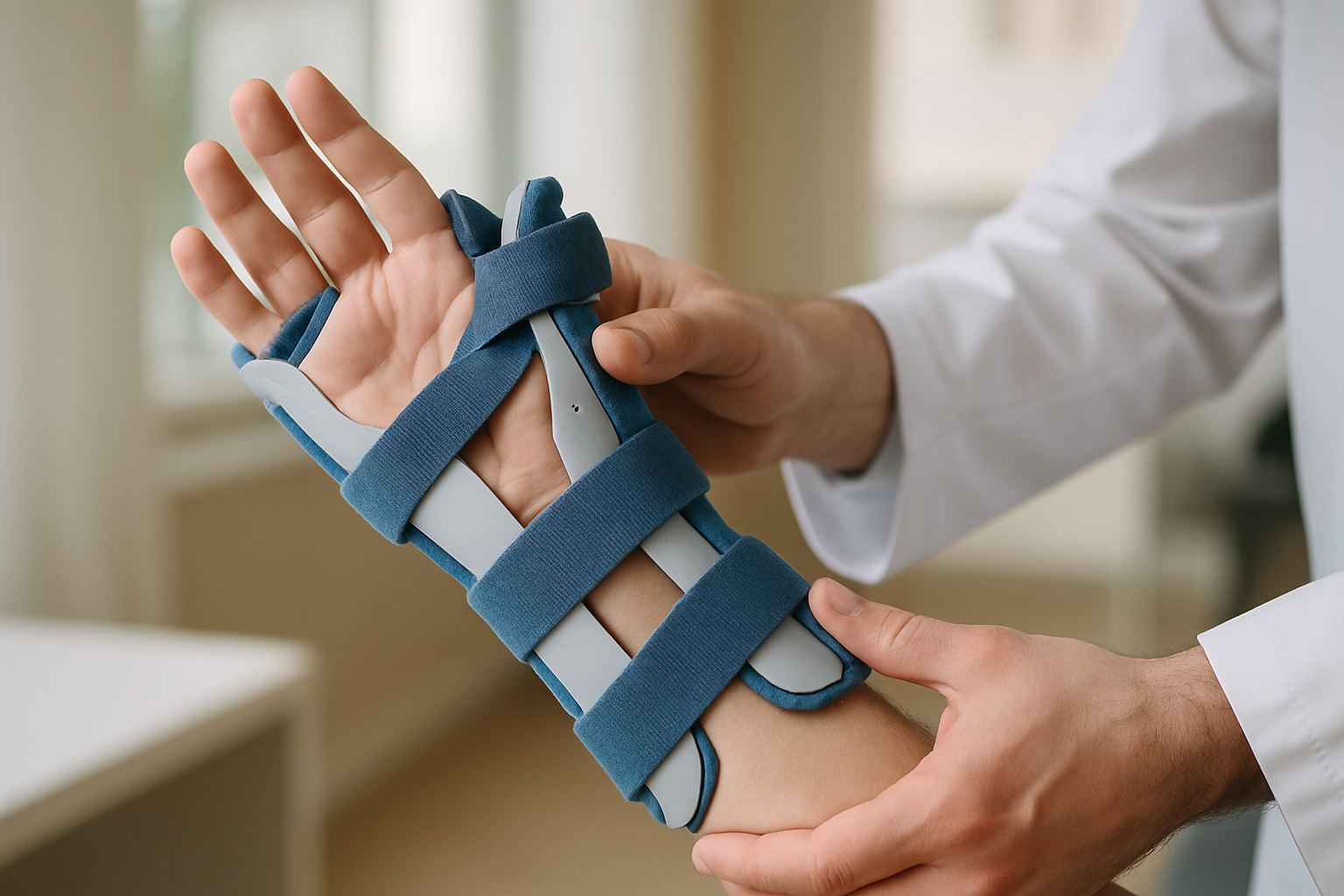
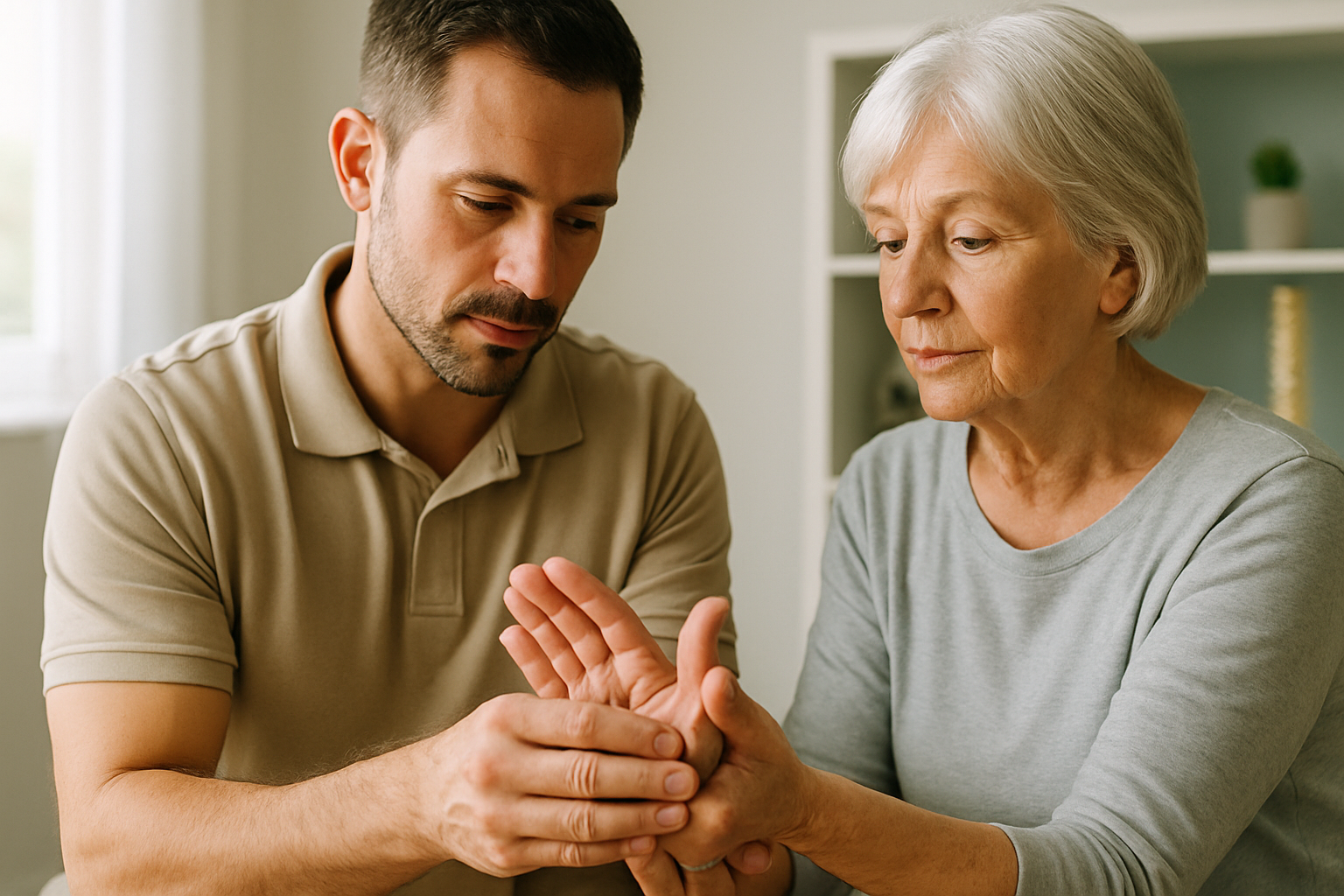
 What the First Days and Weeks Actually Feel Like
Harder than most people expect.Everything is swollen. Getting up from a chair is an event. Walking to the kitchen takes concentration. Sleep is interrupted because no position feels right for long.
None of that is a sign that something went wrong. It is just what the body does after major surgery, and it is exactly where physical therapy starts.
Early sessions are not aggressive. Swelling management comes first. Then, the basic range of motion within safe limits. Then, getting the muscles around the joint to fire again, which sounds simple but requires deliberate attention after surgery. The quad muscles in particular tend to shut down after knee replacement and getting them back online is one of the first real battles in recovery.
Why the Early Weeks Matter So Much
Compensation patterns set in fast.When a joint hurts or feels unreliable, the body finds workarounds. It shifts weight. It shortens the stride. It avoids certain movements. Those workarounds feel like solutions, but they become habits quickly. Habits that load other joints unevenly and cause new problems down the road.
A physical therapist catches those patterns early and corrects them before they settle in. That is one of the less obvious but more important parts of post-surgical rehab.
How the Plan Changes as Recovery Progresses
Once the early swelling settles and basic movement returns, the work shifts.
Strength becomes the focus. Progressive loading through the joint in a controlled way. Single leg work. Step training. Balance exercises that retrain the joint's ability to sense position and load accurately.
Later on, sessions start to look like actual life. Getting in and out of a car. Stairs without favoring one side. Walking longer distances without joint swelling afterward. For more active Peoria patients, it might mean getting back to golf, pickleball, or a regular walking routine without the replaced joint being a limitation.
Progress is not always clean. A more active day can bring swelling back. A harder session can leave the joint sore the next morning. That is part of bone and tissue healing. It is not a reason to stop.
Questions That Come Up Regularly
A few things patients ask about often:
- How long active physical therapy actually runs
- When driving becomes possible again
- Whether the activity level before surgery is realistic to return to
- What to do when a session leaves the joint more sore than expected
These are all worth asking out loud. There are honest answers to most of them and understanding the timeline makes it easier to stay consistent through the harder stretches.
Getting the Recovery Right Today
Joint replacement recovery done well does not happen by accident. It takes a plan that adjusts as the bone and tissue heal and a care team that is paying attention to how things are actually going week to week.
If you are preparing for joint replacement surgery or are already post-op and looking for physical therapy, reach out to Modern Medicine of Peoria, AZ, to set up an evaluation.