 Joint Pain Does Not Always Mean Surgery
A lot of people put off care for joint pain for one reason. They assume the visit will end with a surgery talk.
That fear keeps people waiting through months of stiffness, swelling, aching, and limited movement. They start avoiding stairs. They stop walking as far. They use the other arm more. They sit down carefully, stand up slowly, and hope the joint settles down on its own.
Many joint problems do not need surgery as the first step.
What A Non-Surgical Visit Often Looks Like
A good orthopedic visit should feel useful right away. It should not feel rushed. It should not feel like someone looked at the sore area for thirty seconds and sent you on your way.
The visit usually starts with the history. We ask when the pain began, what movements trigger it, how long it has been going on, and what daily tasks have gotten harder. Those details help narrow the problem down.
Then comes the exam. We may check:
- Range of motion
- Joint tenderness
- Swelling
- Strength
- Balance
- Walking pattern
- Joint stability
- Movements that bring on pain
That exam matters. A scan can show wear. An exam shows how that wear affects your life. It also helps us tell the difference between joint pain, tendon pain, muscle weakness, and movement problems that are putting extra stress on the area.
The Kinds Of Joint Problems We Often Treat
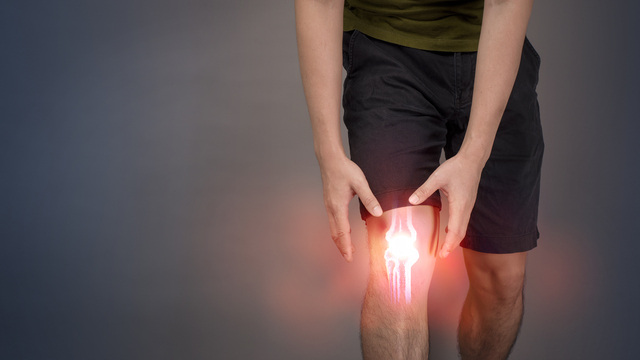
Joint pain can come from several sources. Some patients have arthritis that makes the joint stiff and sore. Some have tendon irritation around the joint. Some have pain after an old injury that never fully healed. Others have weakness and poor movement patterns that slowly increase stress on the area over time.
We often evaluate pain involving:
- Knees
- Hips
- Shoulders
- Ankles
- Elbows
The symptoms vary. One person feels pain after standing too long. Another struggles with reaching overhead. Another notices the joint feels unstable during walking, lifting, or exercise. A few patients describe clicking, catching, or a weak feeling that makes them stop trusting the joint.
Those differences matter. The best next step for knee arthritis is not always the best next step for shoulder impingement or hip tendon pain. That is why a real exam comes first.
Non-Surgical Care Can Include More Than One Service
A lot of people think a doctor visit ends with a prescription and a wait-and-see plan. Non-surgical orthopedic care can be more active than that.
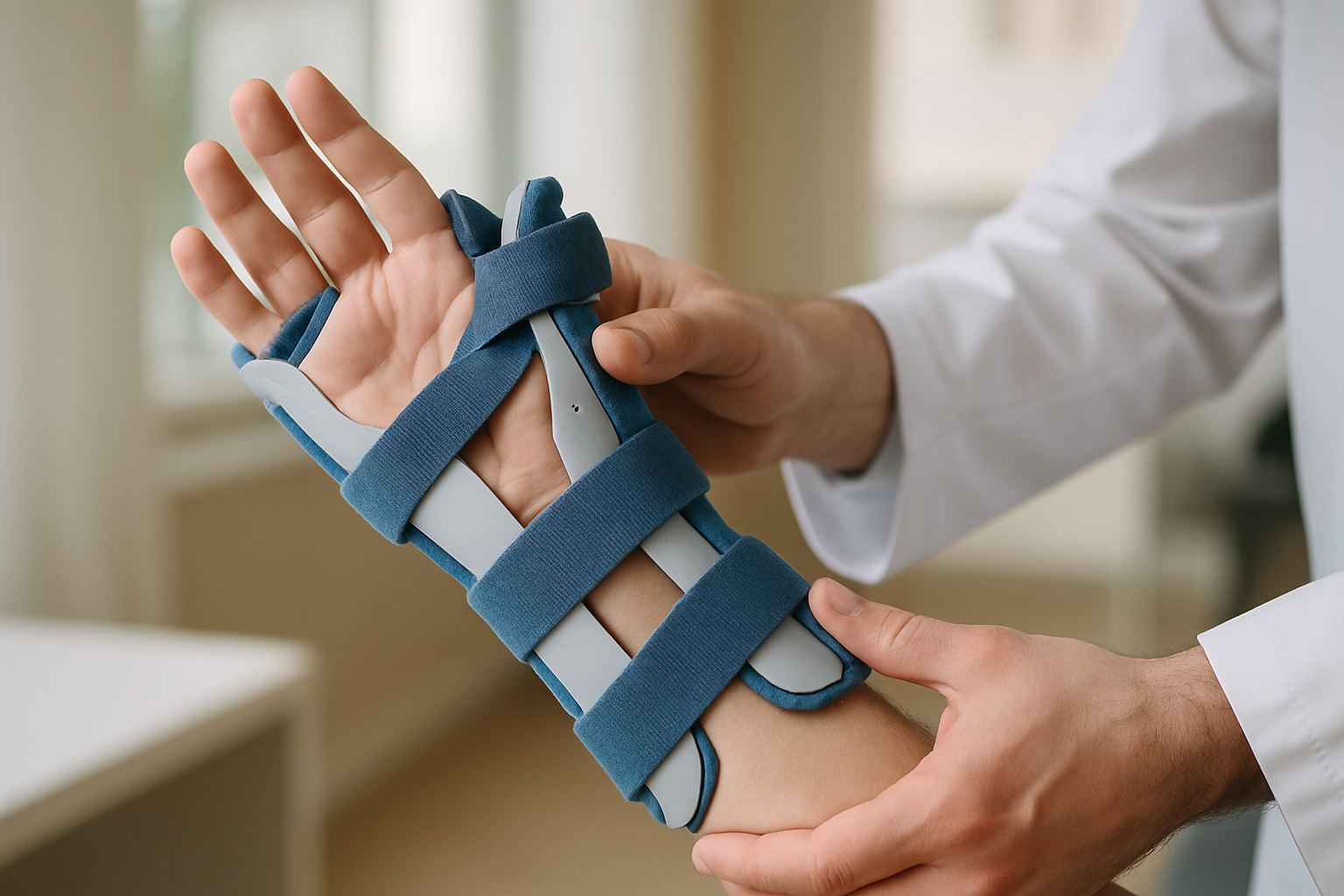
Treatment may include physical therapy, guided strength work, mobility training, movement retraining, hands-on care, activity changes, and, in some cases, injections. Each service has a job. One part of care may help calm pain. Another may improve how the joint moves. Another may build the muscle support that keeps stress off the sore area.
For example, a painful knee may need stronger hips and quads, or a painful shoulder may need better shoulder blade control and cuff strength.
Schedule a visit with Modern Medicine of Peoria, AZ, and get care built around relief, support, and better movement.