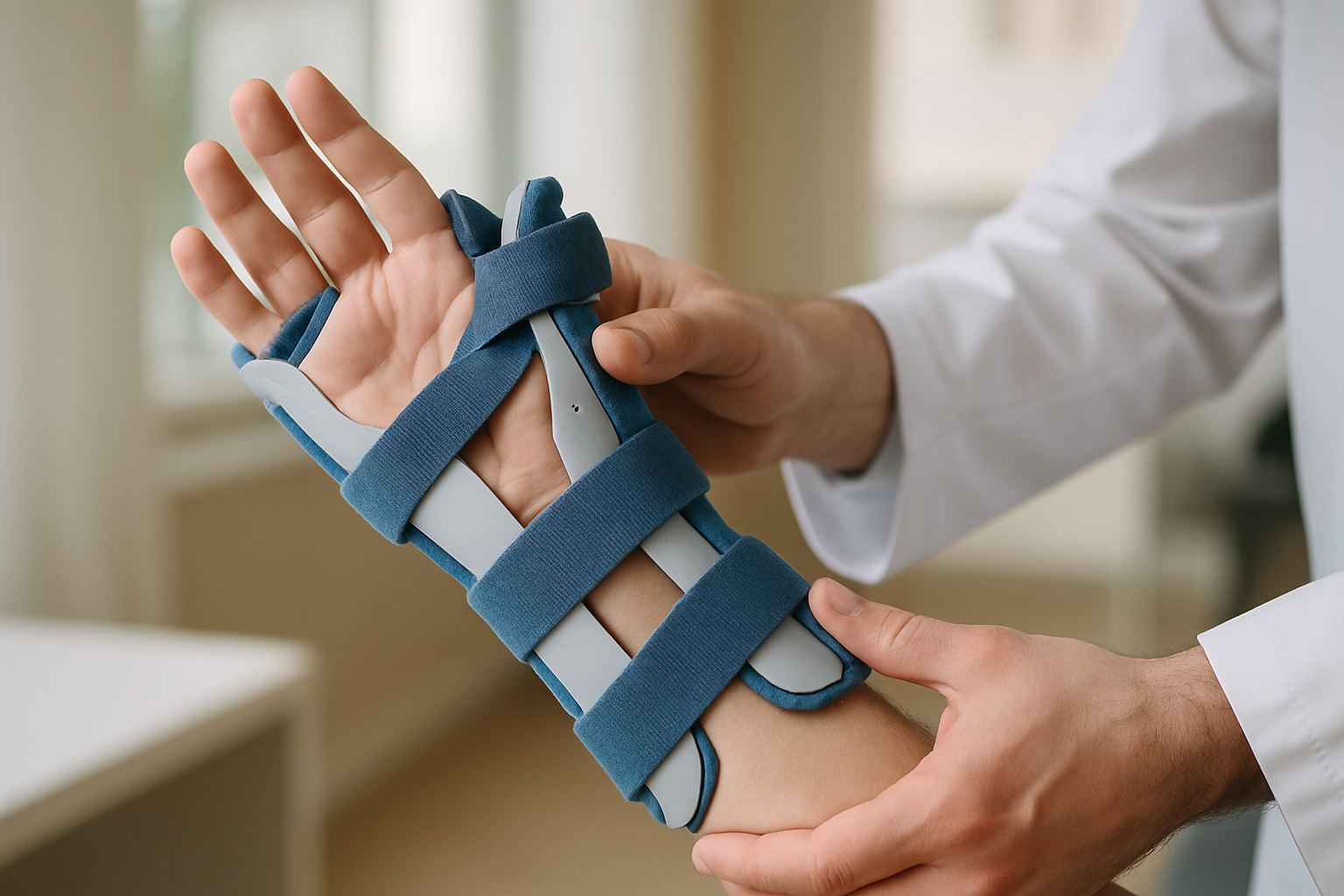
Most people do not walk in saying, “I need rehab.” They walk in saying, “My knee feels weird on stairs,” or “My shoulder hurts every time I reach for the seat belt.” That matters because treatment should match the exact limit you notice first. A good plan ties each treatment to a task, like squatting to pick up a bag, getting up from the couch, or finishing a work shift without a flare.
Pain And Swelling Control That Lets You Move
Early treatment often focuses on calming the area so you can move without guarding. When swelling and irritation stay high, the joint stiffens, and the nearby muscles shut down. Targeted movement, light loading, and hands-on care can lower symptoms so walking, sleeping, and sitting feel less stressful.
Joint And Soft Tissue Work To Restore “Smooth Motion”
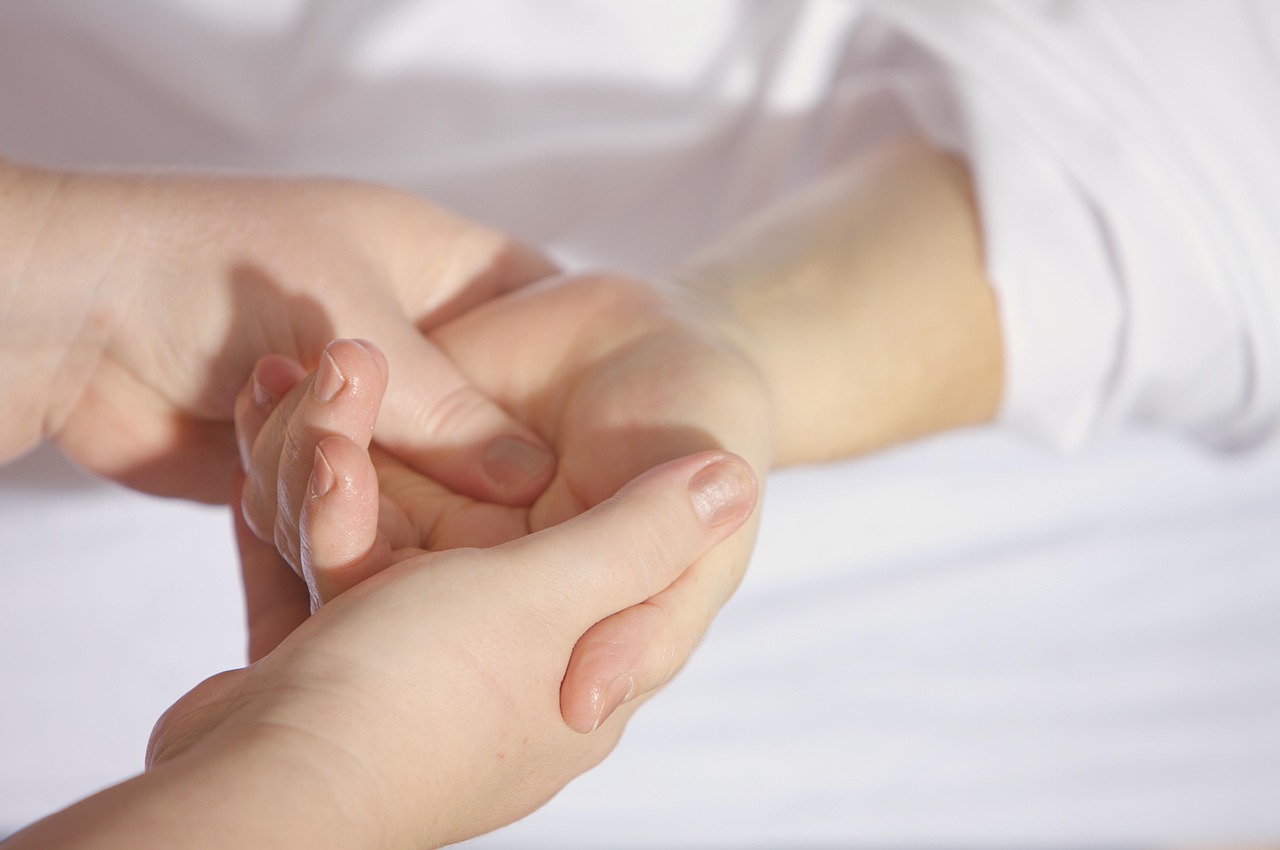
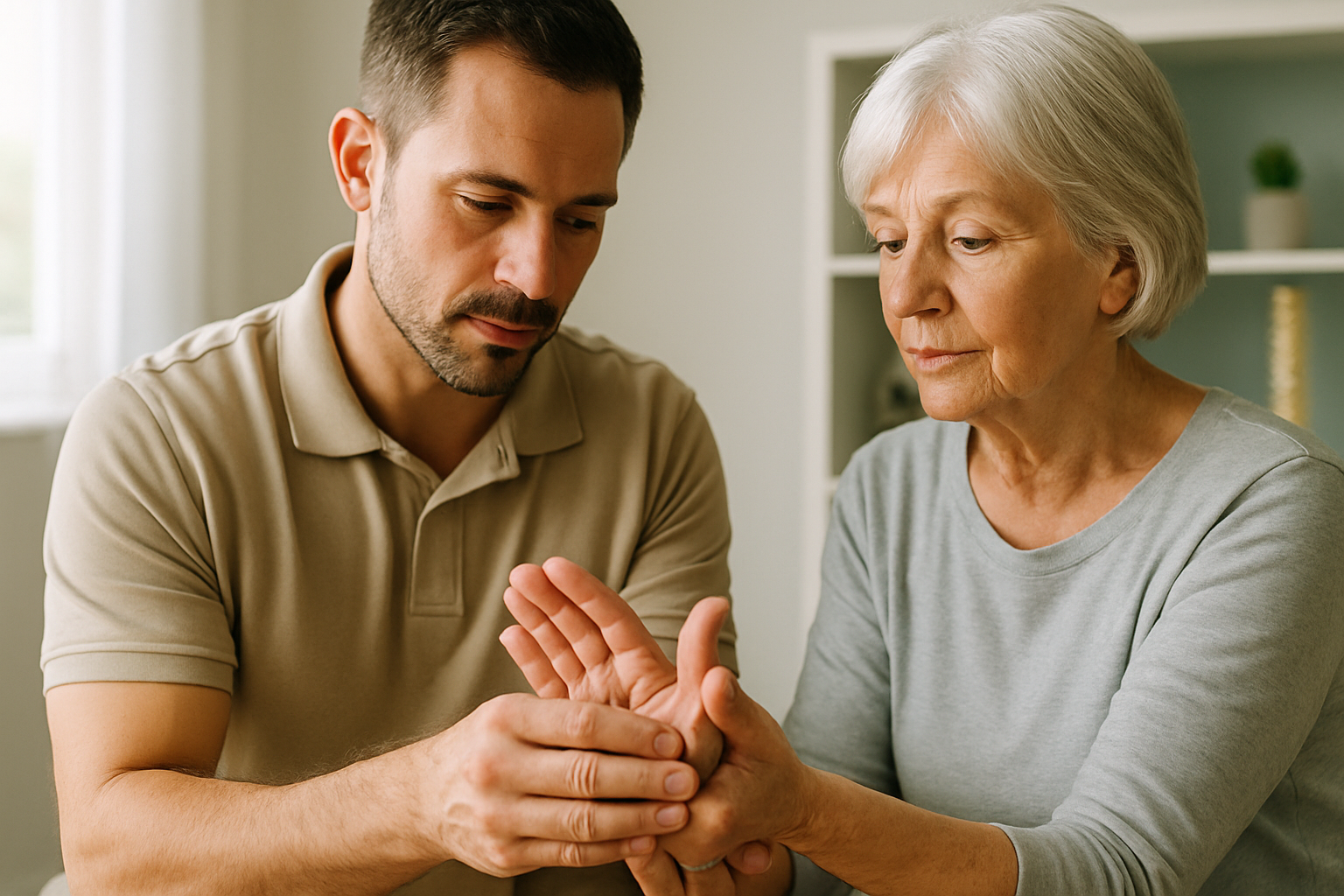
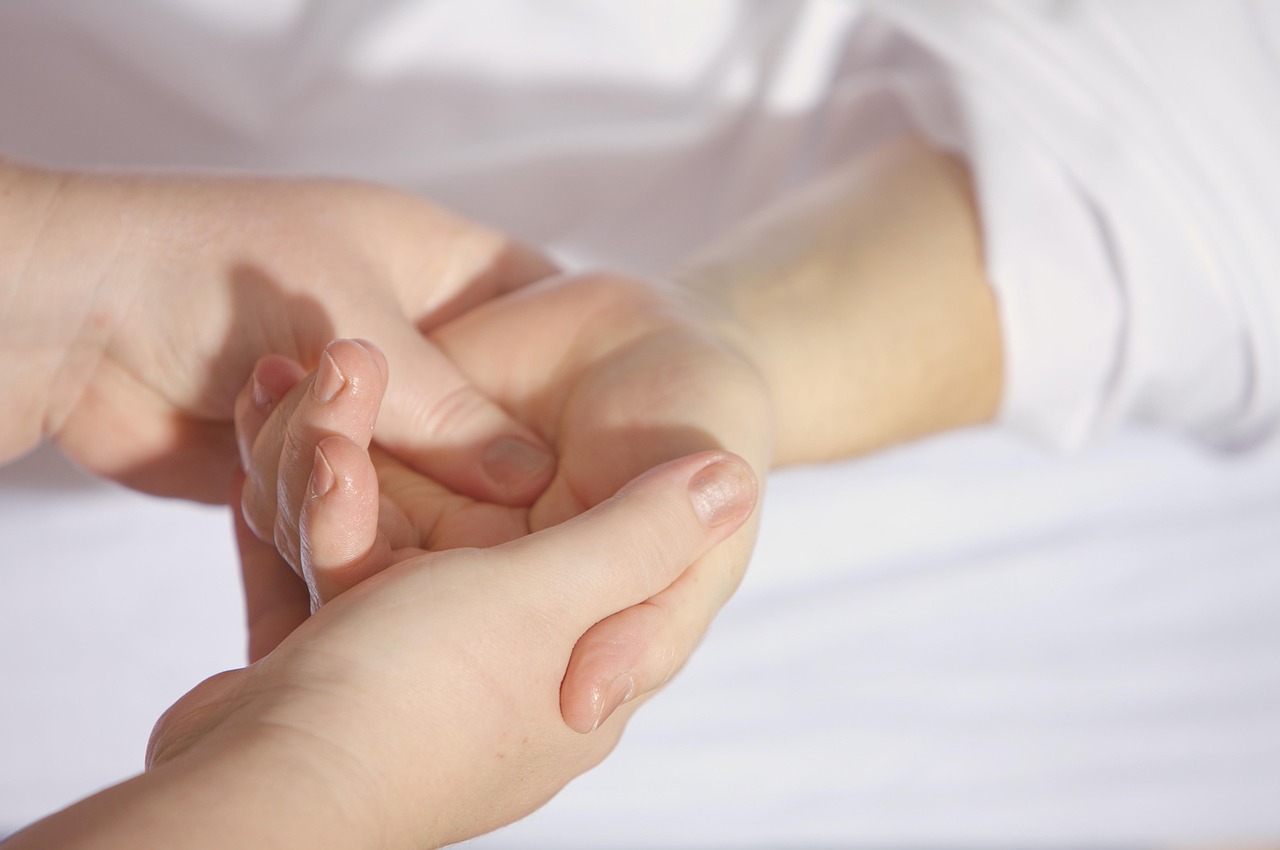
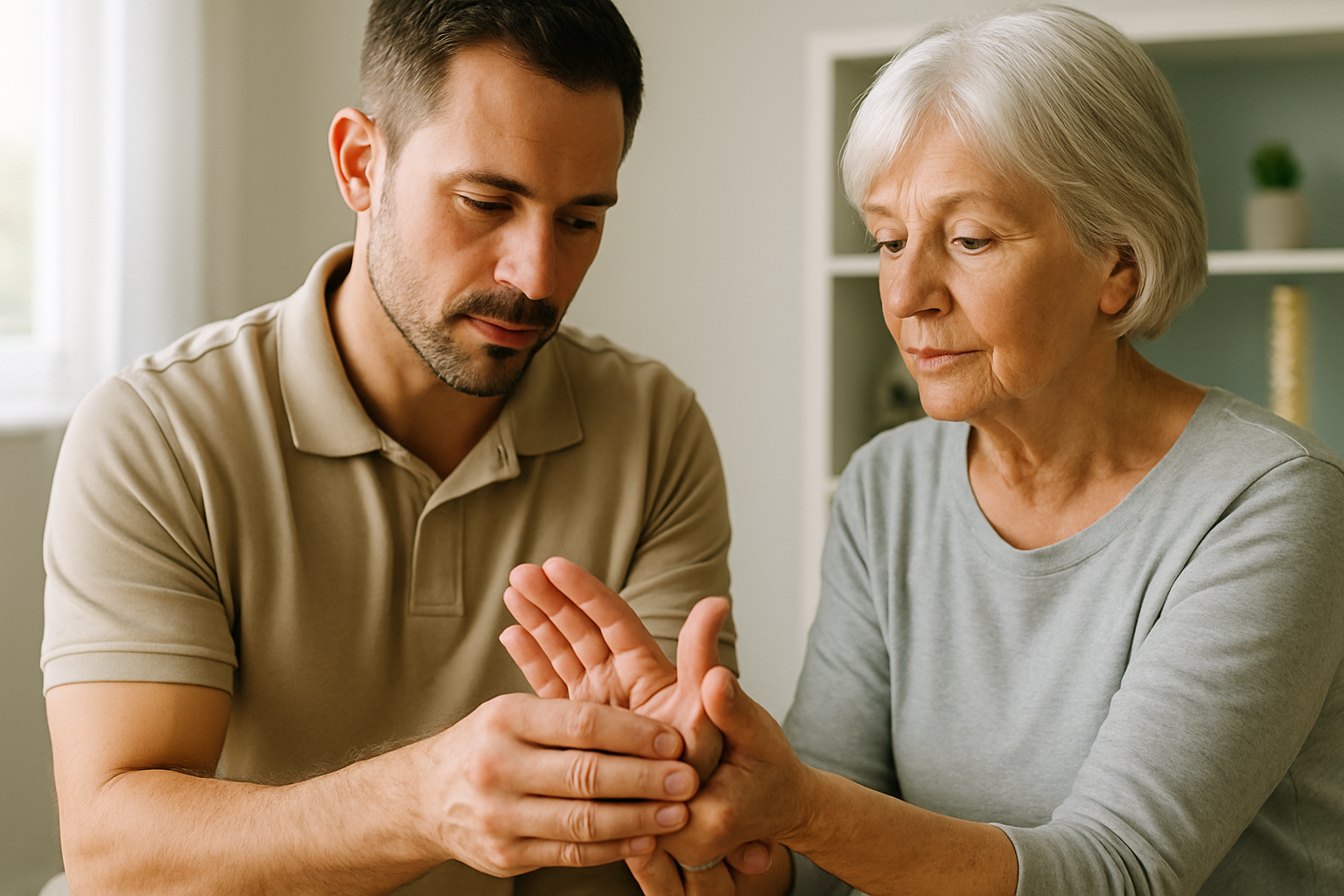
Some injuries leave you feeling stuck, like the joint will not glide right. Manual therapy targets stiffness around the joint and the tissue that tightens during rest. The goal is a cleaner motion arc, so you can bend your ankle on stairs, rotate your hip during a step, or lift your arm without a pinch.
Strength Training That Makes The Joint Less Fragile
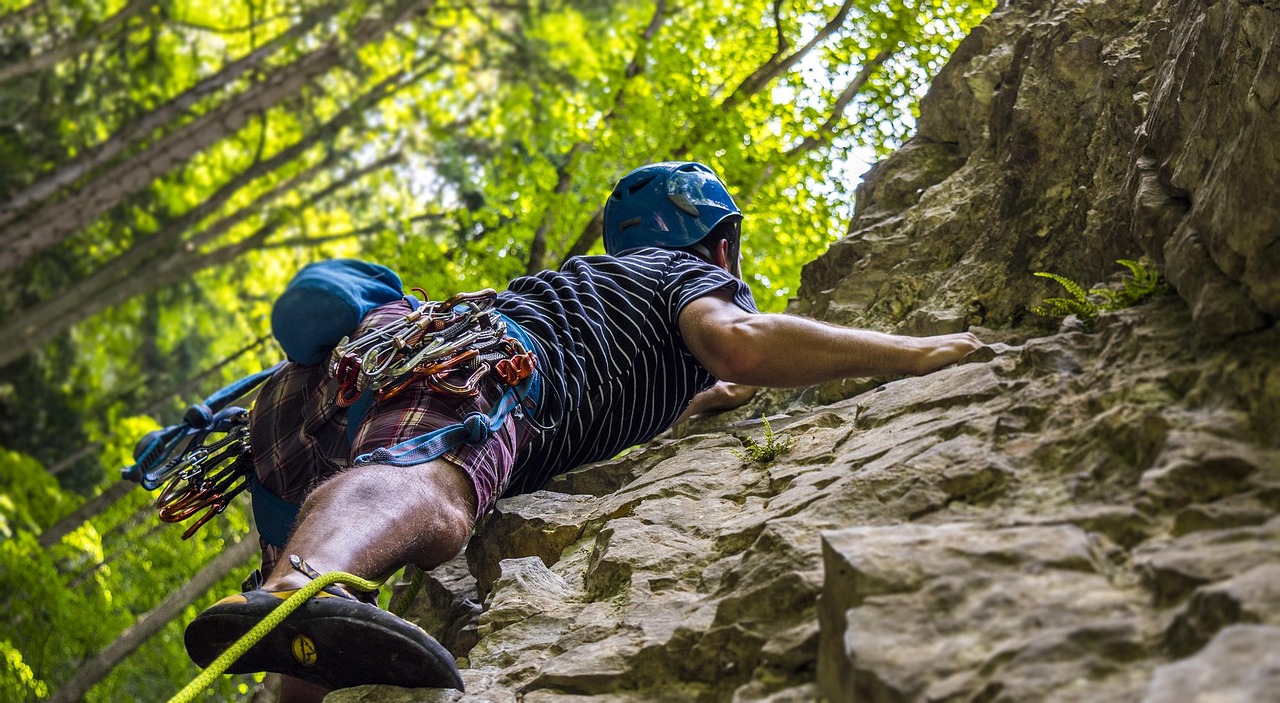
Sports injuries often leave one side weaker, even if the pain drops. Strength work rebuilds the muscles that protect the injured area, so the joint stops taking the full hit. A therapist may start with controlled holds, then move to slow reps, then add load. As you improve, the exercises start to look more like your routine, like carrying, pushing, pulling, and controlled single-leg work.
Movement Re-Training For The Bad Habits You Picked Up
When pain shows up, most people change how they move. You shift weight away from the sore side. You shorten your stride. You twist through the lower back because the hip feels tight. Movement retraining fixes those patterns early, so you do not keep feeding the injury. This work can include walking drills, squat form coaching, landing practice, or shoulder mechanics during pressing and reaching.
Balance And Reaction Work For Stability You Can Trust
If you rolled an ankle or twisted a knee, you may feel stable in a straight line but shaky when you turn. Balance work restores the fast reactions that protect you during real life. You practice single-leg control, step downs, uneven surface work, and quick foot adjustments. This helps during sports, but it also helps with curbs, gravel parking lots, and sudden direction changes in a busy store.
Orthopedic Treatments And What Each One Helps
- Symptom control: Reduces swelling and pain so you can move again
- Manual therapy: Improves joint motion and eases tight tissue limits
- Progressive strengthening: Builds support so the load feels safer and steadier
- Movement retraining: Fixes limping, poor squat form, or unsafe landing habits
- Balance and reaction work: Restores stability for turns, uneven ground, and quick steps
- Return to sport progression: Rebuilds speed, cutting, jumping, or throwing in stages