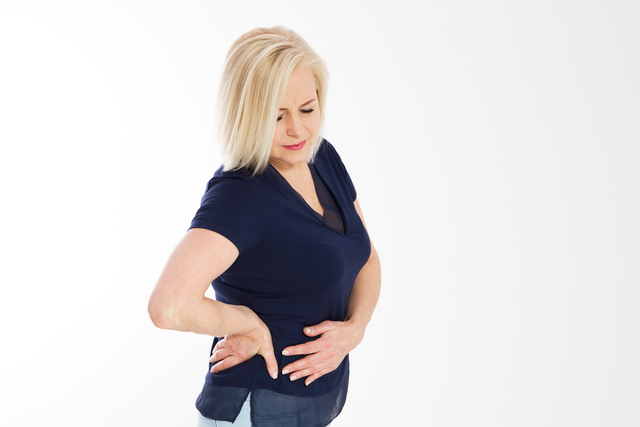
Hip pain has a way of spreading into everything. You start thinking about every step. You pick the chair with the higher seat. You avoid the side that hurts at night. Then you realize you’ve been moving less for weeks.
What Commonly Causes Hip Pain
The hip is tricky because pain can come from different places and still feel “like the hip.” Sometimes it’s the joint. Sometimes it’s the tendons on the side. Sometimes it’s the front of the hip where the hip flexor lives. Sometimes the lower back sends pain into the hip area and makes it feel like the hip is the problem.
Here are a few common culprits we see:
- Arthritis changes in the joint
- Glute tendon irritation on the outside of the hip
- Hip flexor irritation in the front of the hip
- Outside-of-hip pain that behaves like bursitis
- Muscle strains from lifting, running, or quick twists
- Low back or SI joint referral that mimics hip pain
How Hip Pain Cuts Down Mobility
Hip pain doesn’t just hurt. It changes your habits. You shorten your stride. You rotate less when you walk. You shift weight to the other leg. You stop squatting, kneeling, or taking stairs normally. Then you stiffen up. That’s the part people don’t expect. Less motion leads to tighter tissues and weaker support. After a while, even simple things start feeling limited, getting in and out of a car, putting on socks, climbing stairs, walking the dog.
Why a New Hip Is Not Always the Answer
Hip replacement can be the right fit for some people, but many cases improve without surgery. Pain levels and imaging don’t always match. Some people have arthritis on X-ray and still function well when they build strength and improve mobility. Others have “mild” imaging findings but a very irritated hip because the area is overloaded. PT also helps sort out the driver. A tendon problem and a joint problem can feel similar early on, but the treatment plan is different. Getting that right saves time.
How Physical Therapy Helps, and Why It’s Often the Better First Step
At Modern Physical Therapy & Sports Medicine of Peoria, AZ, we look at how your hip behaves when you do real tasks. Walking, stairs, standing up from a chair, stepping into the car, balance, and single-leg control. We check range of motion and strength, and we also look at the pelvis and lower back since they often influence hip symptoms.
From there, we build a plan that’s meant to make daily life easier. That usually includes targeted hip and glute strengthening, mobility work for the motions you’ve lost, and movement retraining so you stop aggravating the same spot every day. The point is to make your hip more capable, not just calmer for a day.
When to Get Checked
If hip pain hangs around more than a couple of weeks, keeps returning, or is affecting sleep, walking, stairs, or basic tasks, come in. Also, get evaluated if you feel catching, locking, sudden loss of motion, or pain that travels down the leg.
Schedule an appointment with Modern Physical Therapy & Sports Medicine of Peoria, AZ, and get a plan to reduce pain, restore motion, and keep you moving without rushing into surgery.