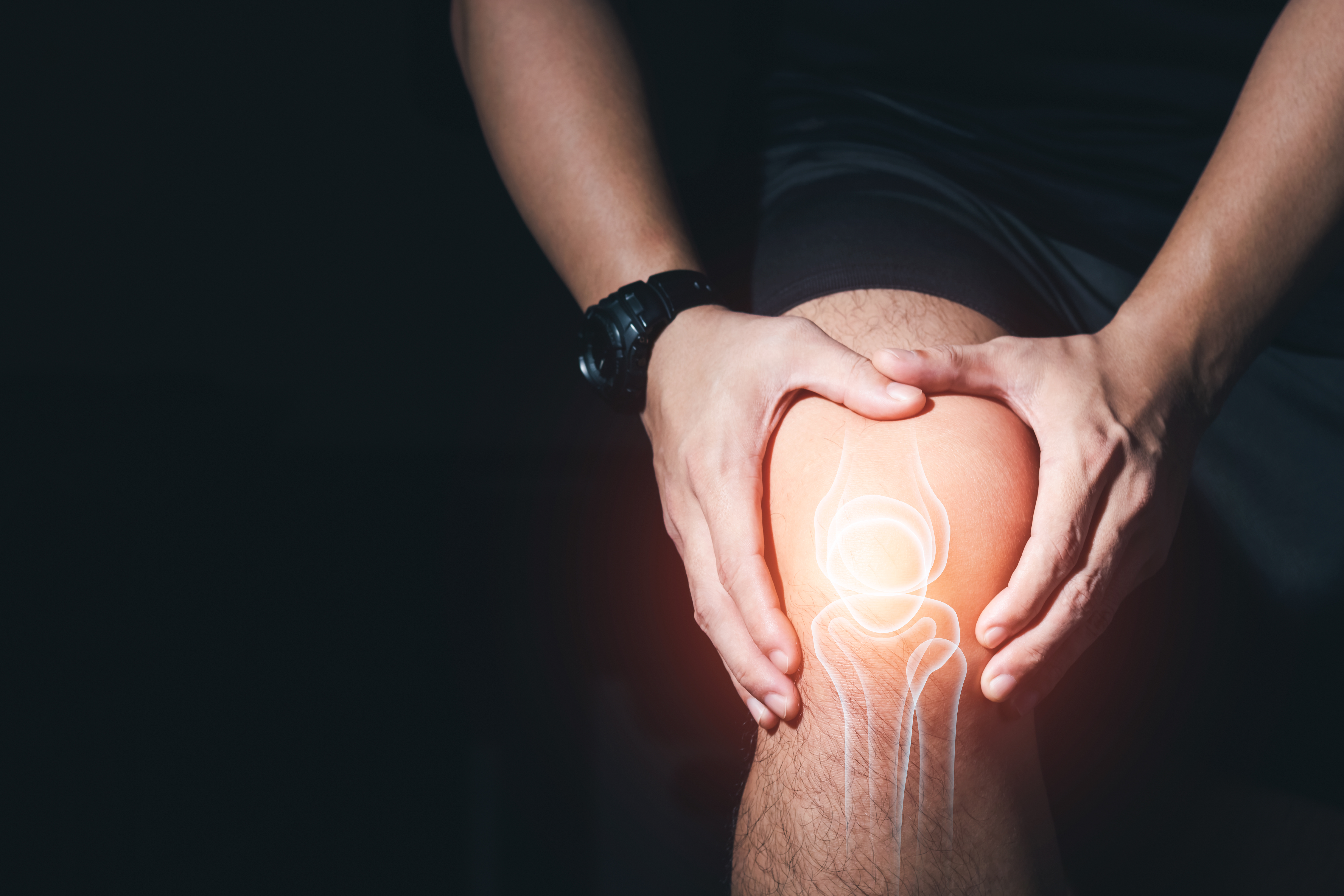
 What Non-Surgical Orthopedics Means
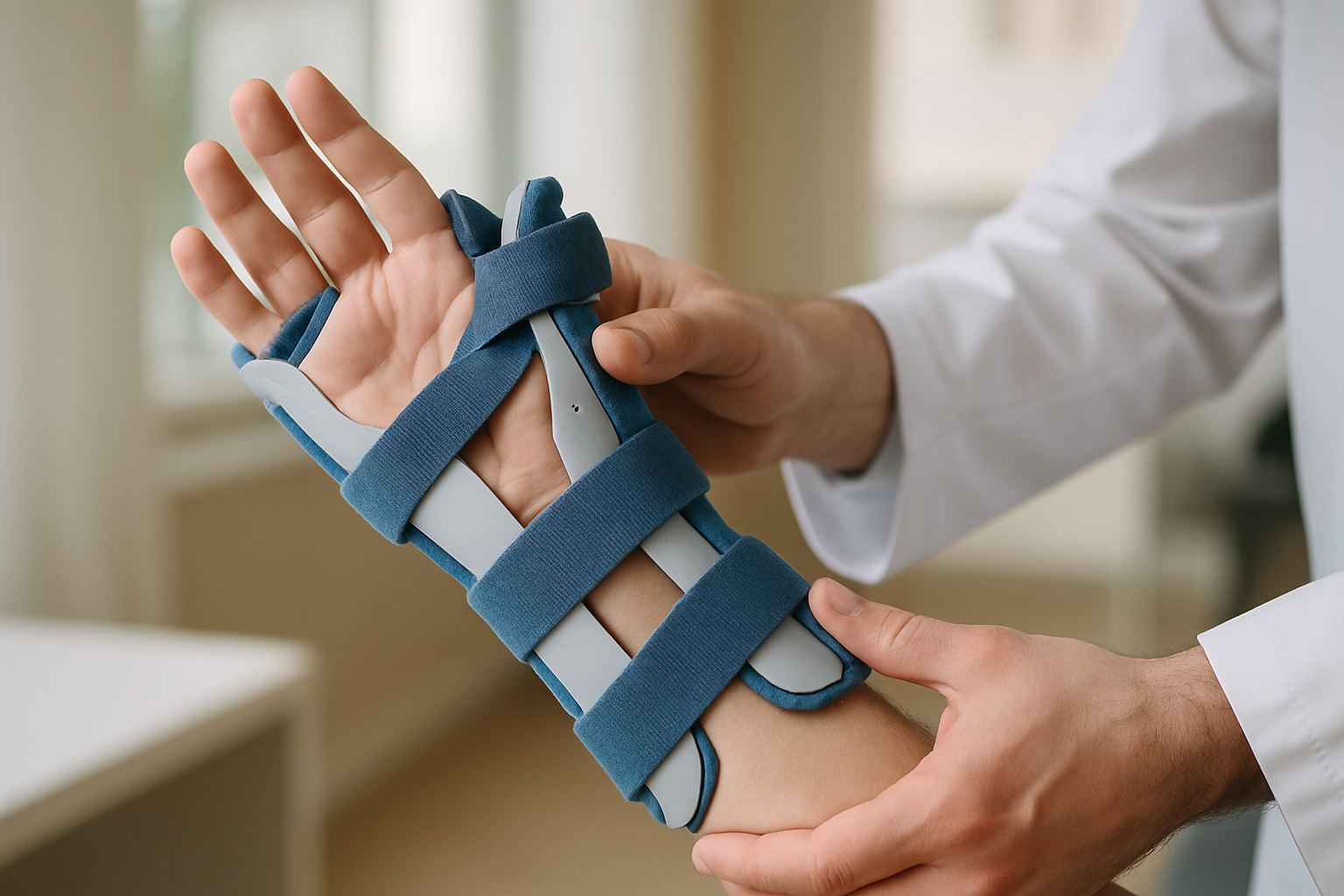
Non-surgical orthopedics focuses on restoring movement and reducing pain without invasive procedures. It includes physical therapy, targeted exercises, injections, bracing, and simple changes to how you move throughout the day. These treatments help calm irritation, build strength, and support the joint so you can walk or stand with less discomfort.
Why Surgery Comes Up
Doctors mention surgery when pain stays intense or when the knee feels unstable. Imaging might show a tear or worn cartilage. Some patients reach this point after years of recurring symptoms. In specific cases, surgery is the right choice. Full ligament tears. Fractures. Serious damage that blocks motion. But most knee and leg pain is not caused by something that needs an operation. Many people hear the word “surgery” far earlier than needed.
Why Surgery Should Not Be the First Assumption
Pain often comes from swelling, tight muscles, or weakness around the joint. These issues respond well to simple care. When you strengthen supporting muscles, improve mobility, and reduce irritation, movement becomes easier. Pain fades.
Choosing surgery too soon can create a long recovery. You might miss work or daily activities for weeks. Most surgical patients still need physical therapy afterward. Starting with a non-surgical plan avoids those demands and helps your body recover on its own.
How Non-Surgical Care Helps
At Modern Medicine Physical Therapy & Sports Medicine of Peoria, AZ, we begin by learning what sets the pain off. Sometimes it starts after a long walk. Sometimes it builds from old habits, uneven movement, or simple muscle fatigue.
Once we know the cause, we build a plan that fits your day. You might work on strengthening your hips or thighs. You might train balance so the knee feels more secure on uneven ground. We stretch stiff muscles. We guide you through movements you struggle with, like standing from a chair or walking up stairs. If swelling is stubborn, an injection can calm the area enough for therapy to move forward.
How Decisions Are Made
We talk through your symptoms, your goals, and how long the pain has been present. We test how your knee or leg handles weight and motion. If your symptoms improve over a few sessions, that tells us the joint responds to conservative care. That is usually enough to avoid surgery. If progress stalls despite steady effort, we reassess and talk through other options together.
If knee or leg pain is slowing you down or coming back again and again, call or schedule a visit. We will help you find the next step that feels right for your situation.
What Non-Surgical Orthopedics Means
Non-surgical orthopedics focuses on restoring movement and reducing pain without invasive procedures. It includes physical therapy, targeted exercises, injections, bracing, and simple changes to how you move throughout the day. These treatments help calm irritation, build strength, and support the joint so you can walk or stand with less discomfort.
Why Surgery Comes Up
Doctors mention surgery when pain stays intense or when the knee feels unstable. Imaging might show a tear or worn cartilage. Some patients reach this point after years of recurring symptoms. In specific cases, surgery is the right choice. Full ligament tears. Fractures. Serious damage that blocks motion. But most knee and leg pain is not caused by something that needs an operation. Many people hear the word “surgery” far earlier than needed.
Why Surgery Should Not Be the First Assumption
Pain often comes from swelling, tight muscles, or weakness around the joint. These issues respond well to simple care. When you strengthen supporting muscles, improve mobility, and reduce irritation, movement becomes easier. Pain fades.
Choosing surgery too soon can create a long recovery. You might miss work or daily activities for weeks. Most surgical patients still need physical therapy afterward. Starting with a non-surgical plan avoids those demands and helps your body recover on its own.
How Non-Surgical Care Helps
At Modern Medicine Physical Therapy & Sports Medicine of Peoria, AZ, we begin by learning what sets the pain off. Sometimes it starts after a long walk. Sometimes it builds from old habits, uneven movement, or simple muscle fatigue.
Once we know the cause, we build a plan that fits your day. You might work on strengthening your hips or thighs. You might train balance so the knee feels more secure on uneven ground. We stretch stiff muscles. We guide you through movements you struggle with, like standing from a chair or walking up stairs. If swelling is stubborn, an injection can calm the area enough for therapy to move forward.
How Decisions Are Made
We talk through your symptoms, your goals, and how long the pain has been present. We test how your knee or leg handles weight and motion. If your symptoms improve over a few sessions, that tells us the joint responds to conservative care. That is usually enough to avoid surgery. If progress stalls despite steady effort, we reassess and talk through other options together.
If knee or leg pain is slowing you down or coming back again and again, call or schedule a visit. We will help you find the next step that feels right for your situation.
Glendale, AZ - When to Choose Non-Surgical Orthopedics for Knee & Leg Pain
SYNOPSIS: This article covers how Modern Medicine Physical Therapy & Sports Medicine of Peoria, AZ, helps patients decide when non-surgical care is the right starting point for knee and leg pain.
When Non-Surgical Orthopedics Makes Sense
BY: Josh Adams, Modern Medicine of Peoria, AZ
What Non-Surgical Orthopedics Means
Non-surgical orthopedics focuses on restoring movement and reducing pain without invasive procedures. It includes physical therapy, targeted exercises, injections, bracing, and simple changes to how you move throughout the day. These treatments help calm irritation, build strength, and support the joint so you can walk or stand with less discomfort.
Why Surgery Comes Up
Doctors mention surgery when pain stays intense or when the knee feels unstable. Imaging might show a tear or worn cartilage. Some patients reach this point after years of recurring symptoms. In specific cases, surgery is the right choice. Full ligament tears. Fractures. Serious damage that blocks motion. But most knee and leg pain is not caused by something that needs an operation. Many people hear the word “surgery” far earlier than needed.
Why Surgery Should Not Be the First Assumption
Pain often comes from swelling, tight muscles, or weakness around the joint. These issues respond well to simple care. When you strengthen supporting muscles, improve mobility, and reduce irritation, movement becomes easier. Pain fades.
Choosing surgery too soon can create a long recovery. You might miss work or daily activities for weeks. Most surgical patients still need physical therapy afterward. Starting with a non-surgical plan avoids those demands and helps your body recover on its own.
How Non-Surgical Care Helps
At Modern Medicine Physical Therapy & Sports Medicine of Peoria, AZ, we begin by learning what sets the pain off. Sometimes it starts after a long walk. Sometimes it builds from old habits, uneven movement, or simple muscle fatigue.
Once we know the cause, we build a plan that fits your day. You might work on strengthening your hips or thighs. You might train balance so the knee feels more secure on uneven ground. We stretch stiff muscles. We guide you through movements you struggle with, like standing from a chair or walking up stairs. If swelling is stubborn, an injection can calm the area enough for therapy to move forward.
How Decisions Are Made
We talk through your symptoms, your goals, and how long the pain has been present. We test how your knee or leg handles weight and motion. If your symptoms improve over a few sessions, that tells us the joint responds to conservative care. That is usually enough to avoid surgery. If progress stalls despite steady effort, we reassess and talk through other options together.
If knee or leg pain is slowing you down or coming back again and again, call or schedule a visit. We will help you find the next step that feels right for your situation.