 How Injuries Happen
Kids push their limits. They run fast, jump high, and move without hesitation. That freedom is part of growing up, but it also creates moments where the body gets stressed more than it can handle. A sharp twist. A bad landing. A foot caught in the turf. Sometimes it’s nothing dramatic at all. A small ache from practice shows up again the next day and gets brushed off. Then it becomes something bigger.
Fatigue also plays a role. When kids are tired, form breaks down. A knee turns in. A shoulder drops.
Common Injuries in Young Athletes
In our clinic, we see a wide range of injuries. Ankles and knees get hurt most often. Those areas take the most force during running, cutting, and jumping. Strains show up in the thighs or calves. Shoulder pain is common in throwers and swimmers. Overuse problems develop in kids who train year-round without enough rest. We also see ACL and meniscus injuries, especially in sports with quick pivots. Concussions happen, too, even in sports that people don’t always consider “high contact.”
Sports With Higher Risk
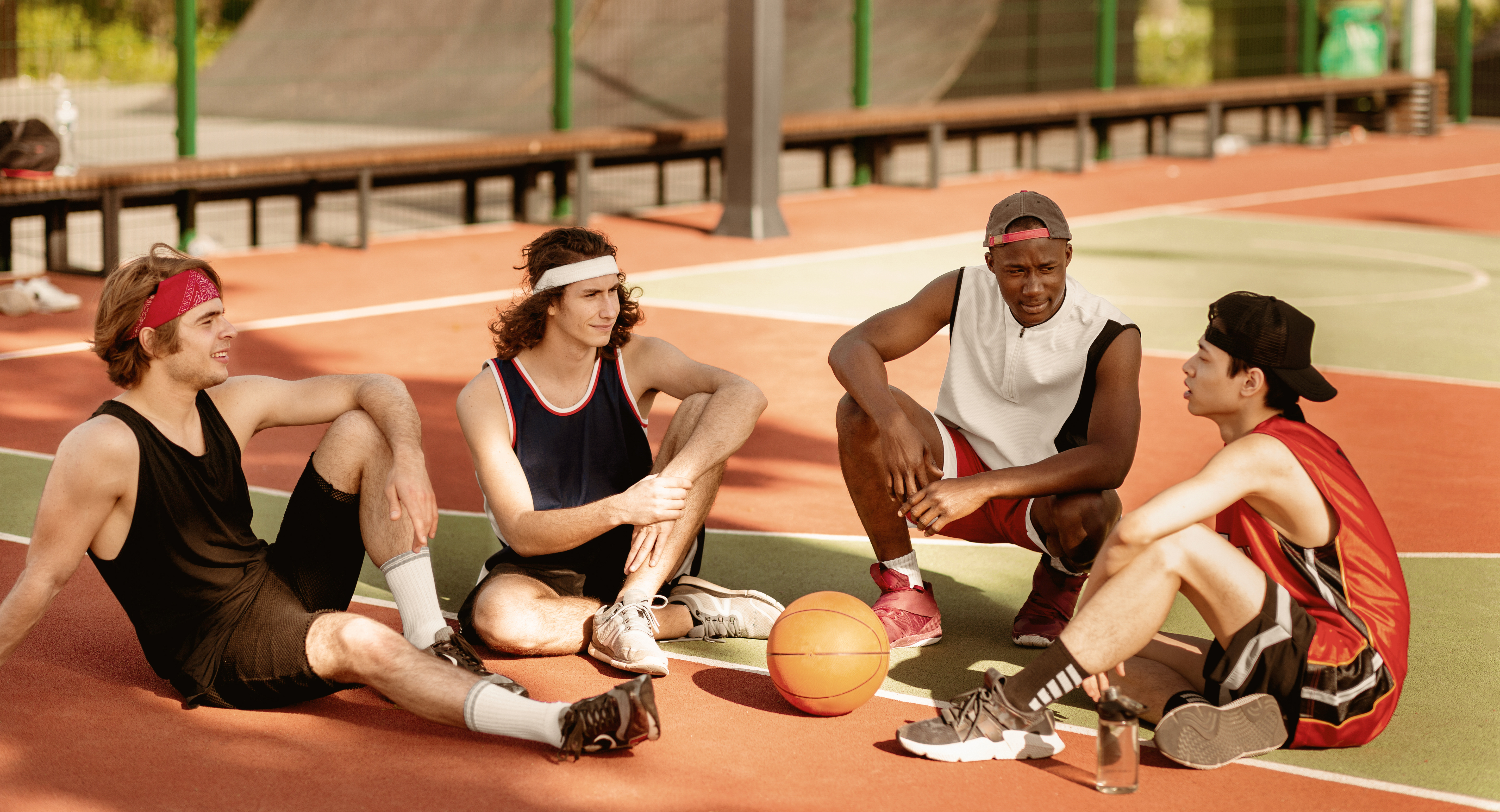
Some sports naturally come with more strain or impact. Soccer and basketball create lots of twisting and quick stops. Football brings contact. Gymnastics and cheer involve repetitive loading on wrists, elbows, and knees. Baseball and tennis use the same motions over and over. Swimming sounds gentle, but shoulder fatigue builds up fast when the workload increases.
The sport isn’t the problem. The combination of growth, training load, and technique changes during adolescence is what puts kids at risk.
How Physical Therapy Helps
Parents want to know what therapy will do. In simple terms, we help kids move without pain and teach them how to avoid getting hurt again.
We start by easing the painful area. That may mean reducing swelling, improving joint motion, or calming tight muscles. Once the pain settles, we shift to strength. Not heavy gym strength, but the kind that supports joints and makes movement easier. We teach kids how to land better, jump better, cut better, or throw with less strain.
A lot of progress comes from helping kids understand how their bodies should feel when they’re working well.
What Kind of PT Works Best
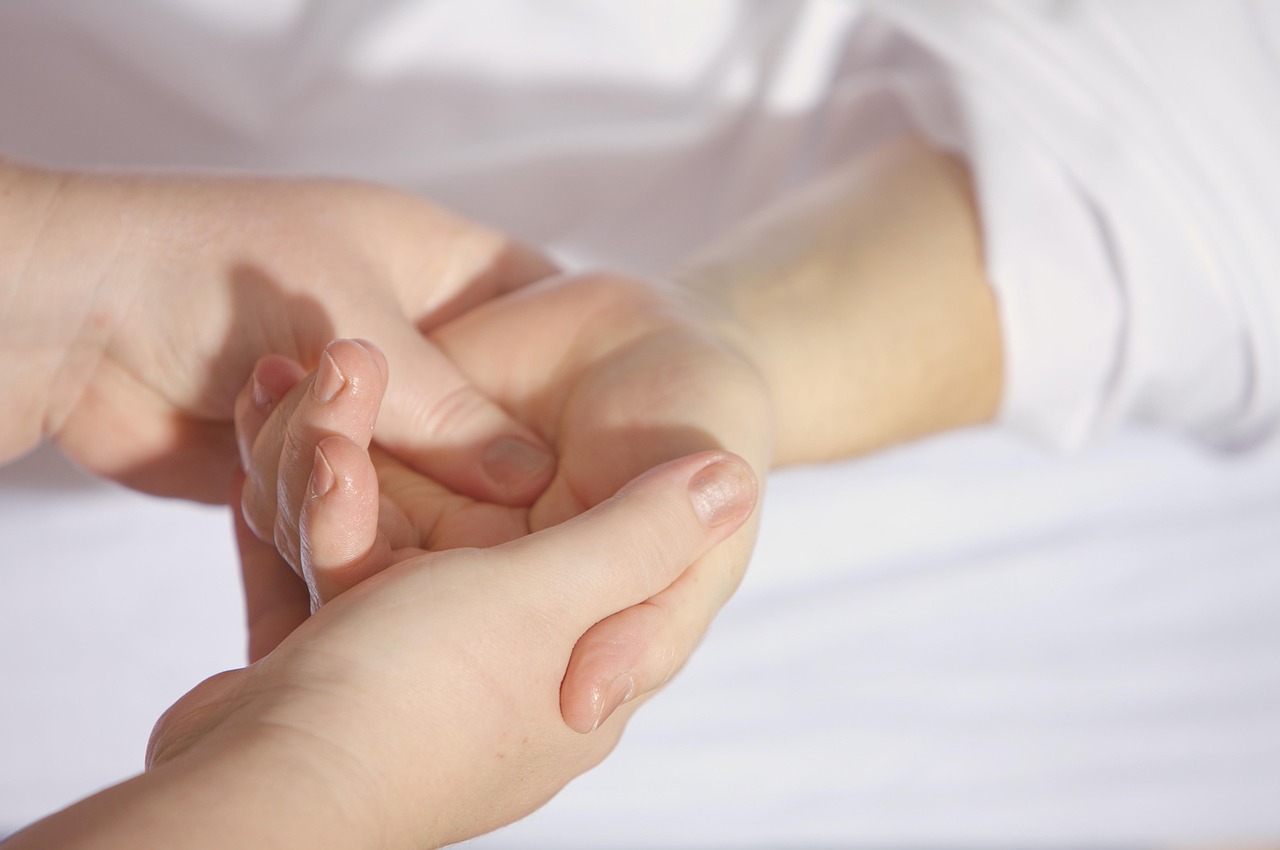
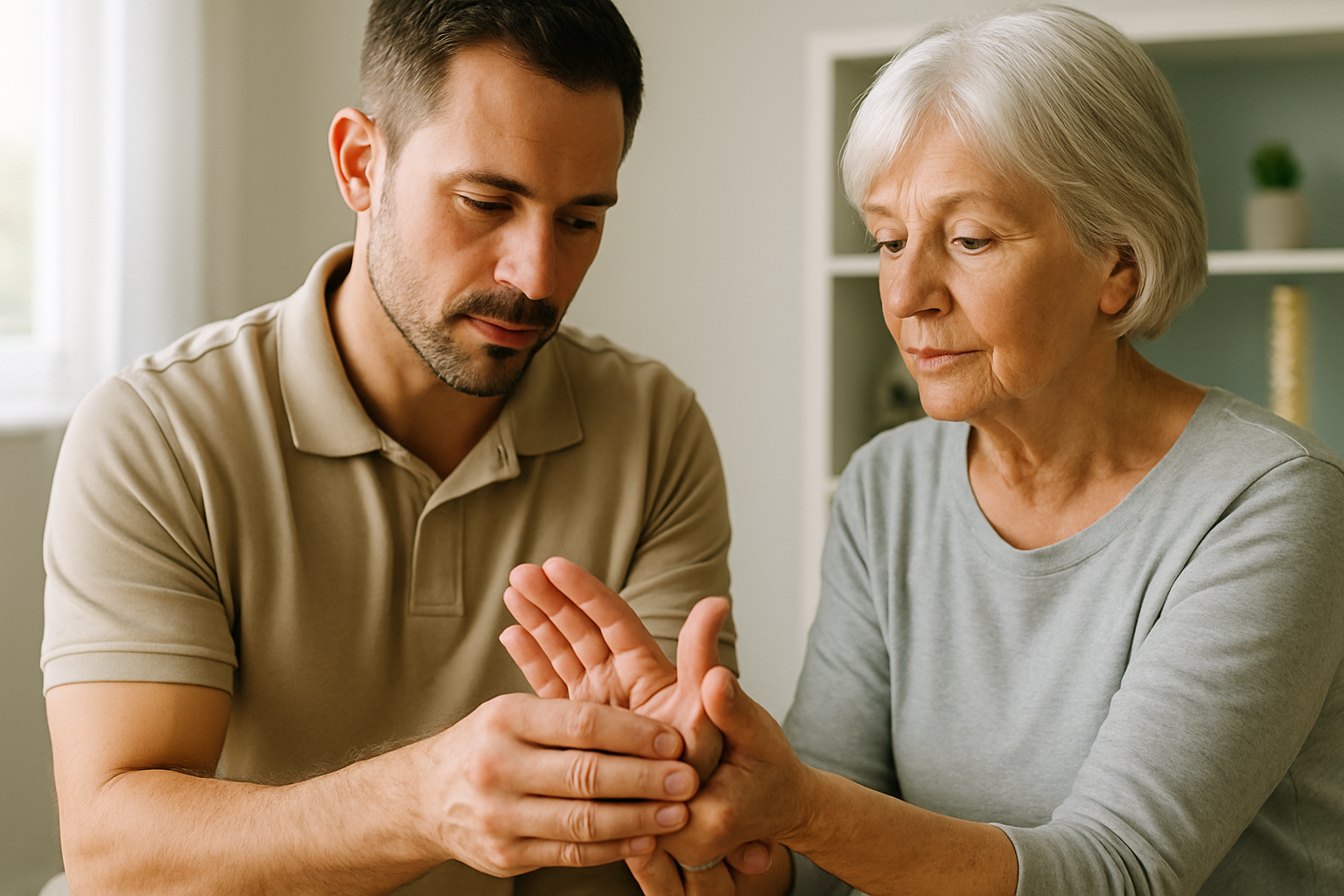
There is no single “best” approach. We match the plan to the athlete and the injury. Some need hands-on work to relax stiff muscles. Others need balance drills because their ankle doesn’t trust the ground anymore. Many kids need strength in muscles they didn’t know existed.
We also use movements that match the sport. A soccer player practices controlled direction changes. A baseball pitcher works on shoulder stability. A dancer trains foot and hip control.
The goal is always the same: safe, confident movement. And at Modern Medicine Physical Therapy & Sports Medicine of Peoria, AZ we can help.
How Injuries Happen
Kids push their limits. They run fast, jump high, and move without hesitation. That freedom is part of growing up, but it also creates moments where the body gets stressed more than it can handle. A sharp twist. A bad landing. A foot caught in the turf. Sometimes it’s nothing dramatic at all. A small ache from practice shows up again the next day and gets brushed off. Then it becomes something bigger.
Fatigue also plays a role. When kids are tired, form breaks down. A knee turns in. A shoulder drops.
Common Injuries in Young Athletes
In our clinic, we see a wide range of injuries. Ankles and knees get hurt most often. Those areas take the most force during running, cutting, and jumping. Strains show up in the thighs or calves. Shoulder pain is common in throwers and swimmers. Overuse problems develop in kids who train year-round without enough rest. We also see ACL and meniscus injuries, especially in sports with quick pivots. Concussions happen, too, even in sports that people don’t always consider “high contact.”
Sports With Higher Risk
Some sports naturally come with more strain or impact. Soccer and basketball create lots of twisting and quick stops. Football brings contact. Gymnastics and cheer involve repetitive loading on wrists, elbows, and knees. Baseball and tennis use the same motions over and over. Swimming sounds gentle, but shoulder fatigue builds up fast when the workload increases.
The sport isn’t the problem. The combination of growth, training load, and technique changes during adolescence is what puts kids at risk.
How Physical Therapy Helps
Parents want to know what therapy will do. In simple terms, we help kids move without pain and teach them how to avoid getting hurt again.
We start by easing the painful area. That may mean reducing swelling, improving joint motion, or calming tight muscles. Once the pain settles, we shift to strength. Not heavy gym strength, but the kind that supports joints and makes movement easier. We teach kids how to land better, jump better, cut better, or throw with less strain.
A lot of progress comes from helping kids understand how their bodies should feel when they’re working well.
What Kind of PT Works Best
There is no single “best” approach. We match the plan to the athlete and the injury. Some need hands-on work to relax stiff muscles. Others need balance drills because their ankle doesn’t trust the ground anymore. Many kids need strength in muscles they didn’t know existed.
We also use movements that match the sport. A soccer player practices controlled direction changes. A baseball pitcher works on shoulder stability. A dancer trains foot and hip control.
The goal is always the same: safe, confident movement. And at Modern Medicine Physical Therapy & Sports Medicine of Peoria, AZ we can help.
Peoria, AZ - How a Local PT Clinic Handles Sports Injuries for Young Athletes
SYNOPSIS: This article covers how Modern Medicine Physical Therapy & Sports Medicine of Peoria, AZ supports young athletes after sports injuries and guides them back to safe, confident movement.
Helping Kids Recover, Stay Active, & Be Kids
BY: Josh Adams, Modern Medicine of Peoria, AZ
How Injuries Happen
Kids push their limits. They run fast, jump high, and move without hesitation. That freedom is part of growing up, but it also creates moments where the body gets stressed more than it can handle. A sharp twist. A bad landing. A foot caught in the turf. Sometimes it’s nothing dramatic at all. A small ache from practice shows up again the next day and gets brushed off. Then it becomes something bigger.
Fatigue also plays a role. When kids are tired, form breaks down. A knee turns in. A shoulder drops.
Common Injuries in Young Athletes
In our clinic, we see a wide range of injuries. Ankles and knees get hurt most often. Those areas take the most force during running, cutting, and jumping. Strains show up in the thighs or calves. Shoulder pain is common in throwers and swimmers. Overuse problems develop in kids who train year-round without enough rest. We also see ACL and meniscus injuries, especially in sports with quick pivots. Concussions happen, too, even in sports that people don’t always consider “high contact.”
Sports With Higher Risk
Some sports naturally come with more strain or impact. Soccer and basketball create lots of twisting and quick stops. Football brings contact. Gymnastics and cheer involve repetitive loading on wrists, elbows, and knees. Baseball and tennis use the same motions over and over. Swimming sounds gentle, but shoulder fatigue builds up fast when the workload increases.
The sport isn’t the problem. The combination of growth, training load, and technique changes during adolescence is what puts kids at risk.
How Physical Therapy Helps
Parents want to know what therapy will do. In simple terms, we help kids move without pain and teach them how to avoid getting hurt again.
We start by easing the painful area. That may mean reducing swelling, improving joint motion, or calming tight muscles. Once the pain settles, we shift to strength. Not heavy gym strength, but the kind that supports joints and makes movement easier. We teach kids how to land better, jump better, cut better, or throw with less strain.
A lot of progress comes from helping kids understand how their bodies should feel when they’re working well.
What Kind of PT Works Best
There is no single “best” approach. We match the plan to the athlete and the injury. Some need hands-on work to relax stiff muscles. Others need balance drills because their ankle doesn’t trust the ground anymore. Many kids need strength in muscles they didn’t know existed.
We also use movements that match the sport. A soccer player practices controlled direction changes. A baseball pitcher works on shoulder stability. A dancer trains foot and hip control.
The goal is always the same: safe, confident movement. And at Modern Medicine Physical Therapy & Sports Medicine of Peoria, AZ we can help.