 Joints Do Not Fix Themselves
Most joint problems do not resolve on their own once they have been present for a while. They get managed. They get worked around. They get blamed on age and accepted as the new normal.
What they rarely do without intervention is actually get better.
The cartilage that has been wearing unevenly for two years does not regenerate during a week of rest. The tendon that has been breaking down faster than it repairs does not rebuild capacity from ibuprofen alone. The muscle weakness that developed around a painful joint does not reverse when the pain settles temporarily. These things require specific work aimed at what is actually driving them.
What Happens When Joint Problems Go Unaddressed
The body compensates. Fast and automatically. For example, a painful knee shifts load to the opposite side. A stiff hip changes how the lower back moves on every step. A shoulder that hurts overhead finds a new movement path that avoids the painful range. These compensations feel like solutions. They are not. They load other structures unevenly and those structures eventually start complaining too.
By the time most people come in for orthopedic care they are dealing with the original problem and everything that built up around it while they were waiting for things to settle. Both need attention. The longer the wait the more there is to unwind.
What Orthopedic Treatment Actually Addresses
A proper orthopedic evaluation looks at how the joint moves, where strength has dropped off, what compensation patterns have developed, and what daily demands are placing on the structure. Two people with identical complaints can have completely different findings and need completely different plans.
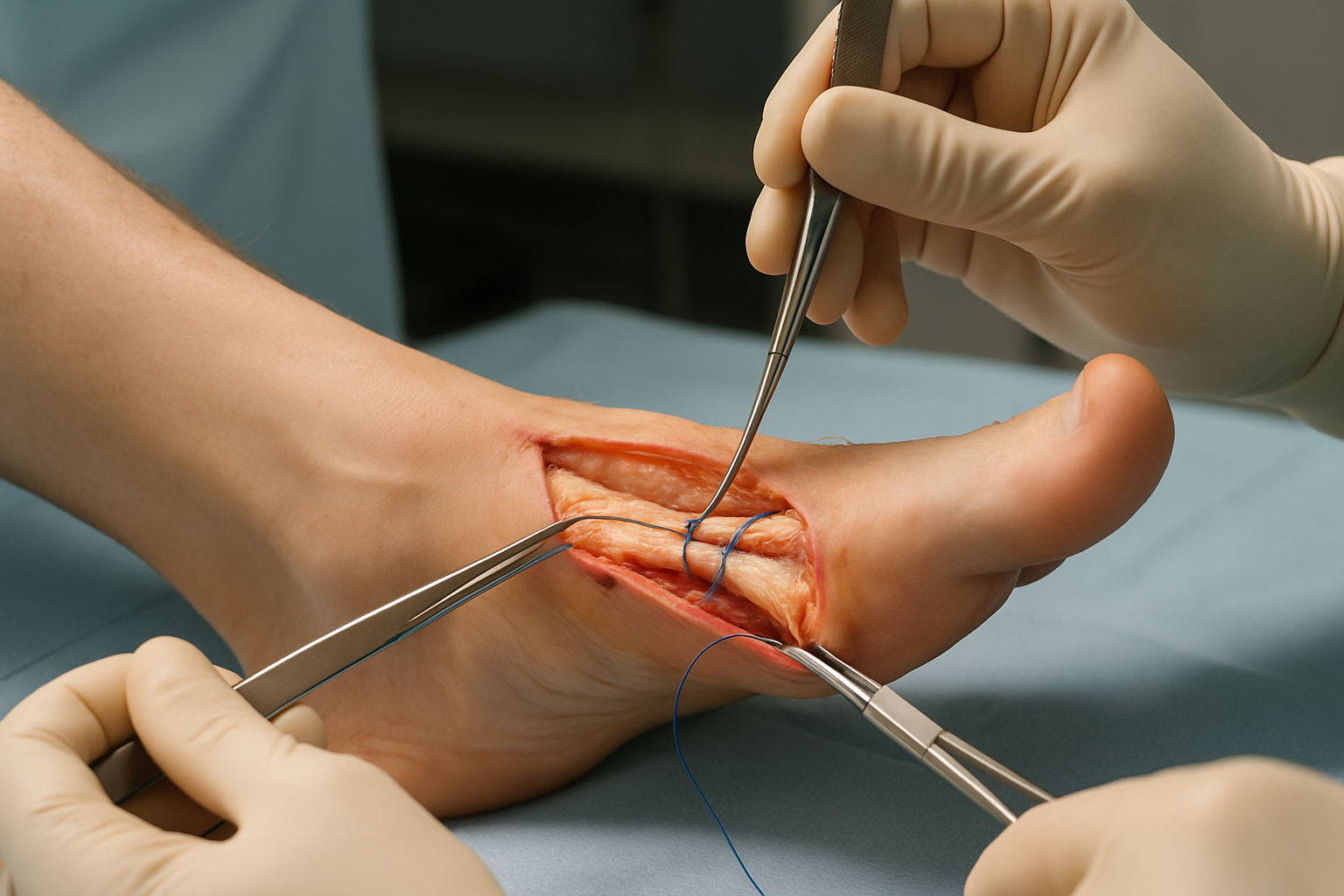
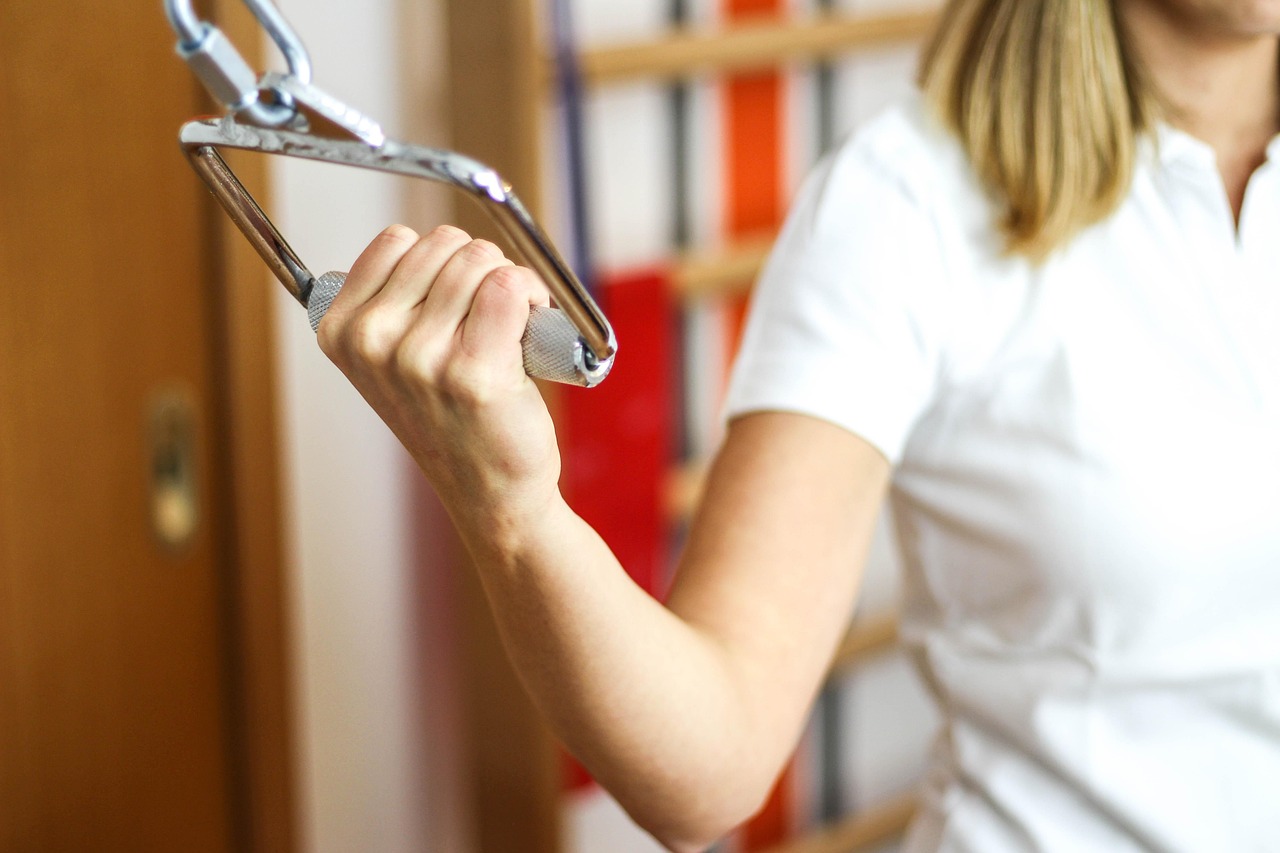
Treatment might involve physical therapy targeting specific muscle groups that are leaving the joint without adequate support. Manual therapy restoring mobility that has been lost to stiffness or capsular tightening. Injections reducing inflammation that is blocking progress in rehab or accelerating cartilage breakdown. PRP driving tissue repair in tendons or partial tears that have not responded to conservative care.
The combination depends on what the evaluation finds. Most joint problems have more than one contributing factor and the plan needs to reflect that.
Why Timing Changes Everything
Early cartilage wear with good surrounding muscle support has a very different future than cartilage wear that has been deteriorating for two years with weak compensating muscles and established gait changes.
The first situation has real options. Load management, targeted strengthening, movement retraining, and periodic monitoring can keep things stable and functional for a long time. The second situation has fewer options and a longer road regardless of what gets decided.
Orthopedic care is not just about treating what hurts right now. It is about catching what is heading somewhere worse before it gets there.
What Changes With the Right Care
Getting through a full day without the joint deciding what is and is not possible. Walking the desert trails around Picture Rocks without the hip or knee limiting the distance. Sleeping without waking up to reposition. Carrying something without switching hands halfway across the parking lot.
This is what happens when the joint gets the support it needs before the situation has gone too far to address properly.
If joint pain has been limiting daily life or activity, get in touch with Modern Medicine of Oro Valley, AZ to book an orthopedic evaluation.
Joints Do Not Fix Themselves
Most joint problems do not resolve on their own once they have been present for a while. They get managed. They get worked around. They get blamed on age and accepted as the new normal.
What they rarely do without intervention is actually get better.
The cartilage that has been wearing unevenly for two years does not regenerate during a week of rest. The tendon that has been breaking down faster than it repairs does not rebuild capacity from ibuprofen alone. The muscle weakness that developed around a painful joint does not reverse when the pain settles temporarily. These things require specific work aimed at what is actually driving them.
What Happens When Joint Problems Go Unaddressed
The body compensates. Fast and automatically. For example, a painful knee shifts load to the opposite side. A stiff hip changes how the lower back moves on every step. A shoulder that hurts overhead finds a new movement path that avoids the painful range. These compensations feel like solutions. They are not. They load other structures unevenly and those structures eventually start complaining too.
By the time most people come in for orthopedic care they are dealing with the original problem and everything that built up around it while they were waiting for things to settle. Both need attention. The longer the wait the more there is to unwind.
What Orthopedic Treatment Actually Addresses
A proper orthopedic evaluation looks at how the joint moves, where strength has dropped off, what compensation patterns have developed, and what daily demands are placing on the structure. Two people with identical complaints can have completely different findings and need completely different plans.
Treatment might involve physical therapy targeting specific muscle groups that are leaving the joint without adequate support. Manual therapy restoring mobility that has been lost to stiffness or capsular tightening. Injections reducing inflammation that is blocking progress in rehab or accelerating cartilage breakdown. PRP driving tissue repair in tendons or partial tears that have not responded to conservative care.
The combination depends on what the evaluation finds. Most joint problems have more than one contributing factor and the plan needs to reflect that.
Why Timing Changes Everything
Early cartilage wear with good surrounding muscle support has a very different future than cartilage wear that has been deteriorating for two years with weak compensating muscles and established gait changes.
The first situation has real options. Load management, targeted strengthening, movement retraining, and periodic monitoring can keep things stable and functional for a long time. The second situation has fewer options and a longer road regardless of what gets decided.
Orthopedic care is not just about treating what hurts right now. It is about catching what is heading somewhere worse before it gets there.
What Changes With the Right Care
Getting through a full day without the joint deciding what is and is not possible. Walking the desert trails around Picture Rocks without the hip or knee limiting the distance. Sleeping without waking up to reposition. Carrying something without switching hands halfway across the parking lot.
This is what happens when the joint gets the support it needs before the situation has gone too far to address properly.
If joint pain has been limiting daily life or activity, get in touch with Modern Medicine of Oro Valley, AZ to book an orthopedic evaluation.
Picture Rocks, AZ - Why Are Orthopedic Treatments Important for Joint Health?
SYNOPSIS: This article covers why orthopedic treatment matters for joint health including what happens when joint problems go unaddressed, what care involves, and what changes with the right plan in place.
Why Orthopedic Care Matters for Long-Term Joint Health
BY: Josh Adams, Modern Medicine of Oro Valley, AZ
Joints Do Not Fix Themselves
Most joint problems do not resolve on their own once they have been present for a while. They get managed. They get worked around. They get blamed on age and accepted as the new normal.
What they rarely do without intervention is actually get better.
The cartilage that has been wearing unevenly for two years does not regenerate during a week of rest. The tendon that has been breaking down faster than it repairs does not rebuild capacity from ibuprofen alone. The muscle weakness that developed around a painful joint does not reverse when the pain settles temporarily. These things require specific work aimed at what is actually driving them.
What Happens When Joint Problems Go Unaddressed
The body compensates. Fast and automatically. For example, a painful knee shifts load to the opposite side. A stiff hip changes how the lower back moves on every step. A shoulder that hurts overhead finds a new movement path that avoids the painful range. These compensations feel like solutions. They are not. They load other structures unevenly and those structures eventually start complaining too.
By the time most people come in for orthopedic care they are dealing with the original problem and everything that built up around it while they were waiting for things to settle. Both need attention. The longer the wait the more there is to unwind.
What Orthopedic Treatment Actually Addresses
A proper orthopedic evaluation looks at how the joint moves, where strength has dropped off, what compensation patterns have developed, and what daily demands are placing on the structure. Two people with identical complaints can have completely different findings and need completely different plans.
Treatment might involve physical therapy targeting specific muscle groups that are leaving the joint without adequate support. Manual therapy restoring mobility that has been lost to stiffness or capsular tightening. Injections reducing inflammation that is blocking progress in rehab or accelerating cartilage breakdown. PRP driving tissue repair in tendons or partial tears that have not responded to conservative care.
The combination depends on what the evaluation finds. Most joint problems have more than one contributing factor and the plan needs to reflect that.
Why Timing Changes Everything
Early cartilage wear with good surrounding muscle support has a very different future than cartilage wear that has been deteriorating for two years with weak compensating muscles and established gait changes.
The first situation has real options. Load management, targeted strengthening, movement retraining, and periodic monitoring can keep things stable and functional for a long time. The second situation has fewer options and a longer road regardless of what gets decided.
Orthopedic care is not just about treating what hurts right now. It is about catching what is heading somewhere worse before it gets there.
What Changes With the Right Care
Getting through a full day without the joint deciding what is and is not possible. Walking the desert trails around Picture Rocks without the hip or knee limiting the distance. Sleeping without waking up to reposition. Carrying something without switching hands halfway across the parking lot.
This is what happens when the joint gets the support it needs before the situation has gone too far to address properly.
If joint pain has been limiting daily life or activity, get in touch with Modern Medicine of Oro Valley, AZ to book an orthopedic evaluation.