Chronic elbow pain has a particular way of wearing people down. It's never severe enough to force you to stop, so you adapt around it, and the adapting is exactly what lets it settle in for months. By the time most people seek treatment, they've been managing the same ache for half a year or longer.
There's a specific reason these drag on, and understanding it changes what treatment should involve.
The Name Is Misleading
"Tendonitis" implies inflammation, and for a fresh irritation that's roughly right. But once elbow tendon pain has been around for months, inflammation usually isn't the main event anymore.
What's happening instead is tissue breakdown. The tendon's internal structure becomes disorganized and it loses capacity. It can't handle loads it used to manage easily. That's a different problem than inflammation, and it responds to different treatment.
Why The Rest-And-Return Cycle Fails
This explains what nearly everyone experiences. You rest it, the pain settles, you go back to normal, and it flares within days.
Rest reduces the irritation but does nothing to rebuild the tissue. So you return to your usual demands with a tendon exactly as weak as when you stopped. It flares, you rest again, and the loop repeats indefinitely.
What Manual Therapy Adds
Hands-on work addresses the pieces that exercise alone struggles with. Chronic elbow problems come with tight, guarded forearm muscles, restricted tissue around the joint, and sometimes stiffness in the elbow or wrist that changes how everything loads.
- Soft tissue work to release the guarded forearm musculature
- Mobilization for joints that have stiffened up
- Treating restricted tissue limiting your motion
- Reducing pain enough that loading work becomes tolerable
That last item is the real function. It's hard to load a tendon properly when the surrounding tissue is locked down and everything hurts.
Then Comes The Loading
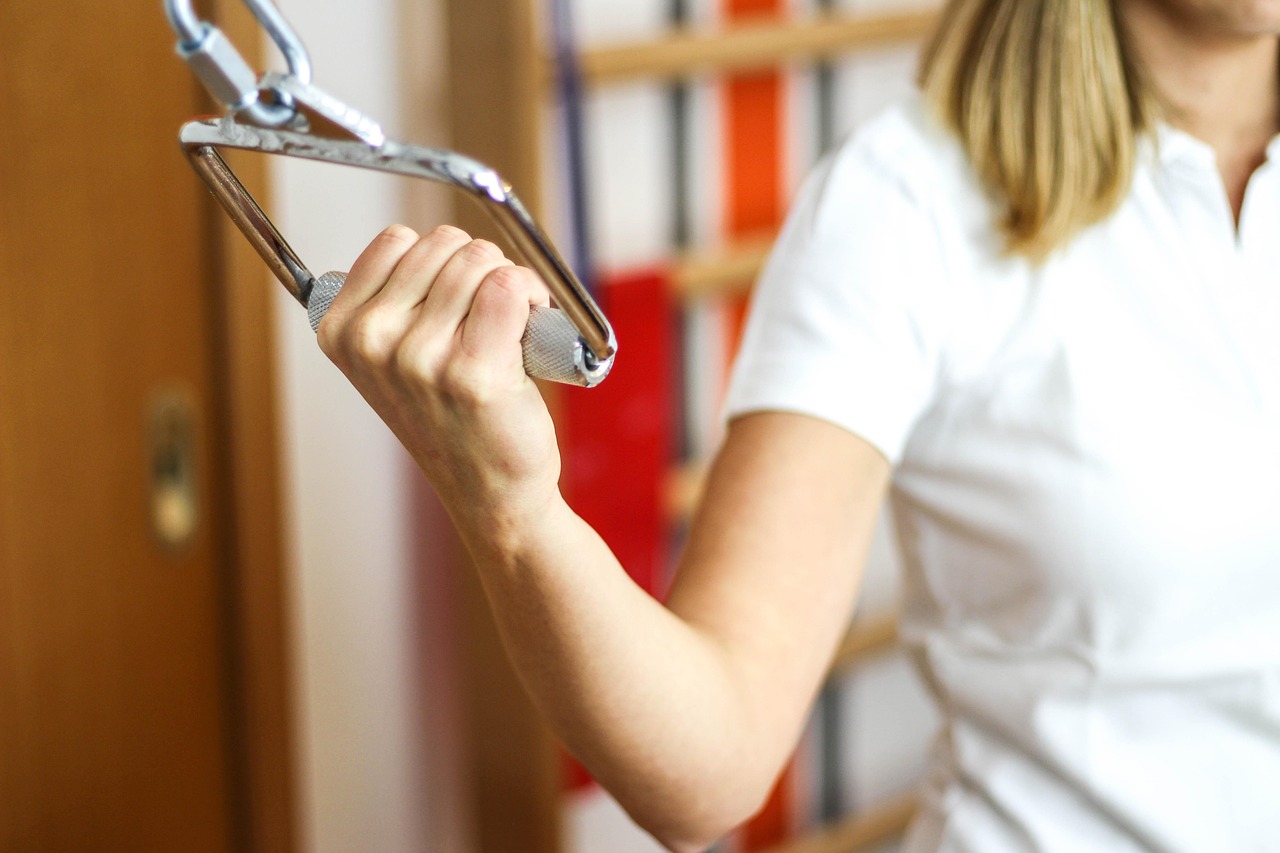
Here's the part that rebuilds the tendon. Progressive, controlled load is what stimulates tendon remodeling, and it has strong evidence behind it in this area.
That means starting at a load your tendon tolerates now, progressing gradually over weeks, using slow, controlled movements, and strengthening the forearm muscles alongside it. Some discomfort during the work is expected. Sharp pain, or worse pain the next morning, means too much.
Fixing What Caused It
Because this is usually a repetitive strain problem, the tools and habits behind it matter as much as the elbow. Grip that's too tight, wrist held at a bad angle, a tool that doesn't fit your hand. Address those and you take the strain off permanently.
Elbow ache that's outlasted every fix? Modern Medicine of Oro Valley, AZ can combine hands-on work with what rebuilds it. Call or book through the online form.