A lot of new moms notice it a few months after the baby comes. They sit up in bed and see a ridge pop up down the middle of their stomach. Or they’ve gotten back to walking and eating well, but there’s still a pooch that won’t budge. Some have a sore lower back they can’t explain. All of these can be signs of diastasis recti, and it’s more common than most people think.
What It Is
Your stomach has two long muscles that run side by side from your ribs down to your pelvis. They’re joined in the middle by a strip of connective tissue. During pregnancy, that strip stretches to make room for the baby. After delivery, it doesn’t always pull back together the way it was. The gap that’s left is diastasis recti.
It isn’t only a pregnancy problem, though. Men can get it, and so can people who lift heavy weights with poor form or carry extra weight around the middle.
Why It Can Hurt
The gap itself usually isn’t painful. The trouble is what it does to the rest of your body. When your stomach muscles can’t hold things steady, other areas end up doing more of the work. That’s why people with diastasis recti often deal with:
- An aching lower back, especially after standing or lifting a car seat
- Hip or pelvic pain
- Leaking when they cough, laugh, or sneeze
- A weak, wobbly feeling in the middle of their body
- A bulge or dome along the belly when they sit up
How to Check
You can get a rough idea at home. Lie on your back with your knees bent. Put your fingertips just above your belly button and lift your head a little. If your fingers sink into a gap between two firm edges, that’s worth getting looked at. We’ll do a more careful check at your visit, including how wide and deep the gap is.
How We Treat It
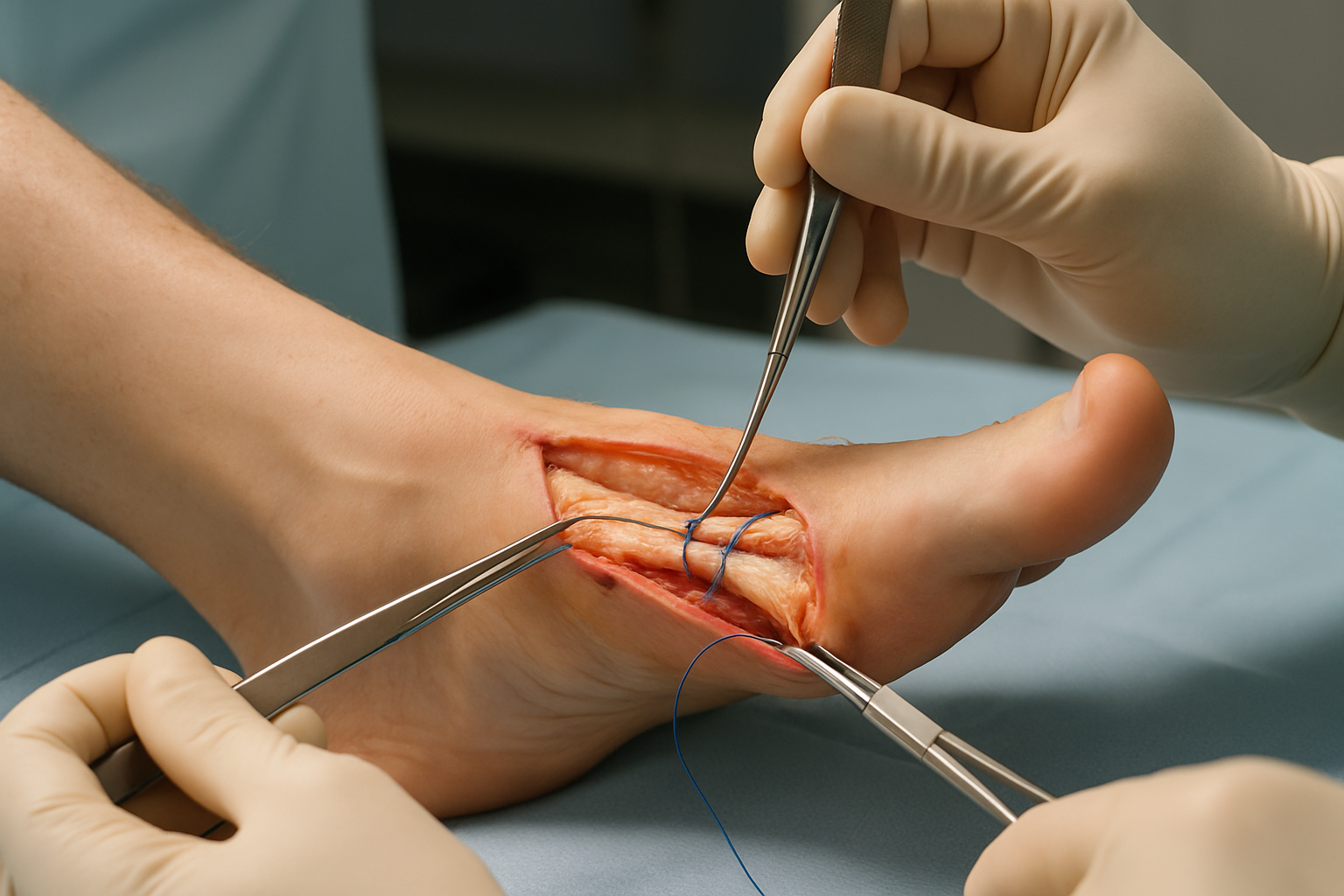
Most cases get much better with physical therapy. Surgery is usually only discussed when there’s a hernia or a very large gap that doesn’t improve.
Therapy starts deeper than most people expect. We’ll work on breathing first, because the way you breathe affects pressure in your belly. Then we teach you to use the deep core muscle that wraps around your middle, along with your pelvic floor.
We’ll also change a few everyday habits. You’ll learn to roll onto your side to get out of bed instead of sitting straight up. We’ll show you how to lift your baby, groceries, or laundry without pushing your belly out. For a while, you’ll want to skip crunches and sit-ups, since they can make the gap worse.
It takes time. Many people see a real difference after a few months of steady work.
Ready to Rebuild Your Core?
If you think you might have diastasis recti, come see our team at Modern Medicine of Oro Valley, AZ. We’ll check your core and build a plan that fits your life.