Most people don't notice their hips until one starts complaining. Then it's all you notice. The ache getting out of a chair, the stiffness first thing in the morning, the way you've quietly started favoring one side.
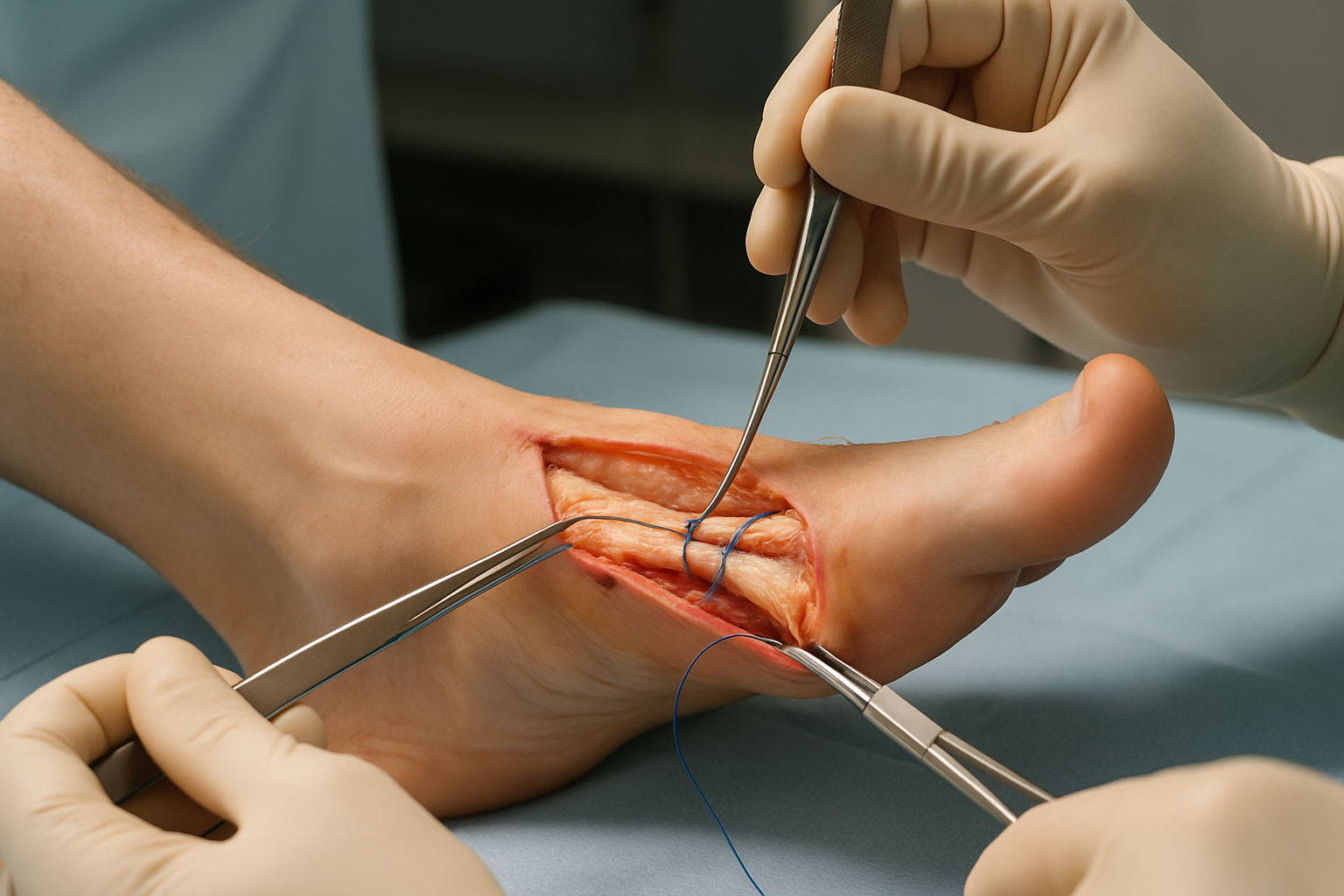
Replacement gets floated when a hip wears down. It's a fine surgery. It's also not always the first thing to reach for.
Where The Pain Comes From
Cartilage cushions the ball-and-socket hip joint, and it thins over the years. The joint stiffens, the surfaces grind, and pain lands in the groin, the outer hip, or down the thigh. That's osteoarthritis, the common culprit.
But not every ache there is the joint. Weak glutes, tight muscles, and even low-back trouble refer pain to the hip. Pin down the real source and the plan follows from it.
Building The Support System
The muscles around a hip shoulder a lot of its load. Stronger muscles, lighter load on the joint.
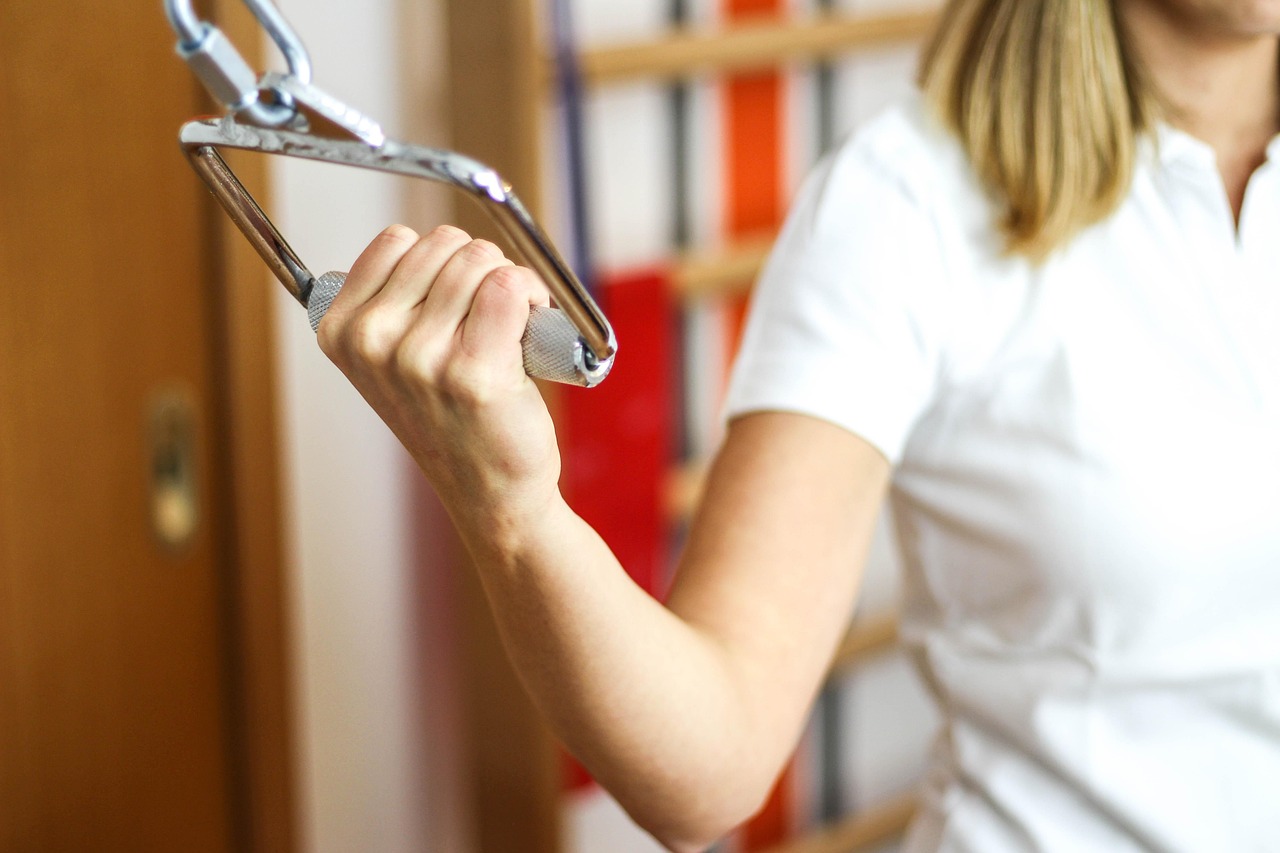
- Glute and core strengthening to give the hip a backup crew
- Mobility work to loosen a joint that's gone stiff
- Gait retraining so each step stops hammering the same spot
- Weight and activity guidance to ease the pressure
- An injection now and then to break a bad flare
This doesn't undo arthritis. It changes how the joint feels and works, and for plenty of people that shift is enough to keep a replacement years down the road.
The Loop Worth Breaking
Watch out for this cycle. The hip hurts, so you move less, so the muscles weaken, so the hip hurts more. It feeds itself. Gentle, regular movement is what breaks it. Water walking, an easy bike, a scaled-back version of what you love. The point is keeping the joint from seizing and the muscles from fading.
Small Fixes Around The House
A lot of daily hip pain comes from ordinary stuff you'd never flag. Sinking into a low, soft couch you then have to fight your way out of. A car seat that sits too low. Standing on one leg to pull on pants. We look at those with you. A firmer chair, a higher seat cushion, sitting to dress, grabbing a rail on the stairs. None of it's dramatic, but it stops the joint from getting beaten up between sessions, and that adds up.
An Honest Read
If the hip still moves and you'll do the work, conservative care often delivers. If it's bone-on-bone with deep, constant pain and almost no motion, it may be past this stage, and we'll say so plainly.
Trying this route first doesn't rule surgery out. It keeps you from having it before you need it. If your hip's been slowing you down, Modern Medicine of Oro Valley, AZ can map out the non-surgical options first. Reach us by phone or online form.