 I think it is helpful to focus on the things we know and can control in this rapidly changing environment. We know that this disease is spread through droplets. So, wearing Proper Protective Equipment for droplets and other standard precautions are examples of things we can do improve the situation for ourselves and others. Wearing a mask when you leave the house is now recommended by the CDC; this along with gloves are PPE that we all can use with minimal training. It is a good idea to watch instructional videos about putting on and taking off these items. In addition, disposable gloves and surgical masks have different instructions from cloth/washable gloves and masks, so be sure to learn about their differences.
There are a few items of equipment that some people need but others do not. For example, N95 face masks are only needed in hospital and nursing home settings. During nebulizer and intubation treatments, a droplet borne virus can become suspended in the air, which is the only time when a N95 mask or respirator is necessary. Goggles, face shields, or safety glasses, are only called for when coming into close contact with someone who is coughing or has been diagnosed with COVID-19. Finally, gowns are required only in hospital settings but are optional otherwise; changing clothes regularly and washing them is enough.
Being cautious can help save lives these days but it can also have unforeseen consequences. Stocking up on things like toilet paper and disinfectant by certain people has made it difficult for individuals and families to get access to necessities. Furthermore, people buying up N95 face masks have caused shortages and endangered healthcare professionals.
Coupled with Standard Precautions like frequent hand washing, PPE can go a long way towards protecting ourselves from droplets. Other recommendations include keeping nails short, avoid touching your face, covering coughing/sneezing with our elbows, and cleaning doorknobs and frequently touched surfaces with bleach, alcohol, or hydrogen peroxide solutions. Social distancing (6 feet) is almost a buzz word at this point, but it is also a highly effective. Whatever you decide to do personally, to protect yourself or your community, be informed, be cautious, and be kind. Stay safe!
I think it is helpful to focus on the things we know and can control in this rapidly changing environment. We know that this disease is spread through droplets. So, wearing Proper Protective Equipment for droplets and other standard precautions are examples of things we can do improve the situation for ourselves and others. Wearing a mask when you leave the house is now recommended by the CDC; this along with gloves are PPE that we all can use with minimal training. It is a good idea to watch instructional videos about putting on and taking off these items. In addition, disposable gloves and surgical masks have different instructions from cloth/washable gloves and masks, so be sure to learn about their differences.
There are a few items of equipment that some people need but others do not. For example, N95 face masks are only needed in hospital and nursing home settings. During nebulizer and intubation treatments, a droplet borne virus can become suspended in the air, which is the only time when a N95 mask or respirator is necessary. Goggles, face shields, or safety glasses, are only called for when coming into close contact with someone who is coughing or has been diagnosed with COVID-19. Finally, gowns are required only in hospital settings but are optional otherwise; changing clothes regularly and washing them is enough.
Being cautious can help save lives these days but it can also have unforeseen consequences. Stocking up on things like toilet paper and disinfectant by certain people has made it difficult for individuals and families to get access to necessities. Furthermore, people buying up N95 face masks have caused shortages and endangered healthcare professionals.
Coupled with Standard Precautions like frequent hand washing, PPE can go a long way towards protecting ourselves from droplets. Other recommendations include keeping nails short, avoid touching your face, covering coughing/sneezing with our elbows, and cleaning doorknobs and frequently touched surfaces with bleach, alcohol, or hydrogen peroxide solutions. Social distancing (6 feet) is almost a buzz word at this point, but it is also a highly effective. Whatever you decide to do personally, to protect yourself or your community, be informed, be cautious, and be kind. Stay safe!
Oakland, CA - Protecting Yourself from a Droplet Borne Disease | COVID Edition
SYNOPSIS: There is so much information available right now regarding “Coronavirus Disease 2019”, or COVID-19 for short, that it is hard to sift through it all to get the information we need. I suggest starting with official sources, like the CDC and State Heal
BY: ,
There is so much information available right now regarding “Coronavirus Disease 2019”, or COVID-19 for short, that it is hard to sift through it all to get the information we need. I suggest starting with official sources, like the CDC and State Health Departments, and then referring to online or print media. The TV news and other sensationalistic sources make it harder to stay informed. One of the most basic issues related to the disease, Proper Protective Equipment or PPE, has been largely overlooked except for stories about the dwindling US strategic stockpile or hospital staff in New York being forced to wear garbage bags.
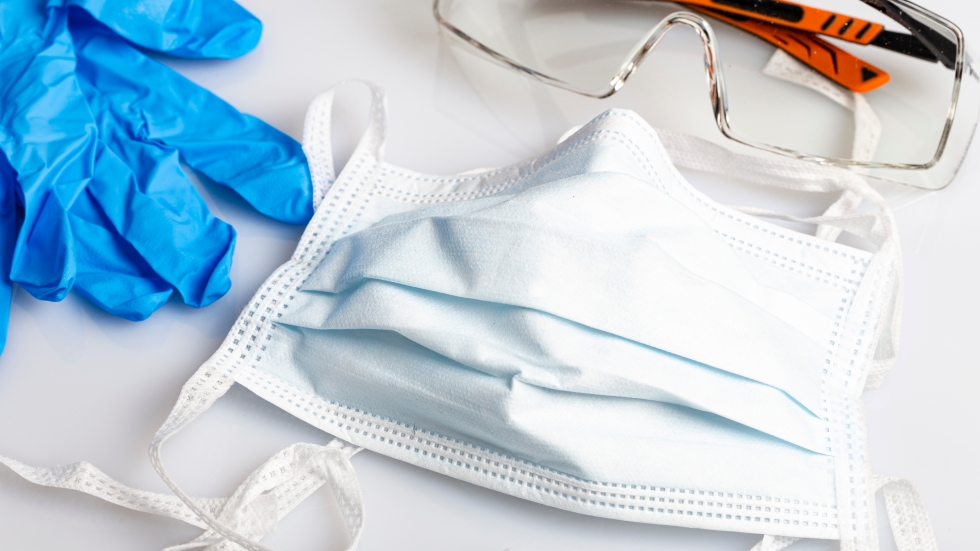
I think it is helpful to focus on the things we know and can control in this rapidly changing environment. We know that this disease is spread through droplets. So, wearing Proper Protective Equipment for droplets and other standard precautions are examples of things we can do improve the situation for ourselves and others. Wearing a mask when you leave the house is now recommended by the CDC; this along with gloves are PPE that we all can use with minimal training. It is a good idea to watch instructional videos about putting on and taking off these items. In addition, disposable gloves and surgical masks have different instructions from cloth/washable gloves and masks, so be sure to learn about their differences.
There are a few items of equipment that some people need but others do not. For example, N95 face masks are only needed in hospital and nursing home settings. During nebulizer and intubation treatments, a droplet borne virus can become suspended in the air, which is the only time when a N95 mask or respirator is necessary. Goggles, face shields, or safety glasses, are only called for when coming into close contact with someone who is coughing or has been diagnosed with COVID-19. Finally, gowns are required only in hospital settings but are optional otherwise; changing clothes regularly and washing them is enough.
Being cautious can help save lives these days but it can also have unforeseen consequences. Stocking up on things like toilet paper and disinfectant by certain people has made it difficult for individuals and families to get access to necessities. Furthermore, people buying up N95 face masks have caused shortages and endangered healthcare professionals.
Coupled with Standard Precautions like frequent hand washing, PPE can go a long way towards protecting ourselves from droplets. Other recommendations include keeping nails short, avoid touching your face, covering coughing/sneezing with our elbows, and cleaning doorknobs and frequently touched surfaces with bleach, alcohol, or hydrogen peroxide solutions. Social distancing (6 feet) is almost a buzz word at this point, but it is also a highly effective. Whatever you decide to do personally, to protect yourself or your community, be informed, be cautious, and be kind. Stay safe!
I think it is helpful to focus on the things we know and can control in this rapidly changing environment. We know that this disease is spread through droplets. So, wearing Proper Protective Equipment for droplets and other standard precautions are examples of things we can do improve the situation for ourselves and others. Wearing a mask when you leave the house is now recommended by the CDC; this along with gloves are PPE that we all can use with minimal training. It is a good idea to watch instructional videos about putting on and taking off these items. In addition, disposable gloves and surgical masks have different instructions from cloth/washable gloves and masks, so be sure to learn about their differences.
There are a few items of equipment that some people need but others do not. For example, N95 face masks are only needed in hospital and nursing home settings. During nebulizer and intubation treatments, a droplet borne virus can become suspended in the air, which is the only time when a N95 mask or respirator is necessary. Goggles, face shields, or safety glasses, are only called for when coming into close contact with someone who is coughing or has been diagnosed with COVID-19. Finally, gowns are required only in hospital settings but are optional otherwise; changing clothes regularly and washing them is enough.
Being cautious can help save lives these days but it can also have unforeseen consequences. Stocking up on things like toilet paper and disinfectant by certain people has made it difficult for individuals and families to get access to necessities. Furthermore, people buying up N95 face masks have caused shortages and endangered healthcare professionals.
Coupled with Standard Precautions like frequent hand washing, PPE can go a long way towards protecting ourselves from droplets. Other recommendations include keeping nails short, avoid touching your face, covering coughing/sneezing with our elbows, and cleaning doorknobs and frequently touched surfaces with bleach, alcohol, or hydrogen peroxide solutions. Social distancing (6 feet) is almost a buzz word at this point, but it is also a highly effective. Whatever you decide to do personally, to protect yourself or your community, be informed, be cautious, and be kind. Stay safe!