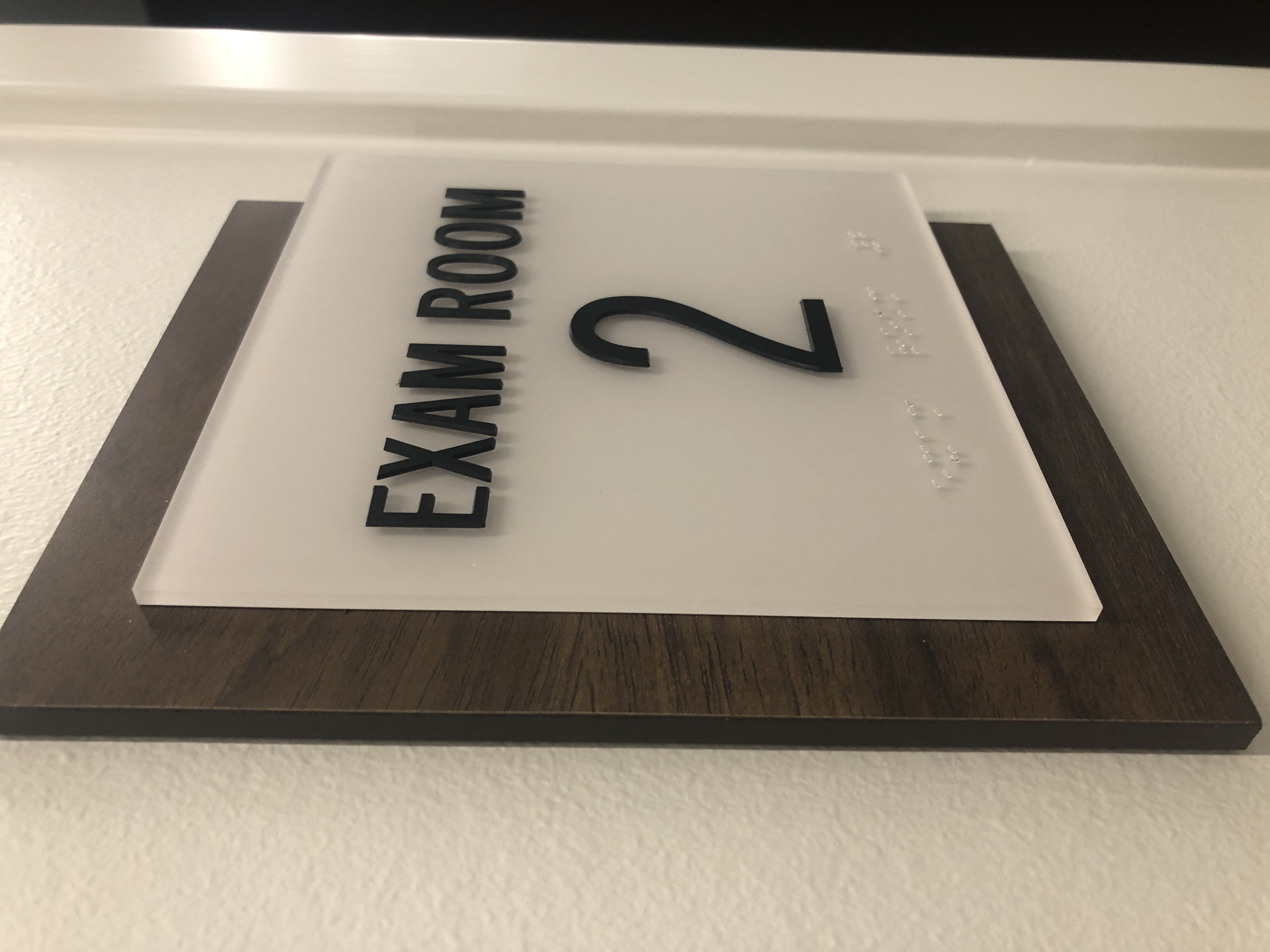
 Business owners are responsible for making sure their premises are accessible to people with disabilities. This includes installing the appropriate signs throughout the property.
Common ADA Sign Types
Business owners are responsible for making sure their premises are accessible to people with disabilities. This includes installing the appropriate signs throughout the property.
Common ADA Sign Types
- Parking lot signs: Parking lots must have accessible parking spaces for people with disabilities. These spaces are painted with the international symbol of accessibility and have an adjacent sign which indicates the type of disability permitted to use the space.
- Bathroom signs: Bathrooms must have signs to indicate the location of accessible facilities. Bathroom signs should be placed on or adjacent to the door of the accessible stall or restroom.
- Identification signs: General signs are needed to indicate the location of accessible features, such as ramps, elevators, and braille-equipped telephones. These signs should be placed in a conspicuous location near the relevant features.
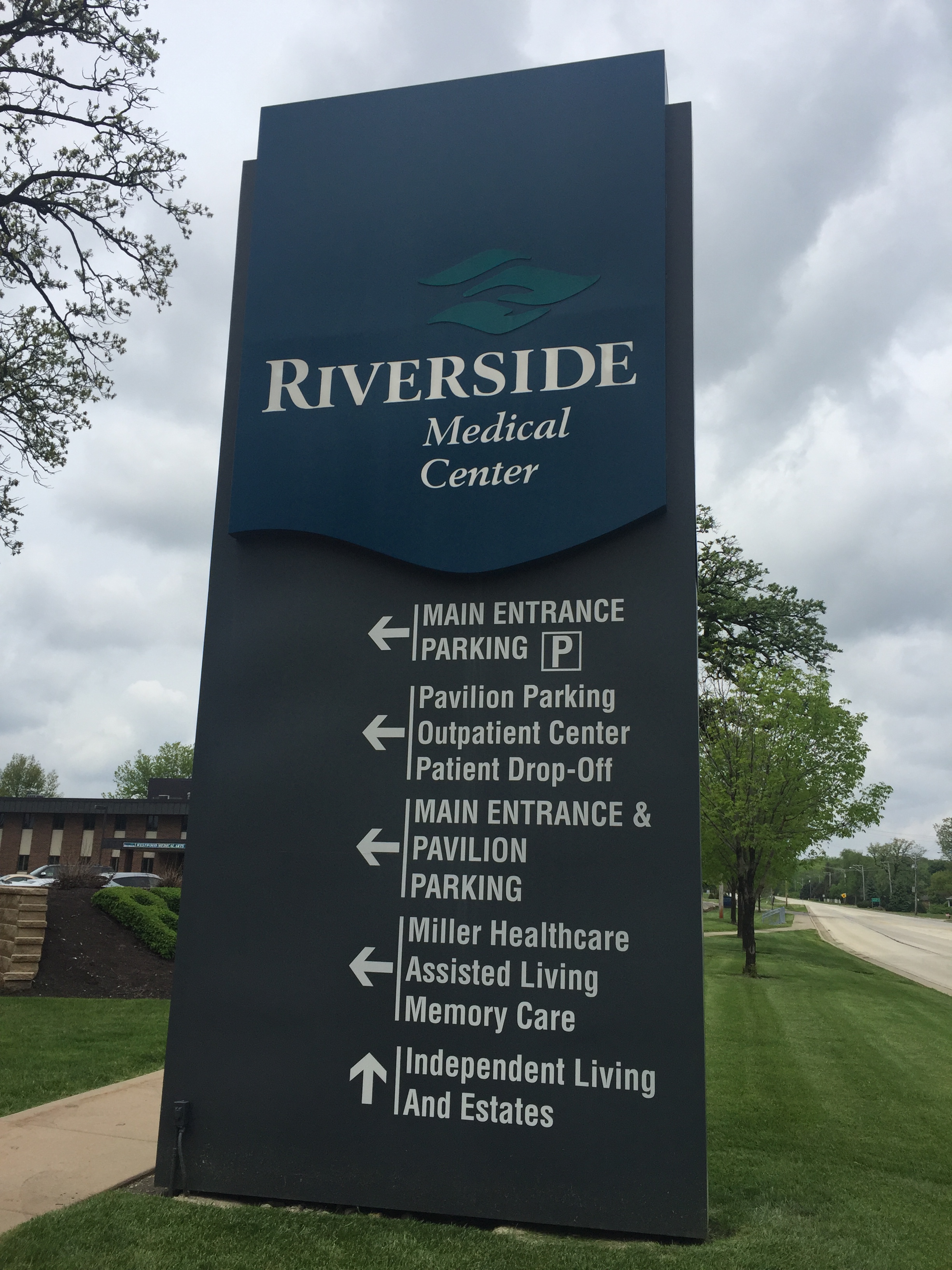
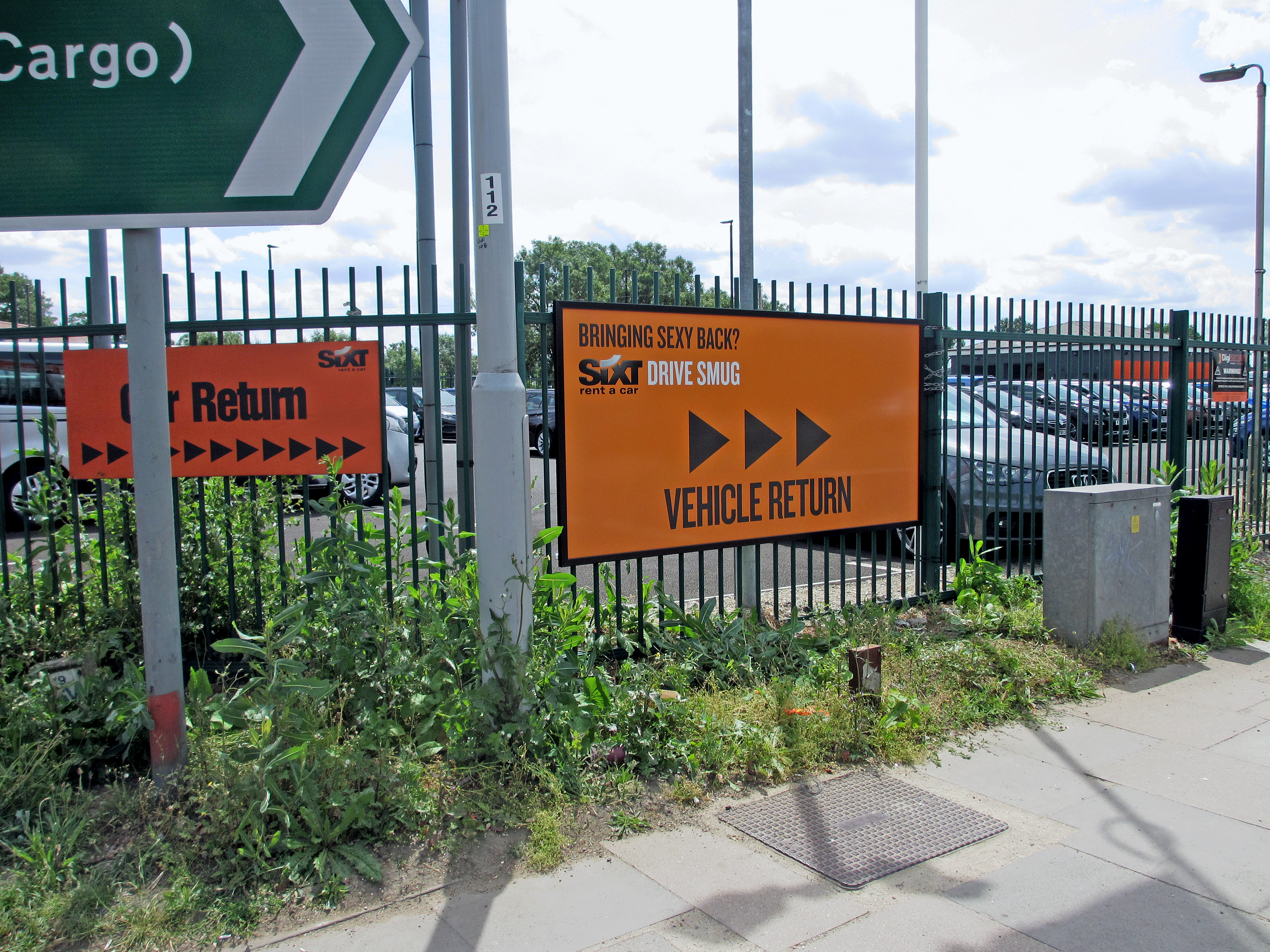
- Directional signs: Signs must be placed throughout a property to help people with disabilities find their way. These signs should be placed at eye level and use clear and concise language.
- Signs must be made from durable materials to withstand weathering and wear-and-tear.
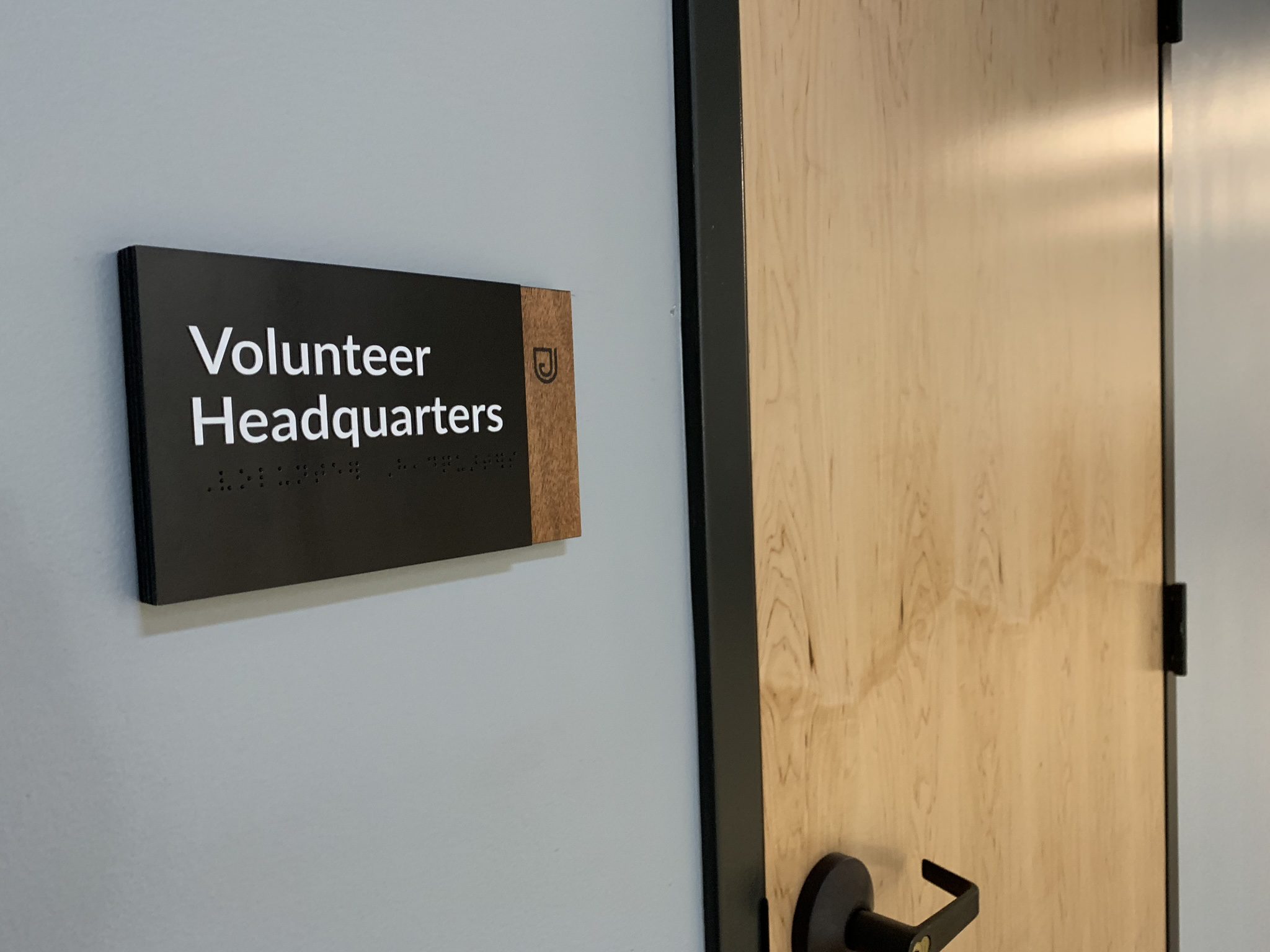
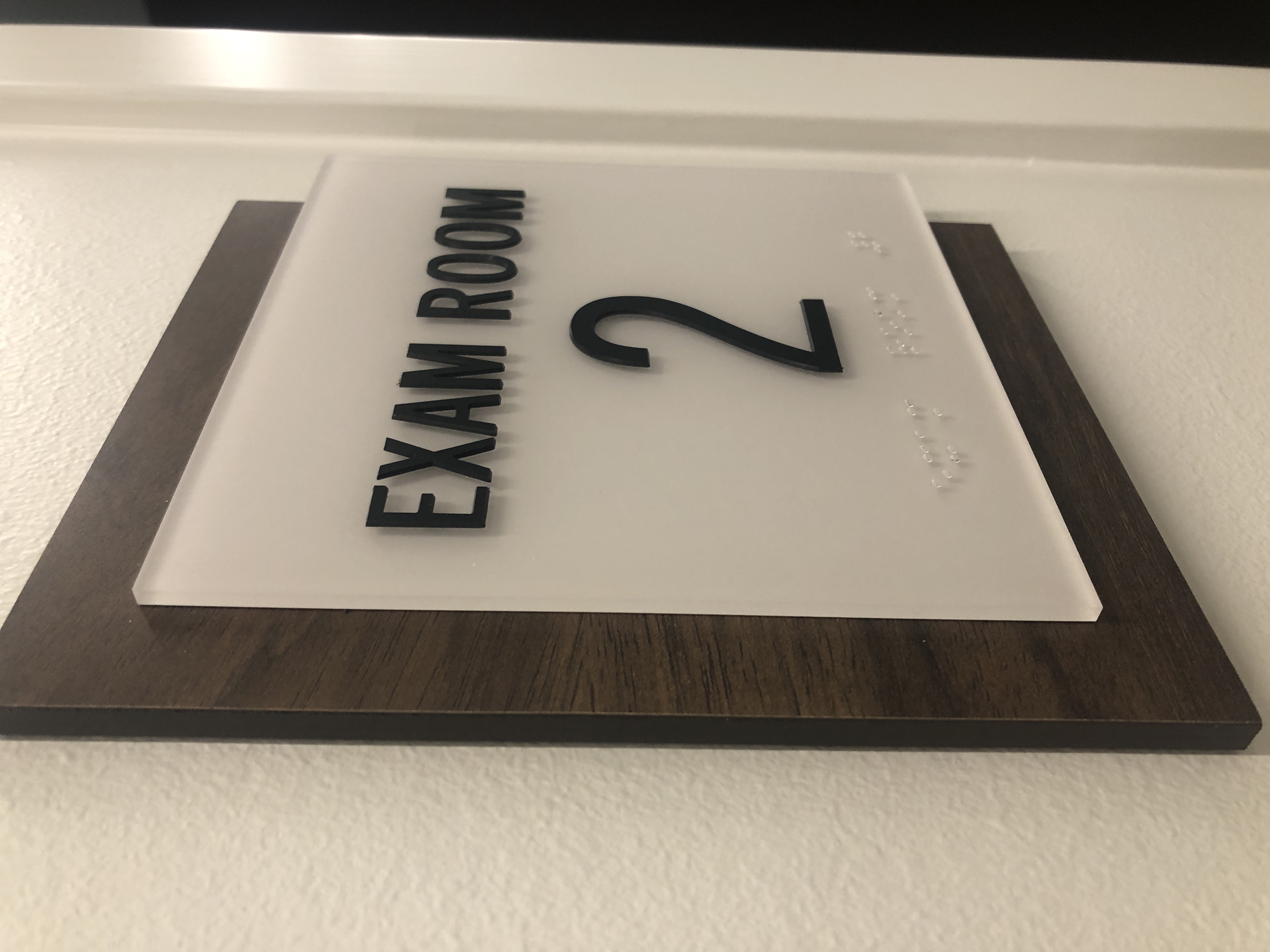
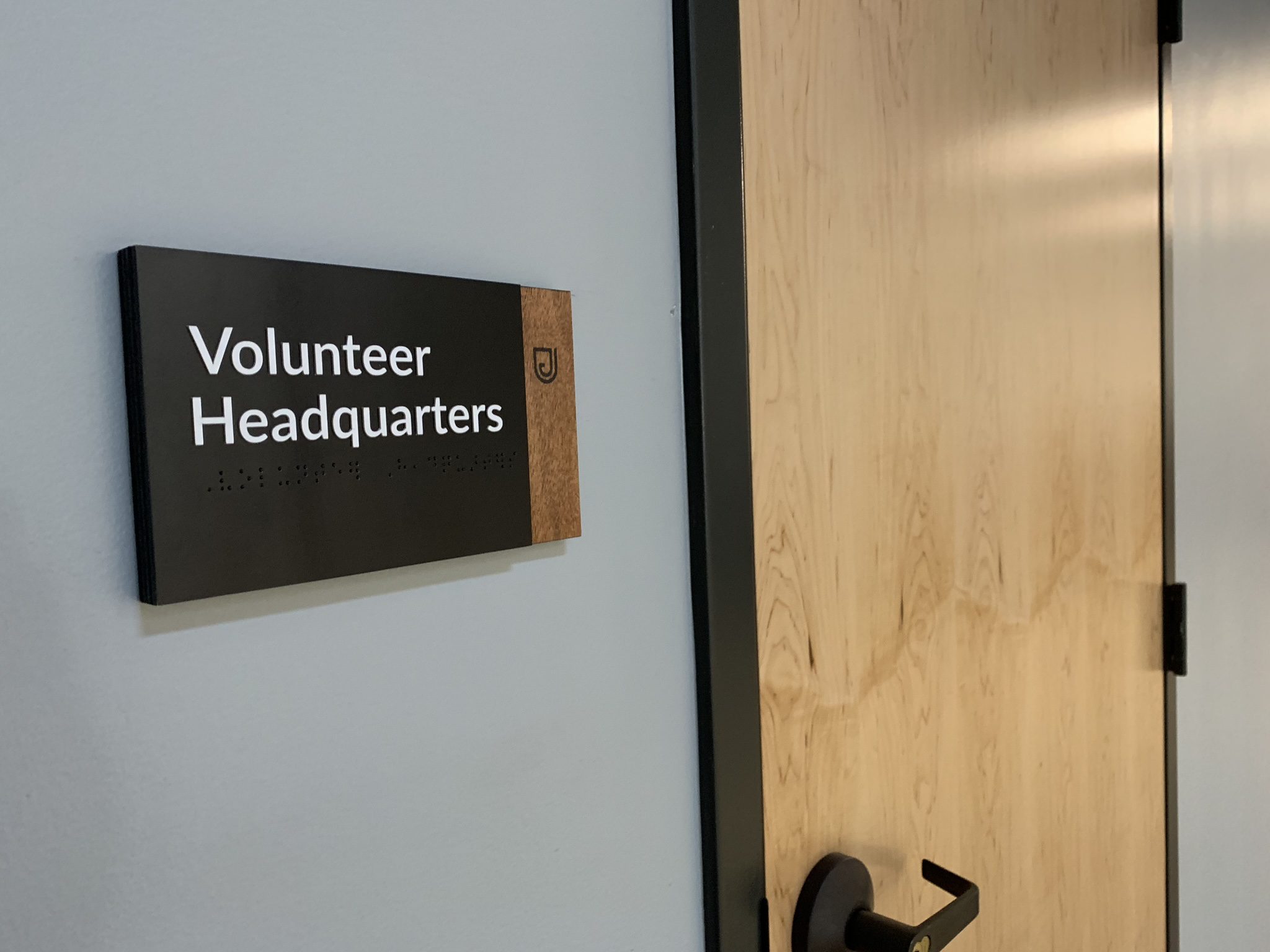
- Signs must be visible and legible. This means they should be contrasted in color from text to background.
- Signs must include text in an easy-to-read font like Arial and Helvetica.
- Signs must be large enough to be seen from a distance. The specific size requirements depend on the type of sign and its location.
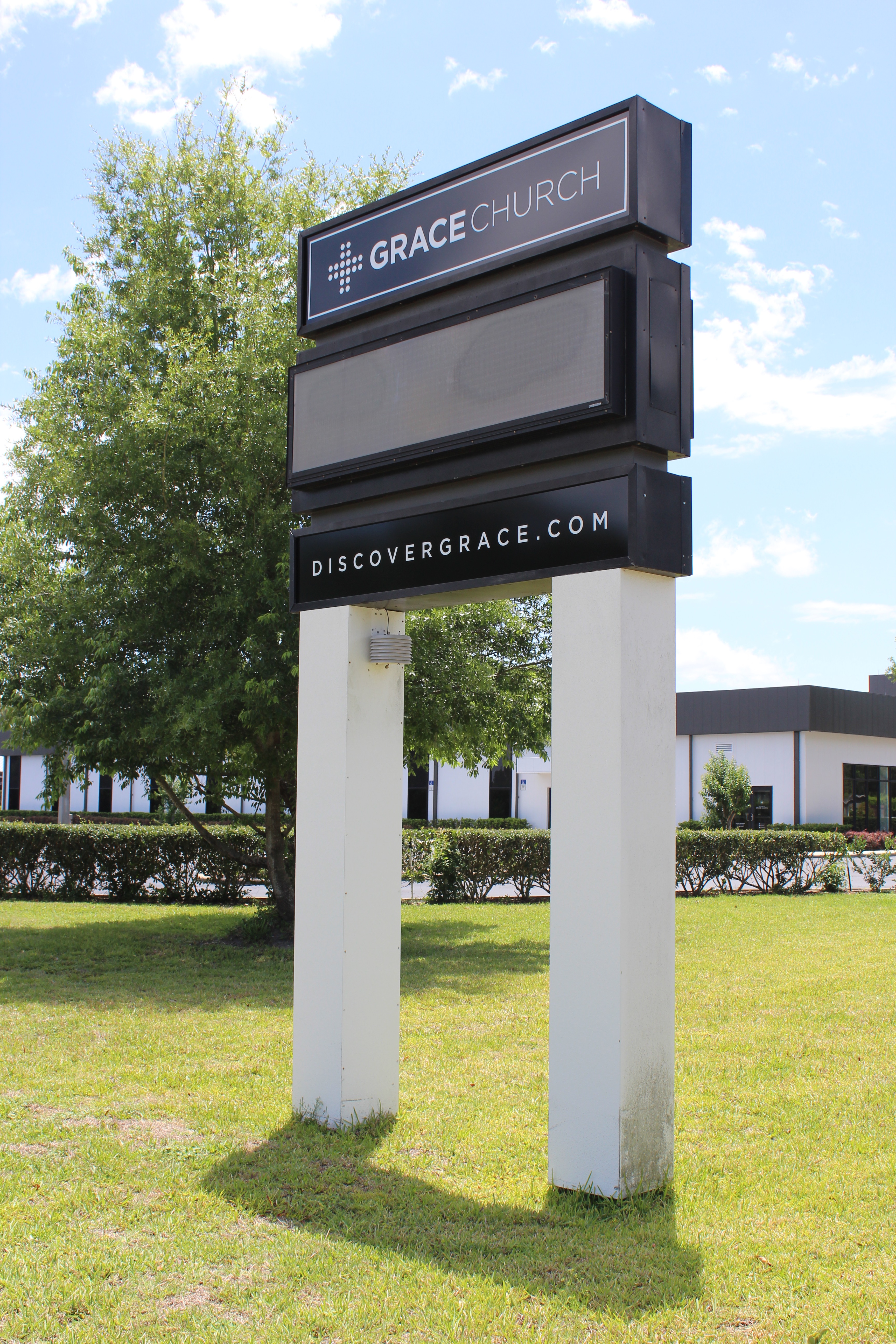
- Signs must be mounted at the appropriate height. For wall-mounted signs, the bottom of the sign should be between 48 and 60 inches above the floor. For freestanding signs, the sign should be placed, so the bottom is between 3 and 4 feet above the ground.
- Signs must be in a location where they will not be obstructed. This means they should not be placed behind doors and furniture and should not be placed in areas where they might be covered by objects such as plants and books.
50,000 for each additional offense. These fines can significantly impact the reputation and bottom line of a business.
These penalties are just the beginning – business owners who do not comply with the ADA can also be sued by people with disabilities who have been denied access to their premises.
It’s important to note the ADA is a federal law, so state and local laws may have additional requirements. Businesses should consult with an ADA expert to guarantee they comply.
We are FASTSIGNS® of Louisville, KY and we have more than 30 years of experience helping businesses with their ADA sign needs. Contact us today to learn more