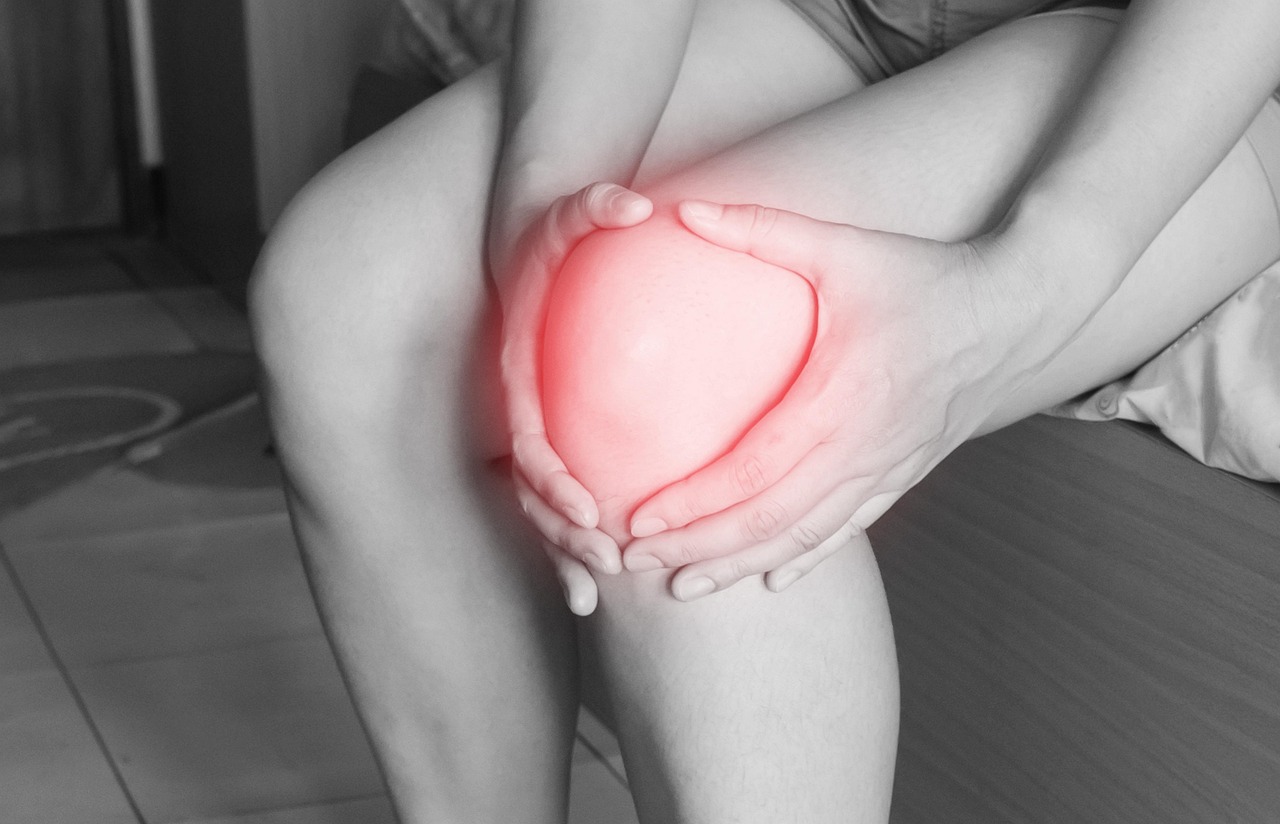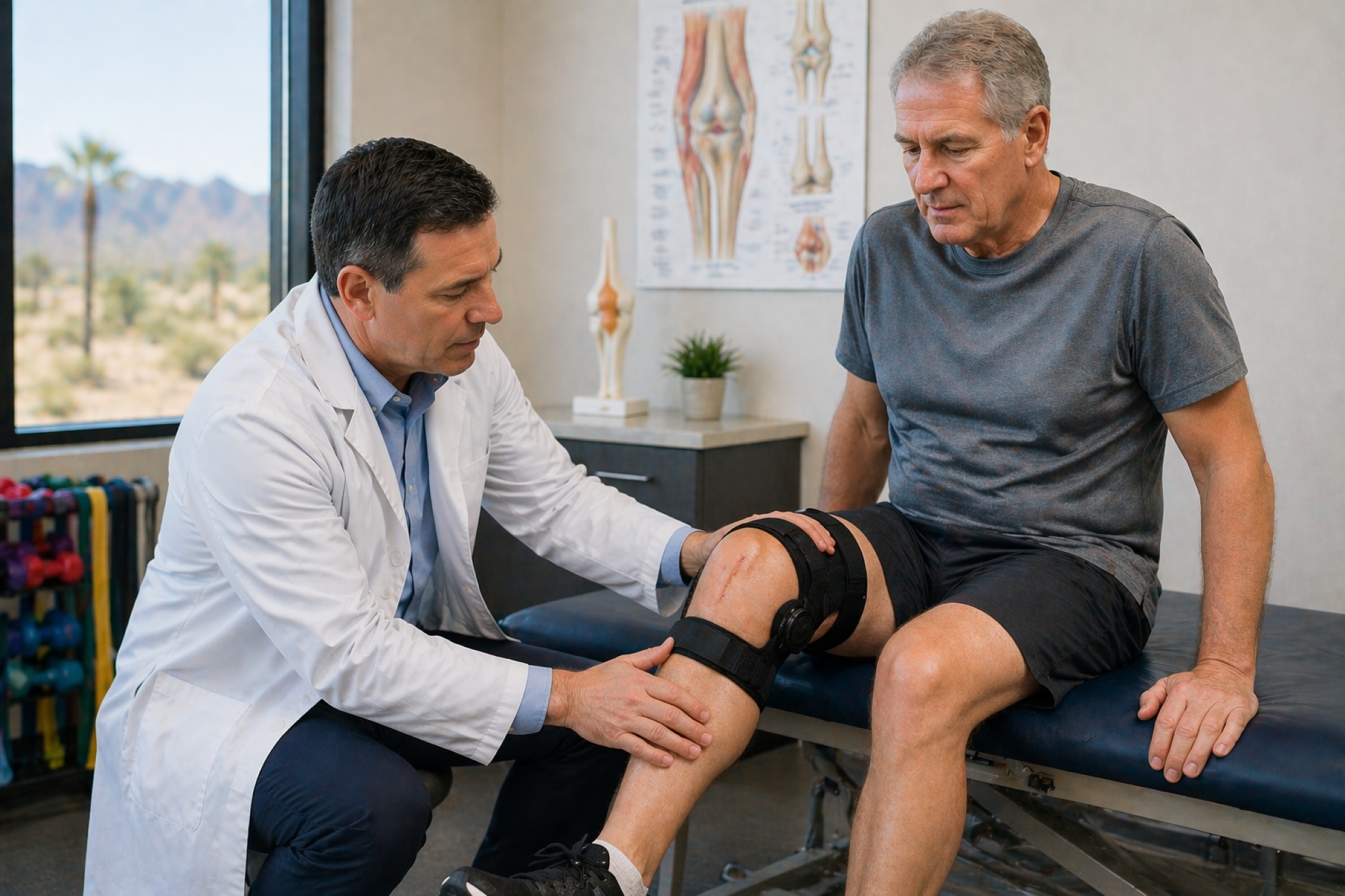
The knee is one of the most load-bearing structures in the body. A fracture is not like breaking a wrist or a toe. The joint has to handle full body weight, absorb impact, and move through a wide range of motion every single day. How the fracture heals and how the surrounding tissue recovers determines whether the knee functions well long term or becomes a chronic problem.
What Immobilization Does to the Knee
Keeping the knee still long enough for the bone to heal is necessary. It also does real damage to everything around the fracture site.
A few weeks of limited movement can cause:
- Significant muscle loss in the quadriceps and hamstrings
- Joint stiffness from connective tissue tightening around the knee
- Reduced circulation affects how well the surrounding tissue recovers
- Changes in how the body loads and moves the leg during walking
None of this is avoidable. It is just what immobilization does. The point of orthopedic rehab is to address each of these things in the right order before they become permanent limitations.
What Early Recovery Looks Like
The first priority after immobilization is getting the knee moving again within safe limits. Not pushing into pain but restoring the basic range of motion before the stiffness becomes harder to reverse.
Quad activation comes early, too. The quadriceps tend to shut down significantly after a knee injury or surgery. Getting them firing again is not as simple as just doing leg exercises. It requires specific work to reconnect the muscle to the movement pattern.
Swelling management runs through the entire early phase. A knee that stays swollen inhibits muscle activation and slows everything else down.
How the Plan Progresses
Once the basic range of motion and muscle activation are restored, the focus shifts to strength. Progressive loading through the knee in a controlled way. Single leg work. Step training. Balance and proprioception work that gets the joint sensing load and position accurately again.
Later stages start to look like real life. Getting in and out of a car. Stairs without favoring one side. Walking longer distances on different surfaces. For more active patients, that might mean returning to recreational sports or physical work without the knee feeling like the weak point in everything.
Progress after a knee fracture is rarely smooth. There are good weeks and harder ones. Swelling can return after a more demanding session. That is part of bone and tissue healing, not a sign that something went wrong.
What People Worry About
A few concerns come up regularly with knee fracture patients:
- Whether the knee will ever feel fully normal again
- How long before driving is possible
- Whether the activity level they had before is realistic to get back to
- What to do when pain spikes during a session
All of these are worth raising with the care team directly. There are real answers to most of them and knowing what to expect makes it easier to stay consistent through the harder stretches of recovery.
Knee Fracture Rehab Near Buckeye
Knee fracture recovery done well takes time and a structured plan that adjusts as the bone and tissue heal. It does not happen by accident.
If you are in Buckeye and working through recovery after a knee fracture, reach out to Modern Medicine of Mesa, AZ to get an evaluation and a clear plan for what comes next.