Heel pain that’s worst first thing in the morning has a pretty short list of suspects. Plantar fasciitis sits at the top of it. People tell us the same story a lot. Those first few steps out of bed are rough, sometimes bad enough to grab the dresser. It loosens up after a bit. Then they sit through a meeting or a drive down the 10, stand up, and there it is again.
Plenty of people try to ignore it for a few months. It usually doesn’t go anywhere.
What’s Going On Under Your Foot
There’s a thick, tough band of tissue under your foot called the plantar fascia. Picture it running from the heel bone out to your toes. It’s part of what keeps your arch up. Each step tugs on it. Most days that’s no problem, but keep tugging without much of a break and the place where it anchors into the heel gets sore and inflamed.
What people tend to feel:
- Sharp pain under the heel, usually more on the inside
- The worst of it with the first steps of the day
- A flare when they stand up after sitting
- Soreness that shows up after a long day, not during it
- One tender spot that hurts to press
Where the Strain Comes From
Usually a few things stack up. Tight calves are common. If your calf and Achilles are stiff, the bottom of your foot takes more pull every time you push off.
Footwear plays in too. Old sneakers with no support left. Flat sandals. Barefoot on tile all day, which describes a lot of homes out here. Then a whole summer in flip-flops.
Jobs that keep you standing on concrete for hours count as well. So does a sudden jump in activity. When the heat finally breaks, a lot of people in Goodyear head back out to Estrella Mountain Regional Park and go from zero to daily hikes in a week. The heel notices.
Flat feet and high arches both raise the risk. So does extra weight. It also shows up most in your 40s and 50s. Heel spurs get blamed often, but plenty of people have one and feel nothing.
How Treatment Calms the Heel Down
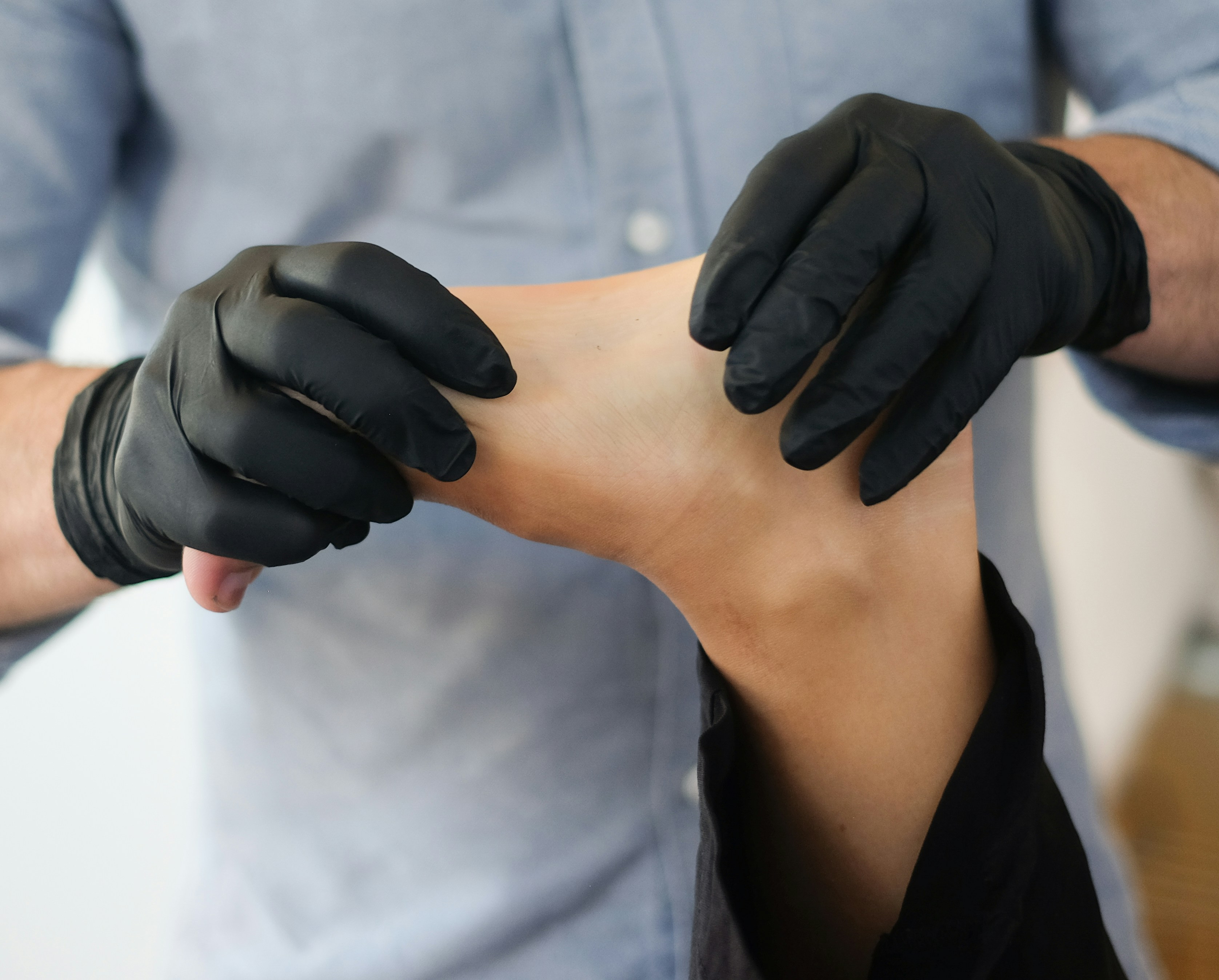
First we talk. When does it hurt? What’s on your feet most days? Anything new in your routine? Then we look at your foot, test calf flexibility, and watch you walk.
The plan aims to ease the daily strain so the heel can settle, loosen what’s tight, and strengthen the small foot muscles so the fascia gets backup. That often means physical therapy, a few exercises to do at home, and a frank look at your shoes. Arch inserts help some people. A night splint helps others by keeping a light stretch on the foot overnight, so mornings hurt less.
Give it a few weeks of steady effort. The home exercises are the part people skip, and it shows.
Let’s Take a Look at That Heel
Tired of bracing for that first step every morning? Come see us at Modern Medicine of Goodyear, AZ. We’ll find what’s driving the pain and put together a plan that works with your job and your schedule. Call us or book online.