You’re two miles into a run and the outside of your knee flares. Sharp. It won’t quit until you stop. So you walk a bit, start again, and a few minutes later there it is. Hikers feel it heading down the trails at Skyline Regional Park. Cyclists get it late in a long ride. Some people feel it just walking down the stairs at home. That’s the classic IT band pattern, and it’s one of the most common reasons active adults end up with pain on the outside of the knee.
What the IT Band Is
The iliotibial band is a long, thick strip of connective tissue down the outside of your thigh. Hip to just below the knee. Down near the knee, it crosses a bony bump at the end of the thigh bone, with some fatty tissue tucked under it. Every time the knee bends and straightens, especially that slight bend when your foot lands, that spot gets squeezed. Do it a few thousand times on a run and it gets irritated. The pain usually sits right there, a little above the outside of the joint. Sharp for some people. Burning for others. Or a dull ache that hangs around afterward.
Why Foam Rolling Only Goes So Far
Pretty much every runner with outside knee pain gets told to foam roll. It feels good for a bit. The problem is, the IT band is really dense tissue. Rolling it or stretching it doesn’t change its length in any way that matters. It may relax the muscles around it for a while, which is why people swear by it. Whatever’s irritating the knee is still there the next morning.
The Hip Is Usually Involved
A lot of this starts higher up. If the muscles on the side of your hip are weak or worn out, your thigh drops inward with each step. The knee drifts toward the middle. That pulls more tension down the outside of the leg. Other things that tend to feed it:
- A big jump in weekly mileage or bike time
- Lots of downhill running or hiking
- Always running the same side of a sloped road
- Shoes with way too many miles on them
- A bike seat that’s too high or too low
What Physical Therapy Looks Like
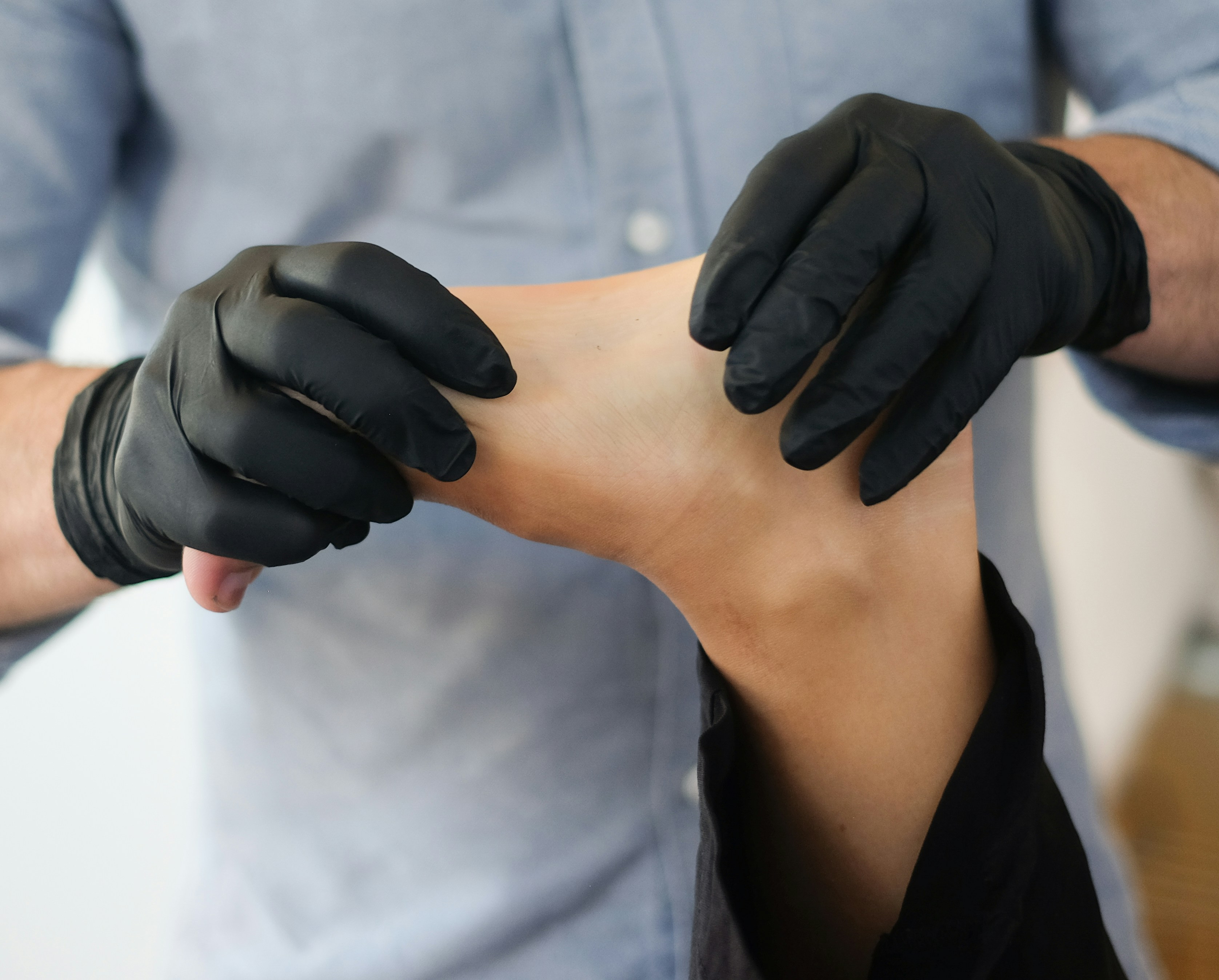
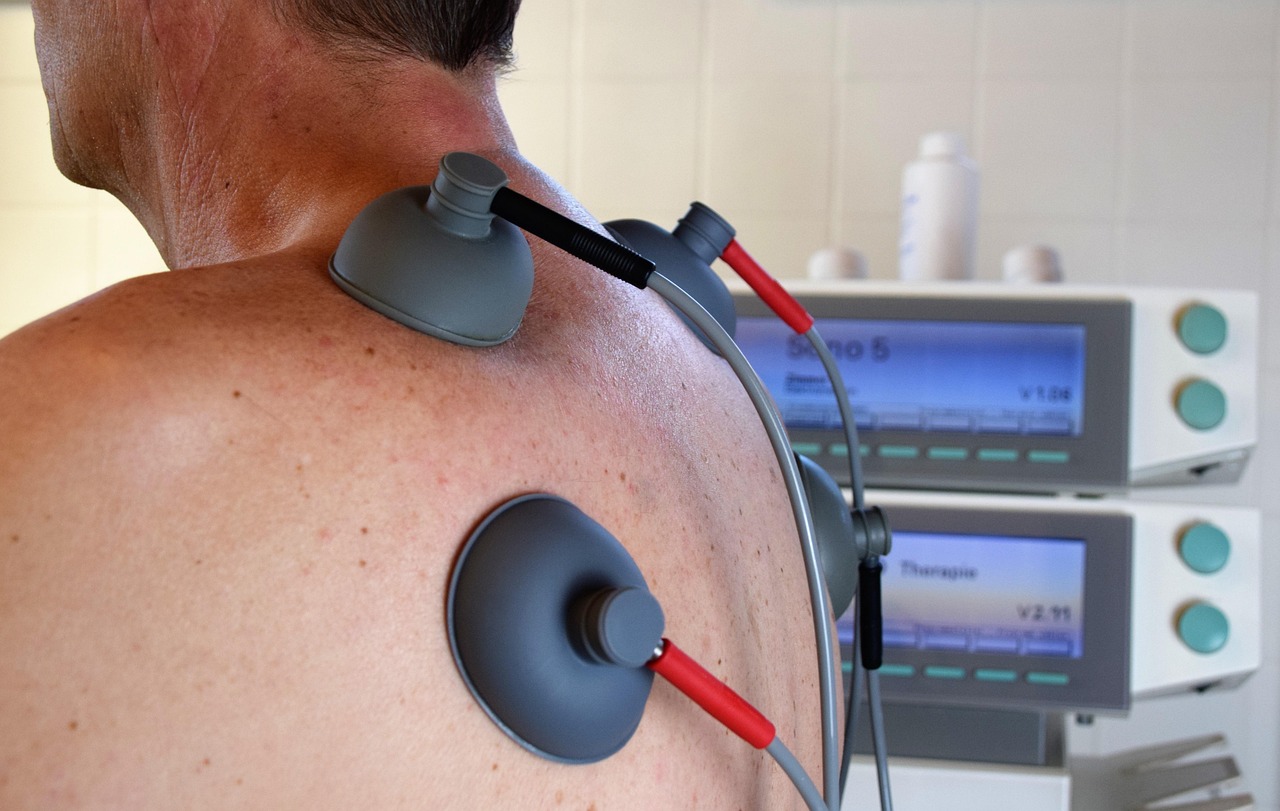
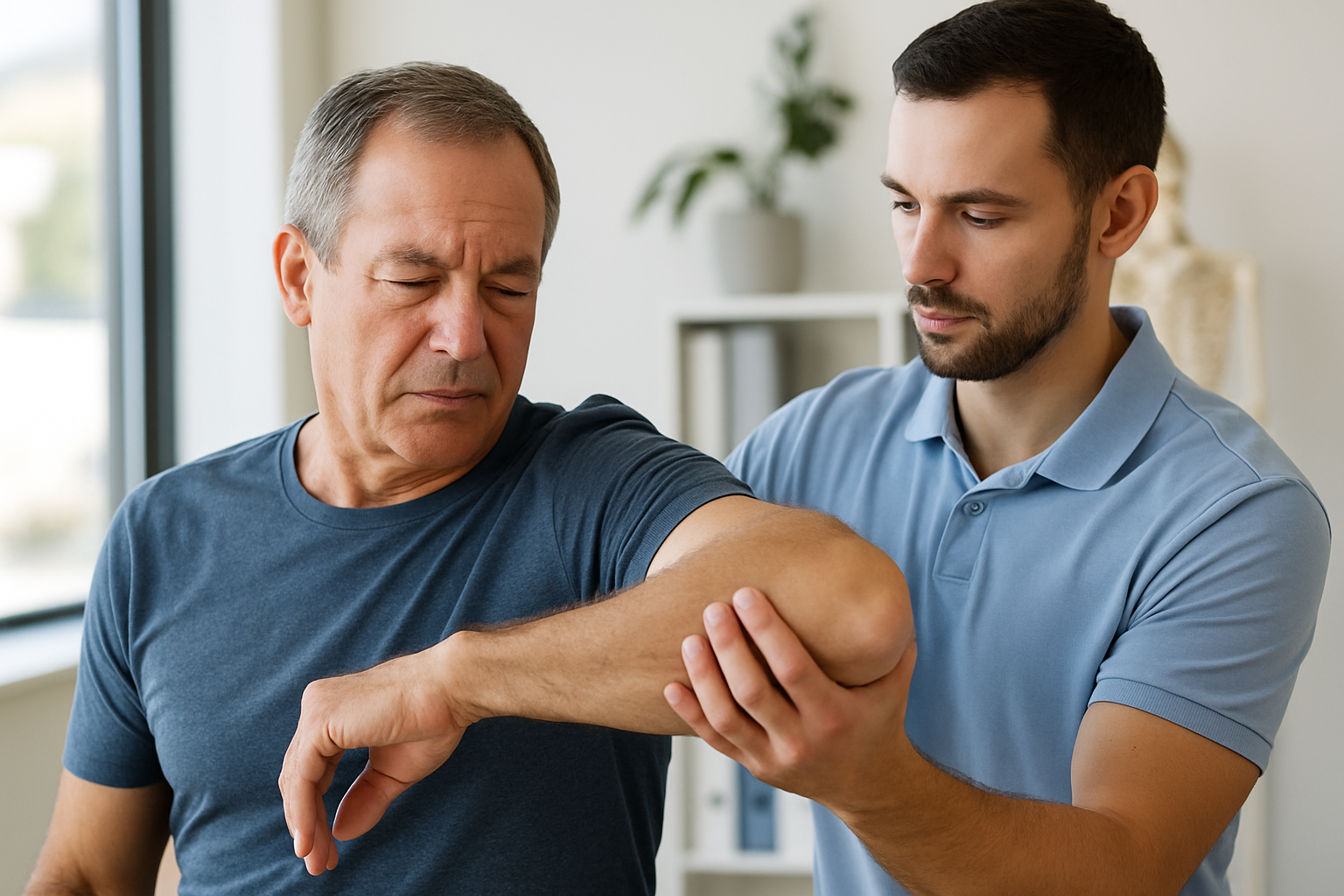
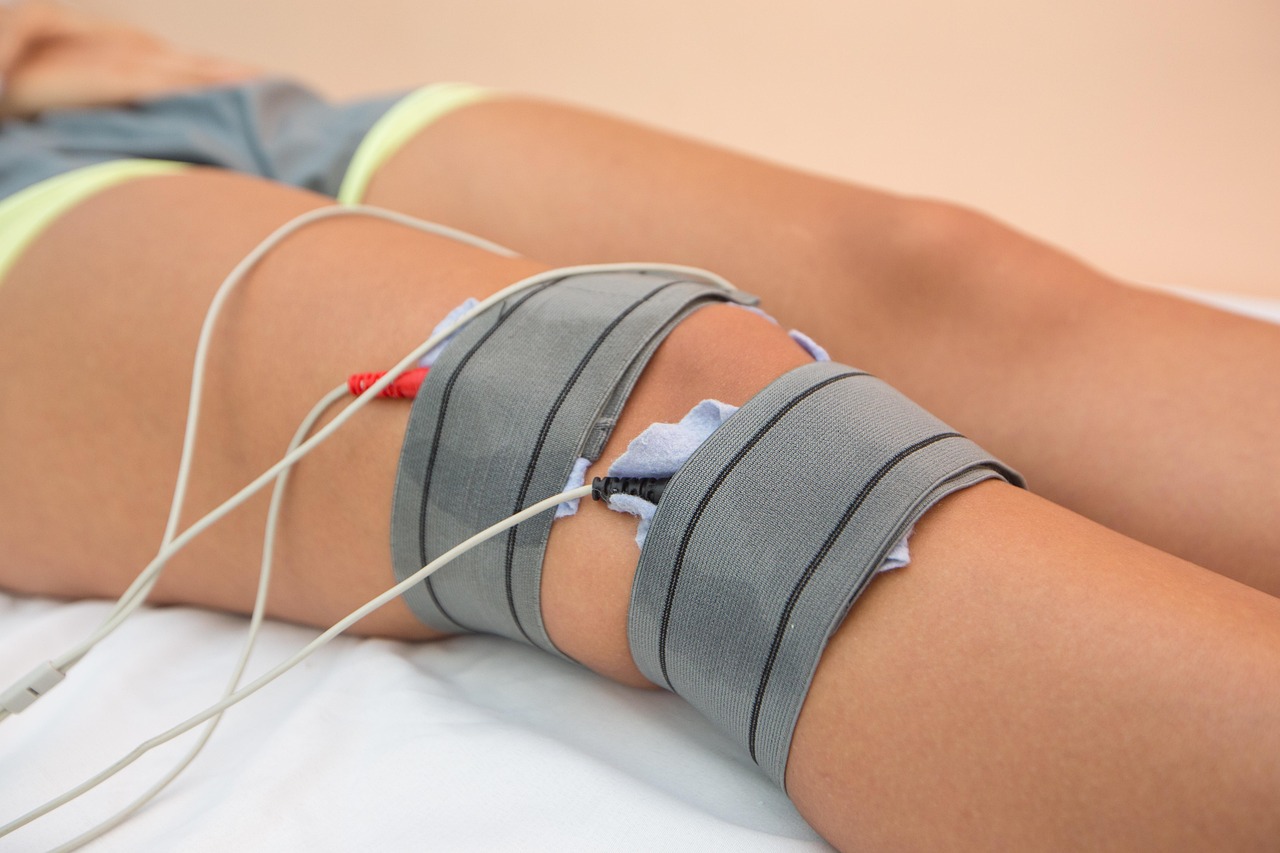
First we figure out where the extra load is coming from. Your therapist will have you squat, step down off a box, and stand on one leg. Early on, the job is calming it down. That might mean cutting miles for a while, or trading a few runs for swimming or the bike. Hands-on work and dry needling can loosen tight muscles around the hip and thigh.
Then it’s mostly strength. Side-lying leg lifts. Single-leg squats. Step-downs. Side steps with a band. All of it builds up the hip so the knee tracks better. We might look at how you run, too. A slightly shorter, quicker stride can take some strain off the outside of the knee.
When It’s Something Else
Not all outside knee pain is the IT band. A tear in the outer meniscus can hurt in that same area. So can a sprained ligament, or arthritis. If the knee swells, locks, catches, or gives out on you, get it checked before you keep training.
Before the Next Long Run
Is your knee flaring every time you run, ride, or hike? We can help you figure out why. Call Modern Medicine of Goodyear, AZ, or book online, and we’ll put together a plan that keeps you moving while it heals.