 This Is Not Just Getting Older
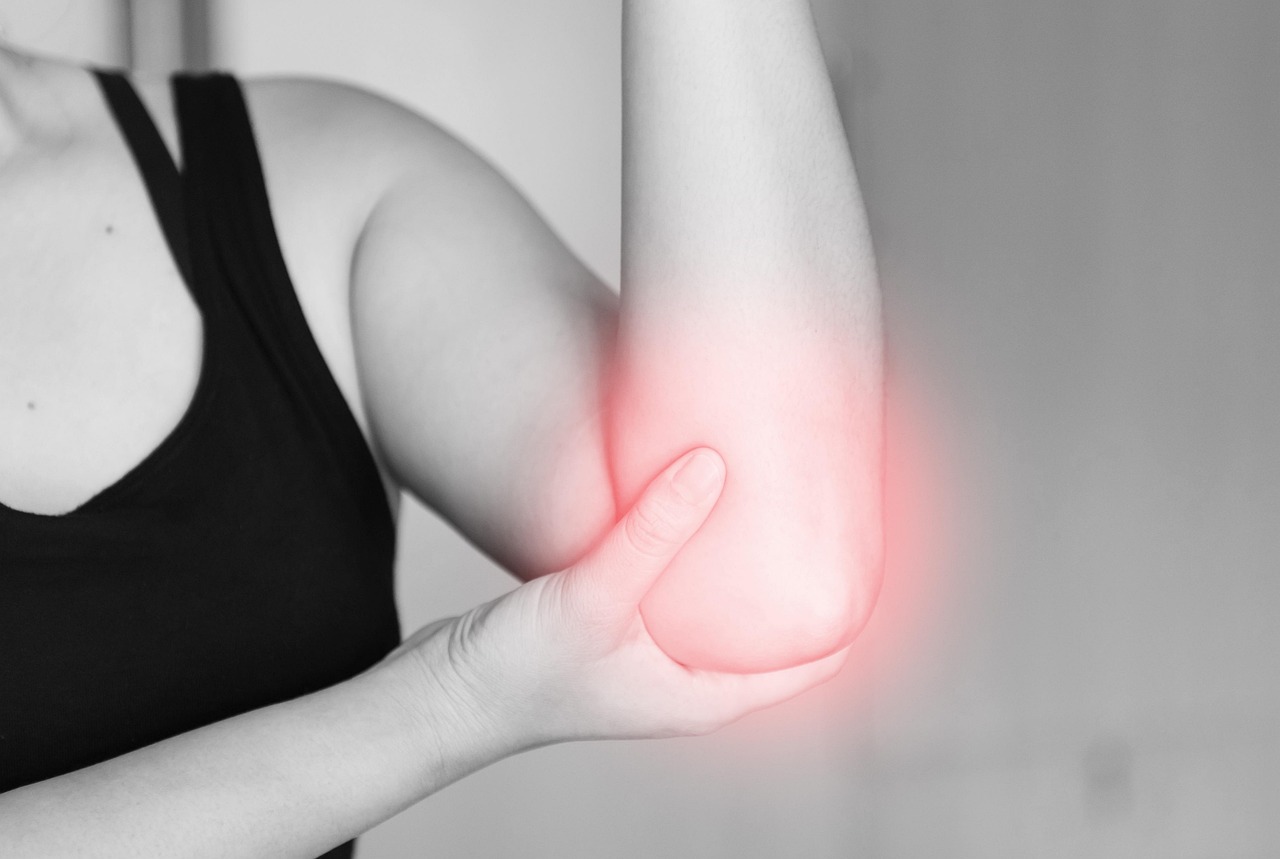
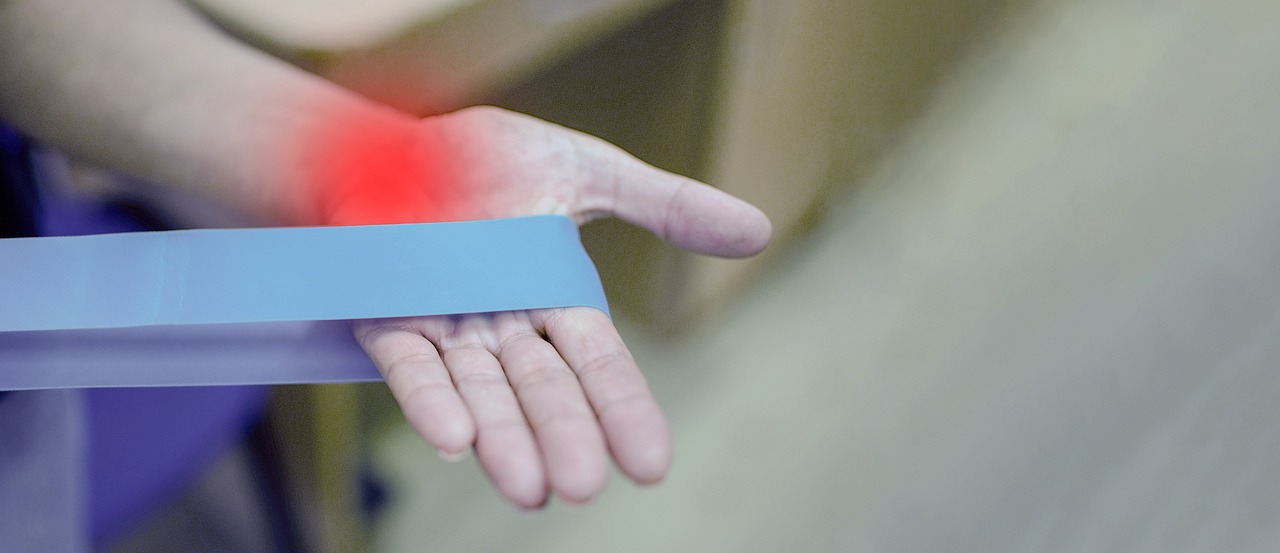
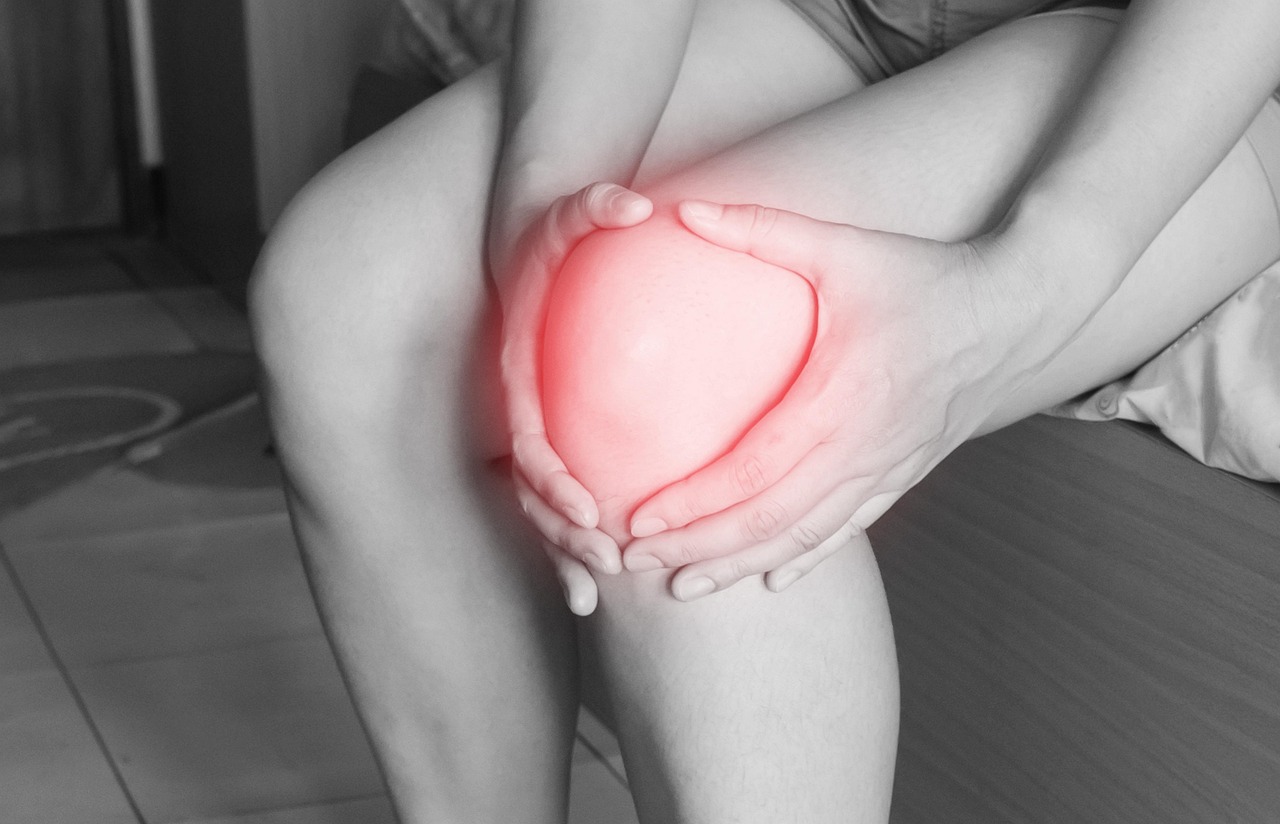
Stiff hands before the coffee is done brewing. A knee that starts aching twenty minutes into a grocery run. A hip that makes the first few steps out of bed feel like a negotiation.
Most people explain it away for a long time. Bad weather. Overdid it yesterday. Getting older. Eventually, the explanations run out and the pain is just there, every day, whether anything triggered it or not.
What Is Actually Happening
Cartilage breaks down. That is arthritis at its core. The cushioning between joint surfaces wears away, and bone starts absorbing the load it was never meant to handle. The joint swells. Muscles tighten around it. Moving becomes uncomfortable, so people move less. Moving less means the joint stiffens further and the muscles around it get weaker.
Then those weaker muscles put more stress on the already damaged joint, which makes it hurt more. This makes people move less.
That is the cycle. And it does not reverse on its own.
Buckeye summers make it easy to get sedentary without realizing it. A few months of heat and reduced activity and the joint has lost more ground than most people expect.
Why Non-Surgical Care Is Usually the Right First Step
Surgery is not where this starts for most patients. There is a lot of ground to cover before it becomes the conversation.
Common non-surgical options include:
- Corticosteroid injections for acute inflammation and flare-ups that are not settling on their own
- Hyaluronic acid injections when joint lubrication is the bigger issue
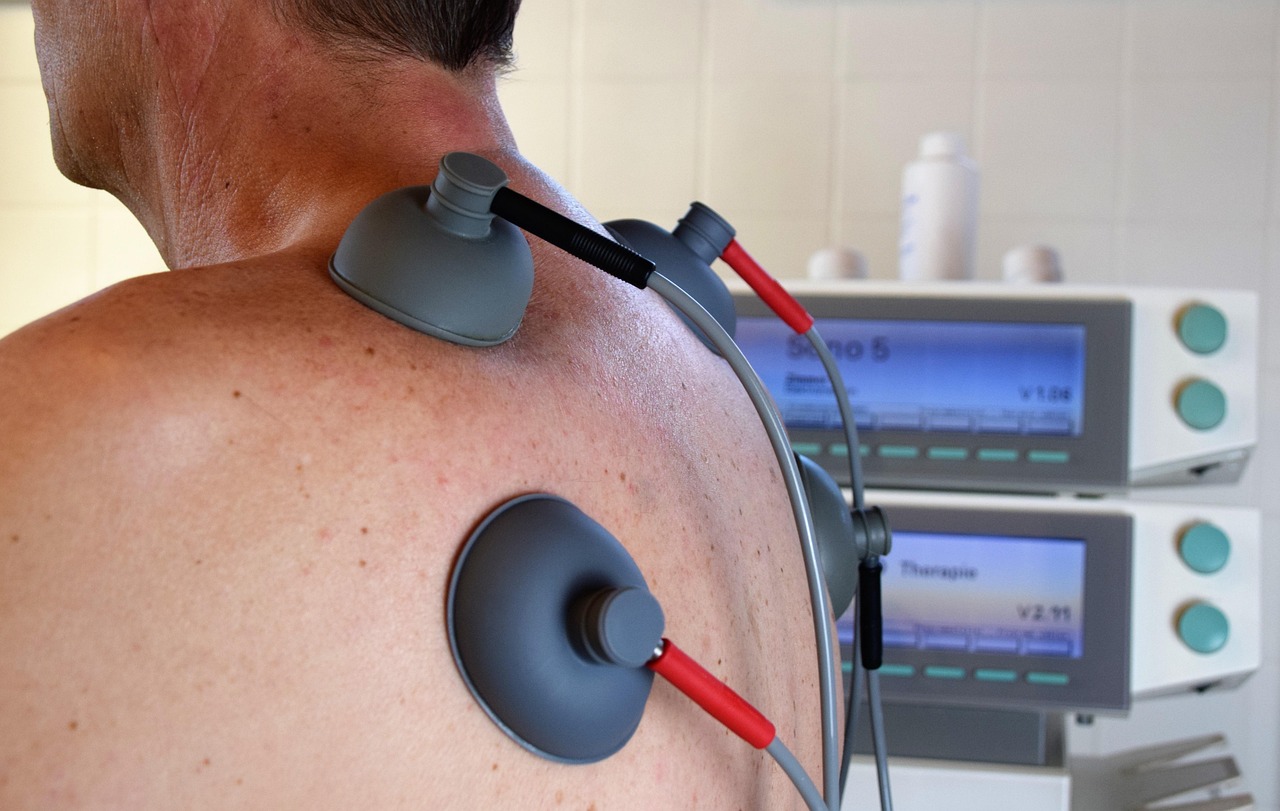
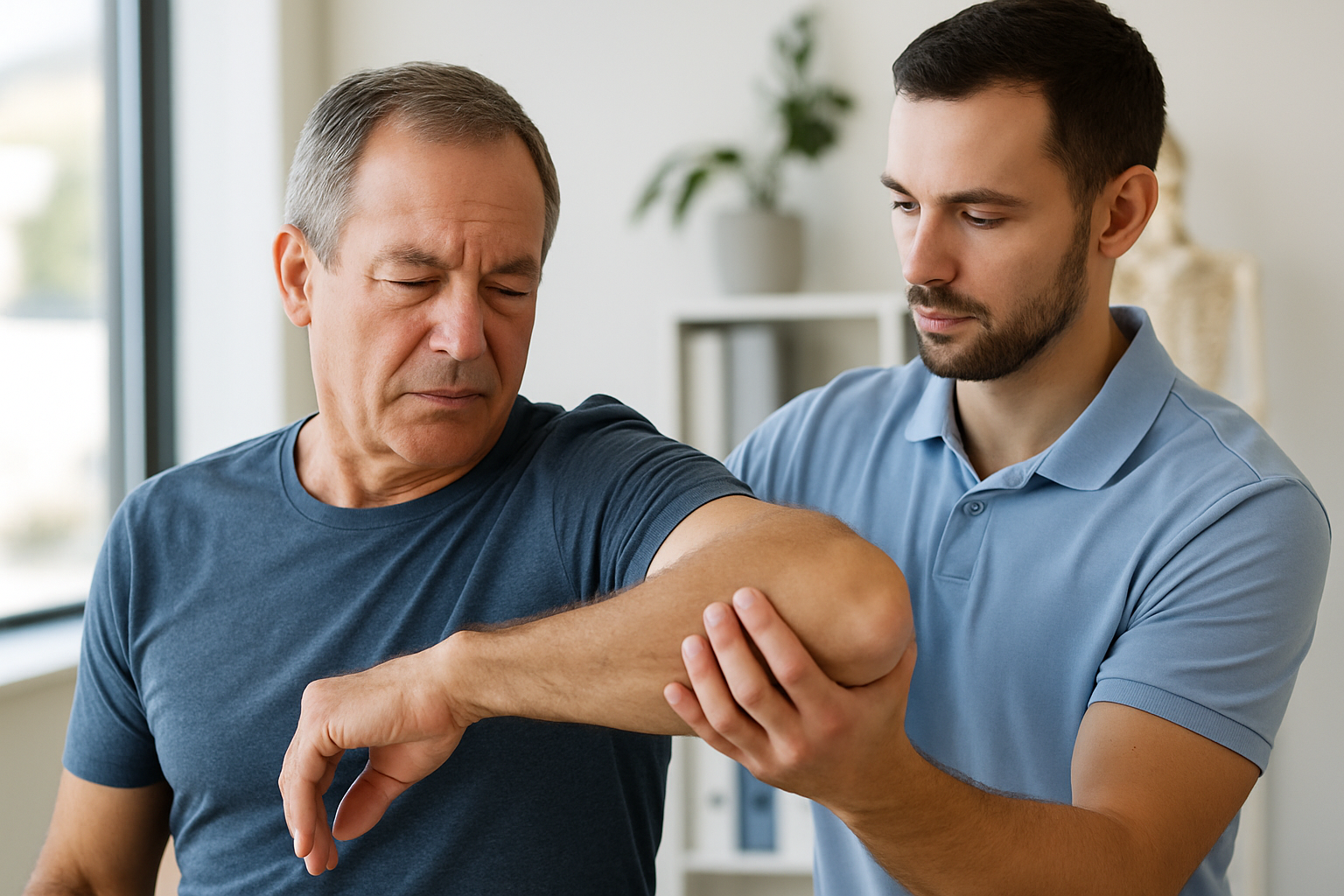
- Physical therapy to rebuild the muscle support that takes the load off damaged surfaces
- A structured home program that keeps progress moving between appointments
A plan that combines the right elements tends to work better than trying one thing at a time. The goal is to interrupt the cycle, not mask it.
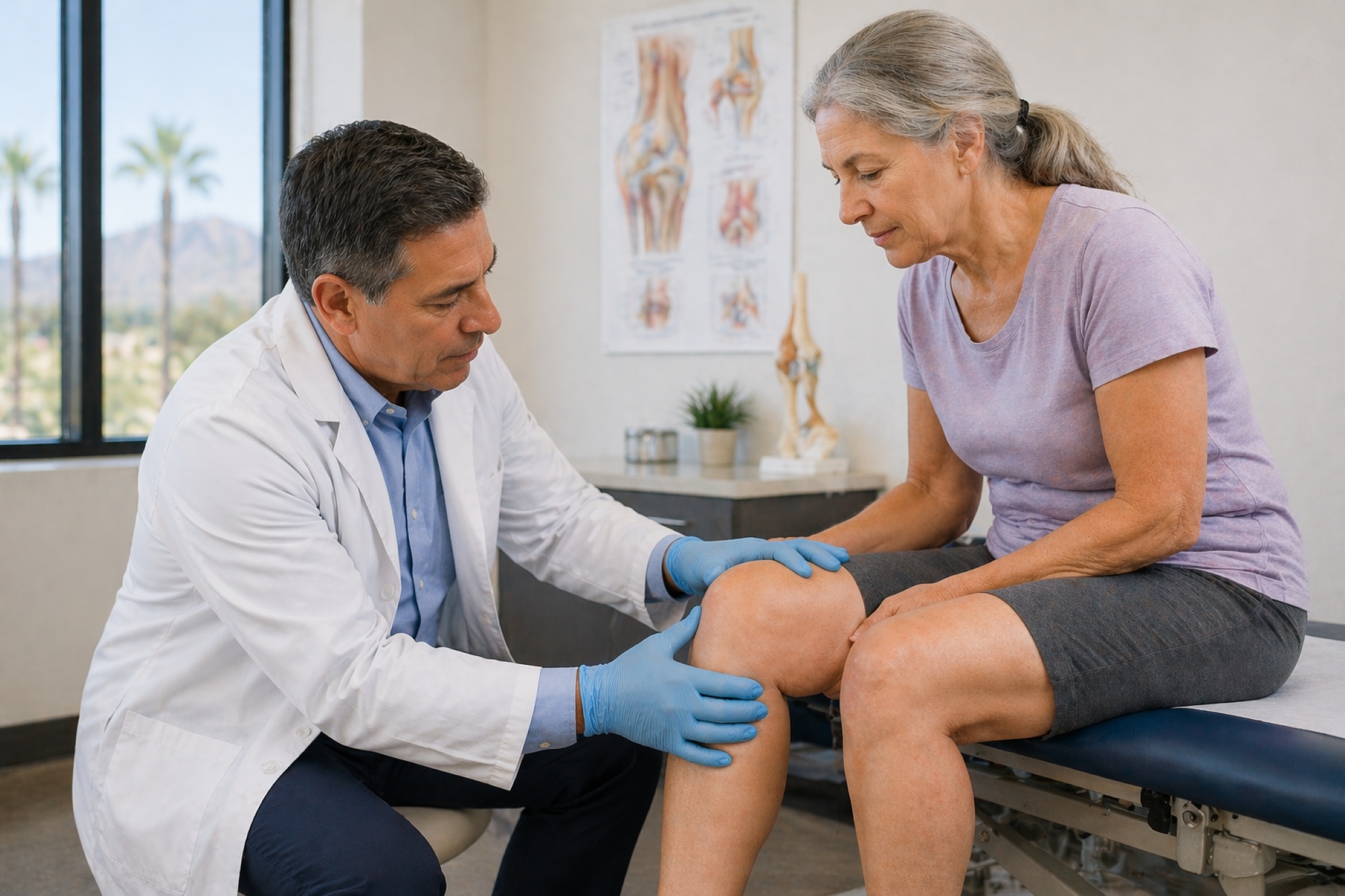
What a Proper Evaluation Looks At
An X-ray shows the joint. It does not show how someone is actually living with it.
What movements have become impossible? What activities got quietly dropped three months ago? Where the body started compensating and what that compensation is now doing to everything else? Two patients with nearly identical imaging can be in completely different situations. The plan has to reflect that.
What People Are Trying to Hold On To
These are the things that come up most often:
- Finishing a grocery run without the knee swelling up afterward
- Getting through yard work in October without three days of pain
- Walking the dog the full route instead of turning back early
- Sleeping through the night without the hip becoming the problem at 2 am
These are not big asks. And they are not out of reach with the right care in place.
Waiting Makes It Harder
Cartilage does not grow back. The longer the cycle runs uninterrupted, the more ground gets lost and the fewer options there are to work with.
Most patients who come in early have more to work with than those who waited a year, hoping things would settle on their own.
Contact Modern Medicine of Mesa, AZ to schedule a non-surgical assessment.