 What Physical Therapists Look At First
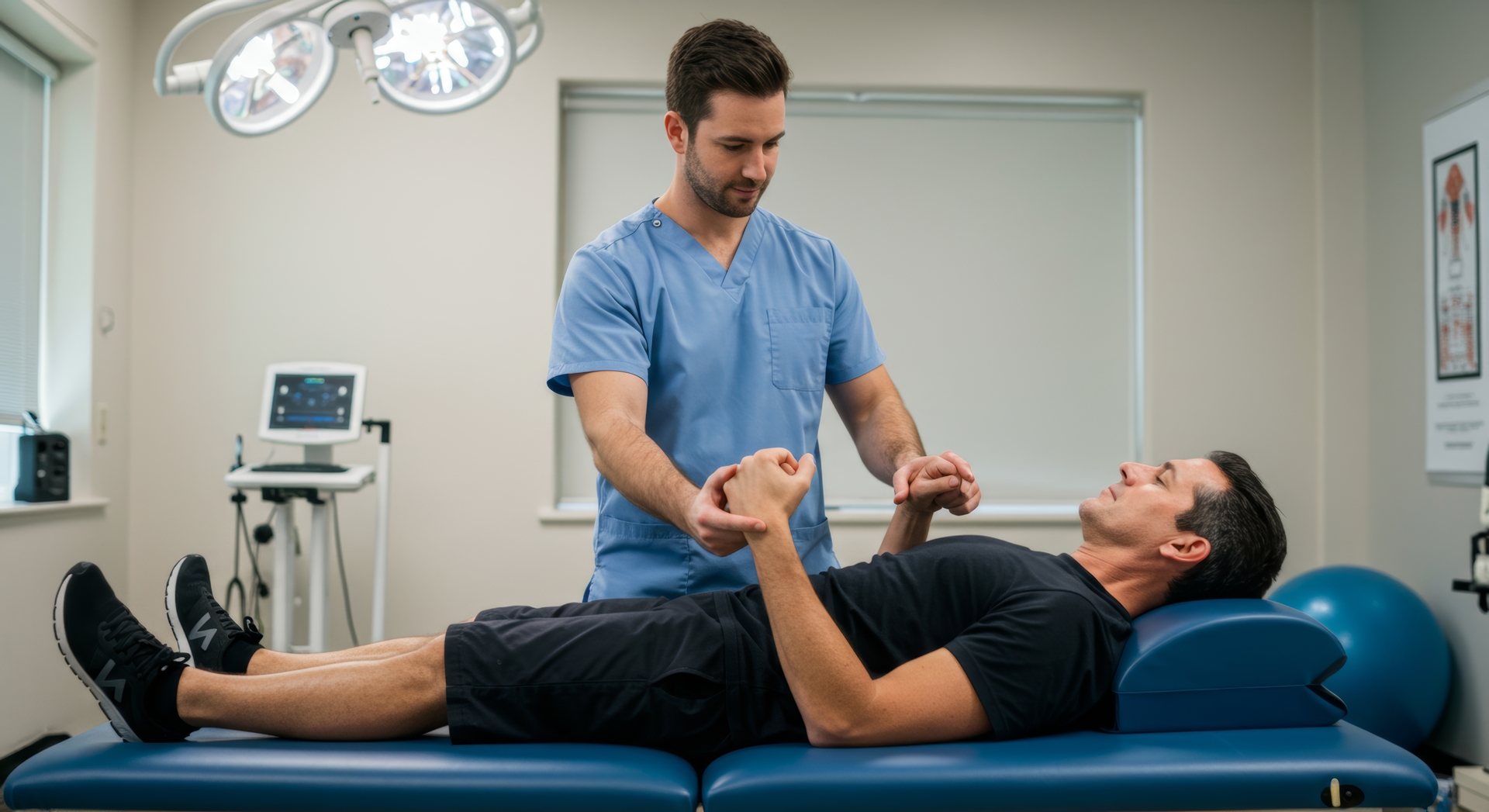
A physical therapist looks at how the whole body is moving after surgery. That matters because people often start compensating without even noticing it. They lean more on one leg. They avoid bending fully. They shift weight away from the sore area. Those habits make sense at first, but they can slow progress if they stick around too long.
Early visits usually focus on a few basic things:
- Pain levels
- Swelling
- Range of motion
- Walking pattern
- Muscle activation
- Balance and control
This helps us see where strength has dropped off and what needs the most attention first. Some patients need to wake up their muscles. Others need help with stability. Some need both.
How Therapy Helps Rebuild Strength
Strength does not come back just because time passes. The body usually needs guided work.
That work often starts with simple exercises. It may be learning how to tighten the right muscles again. It may be standing with better control. It may be practicing weight shifts, step-ups, or gentle resistance work. The early phase can look basic, but it matters. Those first gains help set up everything that comes after.
As recovery moves along, exercises often change. We may build strength through the hips, legs, core, shoulders, or back, depending on the surgery and what the patient needs most. We also work on endurance because many people notice they tire out long before they feel fully healed.
At Modern Medicine, we also pay close attention to movement quality. A patient may be strong enough to do an exercise, but not with good control yet. That is important. Better movement helps lower strain and supports a safer return to normal activity.
What Recovery May Include
Every plan is different, but post-surgical therapy often includes:
- Guided strength exercises
- Mobility work
- Balance training
- Walking practice
- Transfer training
- Hands-on treatment when needed
- Gradual return to daily tasks
We build the plan around what the patient actually needs to do in real life. For one person, that may mean walking through work without fatigue. For another, it may mean getting back to the gym, climbing stairs at home, or keeping up with family without feeling unsteady.
Why Consistency Matters
A lot of people feel better before they are truly ready to do everything again. That is a common point where setbacks happen.
Pain may be lower, but strength may still be lacking. The body may still be compensating. That is why steady therapy matters. Recovery usually goes better when strength, control, and movement improve together instead of one at a time.
At Modern Medicine, we help patients in Goodyear move through post-surgical rehab with a clear plan and realistic progressions. If you are recovering from surgery and still feel weak, physical therapy can help you rebuild strength and get back to daily life with more confidence.
`