 Overuse Injuries Often Start Small
Most overuse injuries begin as a mild ache. You feel it near the knee after a few miles. Your Achilles feels tight after you get out of the car. Your foot feels sore on the first steps in the morning, then it loosens up. Many runners keep going because the pain fades mid-run. Then it shows up sooner the next time and lingers longer afterward. That pattern is a sign the tissue is falling behind your training load.
Why Runners In Buckeye Get Overuse Pain
Overuse pain usually comes from a mismatch between load and recovery. A small change can do it. You add speed work. You increase hills. You switch shoes. You return after time off and try to pick up where you left off. Long workdays and poor sleep can also lower recovery. Form matters too, but it is rarely one single flaw. Most problems come from a few small factors stacking up.
The Most Common Runner Overuse Problems
Overuse injuries often affect tendons, the kneecap area, the shin, or the foot:
- Achilles tendon pain that feels stiff at first, then sore later
- Patellar tendon pain that flares with hills and speed work
- Runner’s knee pain around the kneecap during stairs and downhills
- Shin pain that builds during runs and stays tender after
- Plantar heel pain that hits on the first steps in the morning
- Hip and glute pain that shows up during longer runs and standing tasks
What Sports Medicine PT Does For Runners
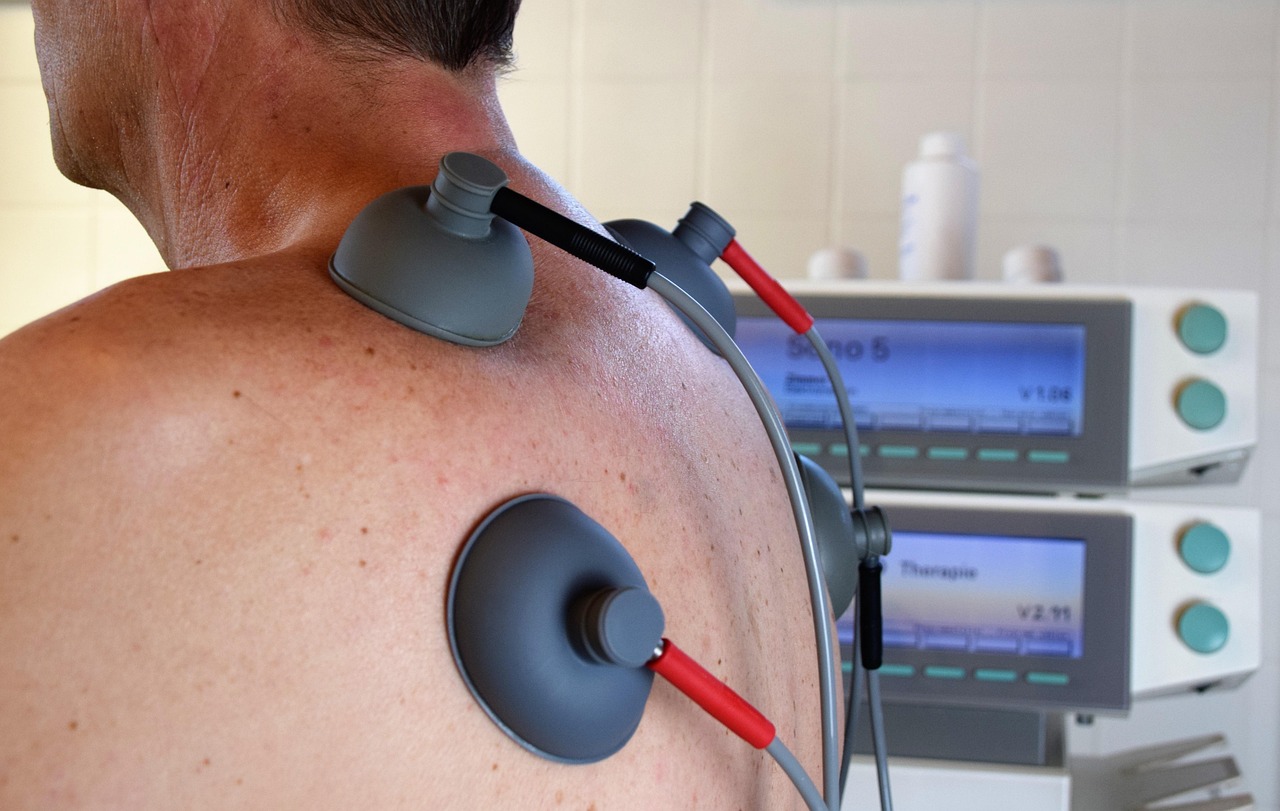
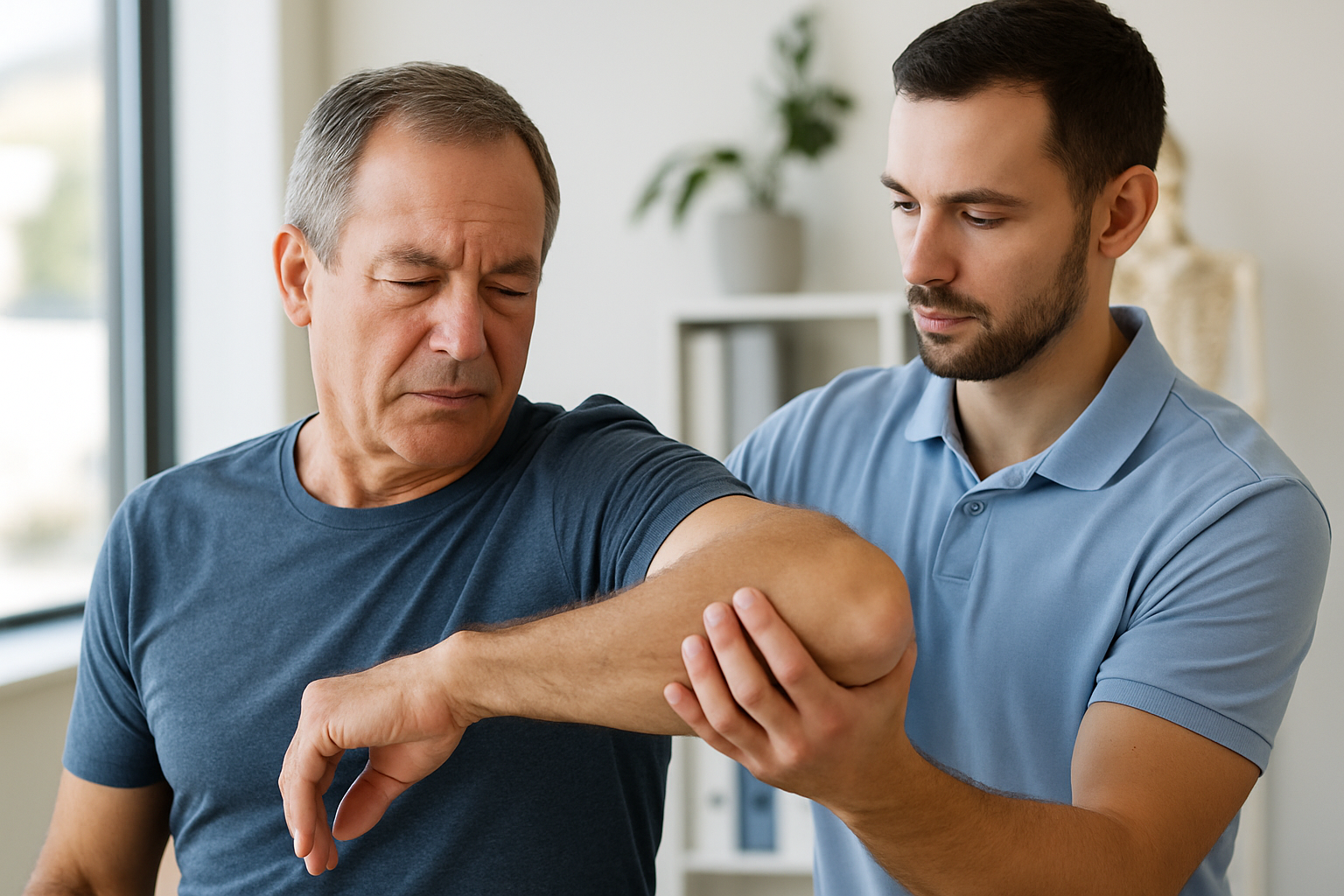
PT starts with the details that matter for running. Your therapist asks about weekly mileage, recent changes, shoes, surfaces, and workouts. They check strength, joint motion, and control, often through single-leg tests. They watch your walk and may look at your running form if it fits your visit. Treatment then focuses on graded loading, which means you strengthen the irritated tissue in a way it can tolerate, then build from there. You also get a plan for training changes, so you can keep moving without pushing into the same flare every week.
How A Runner's Plan Builds Back To Normal Training
Most plans start by settling symptoms and setting clear limits. That may mean shorter runs, fewer hills, or a temporary switch to run-walk intervals. Next comes strength work for the calves, hips, and core, since those areas control load with each step. Then you build back to speed and volume in steps, with recovery days planned on purpose. One question runners ask is, “Do I need to stop running?” In many cases, you can keep running in a reduced form, but you need a plan that respects pain and recovery.
What You Can Do This Week To Reduce Irritation
Small changes can lower stress fast. Focus on one or two changes, not ten at once.
- Cut mileage for one week and avoid speed work
- Pick flatter routes and avoid long downhills
- Keep easy runs truly easy, with a pace you can talk through
- Add a rest day after harder efforts
- Strength train twice a week with simple single-leg work
- Track pain during the run and the next morning
For more help, call Modern Physical Therapy & Sports Medicine of Goodyear, AZ, or fill out the online form to request an appointment. We will help you reduce pain, rebuild strength, and return to steady training.