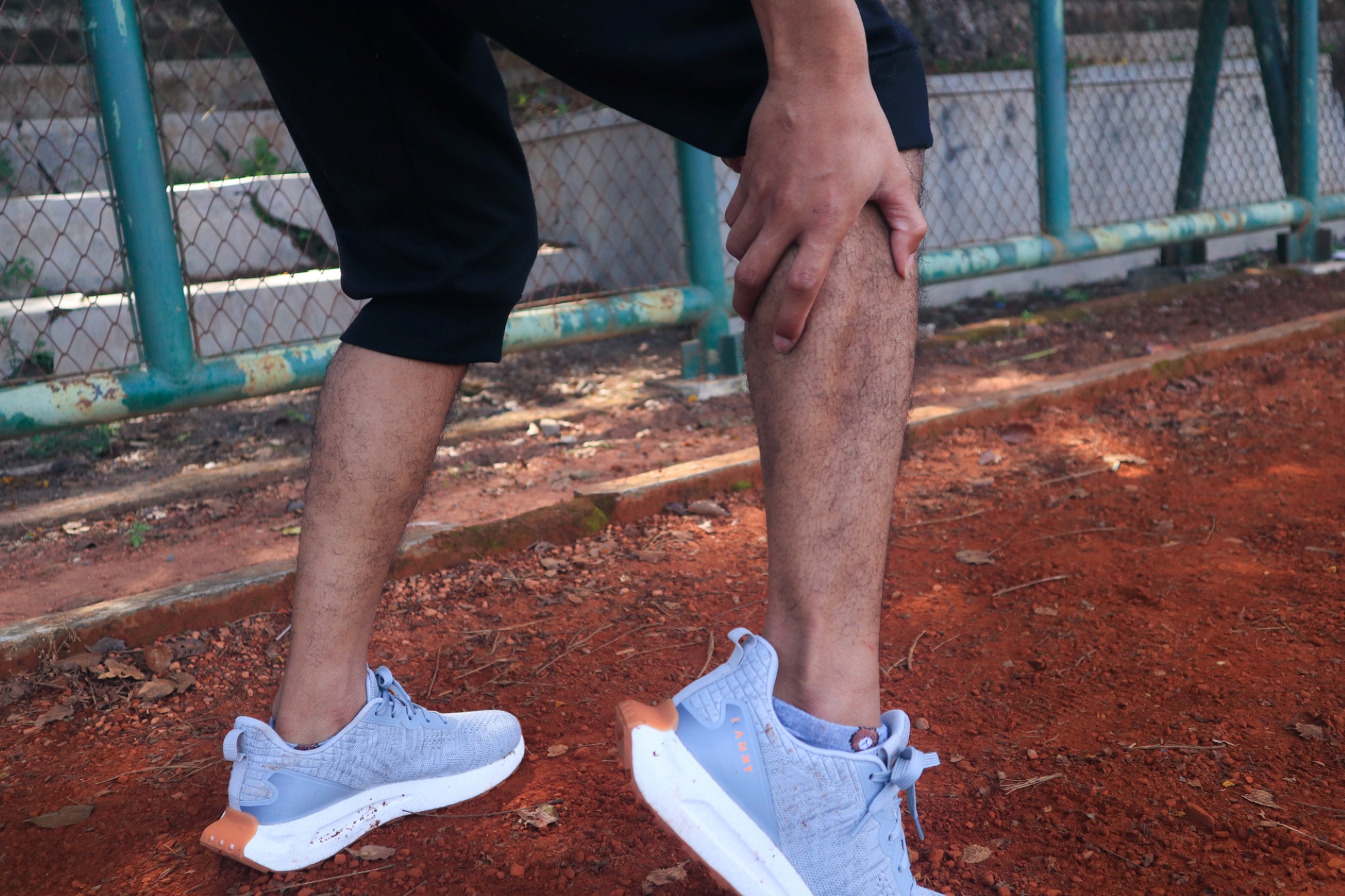
 What a Calf Strain Is
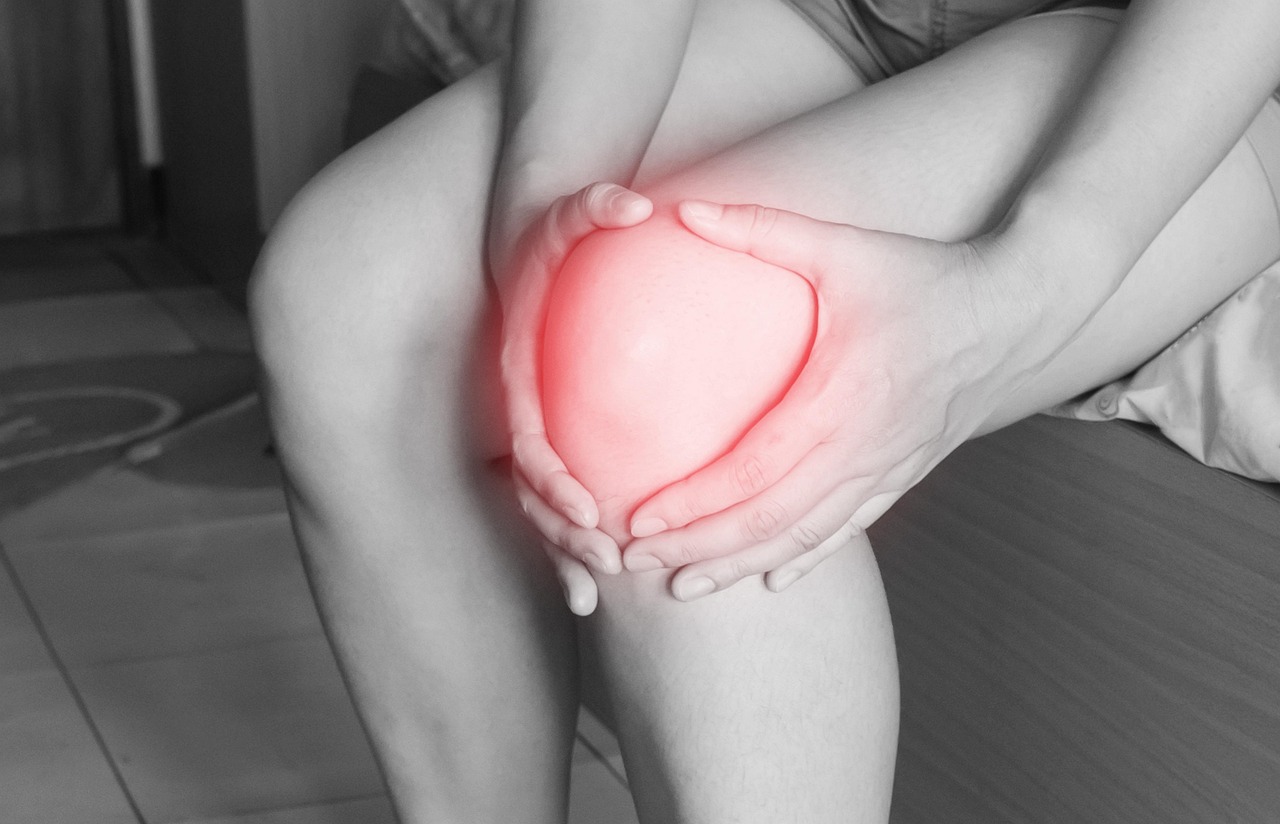
A calf strain means you overstretched or tore muscle fibers in the back of your lower leg. It can hit fast, like a sudden pull during a sprint, or creep in after days of “tight calves” that never loosen. Some people feel a sharp jab and stop immediately. Others finish the workout, then feel sore walking to the car. Either way, the calf can stay guarded and stiff, which makes it easy to re-aggravate during stairs, quick turns, or that first jog attempt.
Why Calf Strains and Tightness Happen
The calf works every time you push off the ground. When the load jumps too quickly, it complains. These are common setups we see:
- A sudden increase in running, hills, or speed work
- Weekend sports after a quiet week
- Long shifts on your feet with limited recovery
- Stiff ankles that force the calf to do extra work
- Weak hips or poor single-leg control that shifts stress downward
- Old ankle sprains that never got full motion back
When to Get Checked
If you keep testing it and it keeps grabbing, that is your sign. Swelling and bruising also matter, even if you can still walk. Here are common reasons to come in:
- You limp or cannot walk normally after a few days
- You felt a pop, snap, or sudden sharp pull
- Pain spikes on stairs or when you push off the ground
- Tightness returns every time you try to jog or play
- One spot stays very tender and does not settle
What Sports Medicine Can Do
Sports medicine care starts with a clear exam. We look at where the strain is, how much strength you lost, and how your ankle and foot move during walking and single-leg tasks. We also check the Achilles area, since it shares load with the calf. Then we map out a progression that fits your life, not a generic timeline. Early care focuses on calming the flare and restoring normal walking. The next phase rebuilds strength and tolerance so the calf can handle repeat loading.
Types of Treatment That Often Help
Your plan depends on the grade of strain and your goals, but these are common parts of care:
- A guided strength plan that rebuilds the calf safely
- Mobility work for the ankle to reduce overload
- Soft tissue work to ease guarding and improve movement
- Balance and control drills to steady the whole leg
- Return-to-run or return-to-sport progressions when appropriate
- Practical pacing advice so you do not restart too fast
Getting Back to Running, Work, or Sports
Most setbacks happen when pain drops, but strength has not returned. You feel “fine,” then you sprint for a ball or chase a kid across the yard, and it pulls again. We use simple checkpoints, like how you tolerate repeated heel raises, walking speed, and controlled hopping, before we layer in faster work. If you are on your feet all day, we also plan around your shifts. The goal is steady progress and fewer surprise flare-ups.
Set up a visit with Modern Physical Therapy & Sports Medicine of Goodyear, AZ today. We can help you get on the road to feeling better.