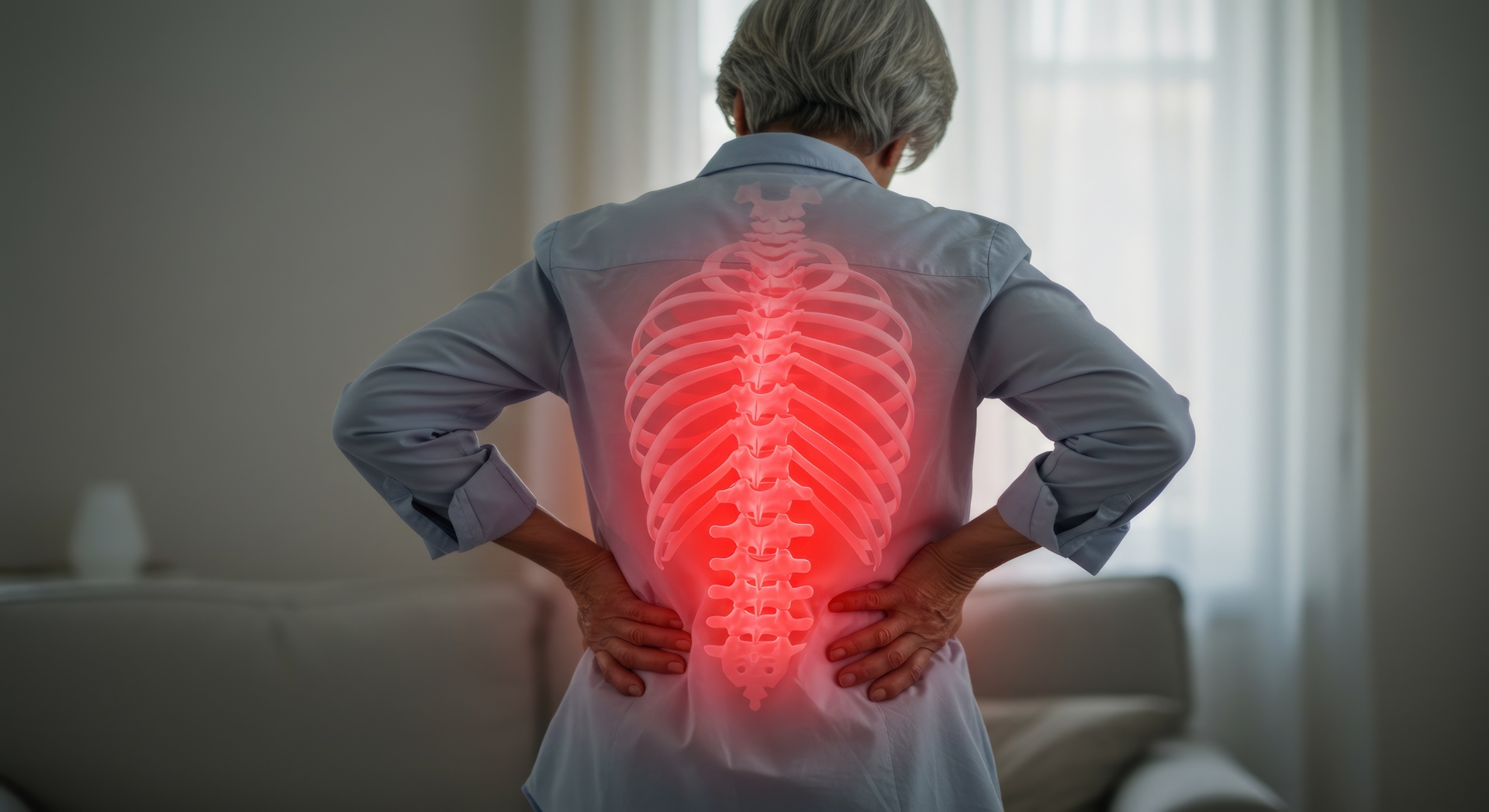
 What Thoracic Spine Pain Is
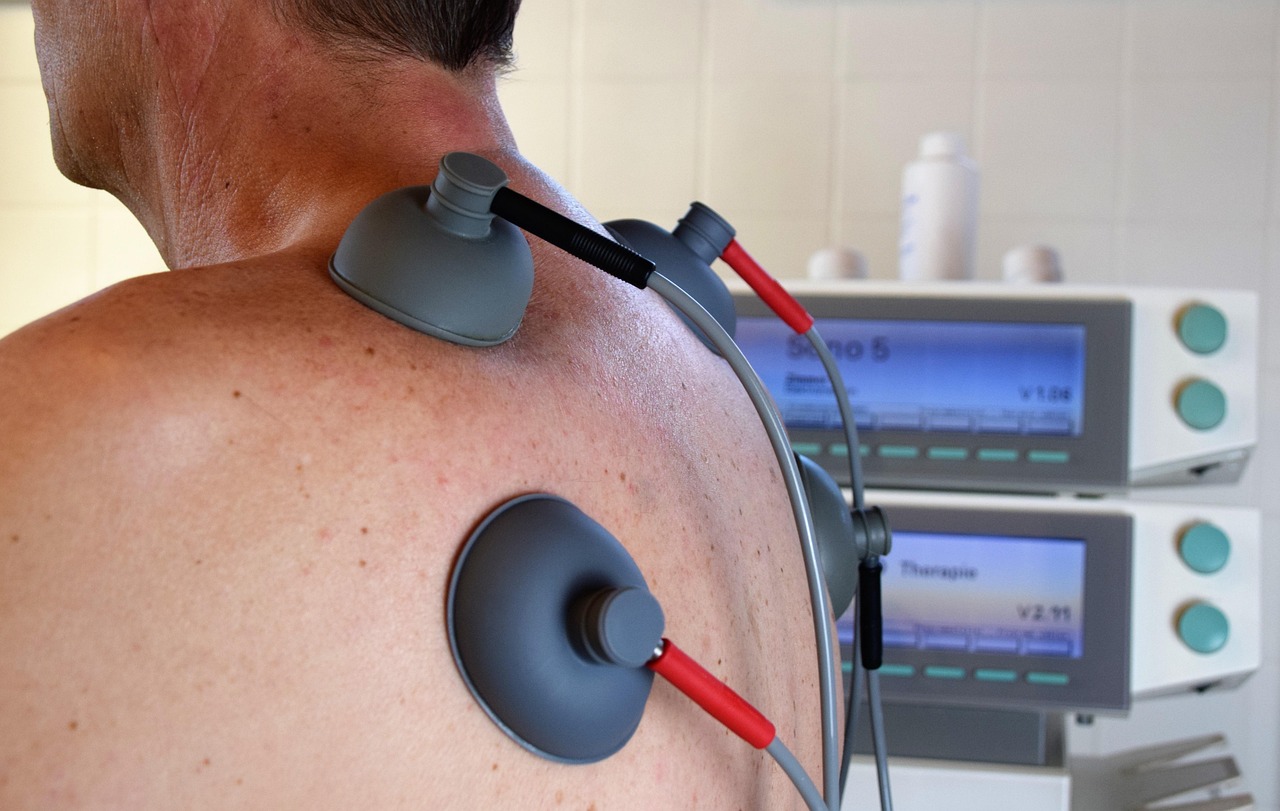
The thoracic spine is your mid back, the section where your ribs attach. It does not bend like your neck or lower back, so when it gets stiff, you notice it fast. Thoracic pain often sits between the shoulder blades, a little off to one side, or it wraps around a rib and feels like a tight band. Some people swear it is their shoulder at first. Others think it is “just posture,” until turning to grab a purse in the passenger seat or reaching into an overhead cabinet lights it up.
What Usually Causes Thoracic Spine Pain
For most people, this starts from repetition, not one dramatic moment. These are common culprits we see:
- Long desk days with a rounded upper back and head forward
- Long drives and commuting with tense shoulders and shallow breathing
- Working with arms in front of you, like cooking, keyboarding, or assembly work
- A quick jump in workouts, especially pressing, rowing, or pull-ups
- Sleeping curled or twisted, then waking up stiff and guarded
- A cough or illness that makes you brace your ribs for days
What It Feels Like During a Normal Week
Thoracic pain has its own personality. It can feel deep and achy all day, then spike when you rotate to back out of a parking spot. It might show up halfway through a shift when you realize you keep stretching your neck because your mid-back will not rotate. Some people feel a pinch with overhead reaching, like putting a box on a closet shelf. Others feel a nagging soreness after chores, especially vacuuming, mopping, or carrying laundry baskets up stairs. Night can be the worst part. Rolling over should be automatic, but when the mid back is locked up, it turns into a careful, slow maneuver.
When It’s Time to Get Checked
If mid back pain sticks around for more than a couple of weeks, keeps coming back, or starts changing how you move, it’s time for an evaluation. Come in sooner if it follows a fall or a car accident, if taking a deep breath reliably causes sharp pain, or if you get symptoms down an arm, like tingling or weakness. A quick screen also matters if pain feels unusual for you, like it is getting worse instead of settling. The point is not to panic. It’s to stop guessing and get a clear answer.
Types of PT That Help Thoracic Spine Pain
We mix techniques based on what your exam shows, not a one-size plan. Common approaches include:
- Hands-on joint work to reduce mid-back and rib stiffness
- Soft tissue work for tight upper back and chest muscles
- Thoracic mobility drills that train rotation and extension safely
- Shoulder blade strengthening to unload the area between the shoulders
- Core and trunk control work for lifting, carrying, and reaching
- Breathing work to improve rib motion and reduce bracing
Find Relief at Modern Physical Therapy & Sports Medicine of Goodyear, AZ
If thoracic spine pain keeps showing up at work, in the car, or when you try to sleep, set up an appointment with Modern Physical Therapy & Sports Medicine of Goodyear, AZ. We’ll evaluate your mid back and ribs, pinpoint what is driving the pain, and walk you through a practical plan you can follow between visits.