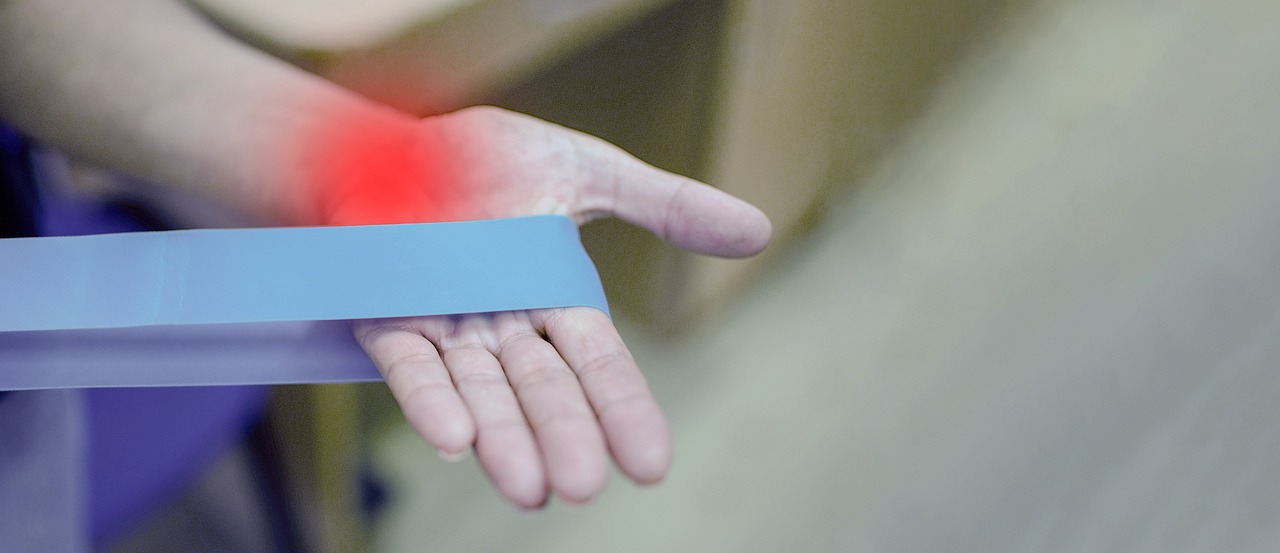
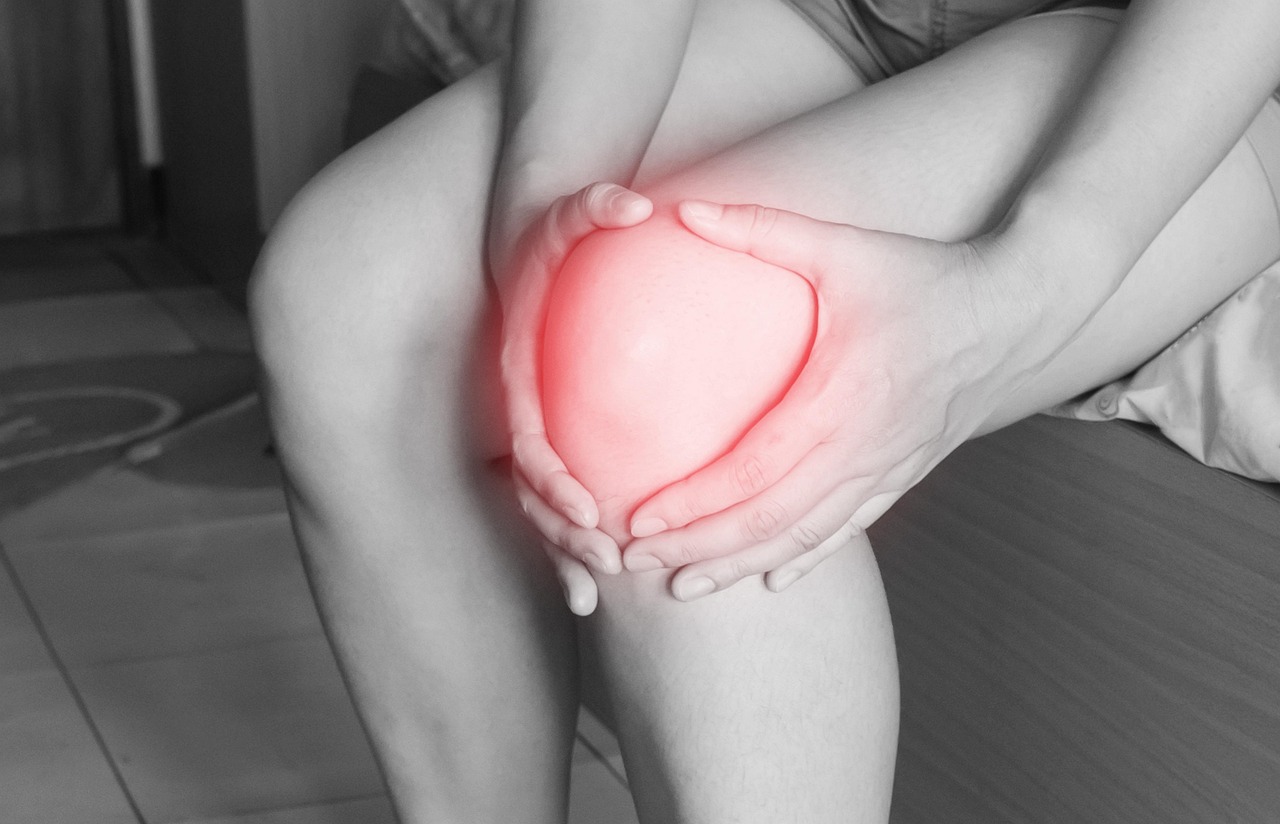
What Muscle Imbalances Are
A muscle imbalance happens when one muscle group takes over and another group falls behind. The “take over” muscle often feels tight and overworked. The “behind” muscle can feel weak, shaky, or hard to activate. It is not always about strength in the weight room. It is often about control. Your body finds a way to get through the task, then repeats that same shortcut during walking, stairs, running, and lifting.
Common Places They Show Up
These patterns hit certain areas again and again because they depend on coordination and joint motion. Here are the spots we see most in the clinic:
- Hips and glutes, which affect knee tracking and lower back load
- Quads and hamstrings, especially in runners and field sport athletes
- Calves and feet, often after ankle sprains or in people with stiff ankles
- Shoulder blade muscles, which can drive neck and shoulder pain
- Core and trunk stabilizers, which help control twisting and bending
Why They Keep Happening
Most imbalances build from everyday habits. You sit with your pelvis tucked, you drive with one leg doing more work, you carry a toddler on the same hip, and you always sleep curled on one side. Then an injury happens, even a minor one, and your body protects that side without you noticing. The pain goes away, but the compensation stays. That is when the same problem keeps popping up, like a hamstring that “always pulls,” a knee that aches on stairs, or a shoulder that hurts during overhead work.
How Sports Medicine Clinics Manage Them
Clinics manage imbalances by finding the pattern behind the symptoms. We do not just look at the sore spot. We watch how you move. That can include walking, a squat, a step-down, and single-leg balance. We check joint motion, especially at the hips and ankles, because stiffness there can force the body into bad mechanics. We also look at endurance, since many people can do one good rep, then lose control as they fatigue. Once we know what is driving the imbalance, we build a plan that changes how you load your body in real life.
Types of PT That Correct Imbalances
PT works best when it restores motion, builds strength, and retrains control in that order. A typical plan may include:
- Mobility work for stiff joints that block good mechanics
- Targeted strengthening for the underused muscle group
- Neuromuscular training for timing, balance, and joint control
- Single-leg work to even out left-to-right differences
- Movement coaching for lifting, running form, or overhead work
- Gradual progressions that build endurance, not just strength
What Improvement Looks Like
Progress usually shows up as fewer repeat flares. Stairs feel more even. One side stops taking over during squats or lunges. The “tight” area stops tightening as fast because it is no longer doing all the work. You may still feel sore when you start strengthening the weak link, but it should feel like training soreness, not the same sharp warning pain that made you stop before.
Feel better sooner and set up a visit with Modern Physical Therapy & Sports Medicine of Goodyear, AZ. We’ll identify the imbalance behind your symptoms and build a plan that helps you move better without constantly stretching the same spot.