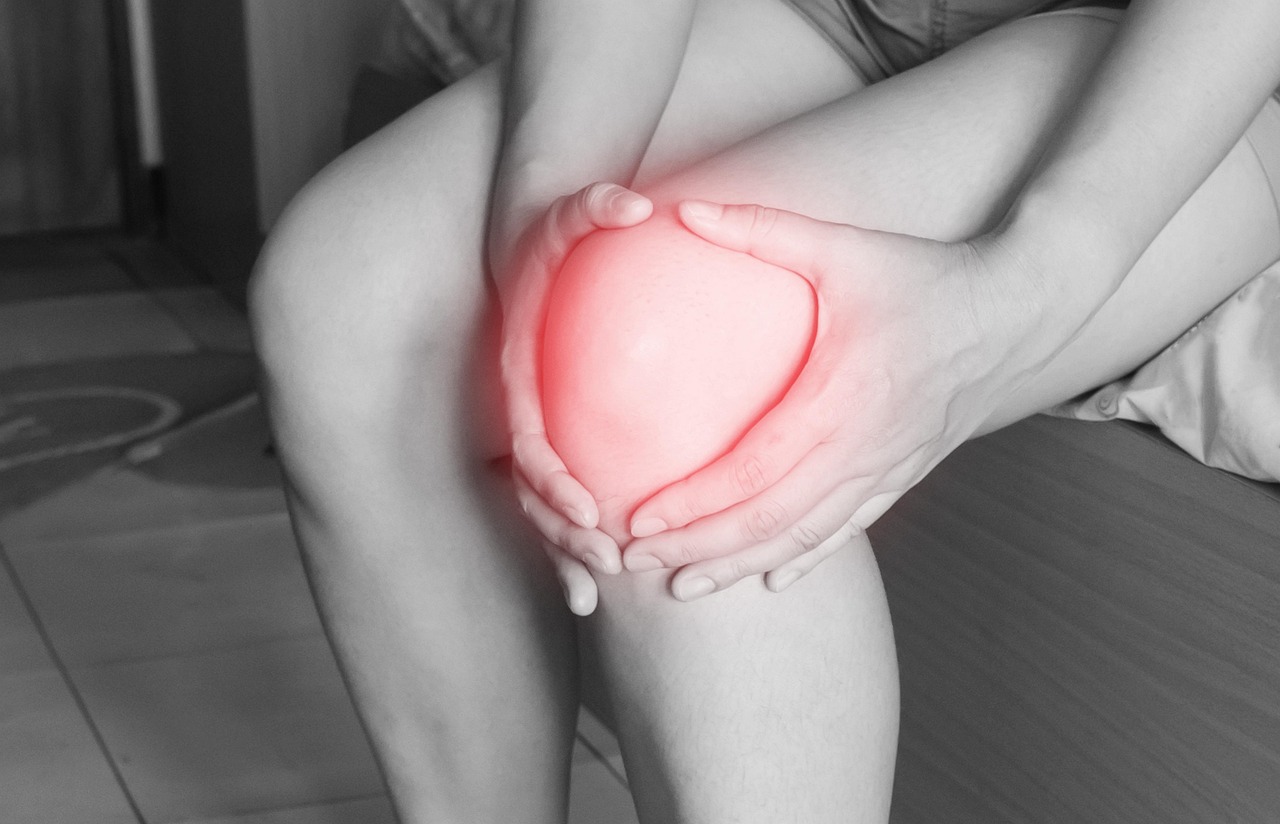
 What are Trigger Points?
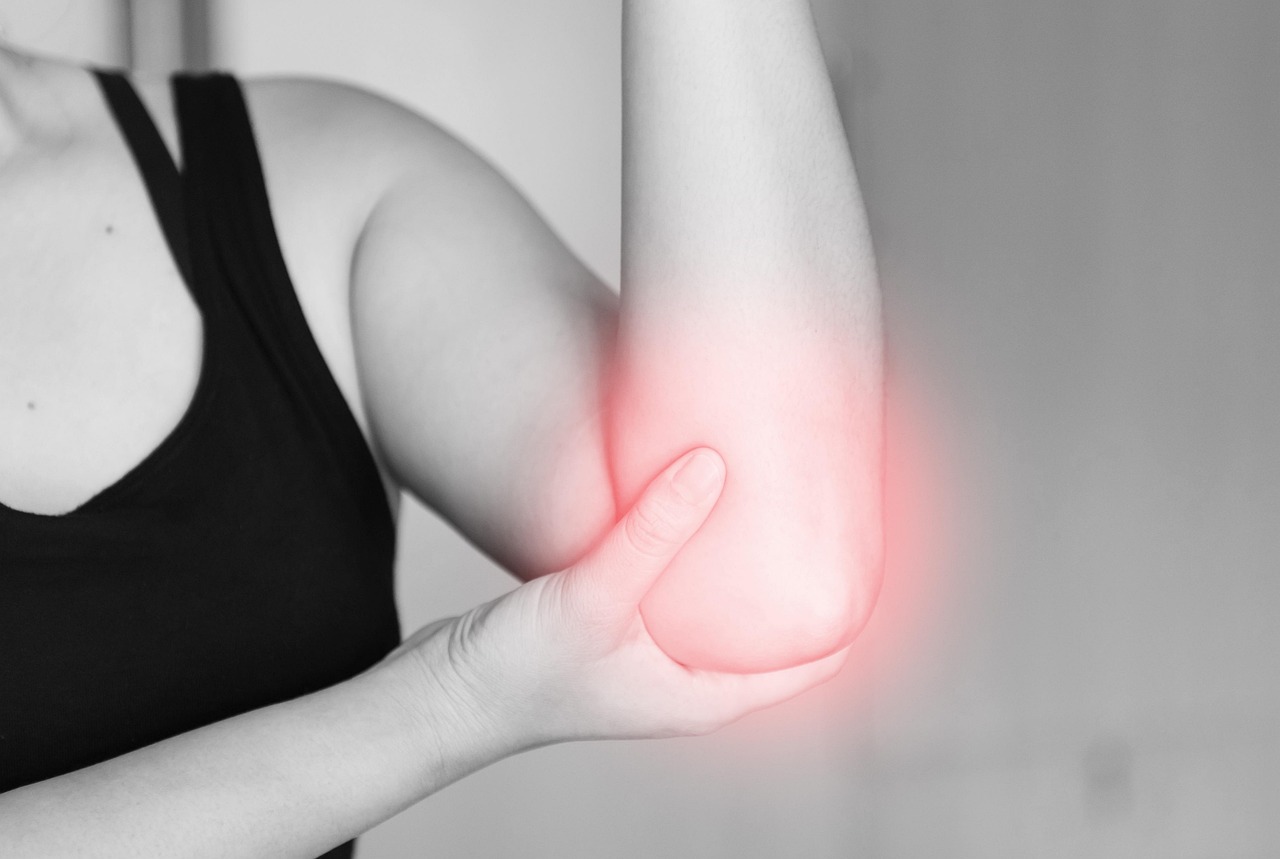
Trigger points are small, tense spots in your muscles that feel knotted or sore when pressed. They can cause pain right where they sit or send pain somewhere else. These spots show up after long workdays, heavy lifting, awkward sleep positions, or old injuries that never fully calmed down. You stretch, feel better for a moment, and then the tightness returns.
How Trigger-Point Work Helps
Trigger-point therapy goes straight to the tight area. A therapist finds the exact spot that’s holding tension and applies slow, steady pressure. When the muscle releases, it stops guarding as much. Movement feels smoother. You feel less stuck. This type of release is hard to get from stretching alone because it targets the deeper part of the muscle.
What Dry Needling Does
Dry needling goes into the same tight spot from the inside. A thin needle reaches the irritated muscle and helps it reset. Some people feel a quick twitch. Others feel a drop in pressure or warmth. The needle is tiny and doesn’t feel like a shot. Most people say it feels odd for a moment, then surprisingly relieving.
Why These Techniques Work
Irritated muscles tend to stay tight. They act like they are protecting something, even if there’s no real danger. The tightness builds into a loop. Tension leads to more tension, and the muscle becomes easier to trigger. Trigger-point work and dry needling help break that loop. Once the muscle calms down, your movement becomes more natural, and the area stops reacting to every small task.
Where People Often Feel Relief
These techniques help with neck stiffness, low-back tightness, shoulder irritation, hip soreness, headaches, and the stubborn knots that return every week. They’re useful when you feel “stuck” after long hours at a desk or after pushing hard at the gym. The goal is to change the muscle’s behavior, not numb it.
What a Session Feels Like
A session stays calm and steady. The therapist explains each step and checks your comfort as they work. You may feel a quick ache or twitch as the muscle responds. After the release, you might feel lighter or slightly sore, like the day after a light workout. That soreness fades as the muscle settles.
Why These Techniques Are Only Part of the Plan
Trigger-point work and dry needling help open the door. The lasting change comes from what happens after the release. PT adds strength and mobility work so the muscle doesn’t fall back into its old habits. When the area moves better and gains control, the relief lasts longer.
Who Benefits Most From These Treatments
People with long-standing tightness. People whose pain keeps circling back. Anyone who stretches often but feels like the muscle never fully loosens. And people who want clearer progress instead of short bursts of relief that disappear in a few days.
What are Trigger Points?
Trigger points are small, tense spots in your muscles that feel knotted or sore when pressed. They can cause pain right where they sit or send pain somewhere else. These spots show up after long workdays, heavy lifting, awkward sleep positions, or old injuries that never fully calmed down. You stretch, feel better for a moment, and then the tightness returns.
How Trigger-Point Work Helps
Trigger-point therapy goes straight to the tight area. A therapist finds the exact spot that’s holding tension and applies slow, steady pressure. When the muscle releases, it stops guarding as much. Movement feels smoother. You feel less stuck. This type of release is hard to get from stretching alone because it targets the deeper part of the muscle.
What Dry Needling Does
Dry needling goes into the same tight spot from the inside. A thin needle reaches the irritated muscle and helps it reset. Some people feel a quick twitch. Others feel a drop in pressure or warmth. The needle is tiny and doesn’t feel like a shot. Most people say it feels odd for a moment, then surprisingly relieving.
Why These Techniques Work
Irritated muscles tend to stay tight. They act like they are protecting something, even if there’s no real danger. The tightness builds into a loop. Tension leads to more tension, and the muscle becomes easier to trigger. Trigger-point work and dry needling help break that loop. Once the muscle calms down, your movement becomes more natural, and the area stops reacting to every small task.
Where People Often Feel Relief
These techniques help with neck stiffness, low-back tightness, shoulder irritation, hip soreness, headaches, and the stubborn knots that return every week. They’re useful when you feel “stuck” after long hours at a desk or after pushing hard at the gym. The goal is to change the muscle’s behavior, not numb it.
What a Session Feels Like
A session stays calm and steady. The therapist explains each step and checks your comfort as they work. You may feel a quick ache or twitch as the muscle responds. After the release, you might feel lighter or slightly sore, like the day after a light workout. That soreness fades as the muscle settles.
Why These Techniques Are Only Part of the Plan
Trigger-point work and dry needling help open the door. The lasting change comes from what happens after the release. PT adds strength and mobility work so the muscle doesn’t fall back into its old habits. When the area moves better and gains control, the relief lasts longer.
Who Benefits Most From These Treatments
People with long-standing tightness. People whose pain keeps circling back. Anyone who stretches often but feels like the muscle never fully loosens. And people who want clearer progress instead of short bursts of relief that disappear in a few days.
Buckeye, AZ - Trigger-Point & Dry Needling Techniques from a Physical Therapist
SYNOPSIS: This article covers what trigger points are, how dry needling works, and why these techniques help when your tight muscles keep coming back, no matter how much you stretch.
How These Methods Ease Stubborn Muscle Tension
BY: Josh Adams, Modern Medicine of Goodyear, AZ
What are Trigger Points?
Trigger points are small, tense spots in your muscles that feel knotted or sore when pressed. They can cause pain right where they sit or send pain somewhere else. These spots show up after long workdays, heavy lifting, awkward sleep positions, or old injuries that never fully calmed down. You stretch, feel better for a moment, and then the tightness returns.
How Trigger-Point Work Helps
Trigger-point therapy goes straight to the tight area. A therapist finds the exact spot that’s holding tension and applies slow, steady pressure. When the muscle releases, it stops guarding as much. Movement feels smoother. You feel less stuck. This type of release is hard to get from stretching alone because it targets the deeper part of the muscle.
What Dry Needling Does
Dry needling goes into the same tight spot from the inside. A thin needle reaches the irritated muscle and helps it reset. Some people feel a quick twitch. Others feel a drop in pressure or warmth. The needle is tiny and doesn’t feel like a shot. Most people say it feels odd for a moment, then surprisingly relieving.
Why These Techniques Work
Irritated muscles tend to stay tight. They act like they are protecting something, even if there’s no real danger. The tightness builds into a loop. Tension leads to more tension, and the muscle becomes easier to trigger. Trigger-point work and dry needling help break that loop. Once the muscle calms down, your movement becomes more natural, and the area stops reacting to every small task.
Where People Often Feel Relief
These techniques help with neck stiffness, low-back tightness, shoulder irritation, hip soreness, headaches, and the stubborn knots that return every week. They’re useful when you feel “stuck” after long hours at a desk or after pushing hard at the gym. The goal is to change the muscle’s behavior, not numb it.
What a Session Feels Like
A session stays calm and steady. The therapist explains each step and checks your comfort as they work. You may feel a quick ache or twitch as the muscle responds. After the release, you might feel lighter or slightly sore, like the day after a light workout. That soreness fades as the muscle settles.
Why These Techniques Are Only Part of the Plan
Trigger-point work and dry needling help open the door. The lasting change comes from what happens after the release. PT adds strength and mobility work so the muscle doesn’t fall back into its old habits. When the area moves better and gains control, the relief lasts longer.
Who Benefits Most From These Treatments
People with long-standing tightness. People whose pain keeps circling back. Anyone who stretches often but feels like the muscle never fully loosens. And people who want clearer progress instead of short bursts of relief that disappear in a few days.