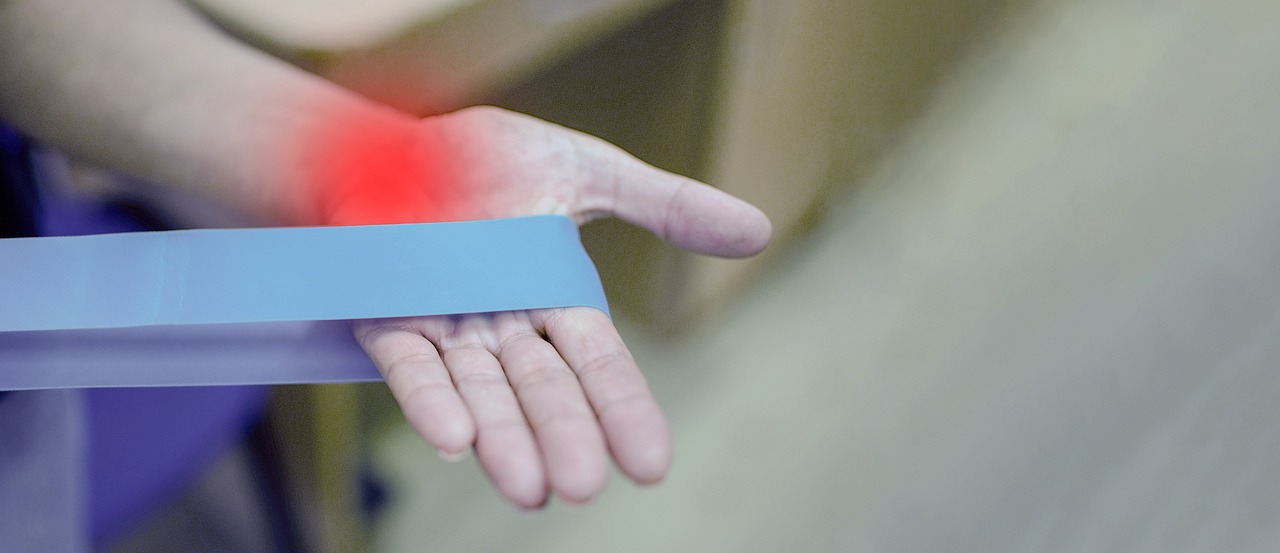
Shoulder pain rarely shows up overnight. It usually starts with small hints. A little pinch when you reach overhead. A weird tug when you grab the seatbelt. Maybe soreness after sleep that fades by lunchtime. People ignore these signs because they’re not constant. But those early moments matter. They often show the start of a pattern your body is struggling to manage.
Early Signs You Might Miss
Some signs feel subtle at first. You may think you slept wrong or warmed up too fast at the gym. But if they keep coming back, they’re worth paying attention to.
Common early signs:
- A dull ache after reaching or lifting
- Stiffness that shows up first thing in the morning
- Clicking or catching during overhead movement
- Fatigue when holding items at shoulder height
- Mild soreness that returns after activity
Why Do These Symptoms Happen?
The shoulder relies on the rotator cuff, shoulder blade muscles, upper back, and core for smooth movement. When one part gets weak or tight, the whole system works harder. Over time, the shoulder gets irritated. At first, the pain is quiet. Later, it grows. If nothing changes, the rotator cuff, biceps tendon, or joint space can all start to struggle.
What Makes Shoulder Pain Build Up
Shoulders get irritated from a mix of daily habits. Long hours at a computer. Repetitive reaching. Overhead lifting at the gym. Yardwork. Poor posture during long drives. Even stress that tightens the upper back. These slow, steady habits overload the joint until it starts sending small warning signs.
Why You Shouldn’t Ignore These Early Signs
Shoulders don’t heal well when the same pattern repeats all day. Ignoring early symptoms makes the joint compensate more. That compensation leads to inflammation, weakness, and long-term pain. Early care is simpler and faster than waiting until pain shows up during every movement.
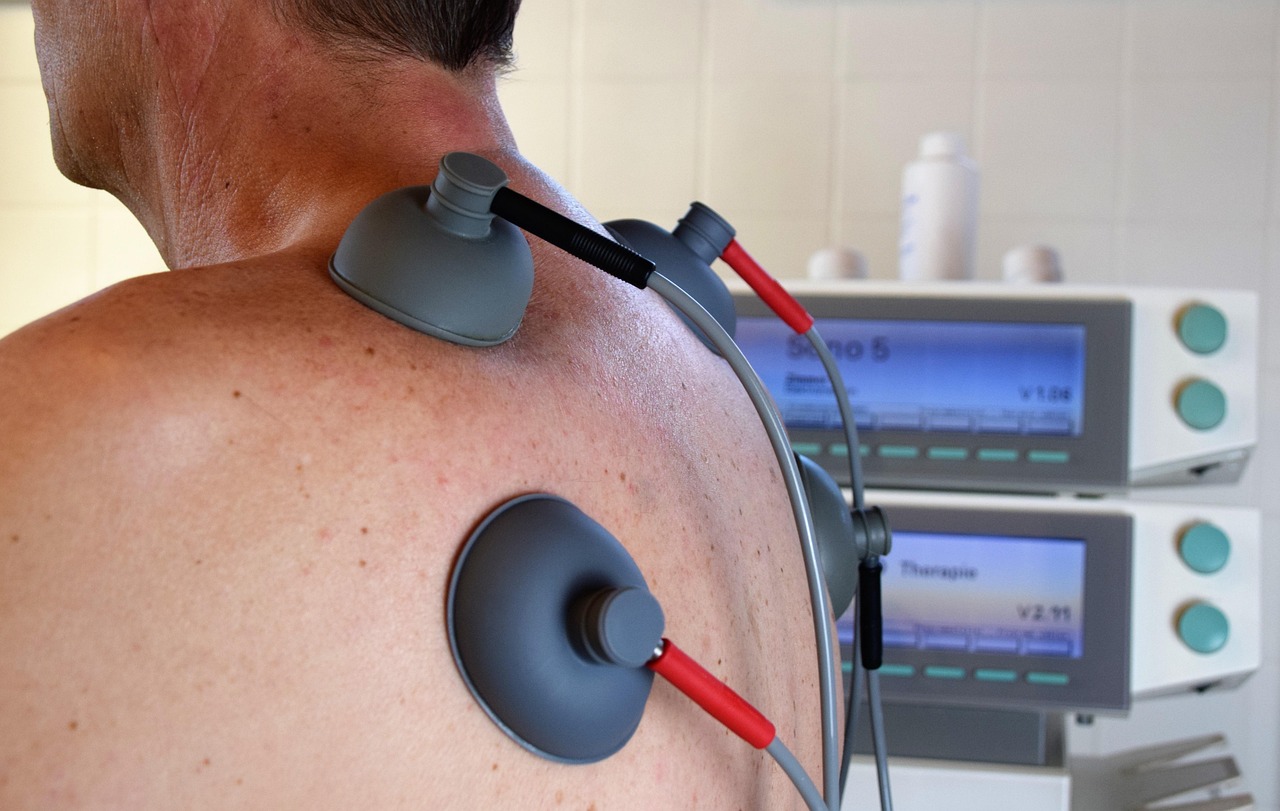
How Physical Therapy Helps When Symptoms Are Still Mild
PT looks at how your shoulder moves. But it also checks the surrounding areas that support the joint. The shoulder rarely hurts alone. Your neck, shoulder blade, upper back, and core all contribute to the problem.
PT may focus on:
- Restoring motion in stiff areas
- Strengthening the rotator cuff and shoulder blade
- Improving posture during work and exercise
- Adjusting daily habits that overload the joint
- Teaching smoother, safer overhead movement
Why Early PT Works Better Than Waiting
When issues are caught early, the shoulder responds fast. You can correct the pattern before the joint becomes irritated enough to swell or weaken. Strength returns sooner. The joint feels lighter. You regain confidence in overhead movement instead of guarding every time you reach.
If small shoulder aches keep returning, don’t wait until they become constant. Reach out to Modern Physical Therapy & Sports Medicine of Goodyear, AZ. Schedule your visit and get ahead of the pain before it grows.