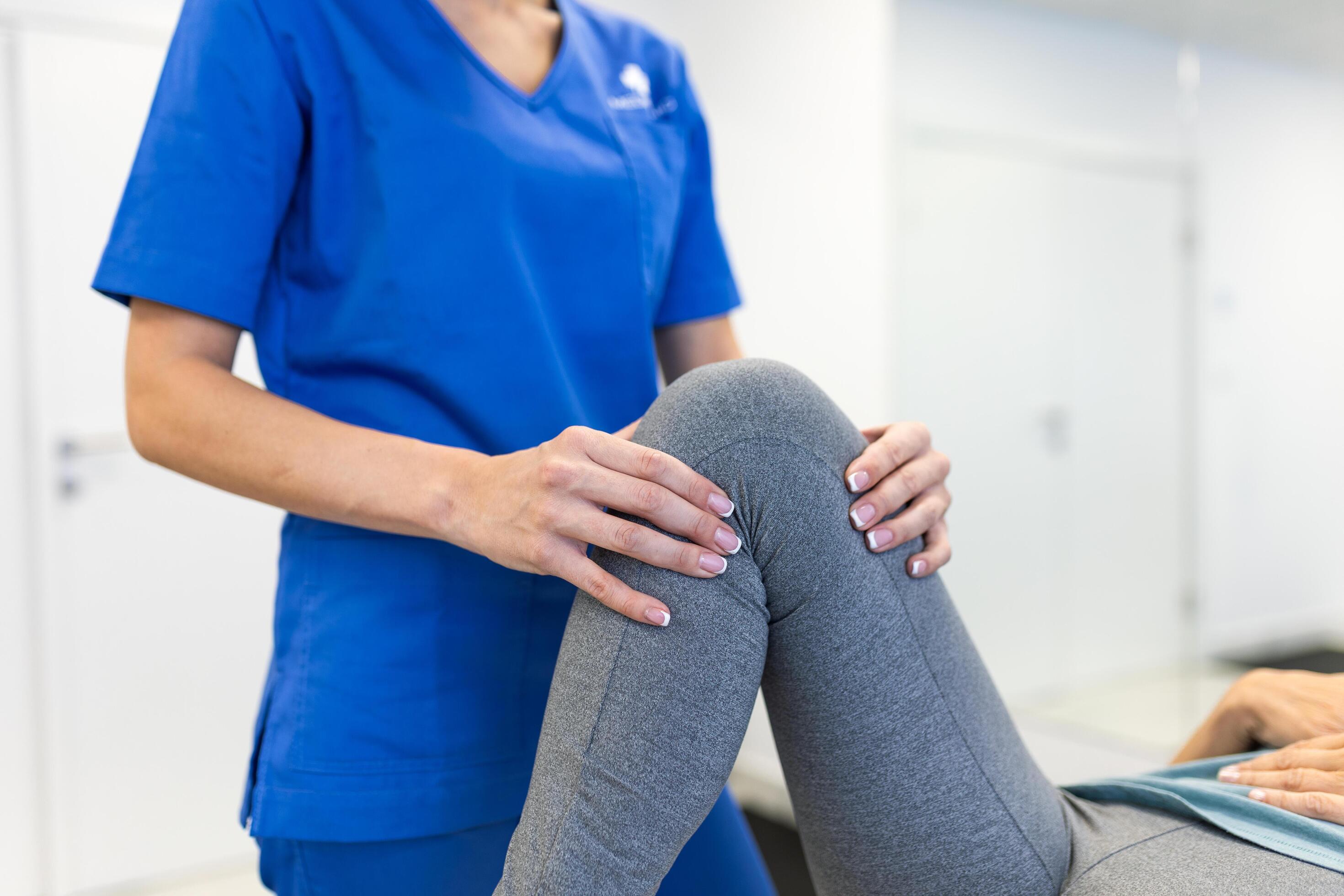
Recovery from a sports injury isn't one thing. It's a series of stages, and each one asks something different from you and from the people helping you back. The reason a clinic matters is that they know which stage you're in and what it actually needs, instead of treating week one and week eight the same way. Here's how that progression tends to run.
Right After: Settling the Storm
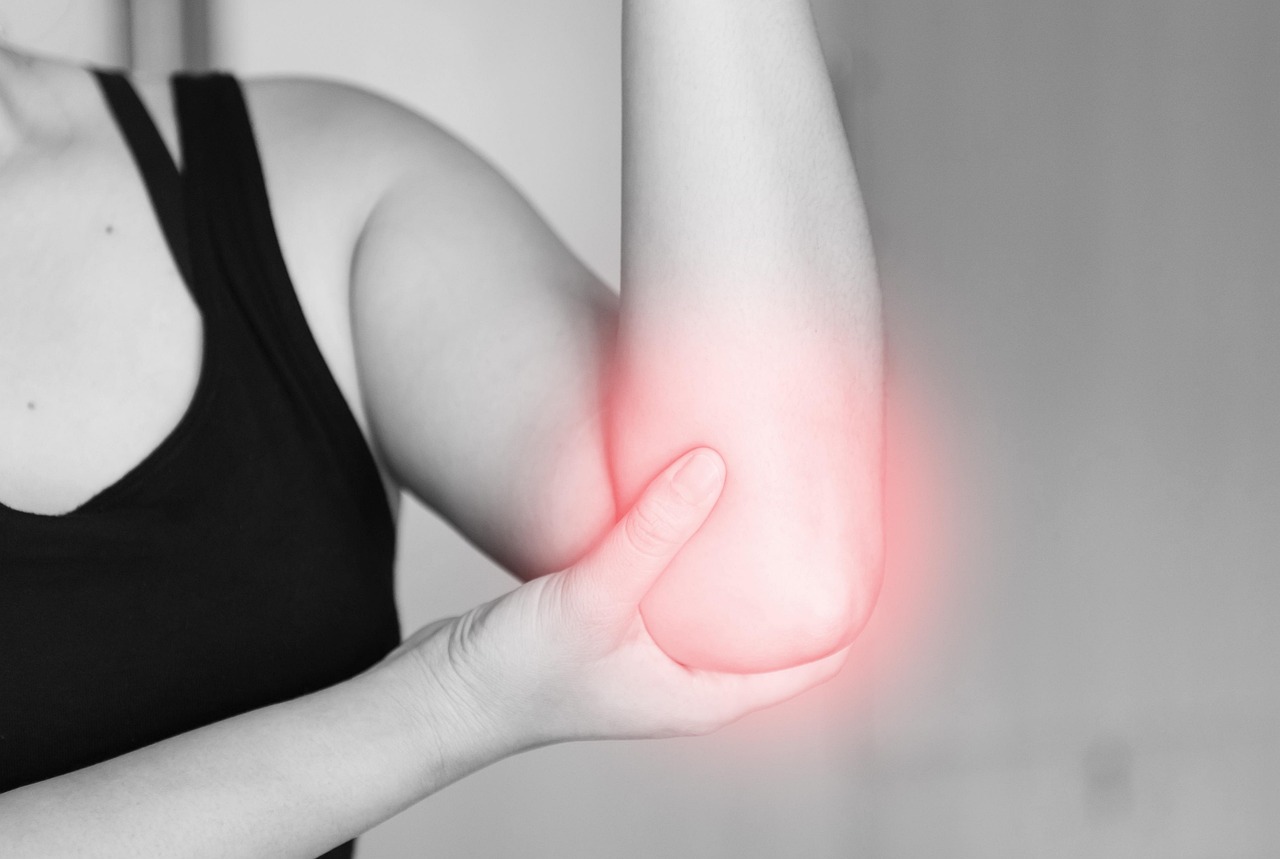
The early days are loud. Pain, swelling, or a joint or muscle that doesn't want to be touched. The instinct is to either freeze completely or push through to prove it's fine. Both backfire.
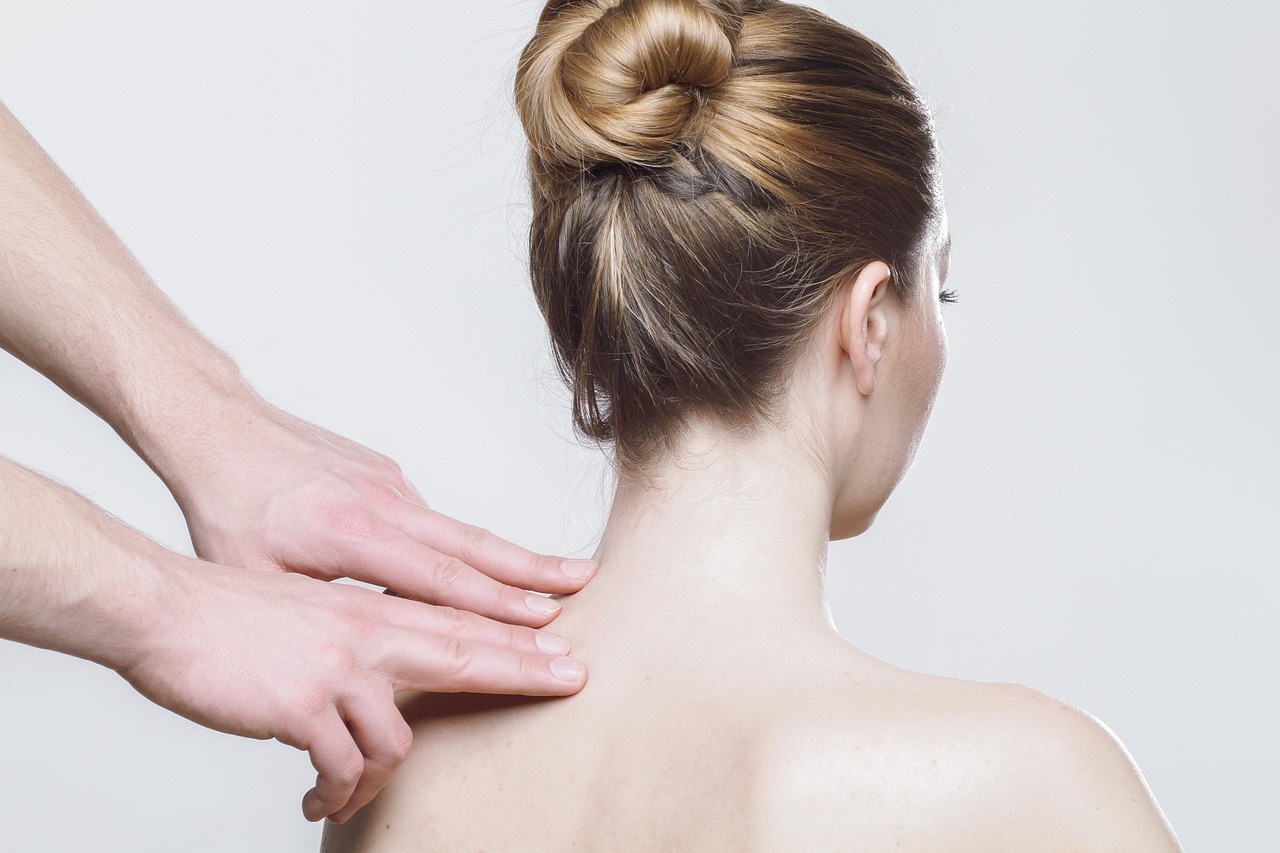
This phase is about calming things down without shutting the area off entirely. Protecting the injury, managing the swelling, and keeping nearby muscles from stiffening up while the worst of it eases. A clinic reads how bad it actually is here, too, which sets up everything after. Get the severity wrong at the start, and the whole plan is built on sand.
Getting Motion Back
Once the area settles, the next job is moving it again. This trips people up because a joint that's been hurt gets stiff fast, and stiff feels safer than moving. It isn't.
The work here is gentle and specific. Coaxing the joint back through its range a little further each session, without flaring what's still healing. Too timid and the stiffness sets in for good. Too aggressive and you stir the injury back up. Finding that middle is most of what this stage is, and it's hard to gauge on your own, which is where guided care earns its place.
Rebuilding Strength
Motion comes back before strength does, and that gap is dangerous. The injured area can move fine and still be nowhere near ready to handle load. People who skip ahead here are the ones who re-injure.
This stage layers strength back in deliberately. Light at first, then heavier as the tissue proves it can take it. It also looks past the injury itself to whatever weakness might have set it up in the first place, the weak hip behind the knee problem, the tight shoulder behind the elbow pain. Skip that and you heal the symptom while leaving the cause sitting there.
Getting Sport-Ready
Here's the stage people most want to skip. The injury feels good, daily life is back to normal, so why keep going? Because normal daily movement and sport movement are different animals.
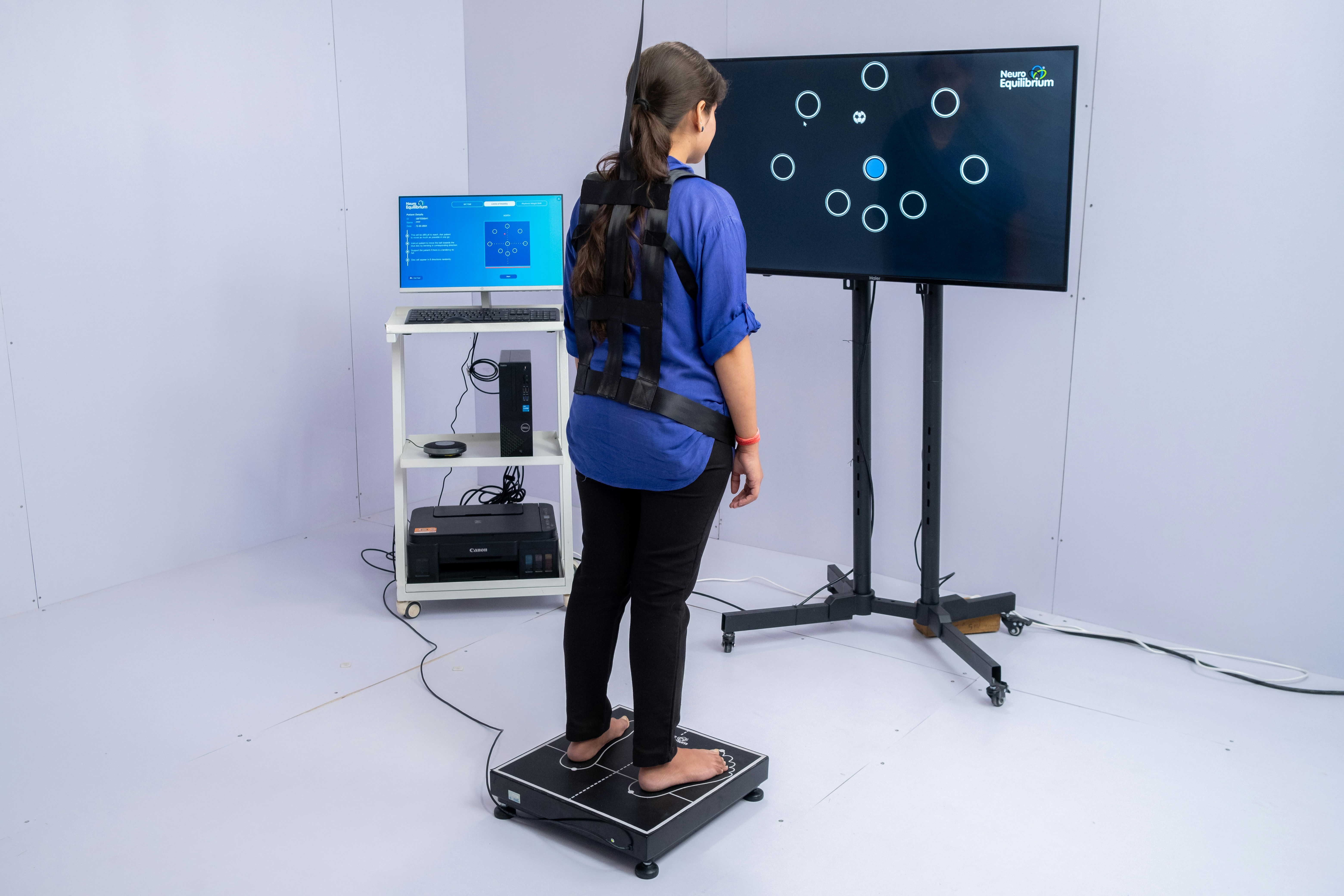
Your sport asks for sprinting, cutting, jumping, sudden changes of direction, contact. A knee that's fine on a walk can still buckle on a hard pivot. This phase trains the area for those specific demands, building back the explosive, reactive movements the game requires. It's the difference between healed enough to live and healed enough to compete.
The Return Itself
The last stage is the comeback, and a good clinic paces it instead of flipping a switch. Not zero to full speed overnight, but a graded build, easing back into practice, then partial play, then full, with the area proving itself at each step.
Rushing this is the single most common way recoveries fall apart. The thing felt ready, so you went all in, and it gave out. A staged return is what turns healing once into staying healed.
Set up a session today with Modern Medicine of Gilbert, AZ. We'll figure out where you are in your recovery and build a plan to get you back to your sport the right way.