Dizziness is uniquely disorienting. Pain you can point to. But when the room tilts every time you roll over in bed, or you feel unsteady walking through a parking lot, it undermines something more basic, your confidence that the ground will stay where you left it.
Vestibular physical therapy exists for exactly this, and a lot of people don't know it's an option.
Where Balance Comes From
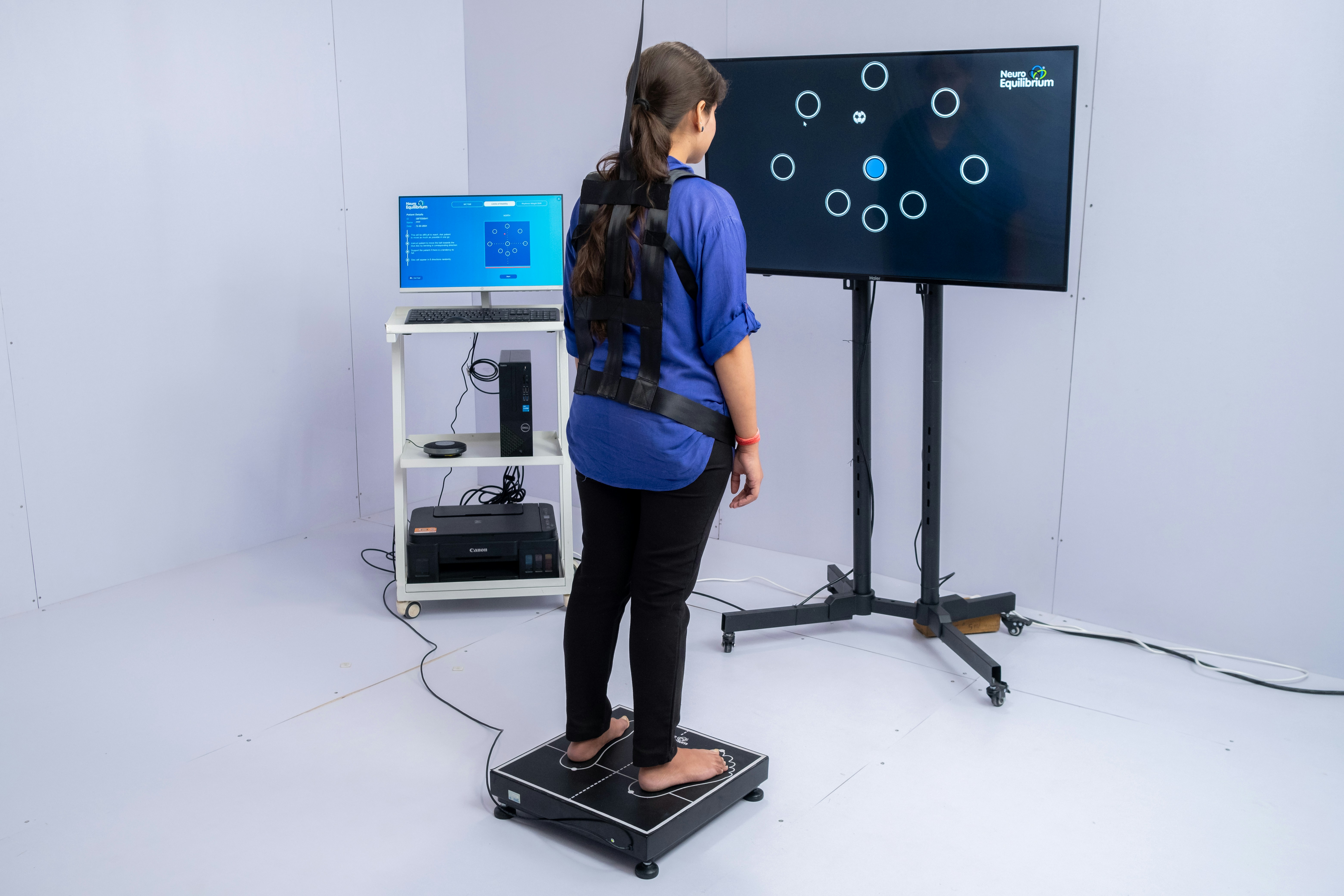
Your sense of balance runs on three inputs working together. The inner ear vestibular system, which detects head position and movement. Your vision. And sensors in your muscles and joints that tell your brain where your body is.
When those inputs disagree, or one of them starts sending faulty signals, your brain gets conflicting information. The result is spinning, unsteadiness, or that floating, off-kilter feeling.
What Brings People In
Several different problems land people in vestibular therapy:
- BPPV, where tiny crystals in the inner ear shift out of place and trigger brief, intense spinning with position changes
- Inner ear inflammation or infection that leaves lasting unsteadiness
- Dizziness and balance problems following a concussion
- General imbalance and unsteadiness, particularly with age
- Lingering dizziness that never fully resolved after an episode
The symptoms vary a lot. Some people get violent, short bursts of spinning. Others live with a constant low-grade fog of unsteadiness.
How Therapy Actually Helps
This is where it gets interesting. Vestibular therapy doesn't just manage symptoms, it retrains the system.
For BPPV specifically, there are repositioning maneuvers, guided head and body movements that move the displaced crystals back where they belong. For many people the relief is dramatic and quick.
For other causes, the work centers on retraining. Exercises that challenge your balance system deliberately, so your brain recalibrates and learns to compensate. Gaze stabilization work to keep vision steady as you move. Balance training to rebuild steadiness and confidence.
The Avoidance Trap
Here's something worth knowing. When movement triggers dizziness, people naturally start avoiding the movements that set it off. It feels sensible. But avoidance keeps your brain from adapting, and the system stays poorly calibrated, so the dizziness persists. Therapy works partly by carefully, gradually exposing you to the movements you've been dodging, in doses you can handle.
Why It Matters Beyond Comfort
For older adults especially, dizziness is a fall risk, and a fall can change everything. Treating the balance problem protects independence, not just comfort.
Room spinning or feeling unsteady on your feet? Modern Medicine of Gilbert, AZ can evaluate what's driving it and retrain your balance. Reach us by phone or the online booking form.